
A Terrace in Amalfi in Moonlight — History & Facts
In the stillness of night, a quiet transformation whispers through the air, where the moonlight drapes over the landscape like a soft, silken veil. The scene invites contemplation, allowing time to pause as each shadow melds into the next, revealing a world drenched in ethereal beauty. Look to the left at the silver reflections shimmering on the water’s surface, where the moon casts an almost otherworldly glow. Notice how the delicate interplay of blues and whites creates a serene yet vivid palette that brings the terrace to life.
Each brushstroke captures the gentle undulations of the Mediterranean, while dark silhouettes of palm trees stand sentinel, framing the scene with elegance. The composition draws the eye upward, towards the luminous sky, balancing the tranquility of the terrace below with the infinite expanse above. Within this quiet moment lies a deeper narrative of solitude and introspection. The stillness of the night suggests a longing for transformation, as the moonlight illuminates both the beauty and the ephemeral nature of the scene.
The juxtaposition of the serene terrace against the vast sky evokes a sense of yearning—perhaps for connection, freedom, or even a fleeting glimpse of a different life. Each detail, from the shadowy foliage to the distant hills, encapsulates the tension between presence and absence, drawing the viewer into a contemplative realm. In 1834, Fearnley painted this piece in Italy during a period of exploration and personal growth. The artist, influenced by the Romantic movement, sought to capture the sublime beauty of nature and its ability to evoke deep emotional responses.
As he navigated the vibrant art scene of Europe, he found inspiration in the tranquil settings of coastal Italy, where the interplay of light and shadow reflected his own journey of transformation.
More Artworks by Thomas Fearnley
Browse all →
Norwegian Landscape, Marumfoss
Thomas Fearnley

View of the Oslofjord
Thomas Fearnley

Gudvangen
Thomas Fearnley

Stormy Landscape with a Rider
Thomas Fearnley
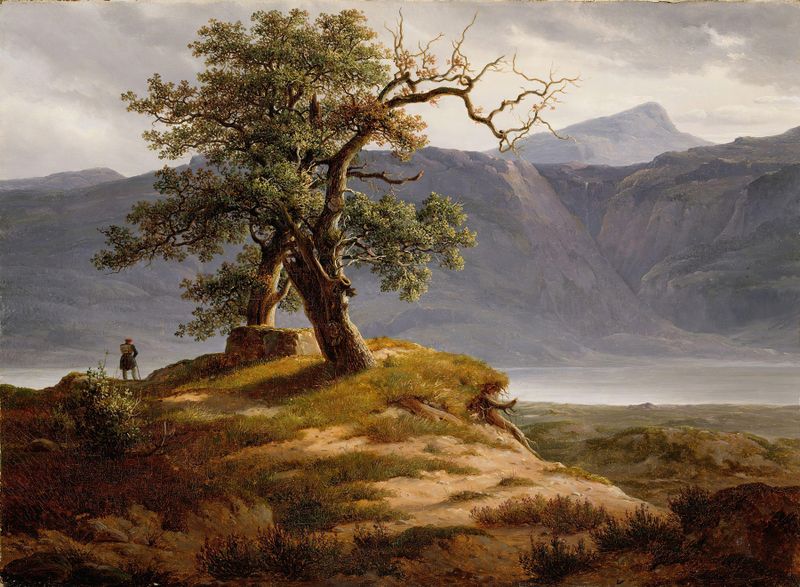
Landscape with a Wanderer
Thomas Fearnley
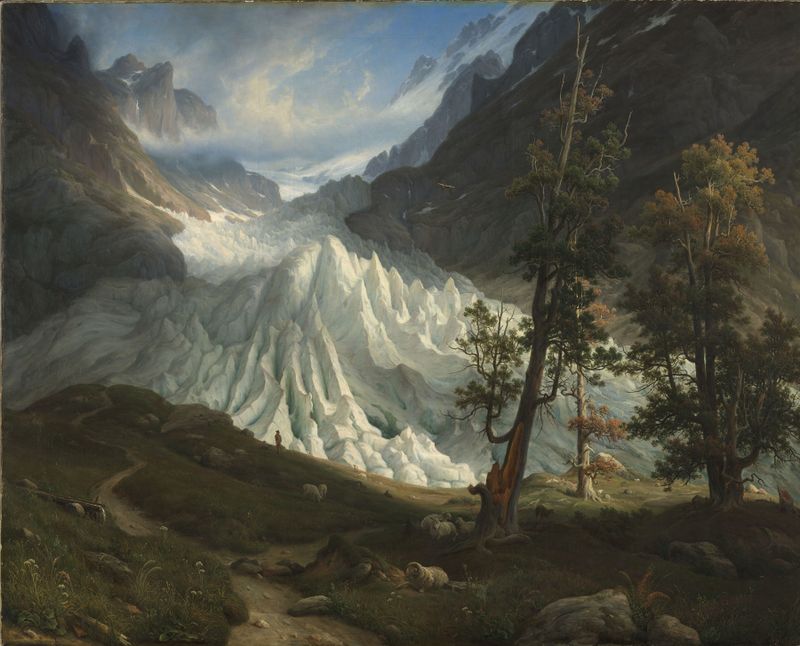
The Grindelwaldgletscher
Thomas Fearnley

Clouds over the Fjord
Thomas Fearnley
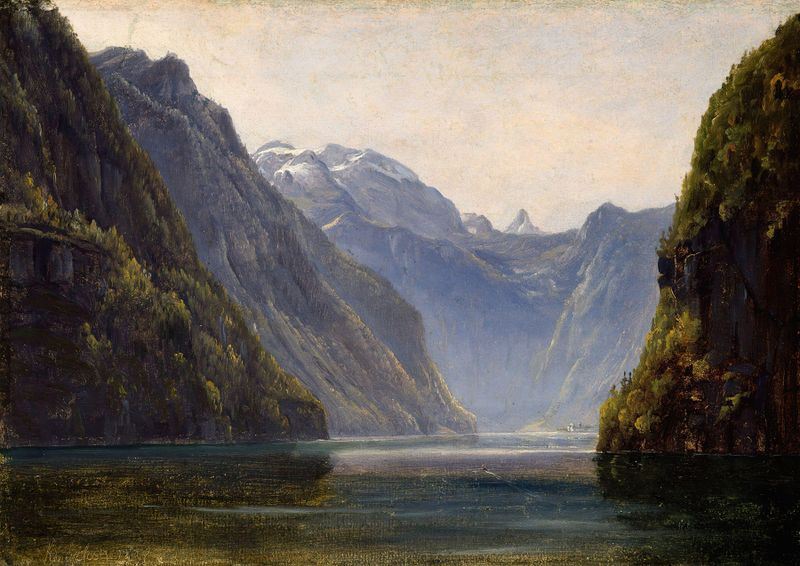
From Königssee
Thomas Fearnley

The Bridge of Hauge outside Arendal
Thomas Fearnley

King Vilhelm II’s ceremonial Processsion in Amsterdam in 1840
Thomas Fearnley





