
A View of Klosterneuburg Monastery — History & Facts
Can beauty exist without sorrow? A question that lingers like a ghost over the serene landscape captured in this artwork, where the past intertwines with the present to forge an indelible legacy. Look to the left at the warm glow of the setting sun casting golden hues over the majestic architecture of Klosterneuburg Monastery. The artist employs a soft palette of ochres and greens that evoke tranquility, while sharp contrasts in shadow highlight the intricate details of the sprawling edifice. The horizon, a gentle curve, invites the viewer's eye into the scene, seamlessly blending the monastery with the surrounding landscape and sky. Hidden within the tranquility lies a poignant contrast between the enduring strength of the monastery and the ephemeral nature of life.
The tranquil waters of the Danube River reflect the structure, symbolizing the passage of time and human endeavors. As the light dwindles, one feels a bittersweet reminder of the transience of beauty — a legacy that persists even in decay, hinting at both the historical significance and the inevitable encroachment of time upon all that we hold dear. In 1873, Ludwig Halauska painted this work during a period when Austria was undergoing profound social and political changes, echoing a shift in artistic expression towards realism. Having settled into a phase of introspection, he sought a connection to his homeland's history, and this painting emerged as a tribute to the resilience and beauty of its enduring cultural legacy amid shifting tides.
More Artworks by Ludwig Halauska
Browse all →
Der Schneeberg in Niederösterreich von Gutenstein aus gesehen
Ludwig Halauska

A View of Klamm Castle near Imst in the Inntal in Tyrol
Ludwig Halauska
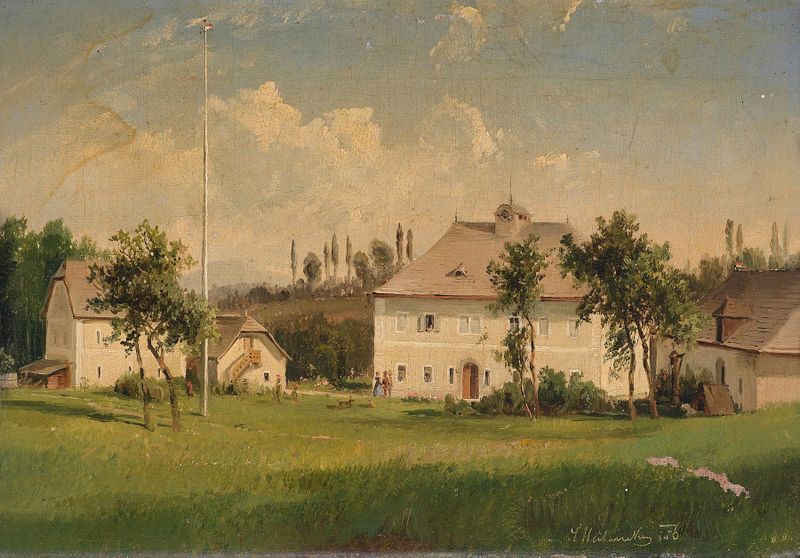
Blick auf einen Gutshof
Ludwig Halauska

Blick auf das Dorf Tutschach bei Aflenz
Ludwig Halauska
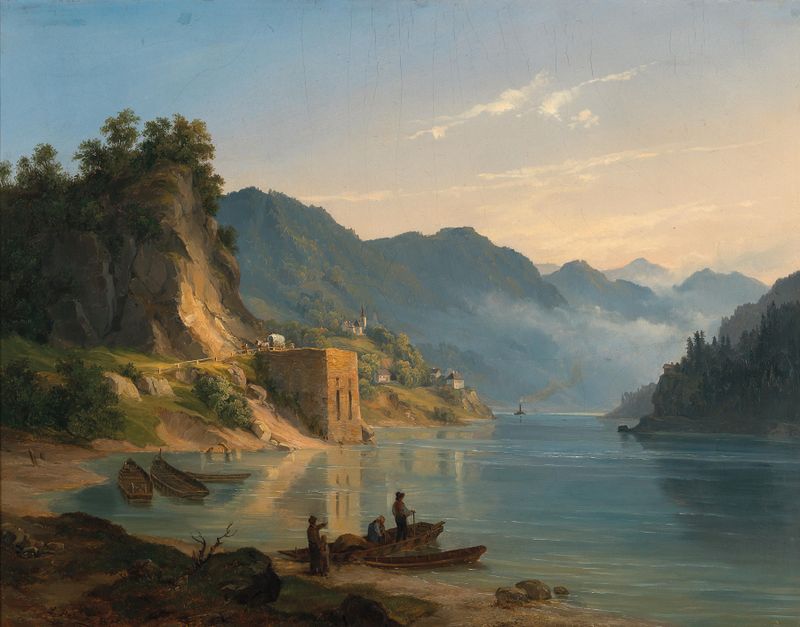
St. Nikola im Strudengau
Ludwig Halauska

Blick auf das Dorf Tutschach bei Aflenz mit dem Jauringbach im Vordergrund
Ludwig Halauska

Landschaft bei Flintsbach am Inn
Ludwig Halauska
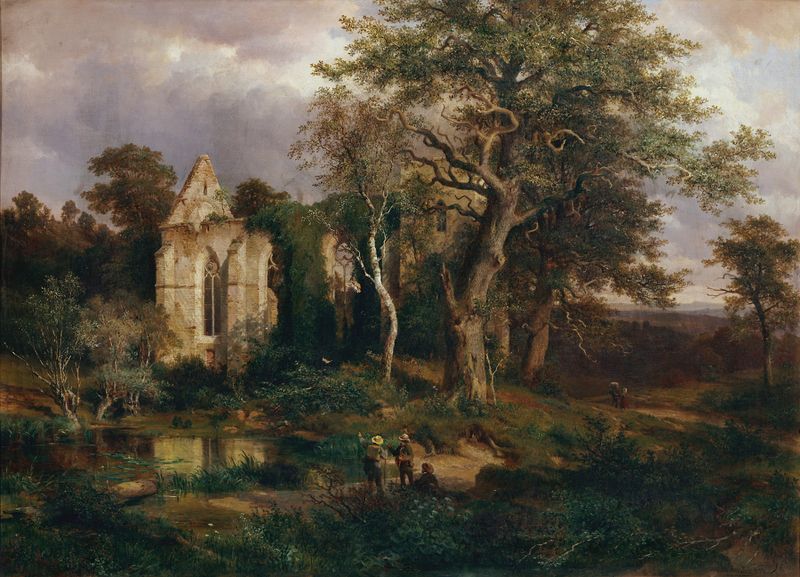
Kirchenruine
Ludwig Halauska

Partie aus Mittenwald am Karwendelgebirge
Ludwig Halauska

Sommerlandschaft
Ludwig Halauska





