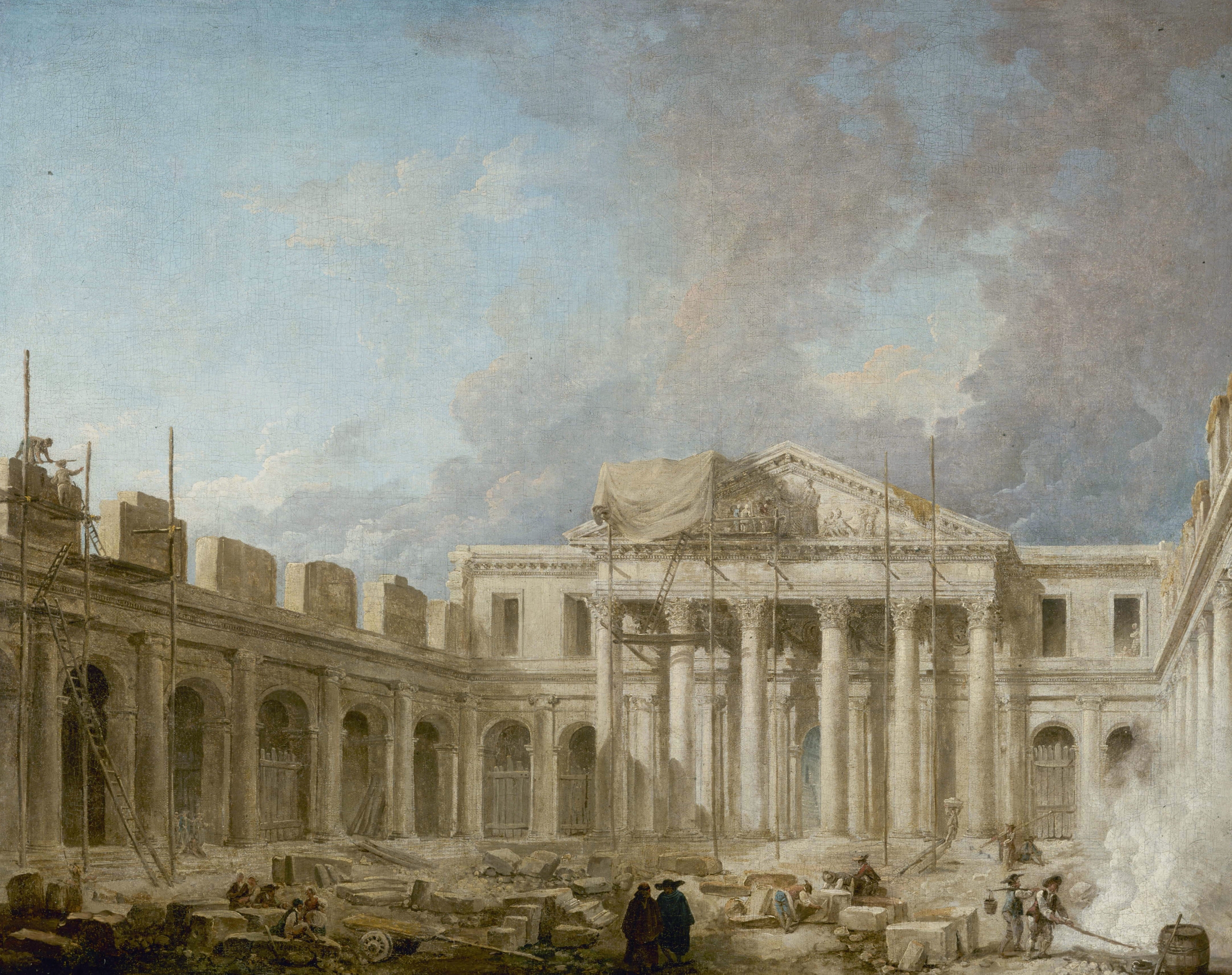
A view of the facade of the Villa Medici in Rome — History & Analysis
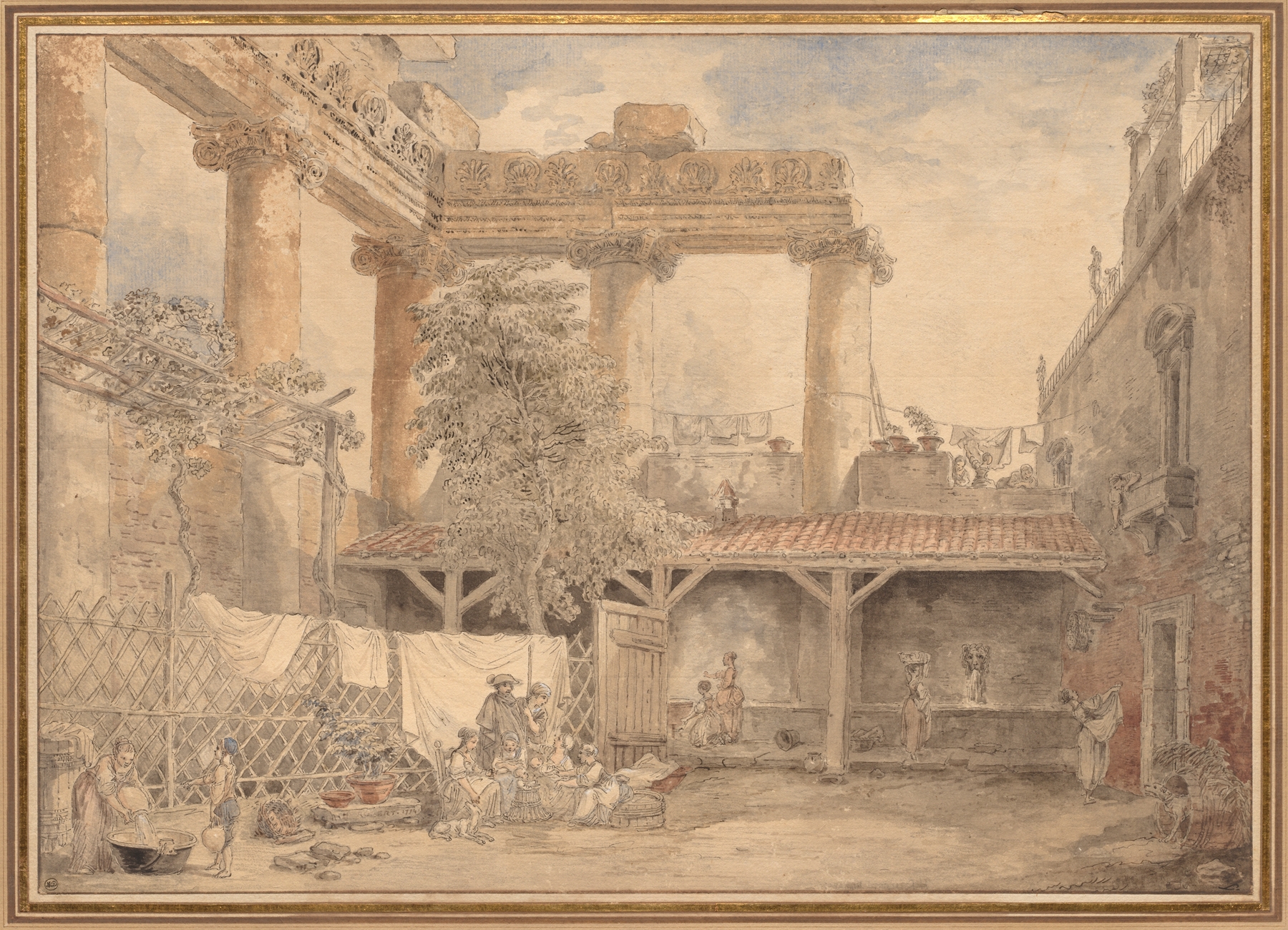
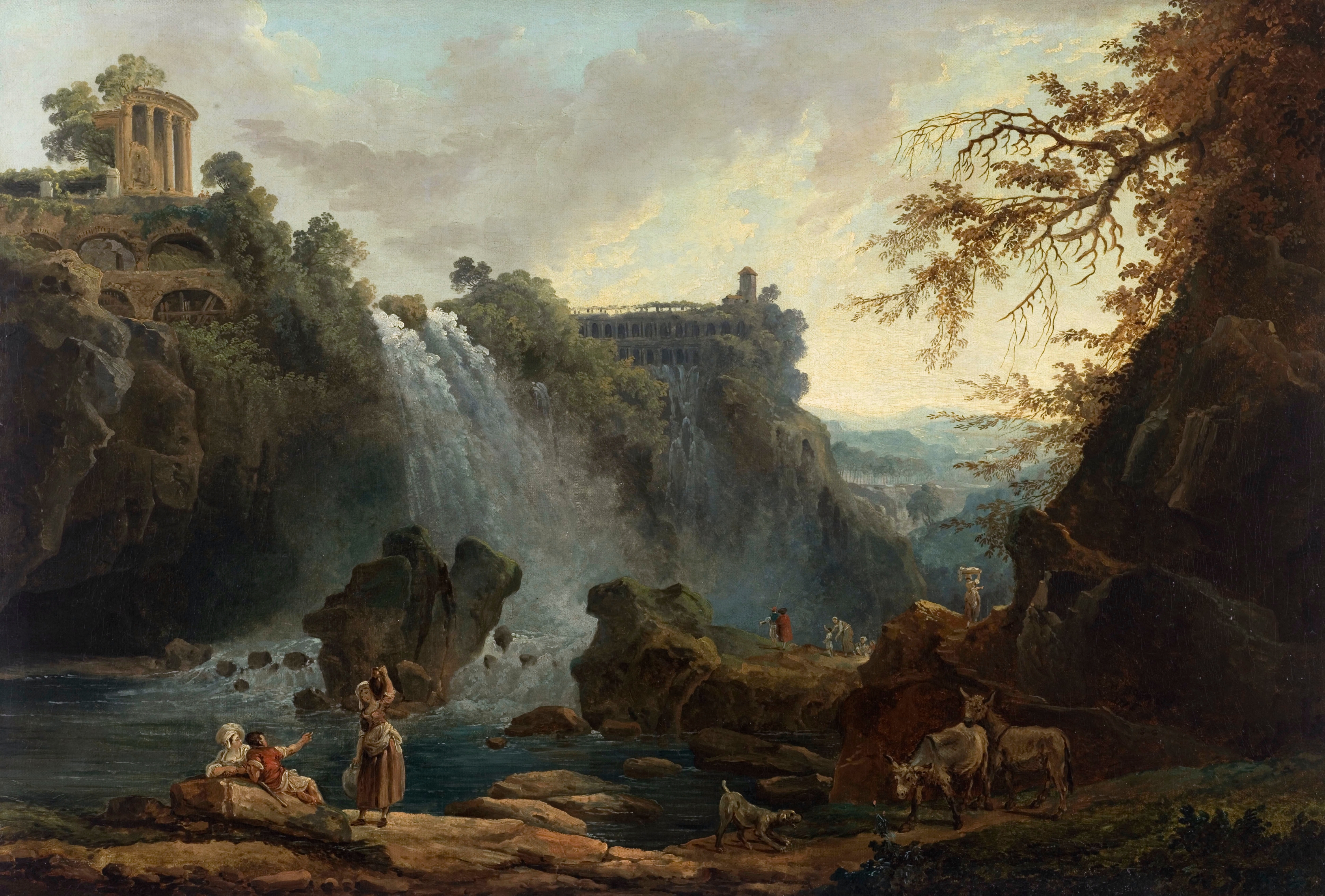
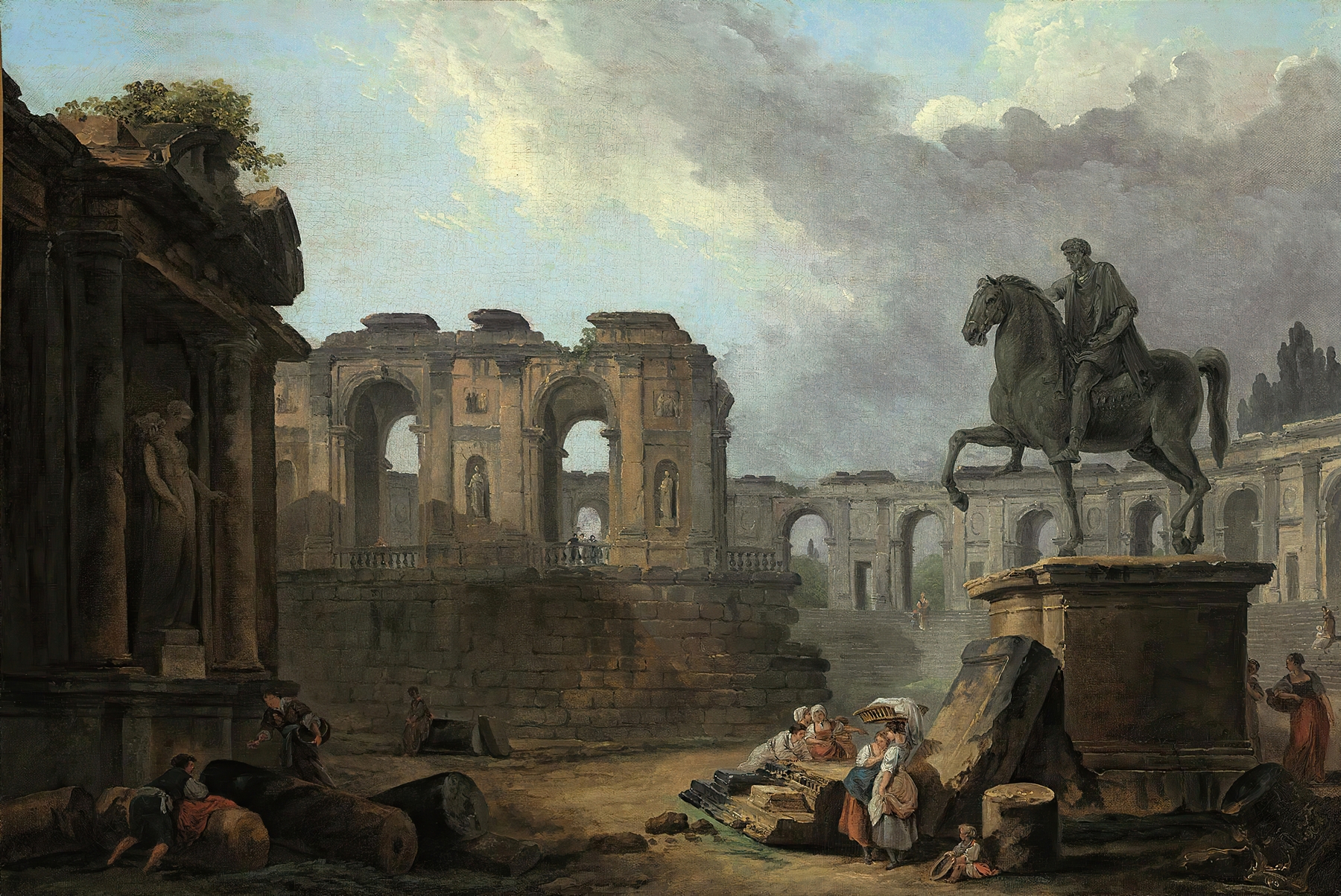
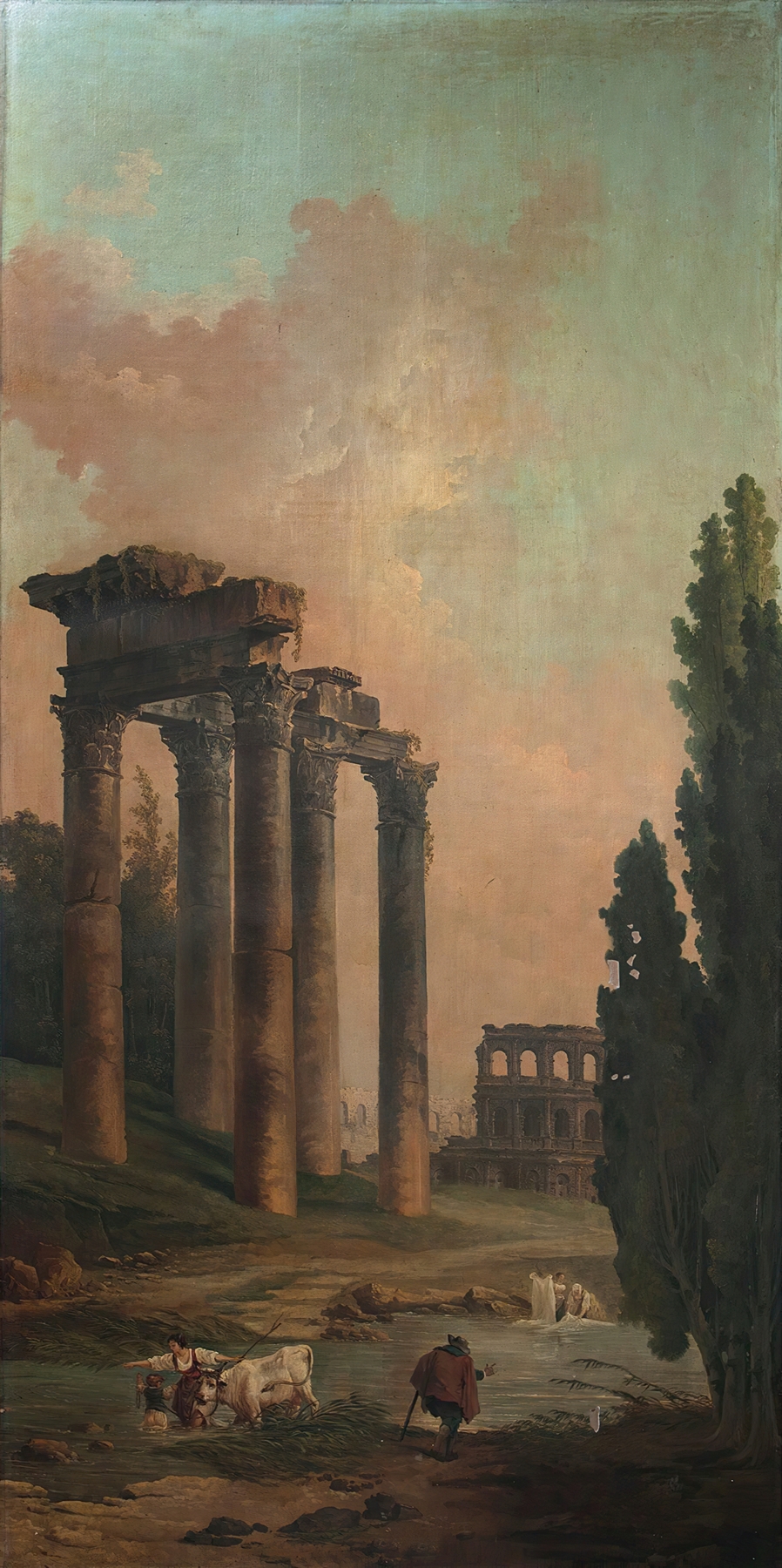
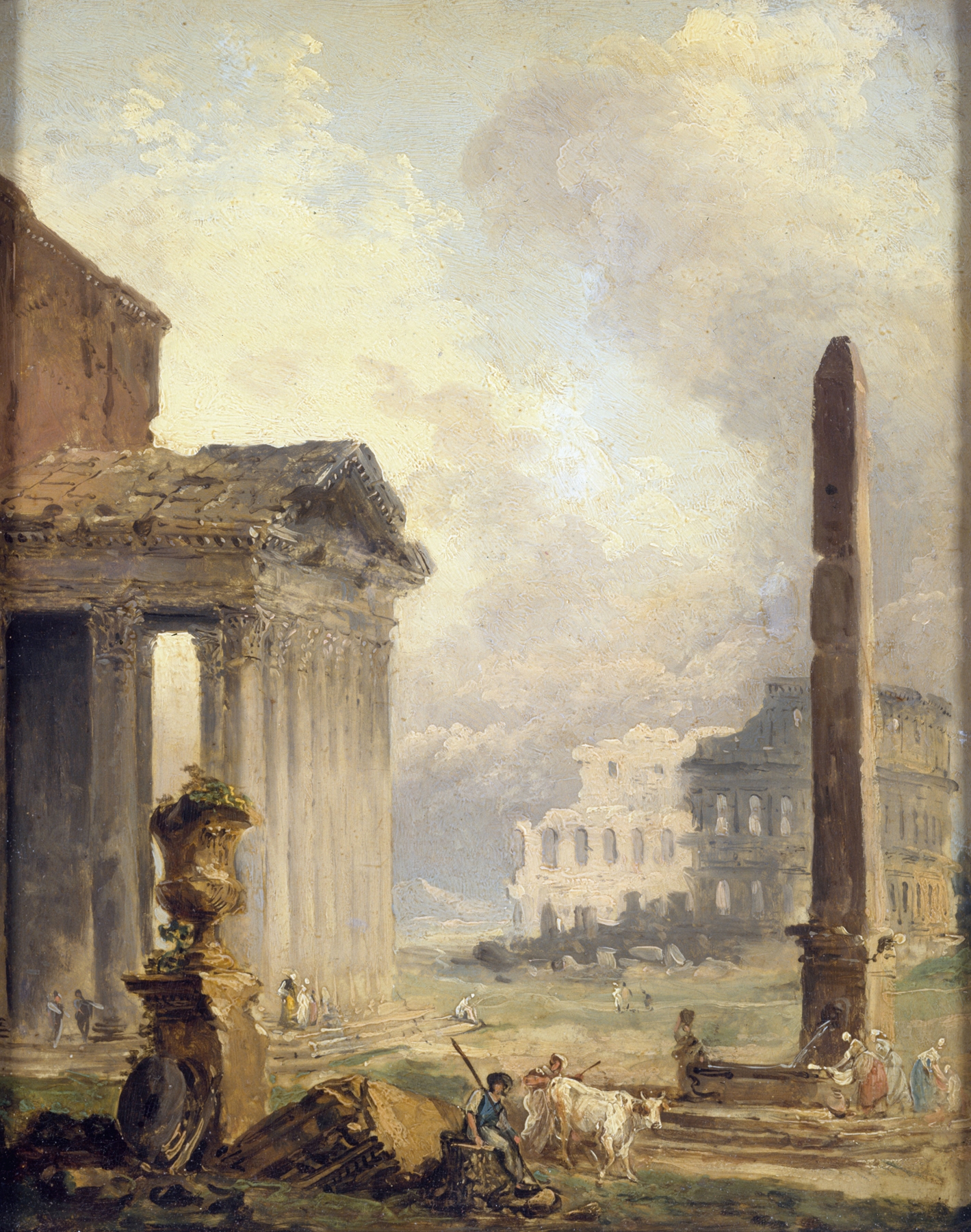
Could a single brushstroke hold eternity? In A view of the facade of the Villa Medici in Rome, the artist encapsulates a moment that transcends time, offering a glimpse into both architectural grandeur and the whispers of revolution that echo through history. Look closely at the magnificent façade, where the meticulously rendered classical columns rise with authority, their shadows stretching across the canvas. The artist employs a warm palette of ochres and earthy tones, contrasting with the cooler blues of the sky, drawing the viewer's eye upwards.
Notice how the dappled light dances across the stone, highlighting the intricate details of the building's carvings and inviting contemplation of its storied past. Delve deeper into the layers of this artwork, and you’ll uncover the emotional weight it carries. The Villa Medici stands as a symbol of both artistic patronage and the shifting tides of political power in Europe. The façade, resplendent yet timeless, hints at a fleeting moment before the tumult of revolution—a sanctuary that could soon be threatened.
The juxtaposition of serenity and impending change resonates throughout the piece, reflecting both the allure and vulnerability of artistic legacy. Hubert Robert created this work during a period marked by profound shifts in France and across Europe. As he painted, he was immersed in the vibrant cultural landscape of the late 18th century, a time when the Enlightenment was stirring ideas of progress and liberty, ultimately leading to the French Revolution. This historical backdrop enriched his artistic vision, allowing him to weave personal and societal narratives into his depictions of monumental architecture.