
A View Of The Marmore Falls Near Terni — History & Facts
What secret hides in the quiet of the canvas? With each brushstroke, the stillness of A View Of The Marmore Falls Near Terni whispers of a lingering nostalgia, a gentle ache of loss that reverberates through the tranquil landscape. Look to the left at the cascading waters, where delicate whites and blues harmonize, capturing the essence of a waterfall’s descent. Notice how the light filters through the trees, painting patches of golden sunlight on the mossy stones, inviting the eye to trace the river’s path. In the foreground, soft greens and earthy tones contrast with the dramatic movement of the falling water, creating a serene yet dynamic interplay that pulls you deeper into the scene. Amidst the beauty lies a tension between stillness and movement, as if the artist seeks to capture both the fleeting moment of nature’s power and the eternal tranquility of the surroundings.
The juxtaposition of the vibrant waterfall against the muted palette of the landscape echoes the feelings of desire and absence, revealing layers of emotional depth beneath the surface beauty. Each element speaks to the complexity of experiencing nature—its capacity to evoke joy and sorrow simultaneously. Created by Claude-Louis Châtelet in an unspecified year, this work reflects a time when Romanticism was giving way to new currents in art. The artist, likely influenced by the burgeoning appreciation for nature and the sublime, sought to immortalize this scene with a sensitivity to both its grandeur and its subtlety.
During this period, artists were increasingly exploring the emotional resonance of landscapes, setting the stage for the evolving relationship between humanity and the natural world.
More Artworks by Claude-Louis Châtelet
Browse all →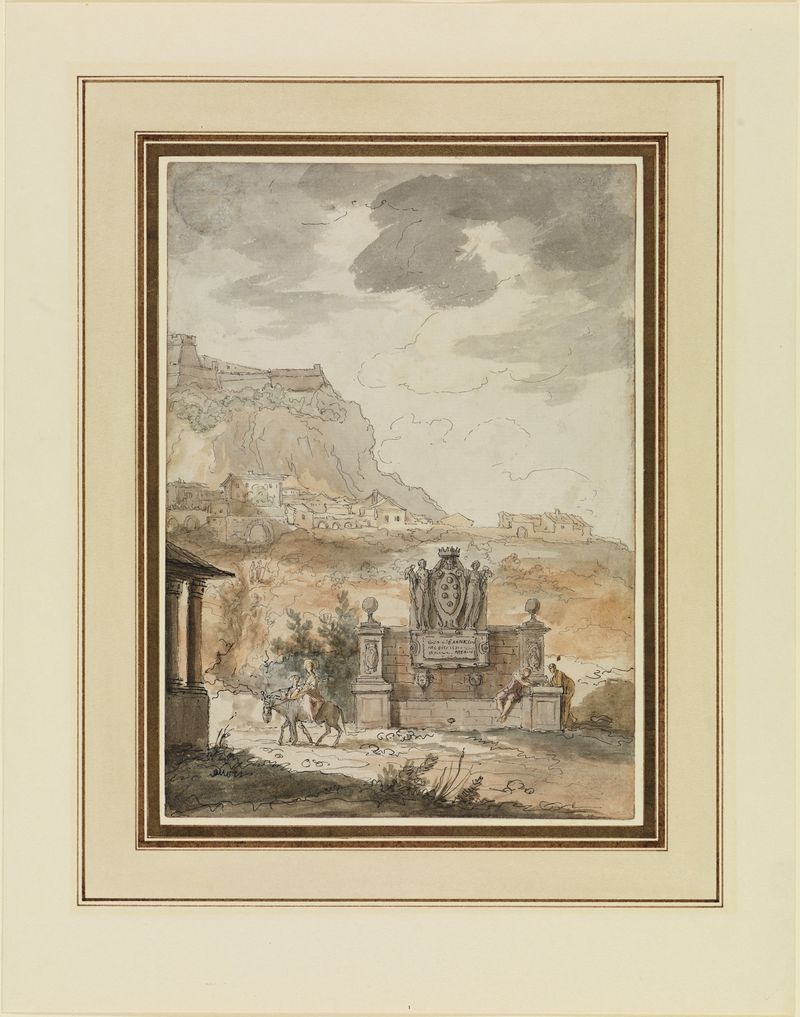
Italienische Landschaft mit Medici-Brunnen
Claude-Louis Châtelet
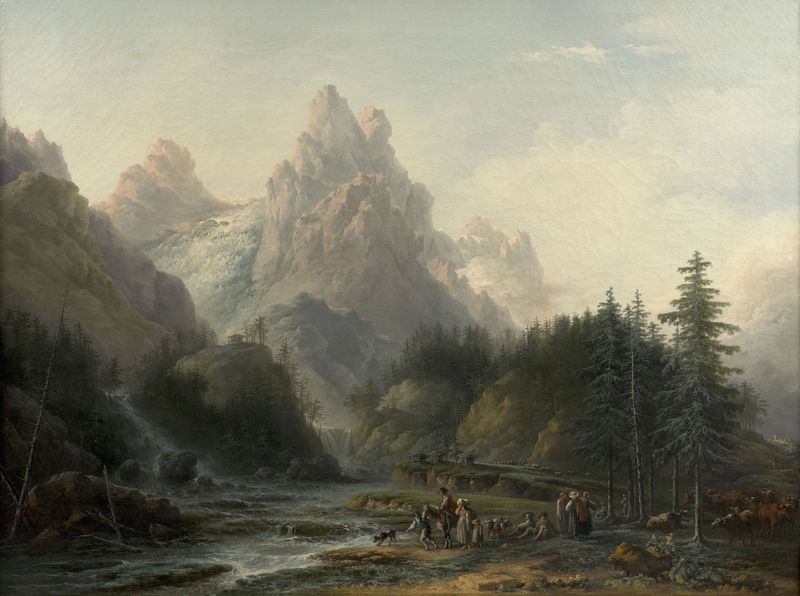
Vue du Wellhorn et du Wetterhorn prise de Rosenlaui vers Meiringen dans l’Oberland bernois
Claude-Louis Châtelet
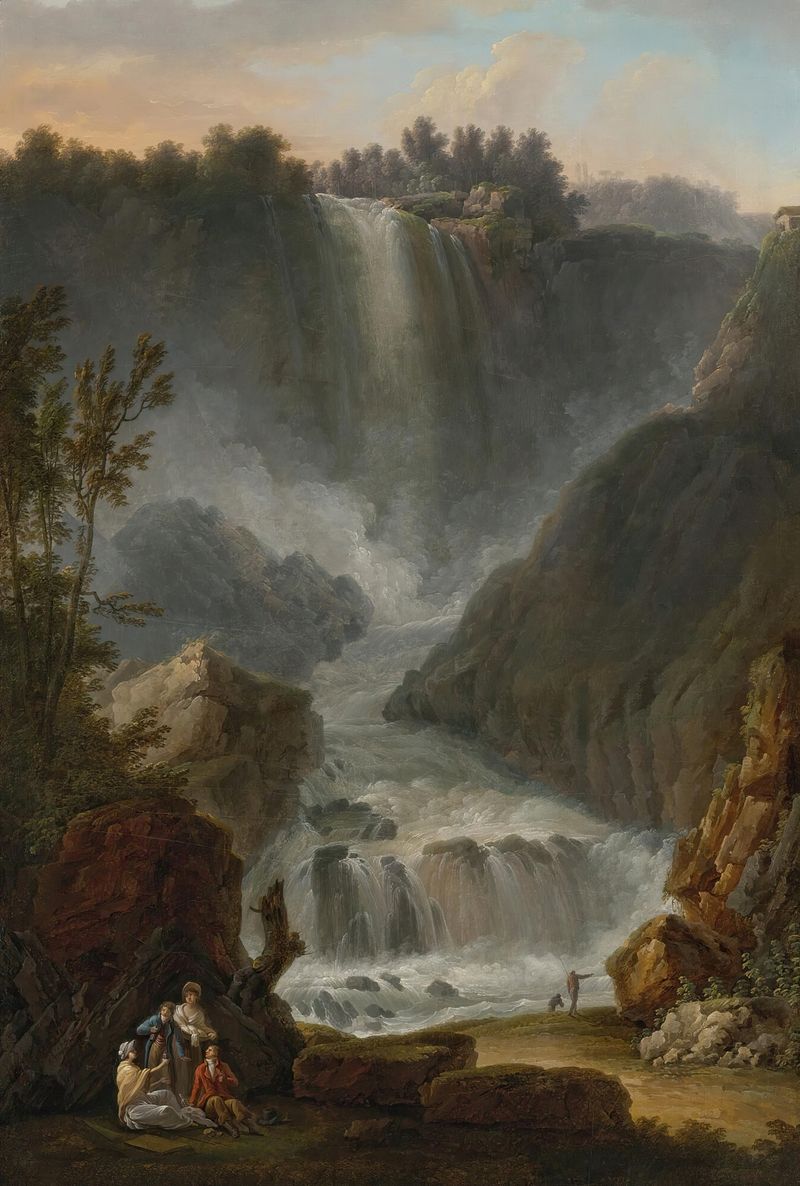
View Of The Cascade Del Marmore Near Terni
Claude-Louis Châtelet
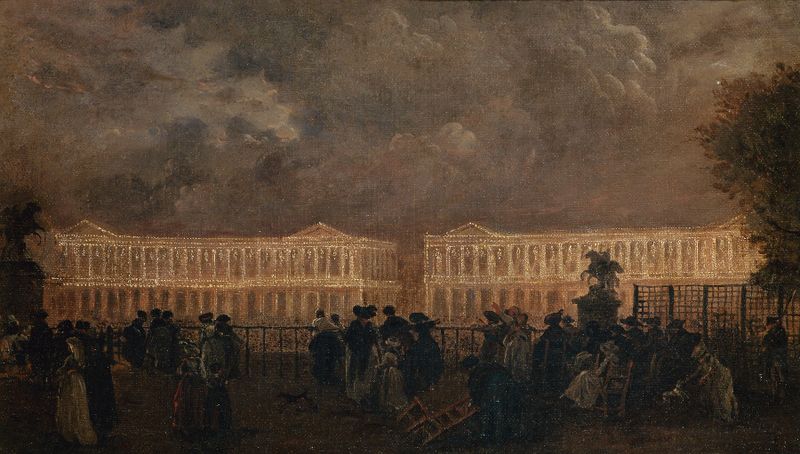
Illumination de la place Louis-XV à l’occasion de la naissance du dauphin, en octobre 1781
Claude-Louis Châtelet
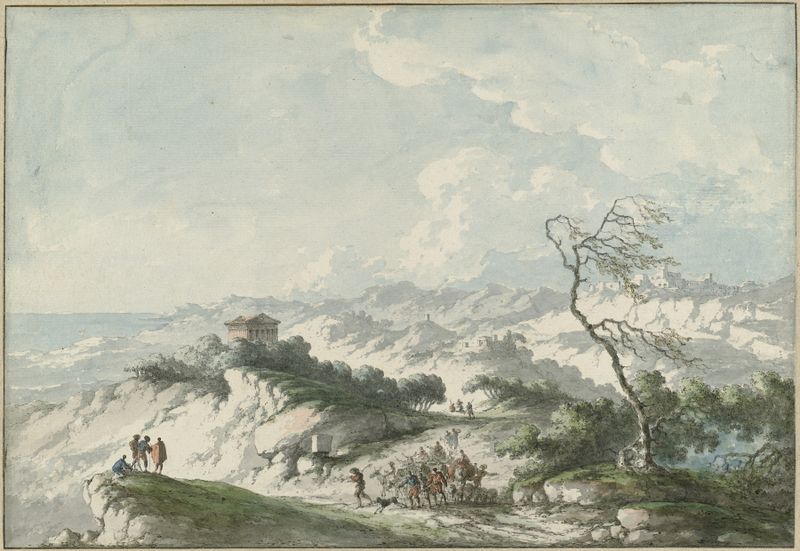
Second View of the Agrigento Countryside
Claude-Louis Châtelet
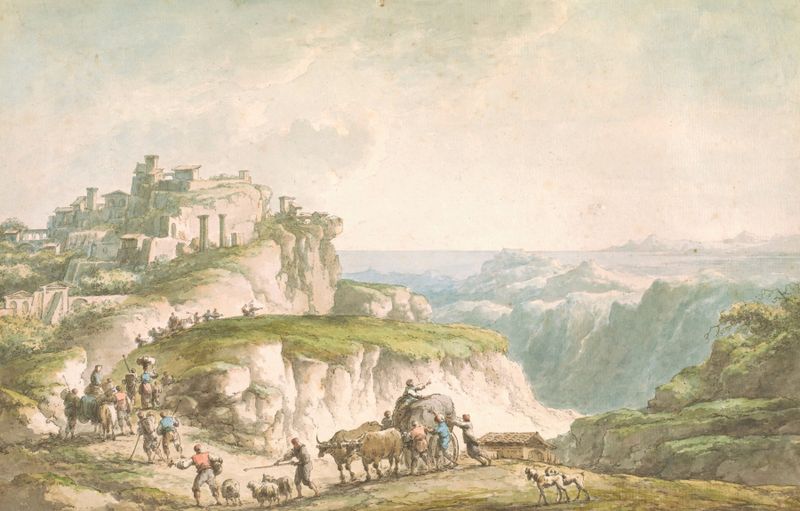
View of Catanzaro
Claude-Louis Châtelet
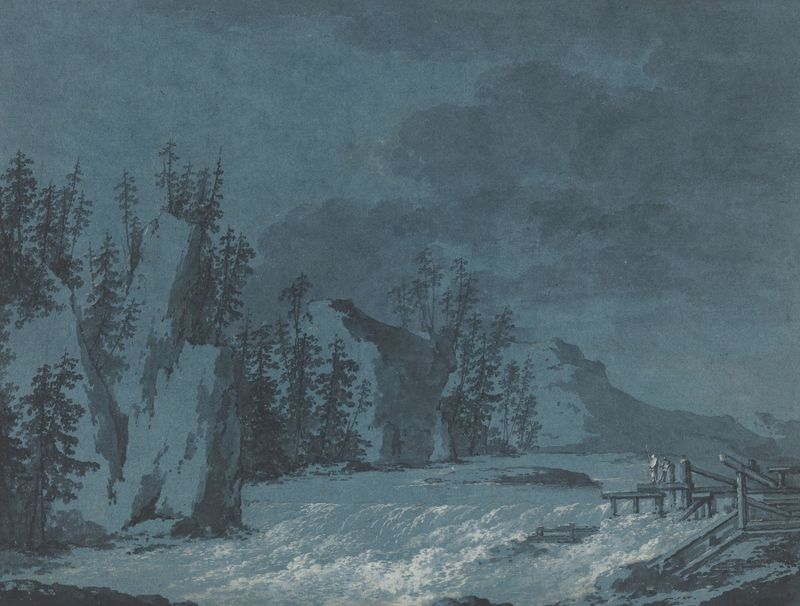
River Rapids by Wooded Cliffs
Claude-Louis Châtelet





