
Vue du Wellhorn et du Wetterhorn prise de Rosenlaui vers Meiringen dans l’Oberland bernois — History & Facts
The canvas doesn’t lie — it simply waits. In its stillness, it offers a moment of balance between nature's grandeur and human perception, inviting us to step into its serene embrace. Look to the left, where the peaks of the Wellhorn and Wetterhorn rise majestically against a soft, cerulean sky. The painter employs delicate brushstrokes to capture the rugged texture of the mountains, while the lush greenery in the foreground contrasts with the cold, imposing rock faces.
Focus on how the light dances across the canvas, illuminating certain areas and casting others into subtle shadow, creating a dynamic interplay that draws the eye naturally into the scene. As you examine the details, notice the careful composition that evokes harmony between the elements. The vibrant greens in the valley suggest life and vitality, while the towering mountains symbolize both beauty and danger. This contrast reflects the duality of existence — the peacefulness of the lower landscape juxtaposed with the mighty, untamed wilderness above.
Such balanced tension invites contemplation on man's relationship with the forces of nature. Claude-Louis Châtelet painted this evocative landscape in 1783, during a time when the Romantic movement was gaining momentum in Europe. Living in France, he was influenced by the ideals of the sublime, aiming to evoke both awe and introspection through his work. The beauty of the Oberland region served as a backdrop for his exploration of nature, expressing the human yearning for connection amidst the vastness of the world.
More Artworks by Claude-Louis Châtelet
Browse all →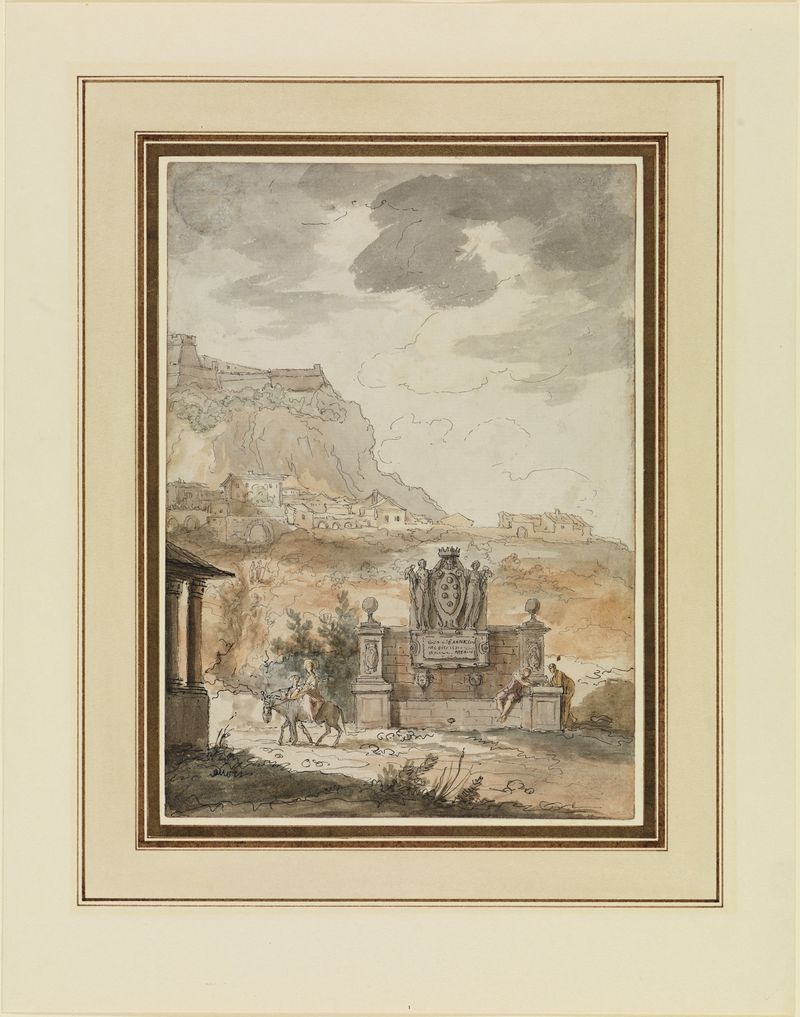
Italienische Landschaft mit Medici-Brunnen
Claude-Louis Châtelet
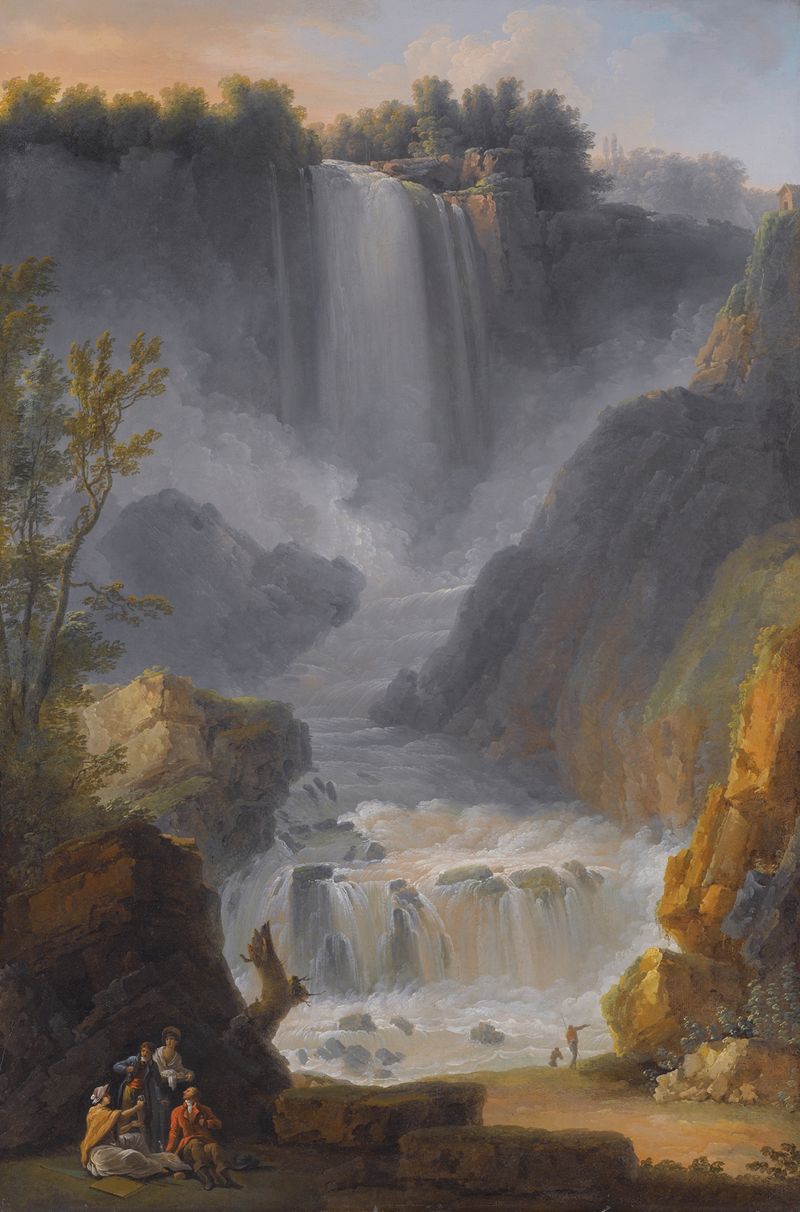
A View Of The Marmore Falls Near Terni
Claude-Louis Châtelet
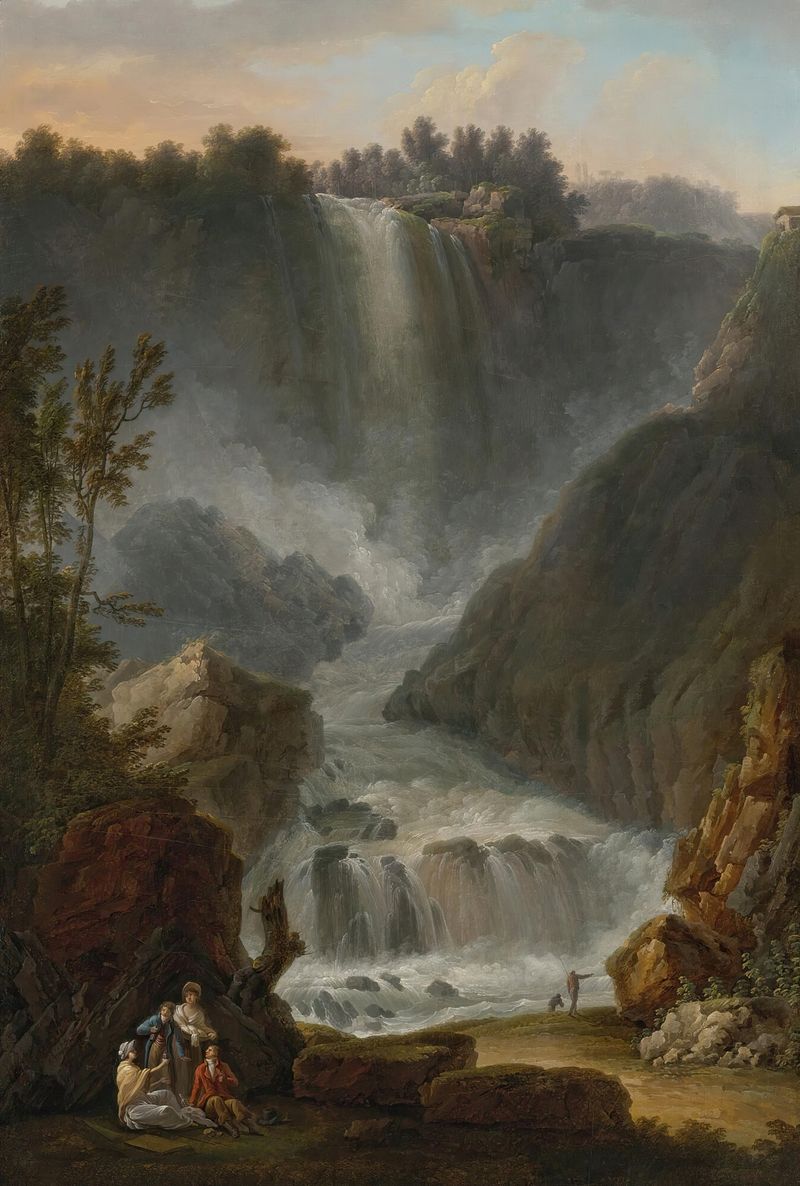
View Of The Cascade Del Marmore Near Terni
Claude-Louis Châtelet
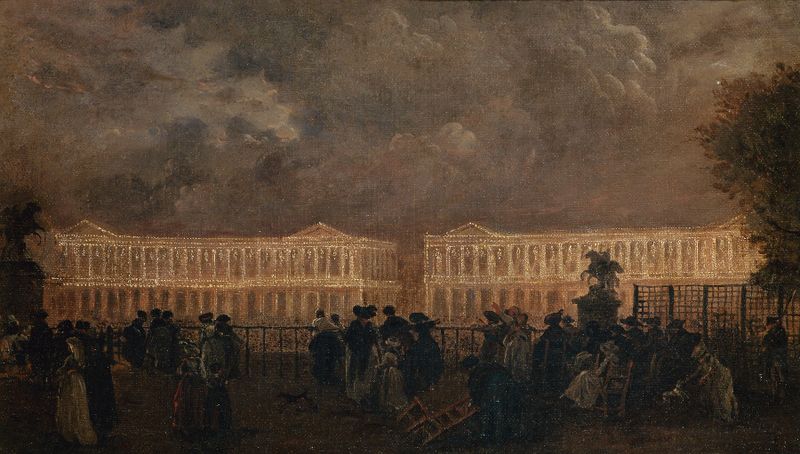
Illumination de la place Louis-XV à l’occasion de la naissance du dauphin, en octobre 1781
Claude-Louis Châtelet
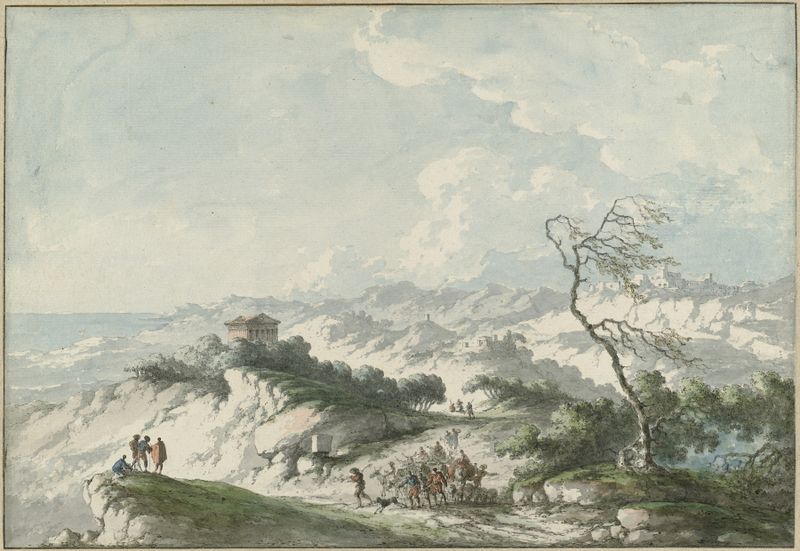
Second View of the Agrigento Countryside
Claude-Louis Châtelet
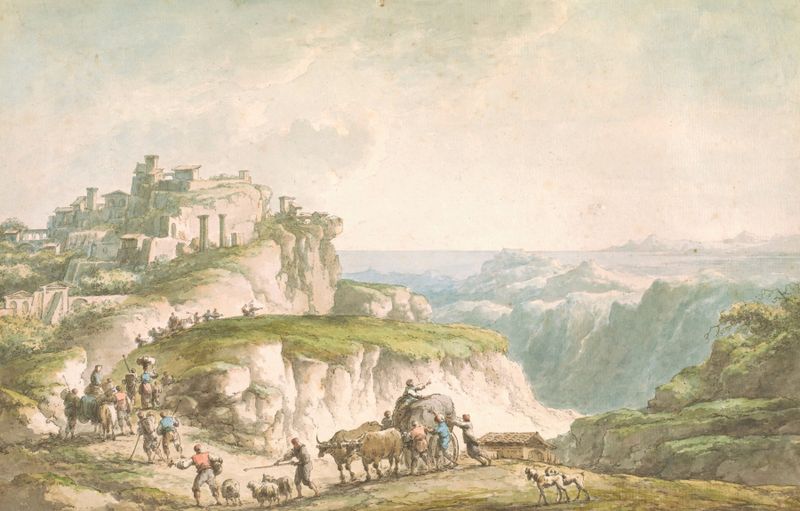
View of Catanzaro
Claude-Louis Châtelet
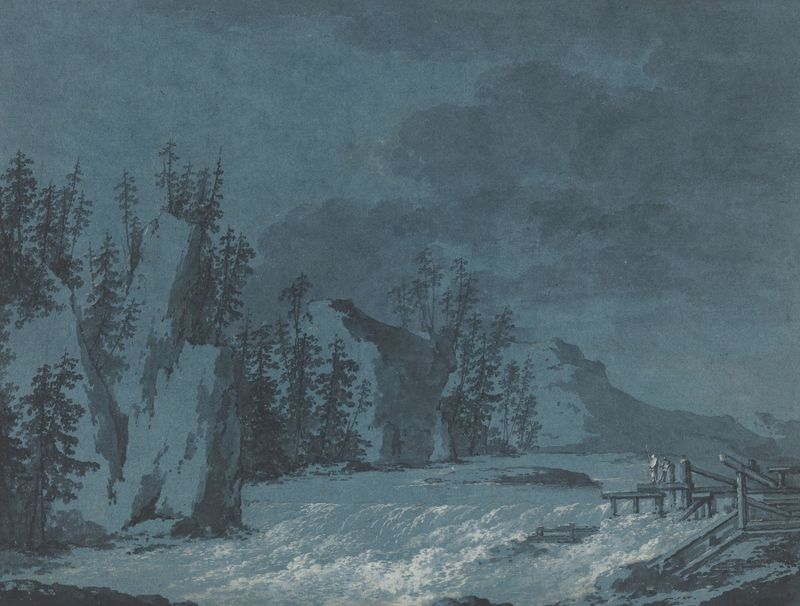
River Rapids by Wooded Cliffs
Claude-Louis Châtelet





