
View of Catanzaro — History & Facts
Did the painter know this moment would outlive them? Beneath the sun-kissed skies, a tranquil landscape unfolds, concealing the quiet dread of time’s relentless passage. Look to the horizon where gentle hills roll into the distance, painted in soft greens and browns that evoke warmth and stability. Notice how the light dapples the landscape, casting delicate shadows across the fields, while the clouds above drift lazily, their whites punctuating the serene blue. The composition leads your eye effortlessly to the quaint town nestled below, the buildings harmonizing with nature rather than competing against it.
Each stroke conveys a sense of peace, yet the meticulous details hint at an underlying tension, as though the stillness is merely a prelude to change. Delve deeper into the scene, and you’ll uncover a juxtaposition of beauty and fear. The idyllic setting belies the social and political unrest simmering in Italy during the late 18th century, a time when revolution was on the horizon. The serene landscape masks the uncertainty of the future, echoing the fragility of such moments.
The absence of figures suggests isolation, serving as a poignant reminder that even the most tranquil scenes can harbor a sense of impending transformation. Claude-Louis Châtelet created View of Catanzaro around 1780, during a period of artistic evolution where neoclassicism was gaining prominence. Living in France amidst the Enlightenment, he was influenced by the changing tides of society and art. This painting reflects both the beauty of the Italian landscape and the artist’s own contemplations on mortality and the passage of time, capturing a fleeting moment forever ensconced within its frame.
More Artworks by Claude-Louis Châtelet
Browse all →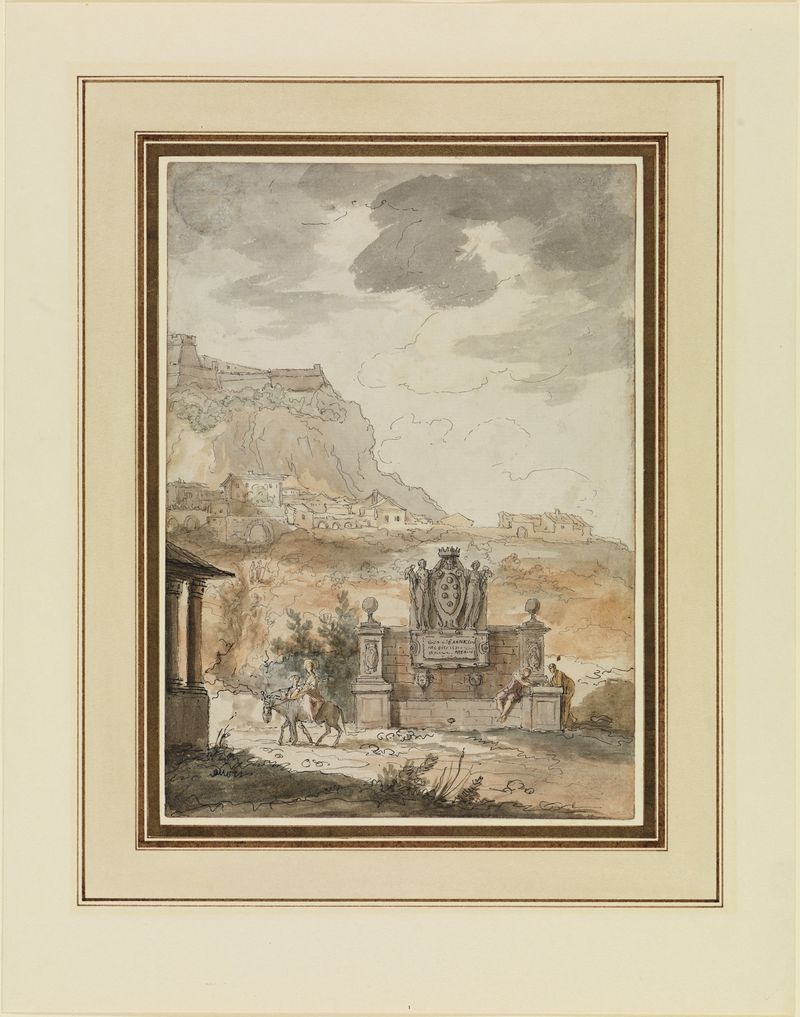
Italienische Landschaft mit Medici-Brunnen
Claude-Louis Châtelet
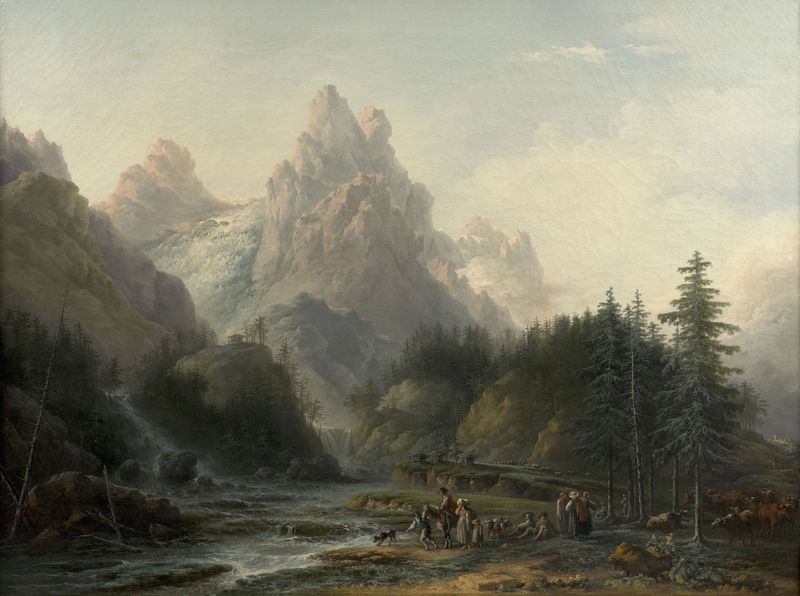
Vue du Wellhorn et du Wetterhorn prise de Rosenlaui vers Meiringen dans l’Oberland bernois
Claude-Louis Châtelet
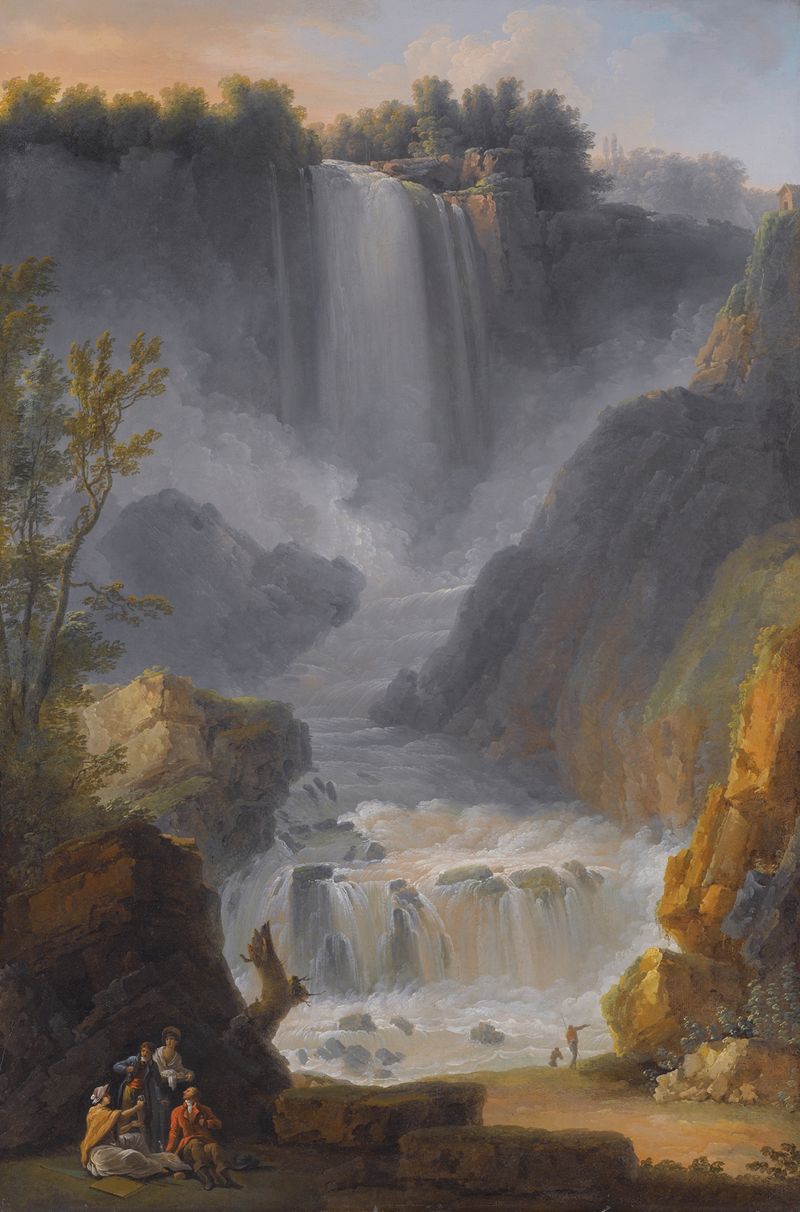
A View Of The Marmore Falls Near Terni
Claude-Louis Châtelet
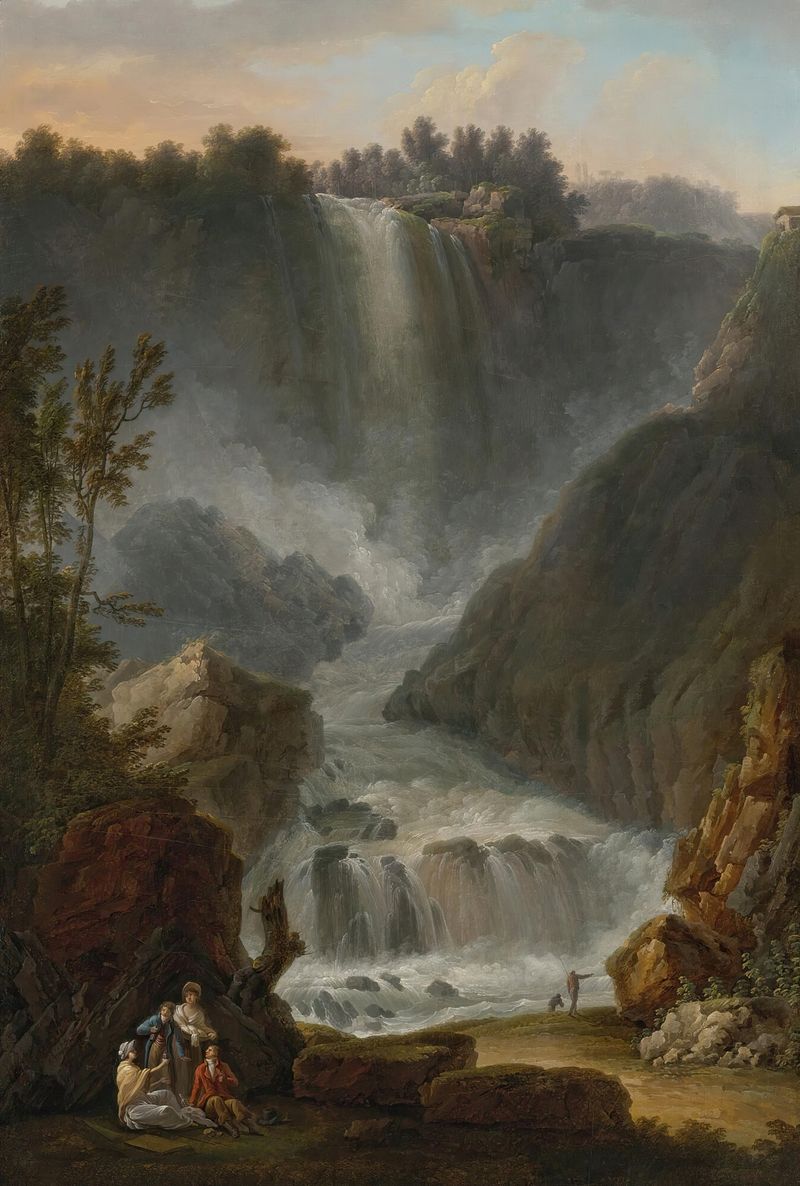
View Of The Cascade Del Marmore Near Terni
Claude-Louis Châtelet
Illumination de la place Louis-XV à l’occasion de la naissance du dauphin, en octobre 1781
Claude-Louis Châtelet
Second View of the Agrigento Countryside
Claude-Louis Châtelet
River Rapids by Wooded Cliffs
Claude-Louis Châtelet





