
Italienische Landschaft mit Medici-Brunnen — History & Facts
In a fleeting moment of beauty, we find fragility entwined with the resilience of nature. Look to the foreground, where the Medici Fountain emerges amidst lush greenery. The delicate interplay of light and shadows captures the gentle glimmer of sunlight cascading over the water, inviting your gaze to linger on the intricate stonework. Notice how the artist’s brushstrokes breathe life into the landscape, creating a sense of depth that draws you into a serene oasis of tranquility. Yet beyond the picturesque scene lies a tension between permanence and transience.
The water, flowing yet still, symbolizes the passage of time, while the verdant foliage vibrantly encapsulates vitality. Each leaf and ripple whisper stories of nature's fleeting moments, reinforcing the delicate balance we navigate in life. The juxtaposition of the sturdy fountain against the ephemeral beauty of the surrounding flora speaks to the fragility of our existence. Châtelet painted this work during a period marked by the Romantic movement's exploration of nature and emotion.
While its precise date remains unknown, the artist's focus on idyllic landscapes and classical themes reflects the broader dialogue in early 19th-century art. As Europe grappled with industrialization, he sought solace in the beauty of untouched nature, capturing the essence of a world yearning for connection amidst societal change.
More Artworks by Claude-Louis Châtelet
Browse all →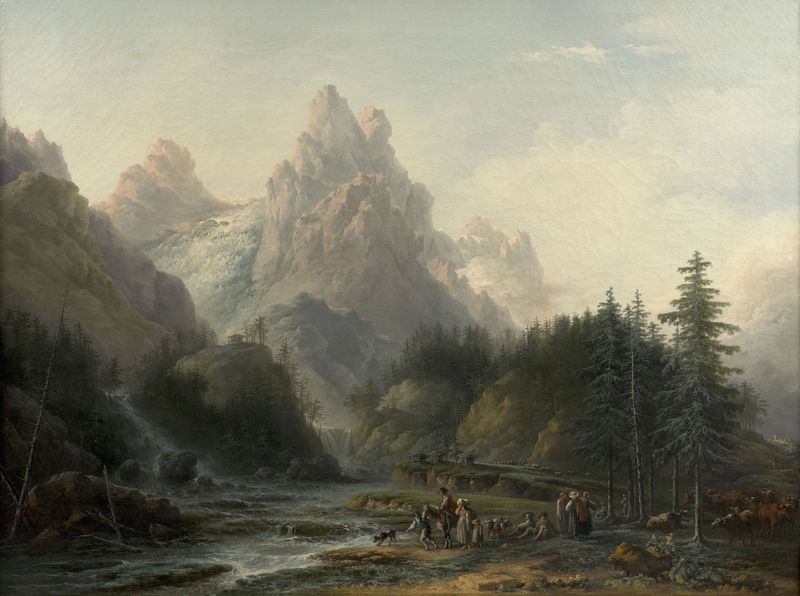
Vue du Wellhorn et du Wetterhorn prise de Rosenlaui vers Meiringen dans l’Oberland bernois
Claude-Louis Châtelet
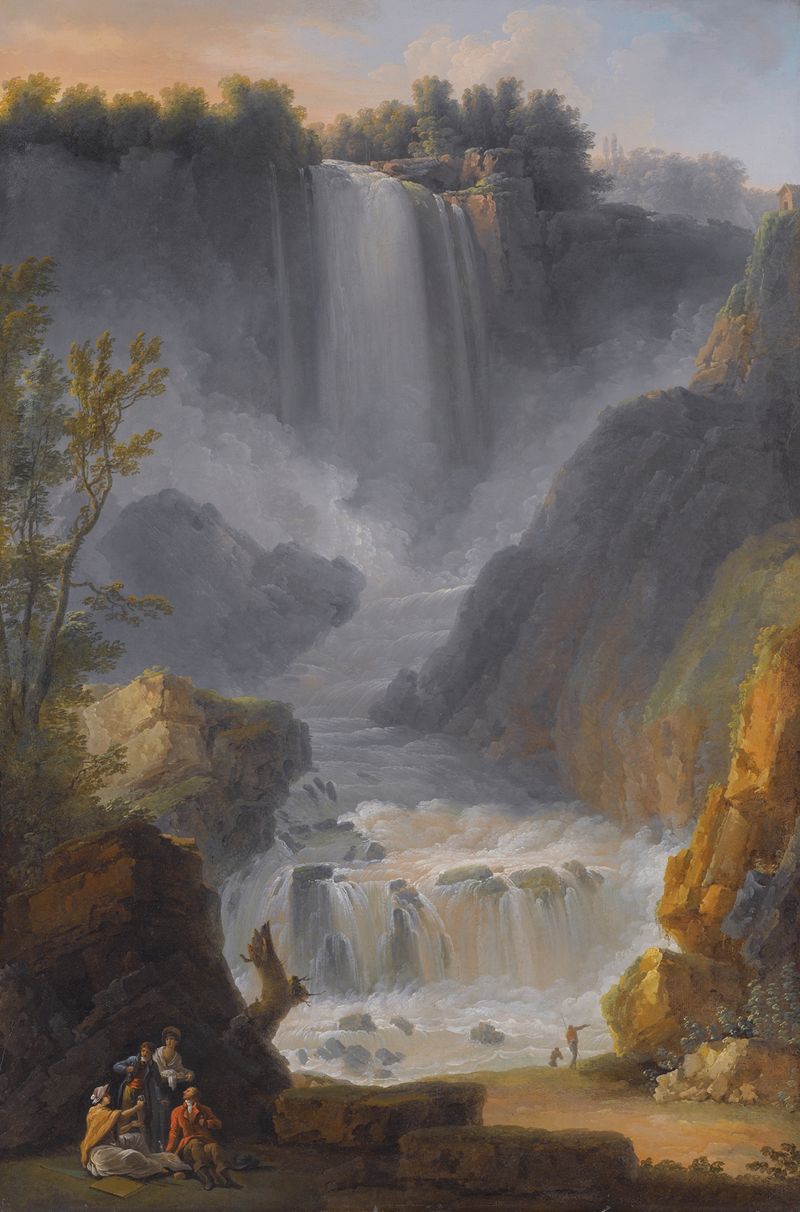
A View Of The Marmore Falls Near Terni
Claude-Louis Châtelet
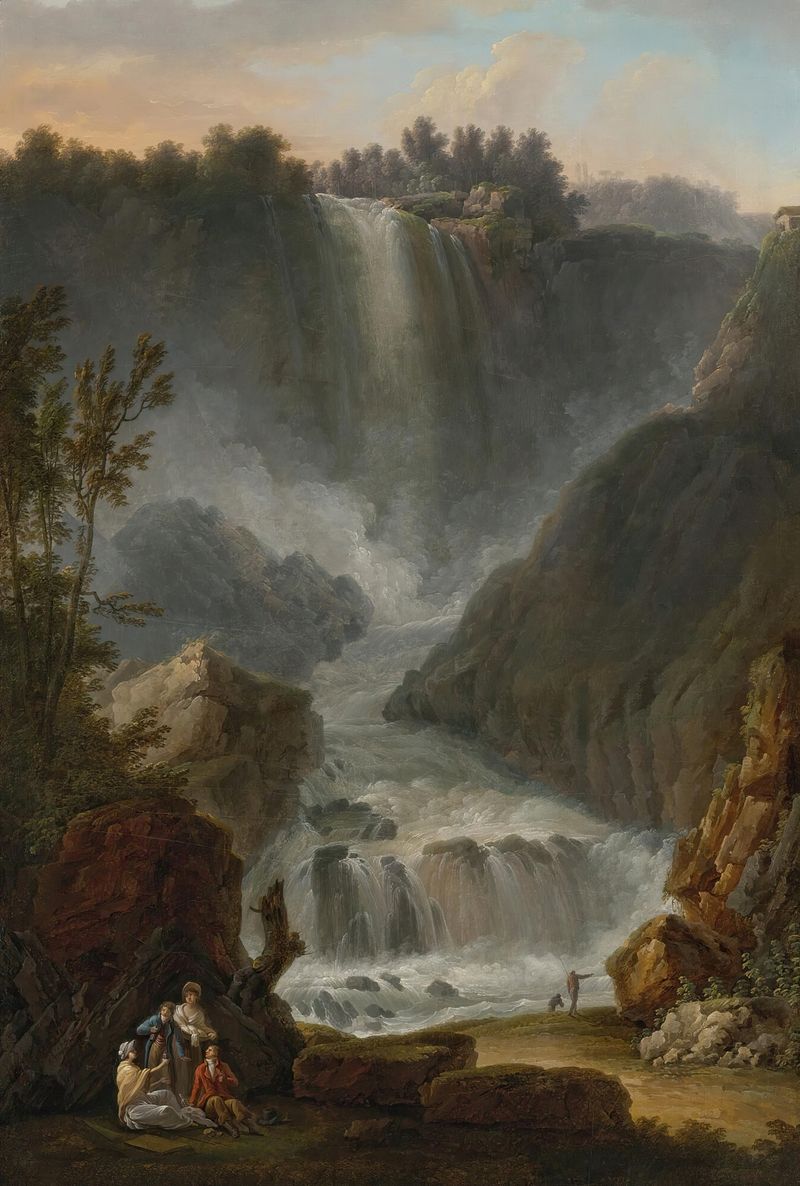
View Of The Cascade Del Marmore Near Terni
Claude-Louis Châtelet
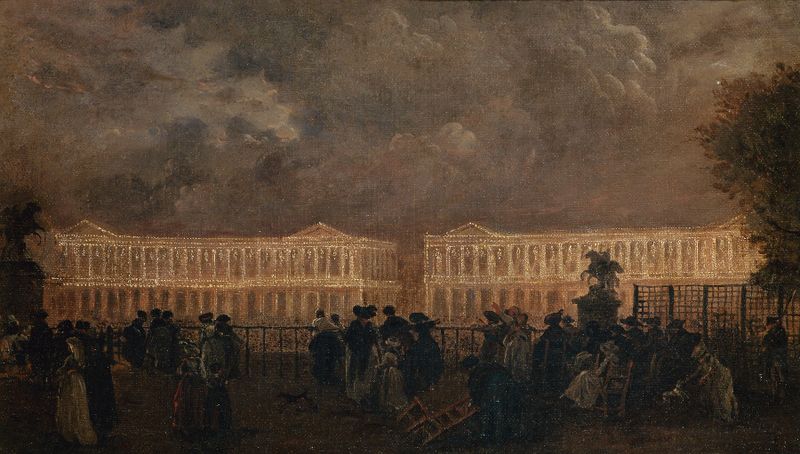
Illumination de la place Louis-XV à l’occasion de la naissance du dauphin, en octobre 1781
Claude-Louis Châtelet
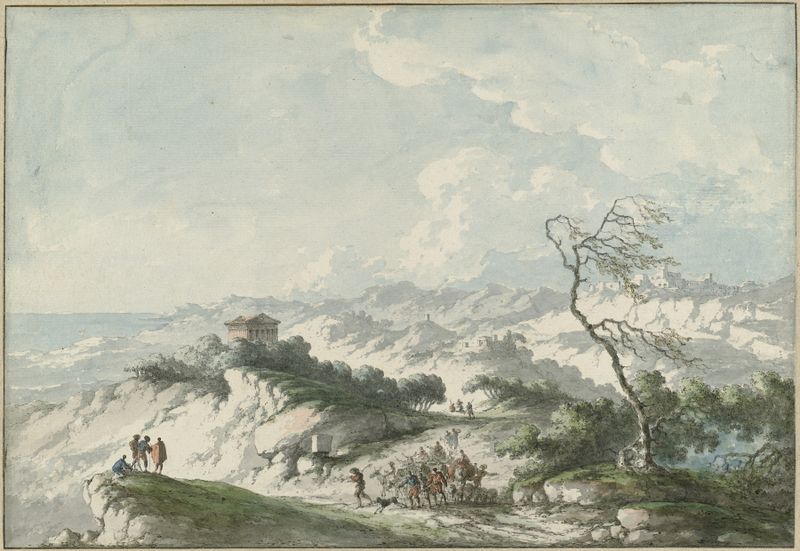
Second View of the Agrigento Countryside
Claude-Louis Châtelet
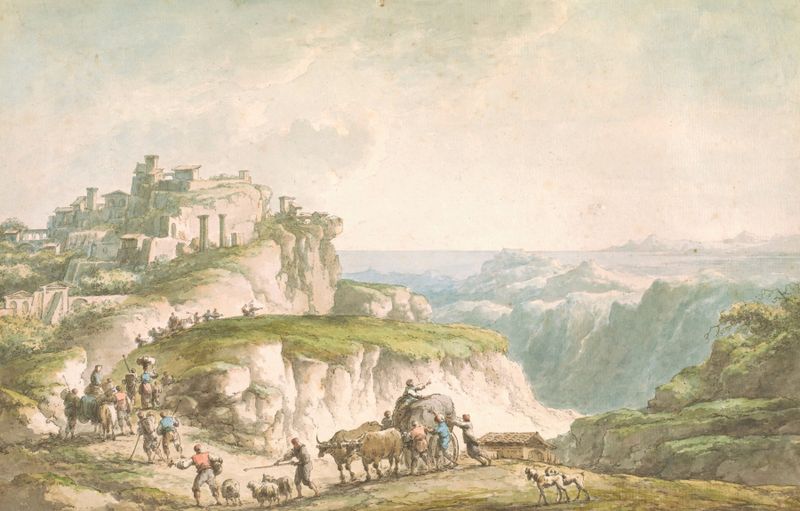
View of Catanzaro
Claude-Louis Châtelet
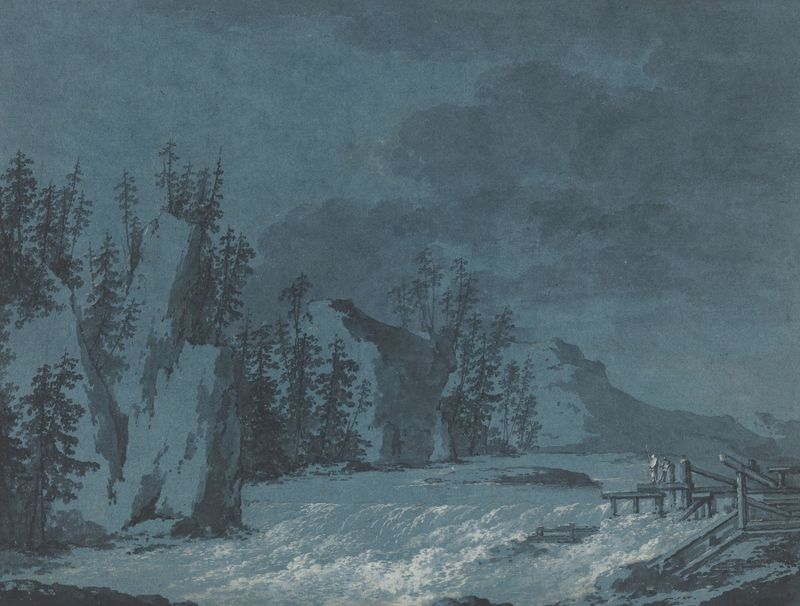
River Rapids by Wooded Cliffs
Claude-Louis Châtelet





