
View Of The Cascade Del Marmore Near Terni — History & Facts
When did color learn to lie? In the vibrant interplay of hues, one can question the very essence of reality and perception that art encapsulates. The world unfolds before us, a visceral creation that captures both the beauty and the illusion of nature. Focus on the sweeping embrace of the cascading waterfall, where the light dances across the surface, inviting your gaze to venture deeper. Notice how the frothy whites of the water contrast with the lush greens of the surrounding foliage, each brushstroke inviting a sense of movement that hints at the relentless flow of time.
The artist’s choice of a panoramic view showcases not only the majesty of the scene but also draws attention to the delicate balance between the serene landscape and the powerful force of the water. Beyond its picturesque appeal, the painting whispers of the eternal cycle of creation and destruction, a reminder of nature's duality. The gentle curves of the hills juxtapose with the sharp descent of the waterfall, embodying the tension between stability and chaos. The interplay of light and shadow evokes a reflective mood, urging viewers to contemplate not just the scene depicted but the broader philosophical questions of existence and perception. Châtelet painted this work during the late 18th century, a time of burgeoning Romanticism in art, where nature began to be celebrated for its emotional resonance.
Working in France, he was influenced by the shift toward landscape appreciation, as artists sought to capture the sublime beauty of the natural world. Amidst these artistic currents, this piece stands as a testament to the spirit of exploration and creation that defined the era.
More Artworks by Claude-Louis Châtelet
Browse all →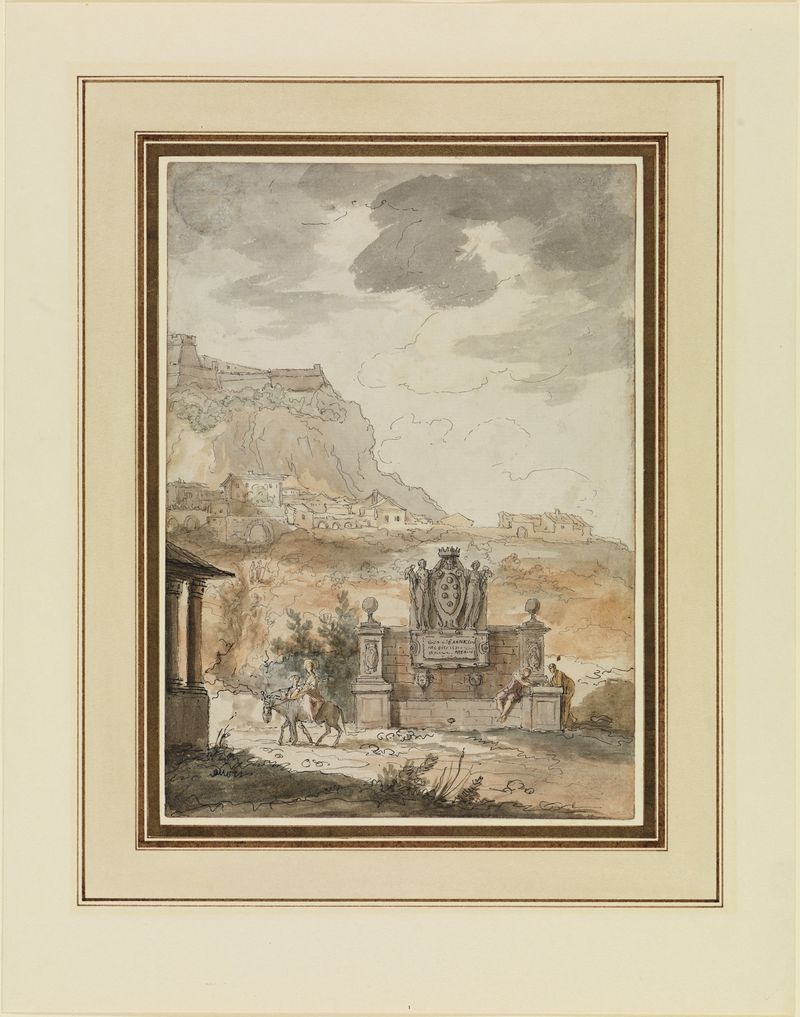
Italienische Landschaft mit Medici-Brunnen
Claude-Louis Châtelet
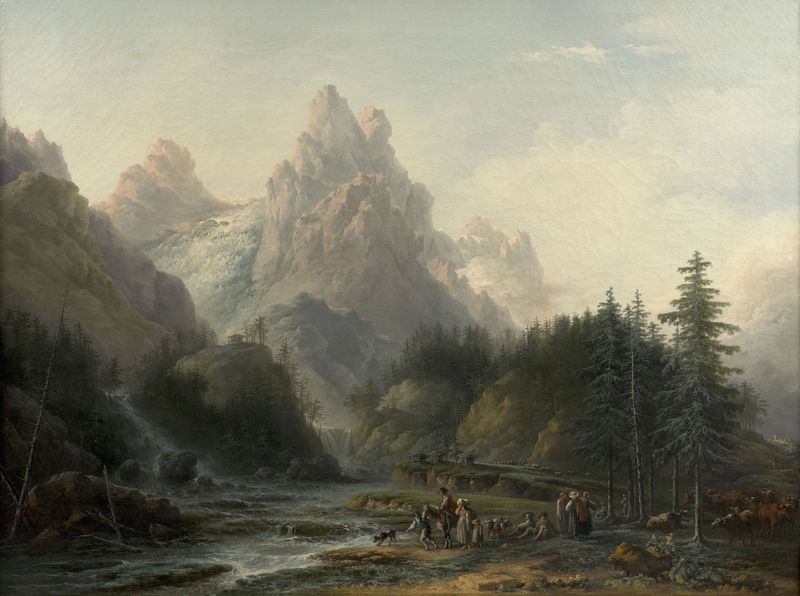
Vue du Wellhorn et du Wetterhorn prise de Rosenlaui vers Meiringen dans l’Oberland bernois
Claude-Louis Châtelet
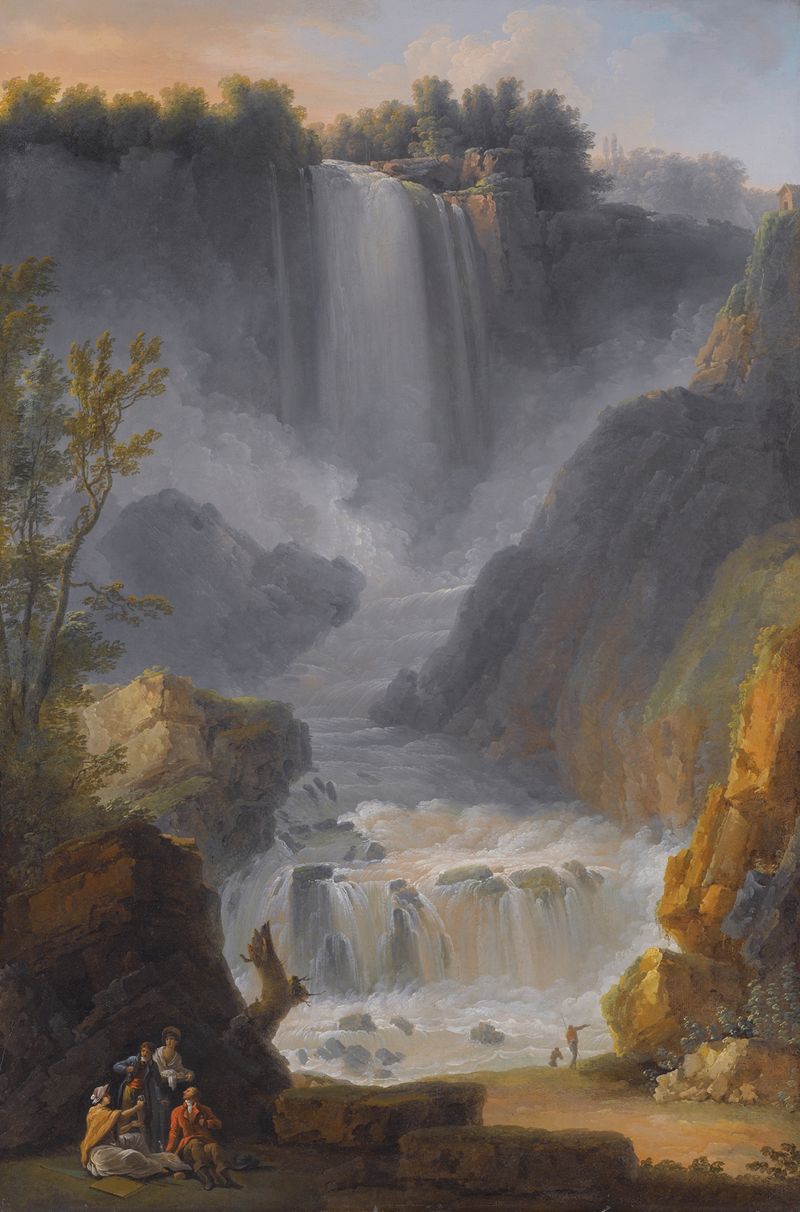
A View Of The Marmore Falls Near Terni
Claude-Louis Châtelet
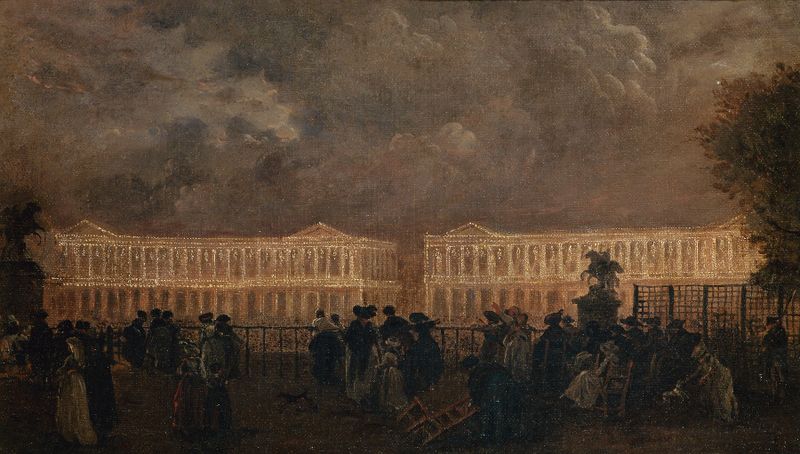
Illumination de la place Louis-XV à l’occasion de la naissance du dauphin, en octobre 1781
Claude-Louis Châtelet
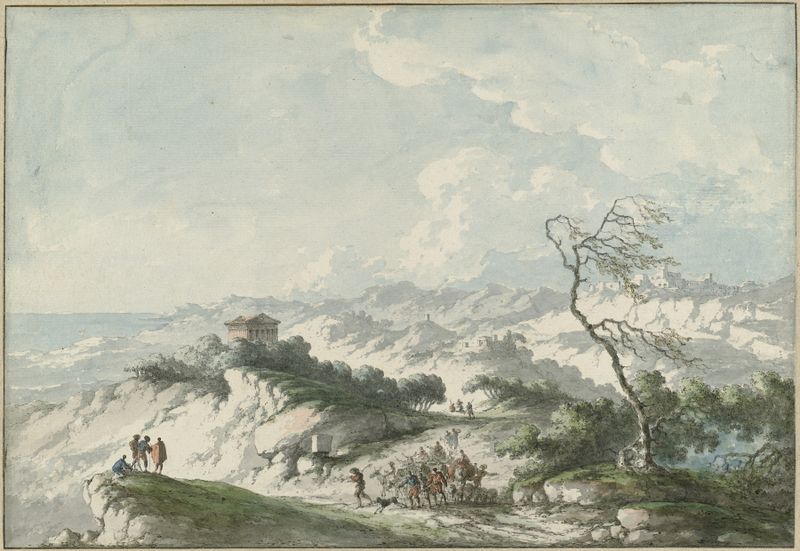
Second View of the Agrigento Countryside
Claude-Louis Châtelet
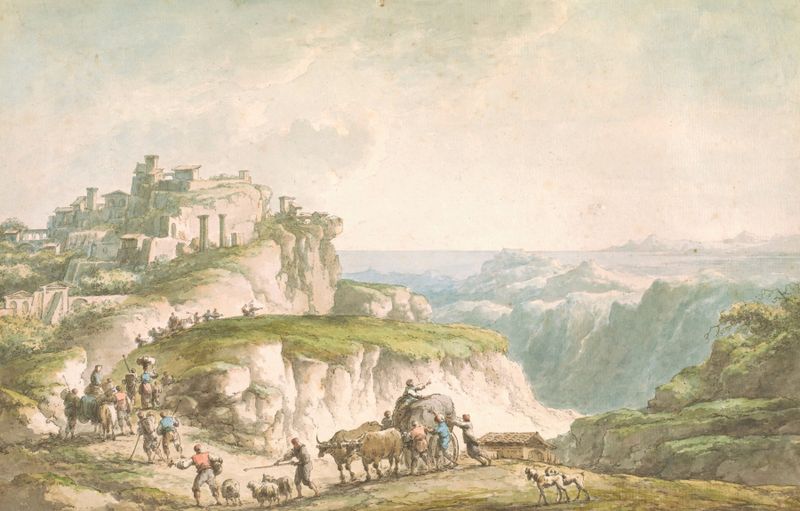
View of Catanzaro
Claude-Louis Châtelet
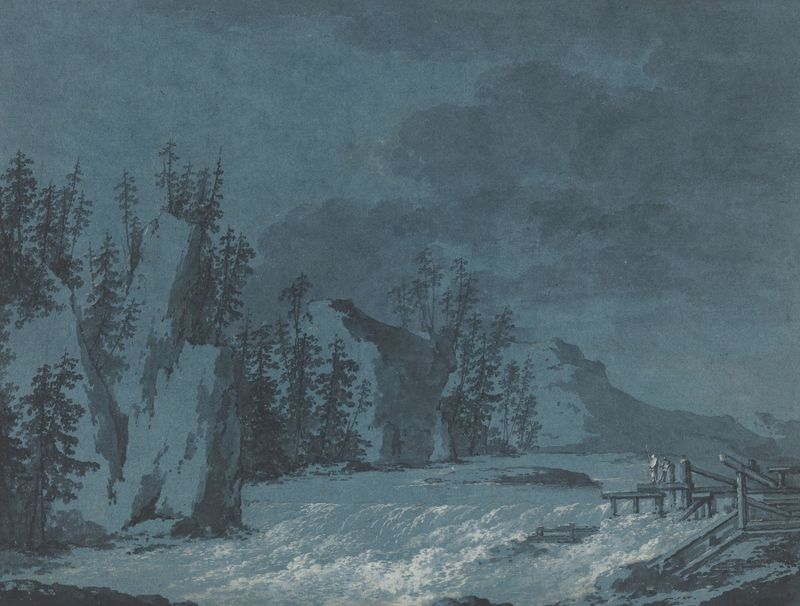
River Rapids by Wooded Cliffs
Claude-Louis Châtelet





