
A Village Idyll — History & Facts
Can paint confess what words never could? In Josef Höger's A Village Idyll, a symphony of hope unfolds, inviting viewers to immerse themselves in a world where tranquility reigns and beauty flourishes amidst simplicity. Focus on the gentle curve of the landscape that beckons you toward the heart of the village. Notice how the warm sunlight caresses the golden fields, casting playful shadows that dance with life. Look to the left at the clusters of houses, their earthy tones harmonizing with the verdant surroundings, suggesting a unity with nature that feels almost sacred.
The painter's brushstrokes are soft yet deliberate, creating a serene atmosphere that resonates with comfort and belonging. Beneath the idyllic surface lies a deeper narrative of resilience and harmony. The villagers, though absent, seem to linger in the air; their presence is felt in the careful arrangement of domestic life and wheat swaying at the edges. This choice of composition hints at the interconnectedness of humanity and the environment, instilling a sense of shared hope and the promise of continuity.
The contrast of the vibrant colors against the more muted background evokes a sense of nostalgia and longing for simpler, joyful times. Created in an unspecified year in the 20th century, Höger's piece reflects a period marked by both upheaval and a yearning for peace. Living in Europe during tumultuous times, he sought solace in capturing moments of everyday life that conveyed warmth and security. As the art world was evolving with new movements, his dedication to the beauty of the ordinary carved a niche that resonated deeply with viewers seeking comfort and inspiration.
More Artworks by Josef Höger
Browse all →
The Lauterbrunnen valley with Jungfrau
Josef Höger

A view of Bad Aussee
Josef Höger

Ländliche Idylle
Josef Höger
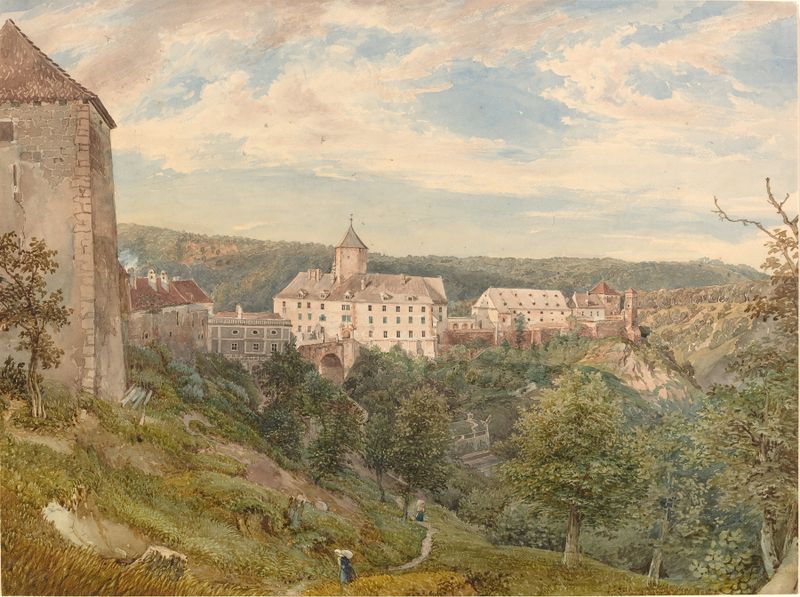
Eichhorn Castle at Evening
Josef Höger

Blick auf Gmunden
Josef Höger
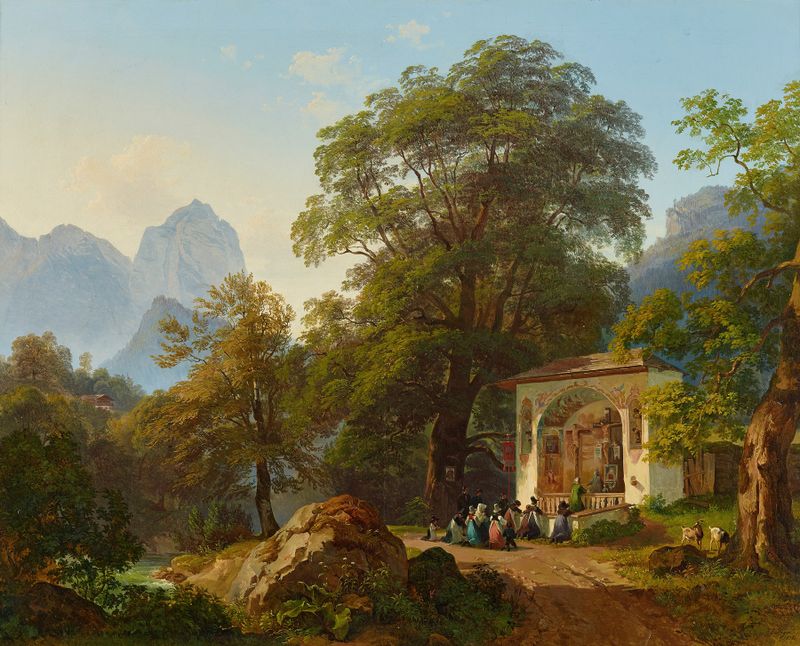
Waldkapelle
Josef Höger

Venice
Josef Höger

Waldinneres bei Lundenburg
Josef Höger

Landscape with Thatched Farmhouses and decorative figures
Josef Höger
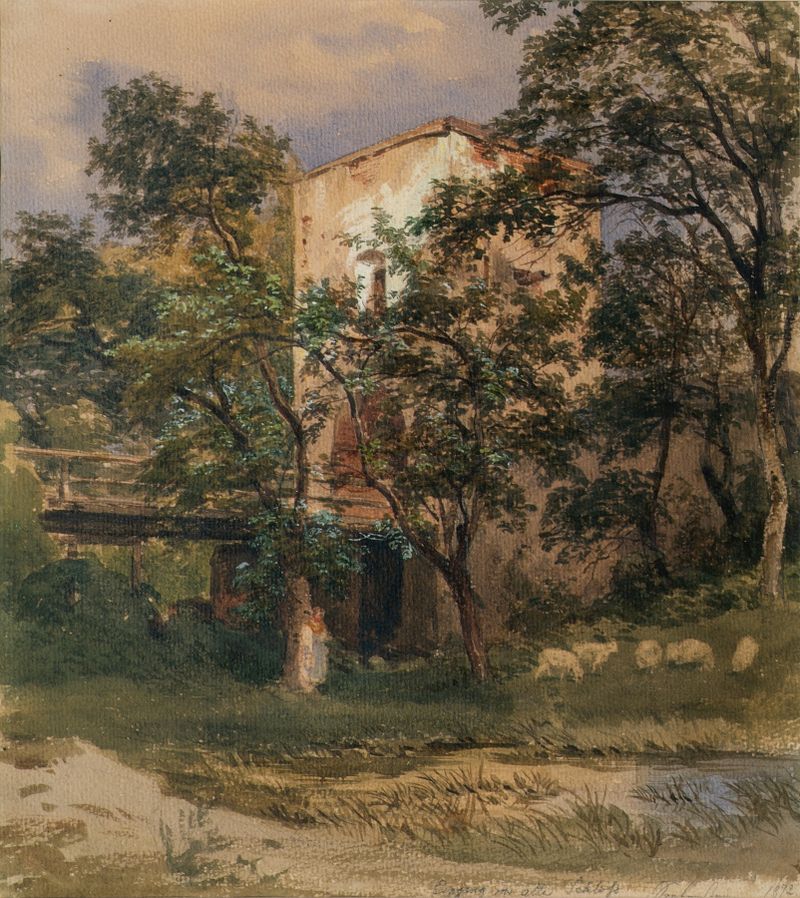
Eingang zum Schloss Seebenstein
Josef Höger





