A Village in Normandy — History & Facts
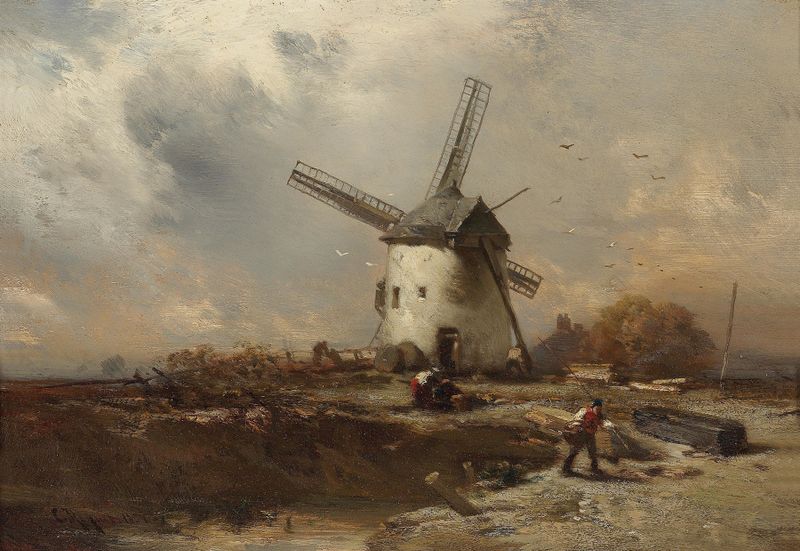
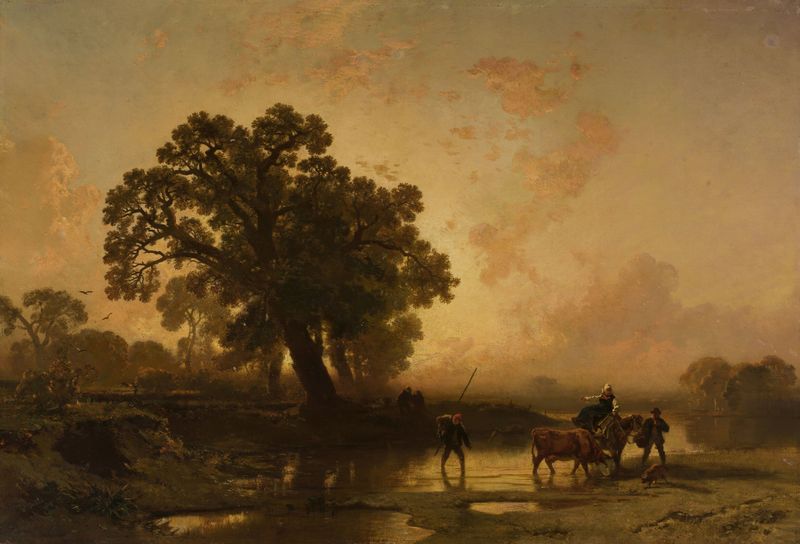
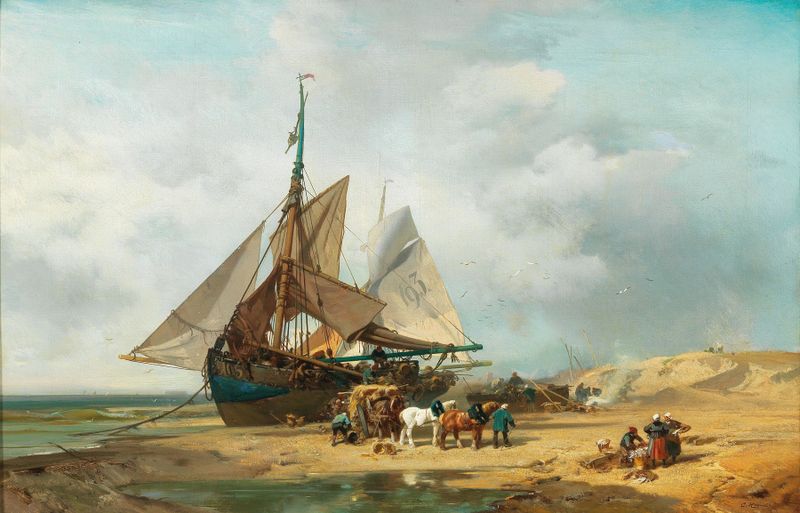
In the strokes of a skilled hand, the turbulent energy of life is transformed into a serene tableau, inviting contemplation and wonder. Look to the foreground to see the vivid greens of the fields, their chaotic patterns harmonized by the gentle brushwork that suggests both movement and stillness. The sky, a swirling spectacle of blues and whites, looms overhead, hinting at the chaos of weather that can spend a day in flux. Focus on the quaint village nestled in the distance, where the clustered rooftops emerge from the landscape like islands of calm amidst the vibrant chaos of nature. In this painting, the contrast between the dynamic sky and the tranquil village speaks to the duality of existence — the unpredictable chaos of nature juxtaposed with the stability of human life.
The artist’s choice of color amplifies these contrasts; the warm earth tones of the village create a grounding presence against the cooler, more tumultuous hues of the sky. Small details, like a solitary figure or the flutter of leaves, draw the viewer deeper, revealing an interconnectedness between humanity and the unpredictable world that surrounds it. Charles Hoguet created this work during an era when Impressionism was evolving in France, yet the specific date remains uncertain. He was likely influenced by the local landscapes of Normandy, capturing the essence of rural life while expressing a modern sensibility.
This painting reflects a time when artists were beginning to shift their gaze from historical or religious scenes to the everyday beauty found in simple village life, encapsulating the charm that would soon resonate throughout the art world.