
A Village Landscape In Winter With The Massacre Of The Innocents — History & Facts
When did color learn to lie? In the quietude of winter, a vibrant dance unfolds, one that intricately intertwines beauty with tragedy, inviting us to reflect on the duality of existence. Focus on the left side of the canvas, where delicate snowflakes comfort the slumbering earth, cloaking the village in a soft white embrace. Notice the warm hues of the buildings, quaint and inviting, contrasting against the stark coldness around them. As your gaze moves across the landscape, you’ll find the figures engaged in their daily activities, oblivious to the darker narrative looming just beyond the canvas's cheerful facade. Yet, it is in the details that deeper meanings emerge.
The vibrant blue sky, often a harbinger of peace, feels almost mocking as it casts its light on the innocence below, juxtaposing joy with an undercurrent of foreboding. The movement of the villagers, lively yet unaware, serves as a chilling reminder of how easily life's vibrancy can mask underlying despair. Each brushstroke carries the weight of history, evoking a haunting awareness of the past that invariably shadows the innocence depicted. Created in 1612, during a time when Europe was engulfed in religious and political turmoil, the artist painted this scene amidst an evolving artistic landscape.
Grimmer was influenced by the Northern Renaissance, which embraced detailed realism and intricate narrative elements. The blending of idyllic settings with darker themes reflects the complexities of his world, as art began to grapple with the moral and social issues of the day.
More Artworks by Abel Grimmer
Browse all →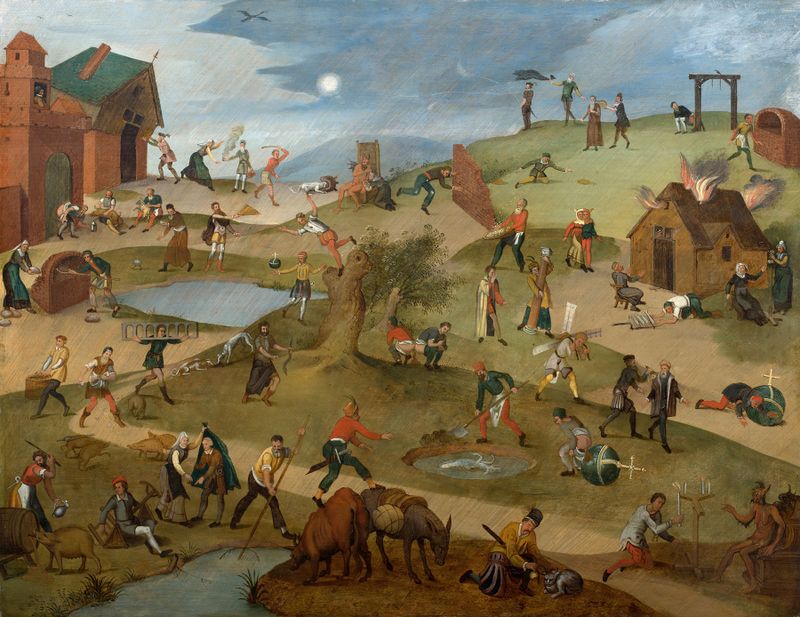
Flemish proverbs
Abel Grimmer

De Zomer
Abel Grimmer
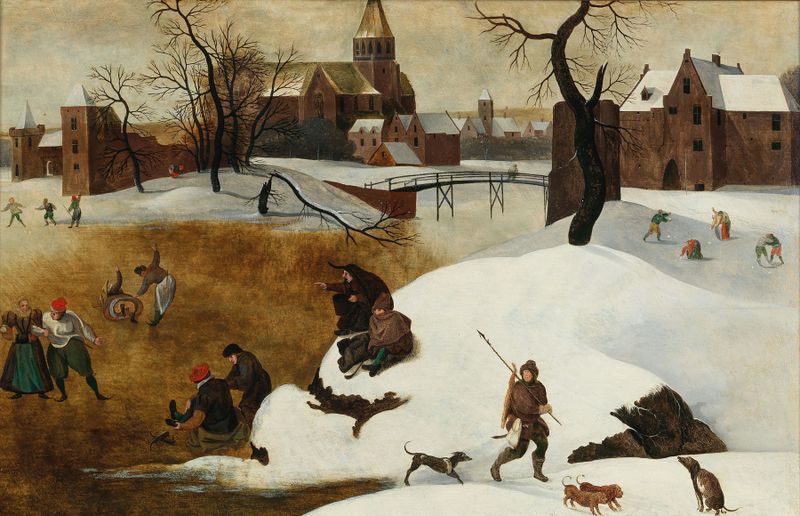
winter landscape with skaters
Abel Grimmer
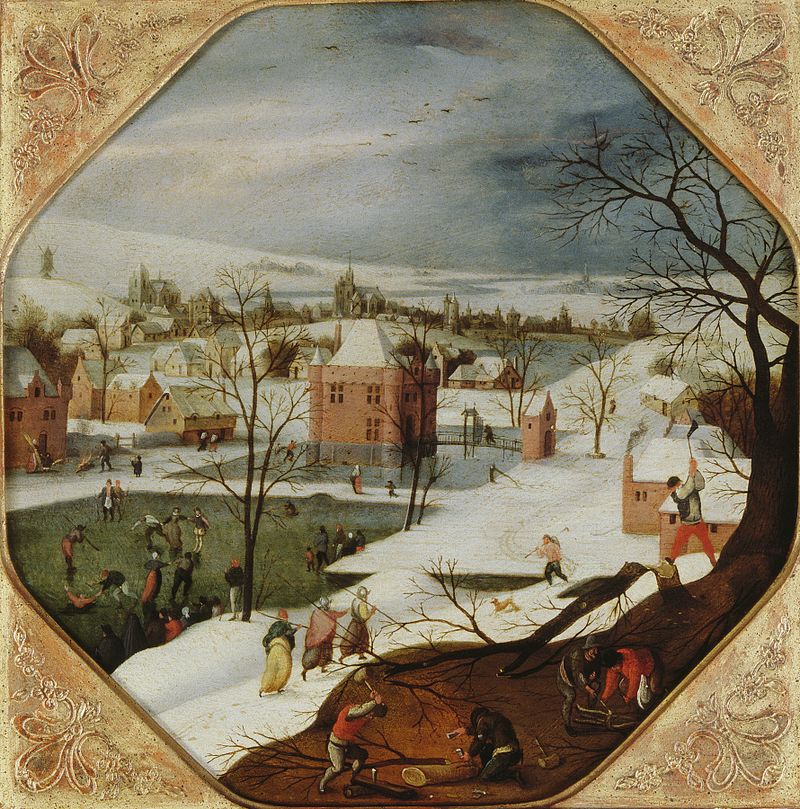
De Winter
Abel Grimmer

September – The Parable of the Barren Fig Tree
Abel Grimmer
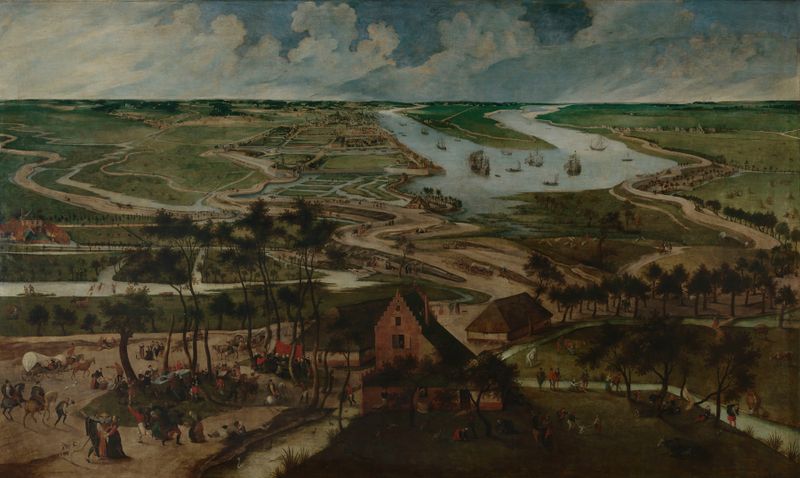
The Eel Huts in the Antwerp Polder outside the Lillo or Slijk Gate
Abel Grimmer
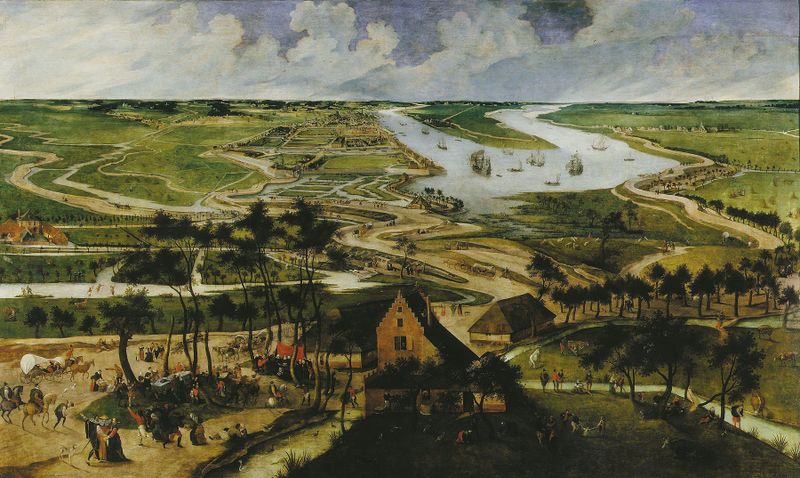
De Antwerpse polder en de Palinghuizen buiten de Slijk- of Lillopoort
Abel Grimmer
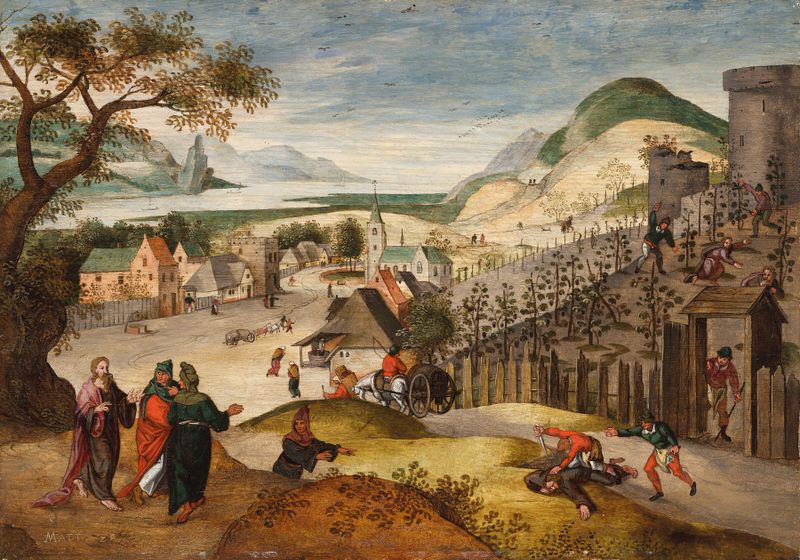
October – The Parable of the Vineyard
Abel Grimmer
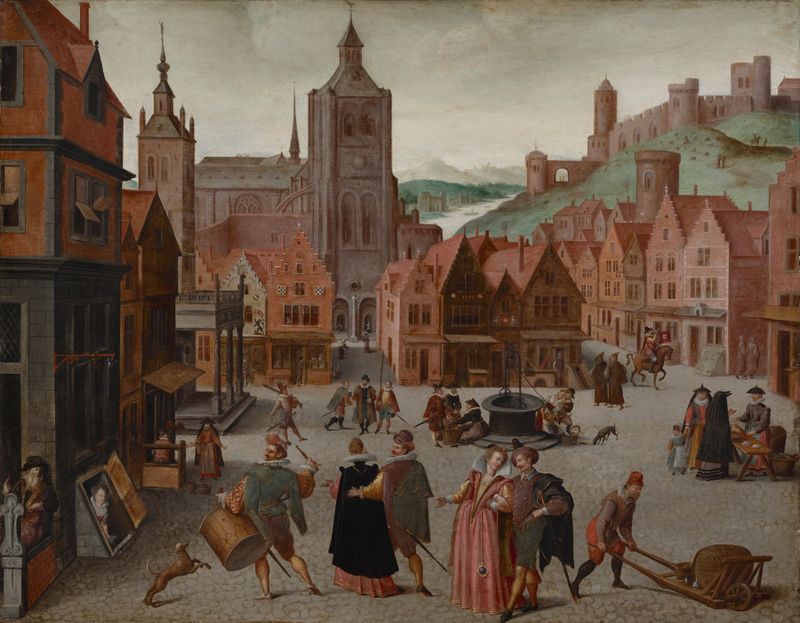
The Marketplace in Bergen op Zoom
Abel Grimmer
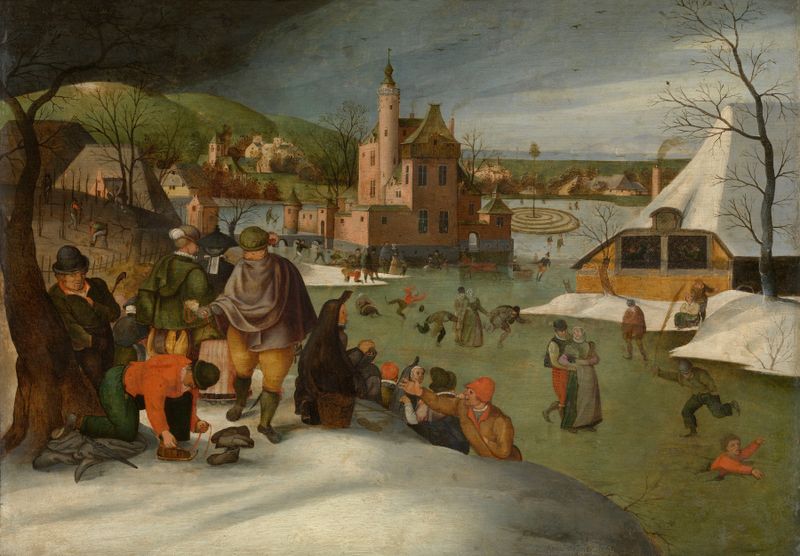
Winter
Abel Grimmer





