
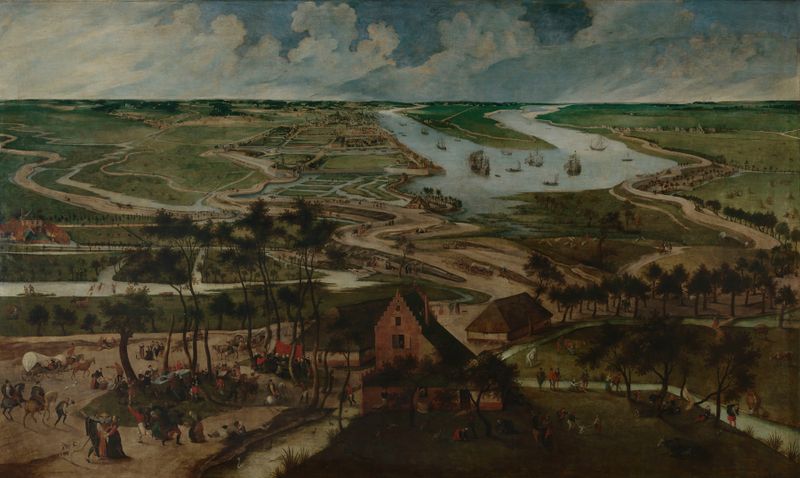
De Antwerpse polder en de Palinghuizen buiten de Slijk- of Lillopoort — History & Facts
In the stillness of a moment, the heart of yearning beats beneath the surface, whispering the stories of those who inhabit its landscapes. Each brushstroke carries the weight of a longing that transcends time, echoing the desire for connection to both place and memory. Look closely at the gentle undulations of the rolling fields to the right, where verdant hues merge seamlessly with the serene ripples of water. The artist's meticulous attention to detail draws your eye to the thatched-roof houses, nestled like secrets among the lush greenery.
Notice how the soft light bathes the scene, casting elongated shadows that hint at the passage of time, while the heavens above unfold in a tranquil dance of blues and soft grays, inviting reflection. Delve deeper into this tranquil vista, and you’ll find contrasts that speak volumes. The vibrant life of the polder juxtaposes the calm of the reflecting water, representing the harmony of nature and human existence. Birds in flight suggest freedom, yet their presence also evokes a sense of fleeting moments, reminders of both the beauty and the temporality of life.
The houses, sturdy yet humble, stand as guardians of unspoken stories, tethering the viewer to a shared human experience rooted in longing and nostalgia. Created in 1604, this work emerged from the hand of Abel Grimmer during a time when Northern Europe was flourishing in artistic expression. Living in Antwerp, Grimmer found himself in an era marked by both the prosperity of the region and an appreciation for local landscapes. The burgeoning art scene reflected a growing interest in capturing the interplay of light and atmosphere, which Grimmer’s painting embodies, highlighting the beauty and simplicity of everyday life in a rapidly changing world.
More Artworks by Abel Grimmer
Browse all →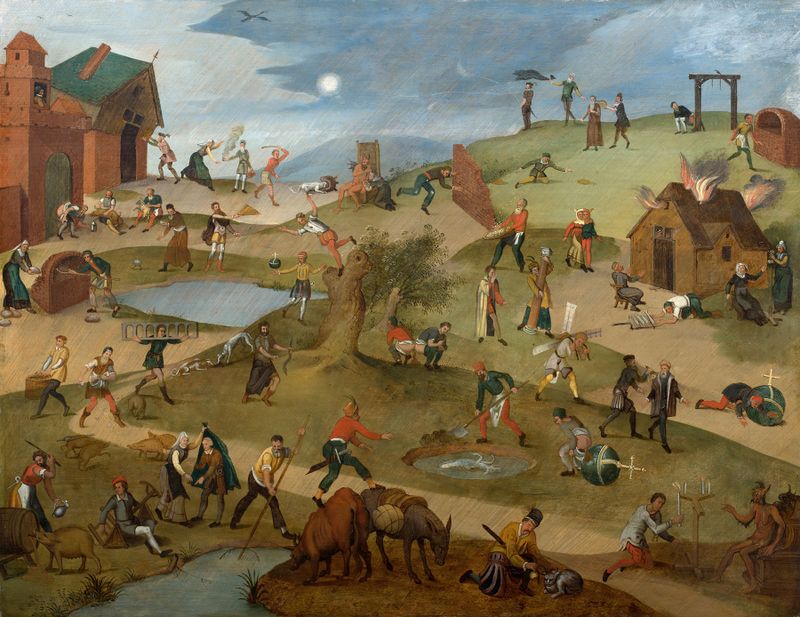
Flemish proverbs
Abel Grimmer

De Zomer
Abel Grimmer
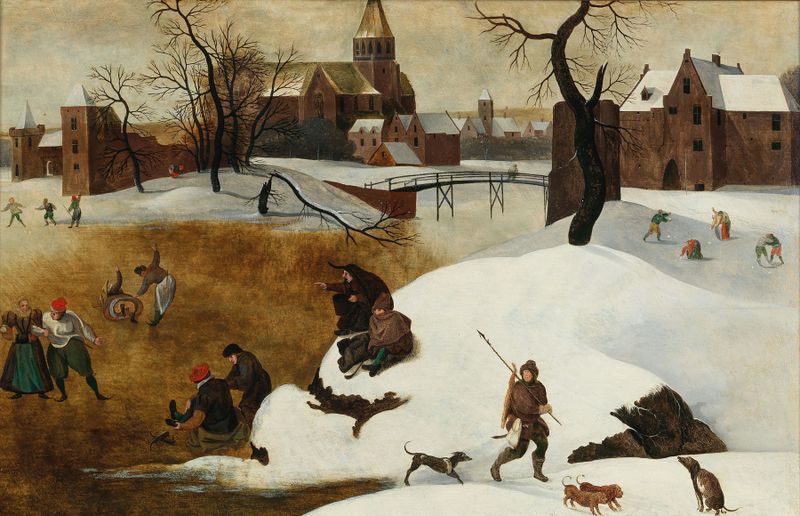
winter landscape with skaters
Abel Grimmer
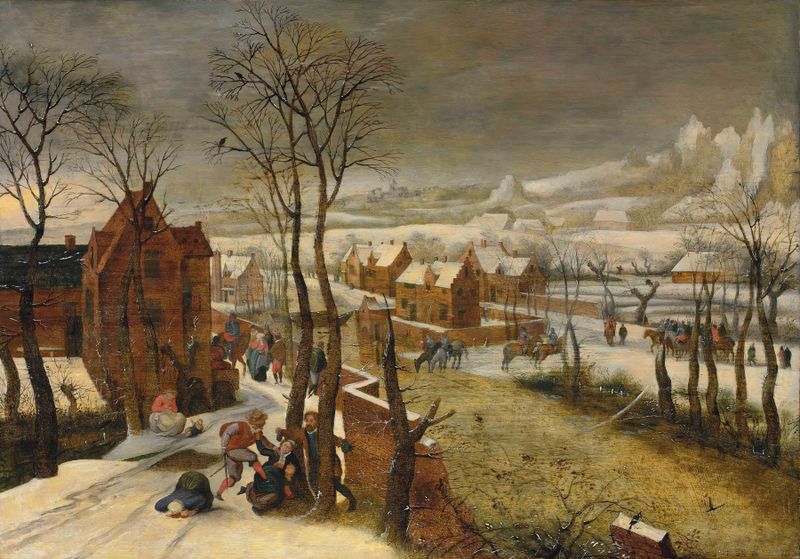
A Village Landscape In Winter With The Massacre Of The Innocents
Abel Grimmer
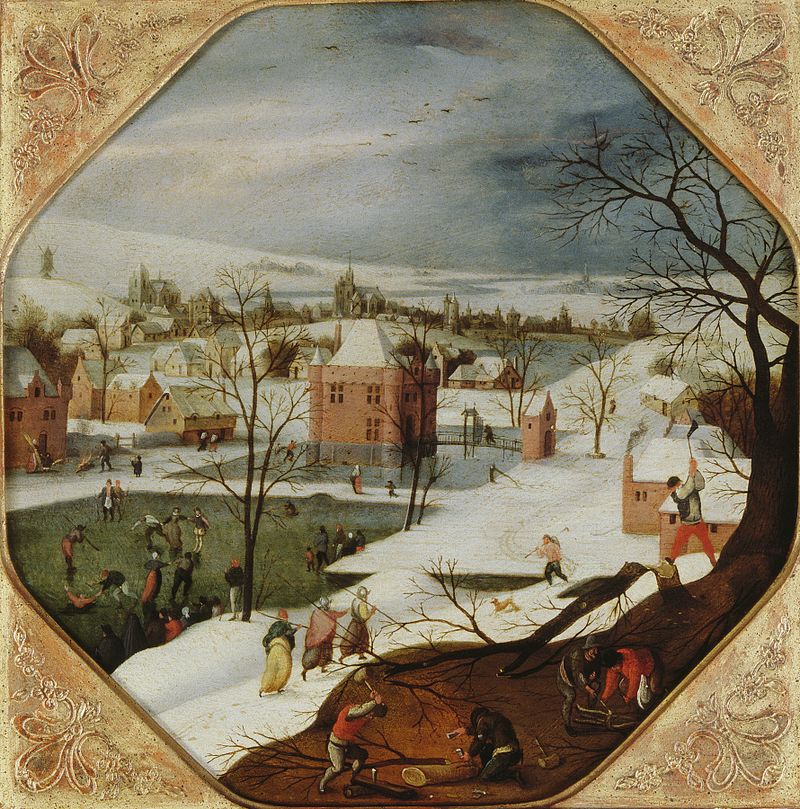
De Winter
Abel Grimmer

September – The Parable of the Barren Fig Tree
Abel Grimmer
The Eel Huts in the Antwerp Polder outside the Lillo or Slijk Gate
Abel Grimmer
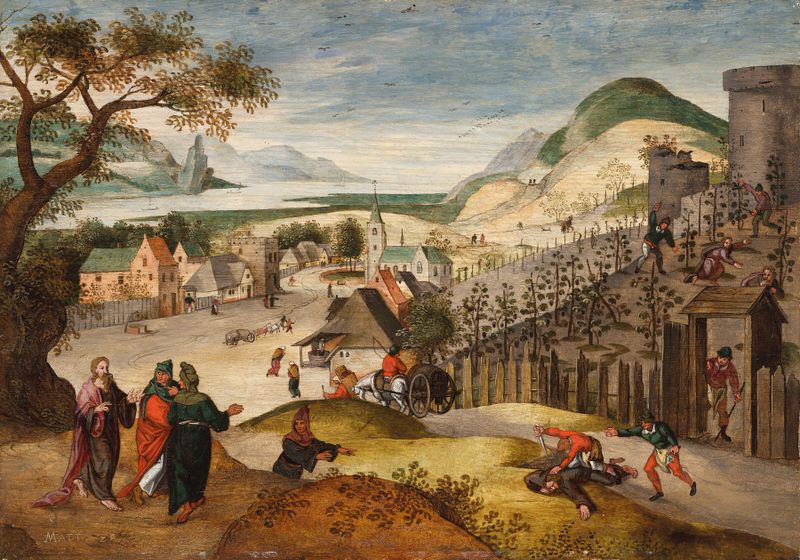
October – The Parable of the Vineyard
Abel Grimmer
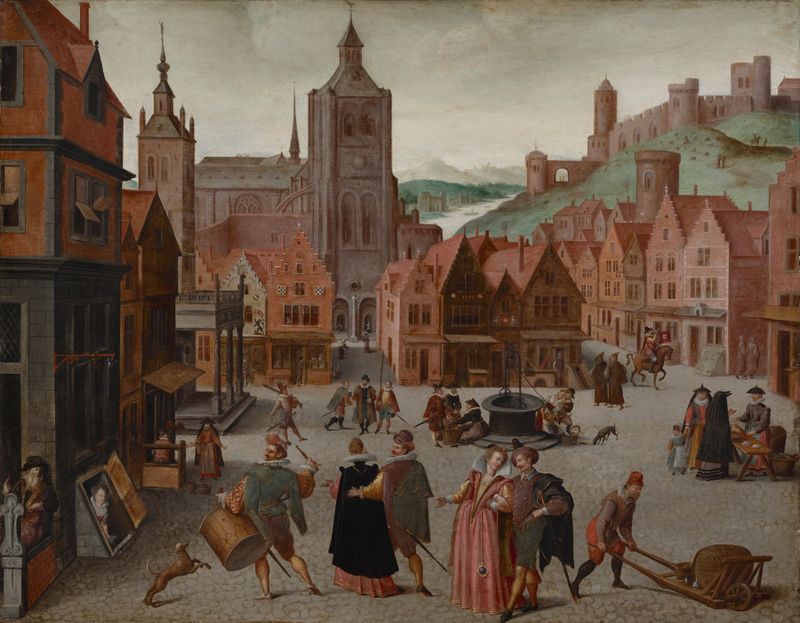
The Marketplace in Bergen op Zoom
Abel Grimmer
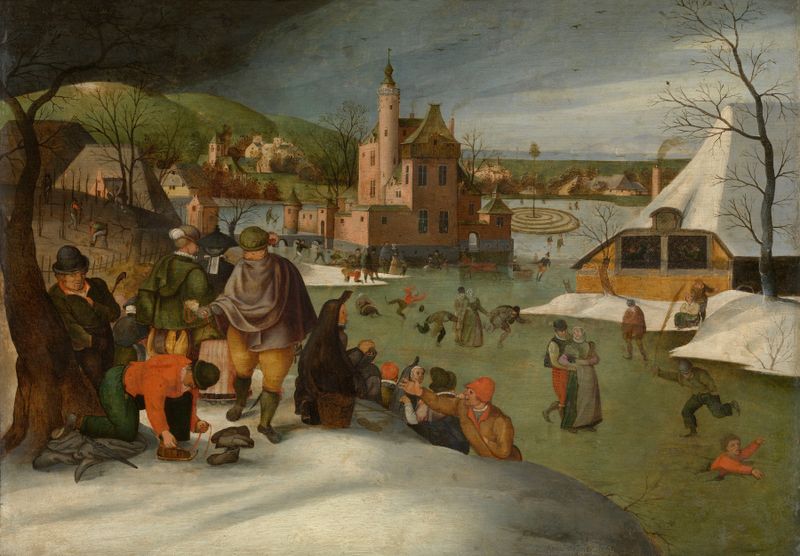
Winter
Abel Grimmer





