
De Zomer — History & Facts
Who listens when art speaks of silence? In the delicate dance between color and form, a profound conversation unfolds, whispering secrets of movement and stillness. Look closely at the center of the canvas, where vibrant hues of green and gold burst forth, capturing the essence of summer’s vitality. The trees stand tall, their leaves trembling with the softest breath of wind, a stark contrast against the serene, azure sky. Notice how the artist layers brushstrokes to create a sense of rhythm, inviting the viewer's eye to glide through the field dotted with figures, engaged in the simple pleasures of life — gathering crops, basking in the warmth, and sharing laughter. Yet beneath this idyllic surface lies a poignant tension.
The figures, though animated, seem dwarfed by their surroundings, evoking a sense of transience—human life against the grandiosity of nature. The interplay of light reveals not only the season's bounty but also the fleeting essence of time, as if each moment is a spark destined to fade. This duality of movement and stillness interweaves, inviting contemplation of what slips away in the pursuit of joy. Abel Grimmer created De Zomer during a period when the Dutch Golden Age was flourishing, characterized by a rich exploration of landscapes and daily life.
Living in the late 16th and early 17th centuries, he painted in the heart of Flanders, surrounded by an artistic community that valued both realism and a celebration of the ordinary. Grimmer's work reflects the era's profound appreciation for nature and its transient beauty, captured in the shimmering essence of summer.
More Artworks by Abel Grimmer
Browse all →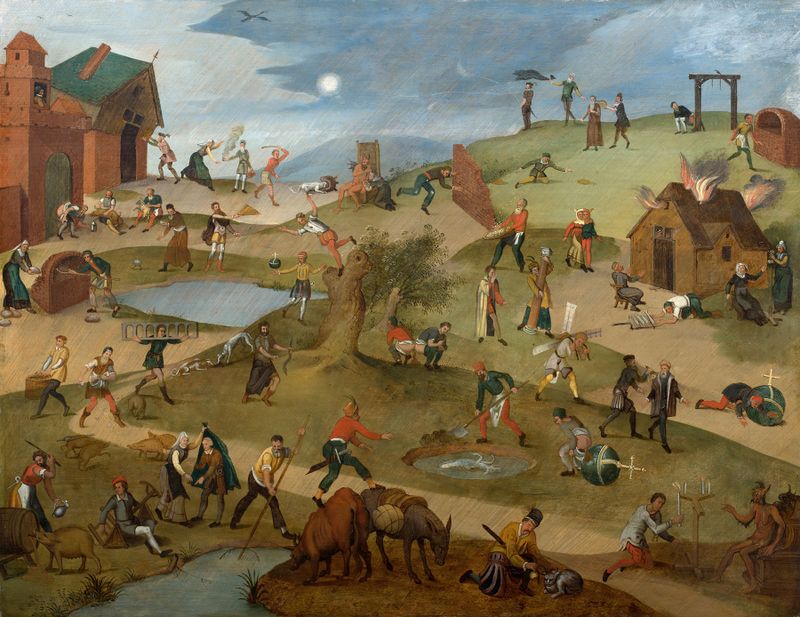
Flemish proverbs
Abel Grimmer
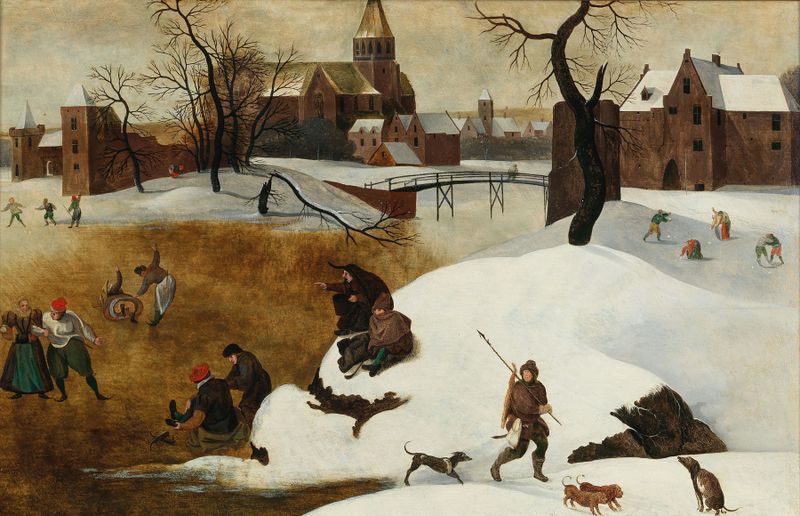
winter landscape with skaters
Abel Grimmer
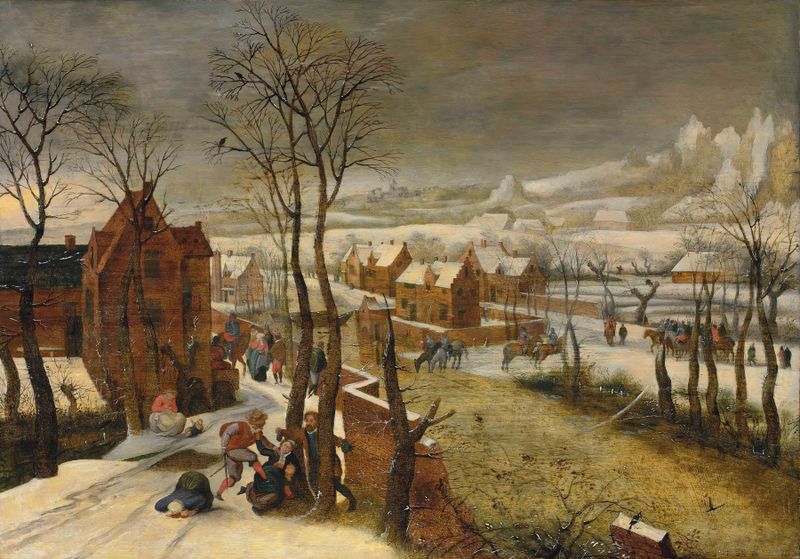
A Village Landscape In Winter With The Massacre Of The Innocents
Abel Grimmer
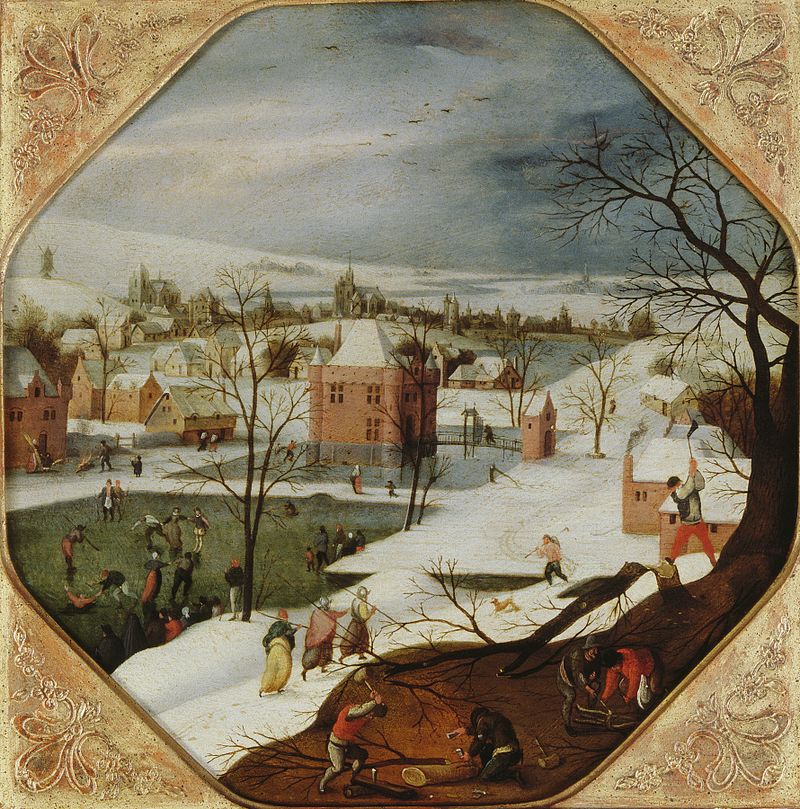
De Winter
Abel Grimmer

September – The Parable of the Barren Fig Tree
Abel Grimmer
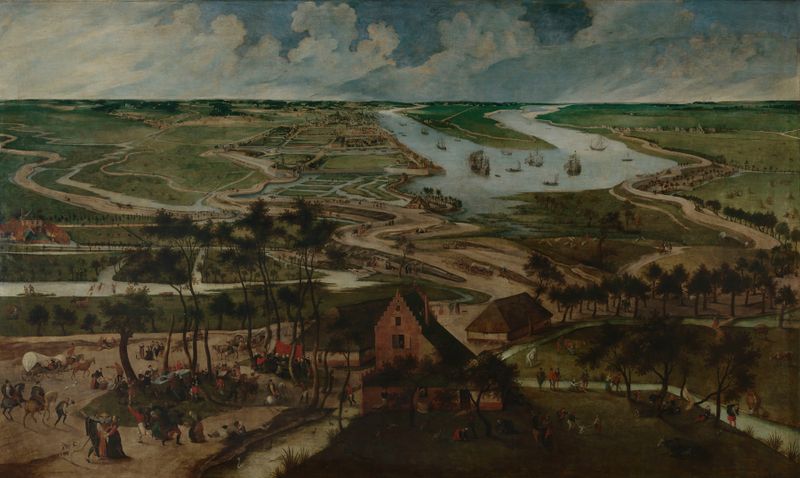
The Eel Huts in the Antwerp Polder outside the Lillo or Slijk Gate
Abel Grimmer
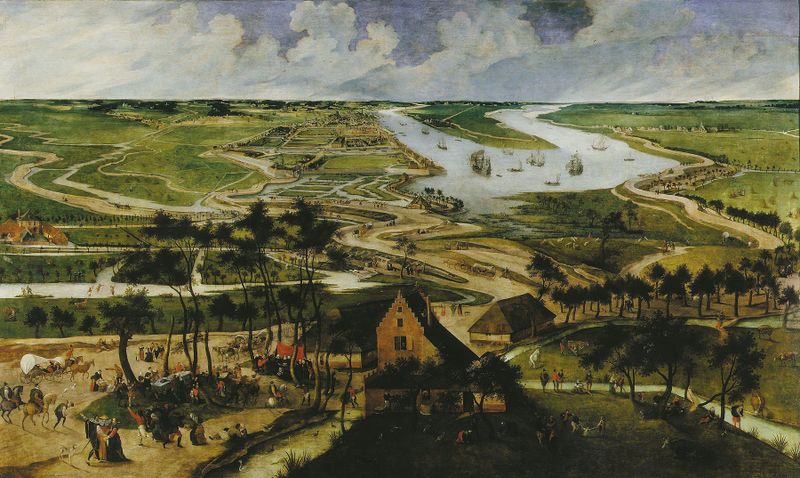
De Antwerpse polder en de Palinghuizen buiten de Slijk- of Lillopoort
Abel Grimmer
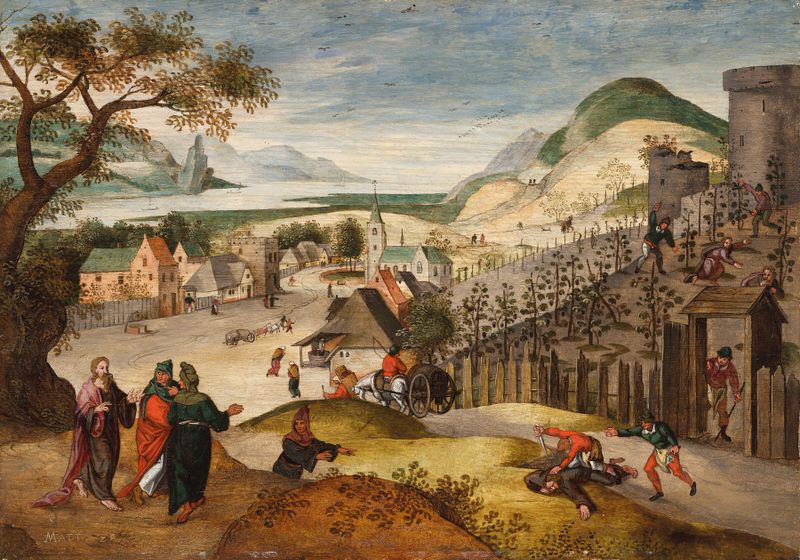
October – The Parable of the Vineyard
Abel Grimmer
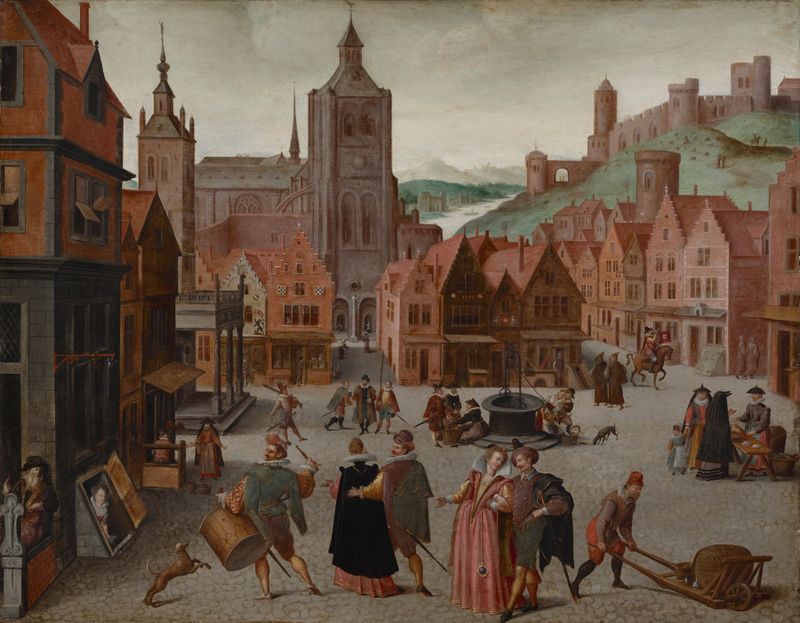
The Marketplace in Bergen op Zoom
Abel Grimmer
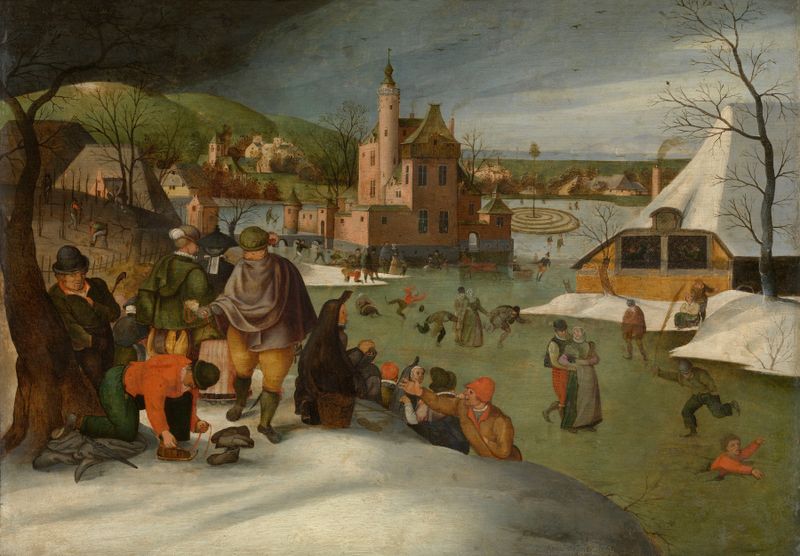
Winter
Abel Grimmer





