
September – The Parable of the Barren Fig Tree — History & Facts
What if silence could speak through light? In September – The Parable of the Barren Fig Tree, the stillness of the moment invites contemplation on growth and potential, wrapped in the weight of a parable that transcends time. Look at the center of the painting where the fig tree stands, its branches reaching outward yet barren. Notice the somber tones of autumn, with muted yellows and browns, contrasting against the vibrant greens of the surrounding landscape. The subtle play of light illuminates the tree, casting gentle shadows that hint at the weight of expectation, while the figures of men in the foreground engage in quiet discussion, embodying the tension between hope and despair. The barren tree serves as a powerful metaphor for unfulfilled potential, drawing attention to the choices made—or not made—in life.
This contrasts with the lush backdrop, suggesting that even in abundance, there can exist desolation. The warm light further accentuates this dichotomy, casting a glow that both reveals and obscures; it invites the viewer to ponder the deeper meanings of patience and the consequences of neglect. Abel Grimmer painted this work in 1611 during a time when the Northern Renaissance was flourishing. Living in Antwerp, he was part of a vibrant artistic community focused on allegorical and religious themes.
This painting reflects the moral narratives prevalent in his time, illustrating how spirituality intertwined with daily life, emphasizing the importance of nurturing one’s spiritual and moral potential.
More Artworks by Abel Grimmer
Browse all →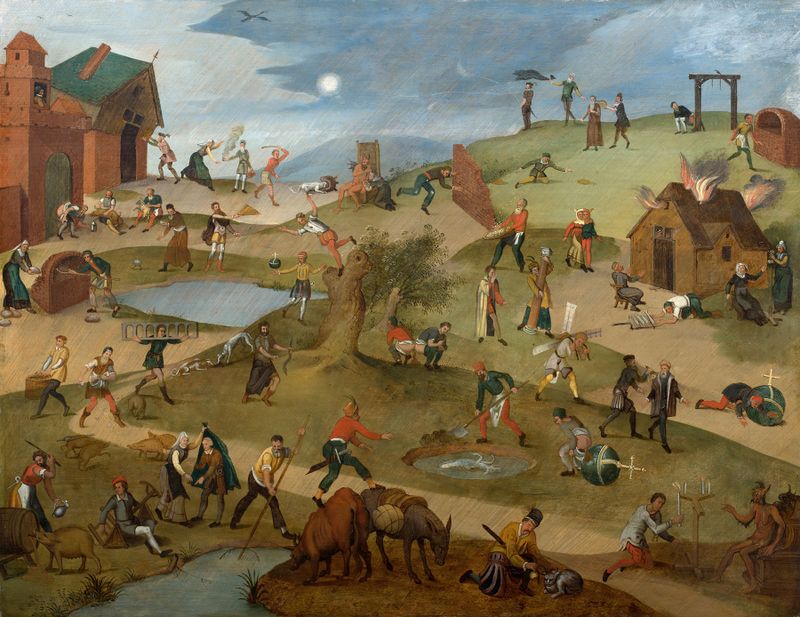
Flemish proverbs
Abel Grimmer

De Zomer
Abel Grimmer
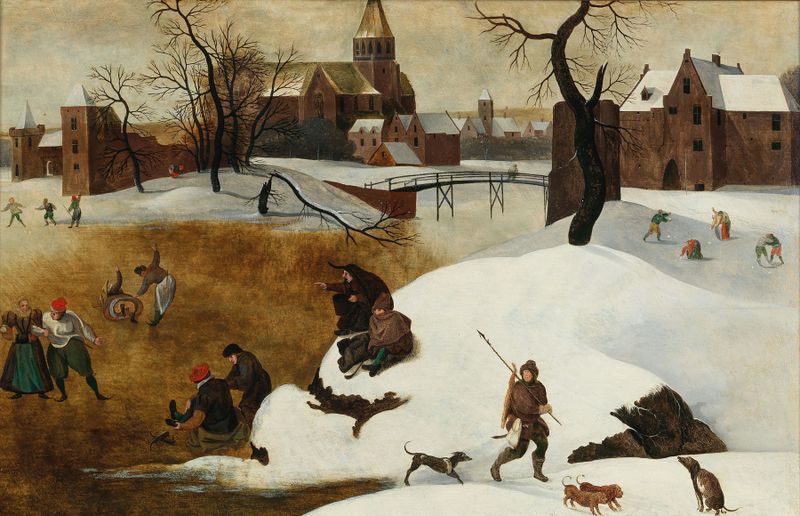
winter landscape with skaters
Abel Grimmer
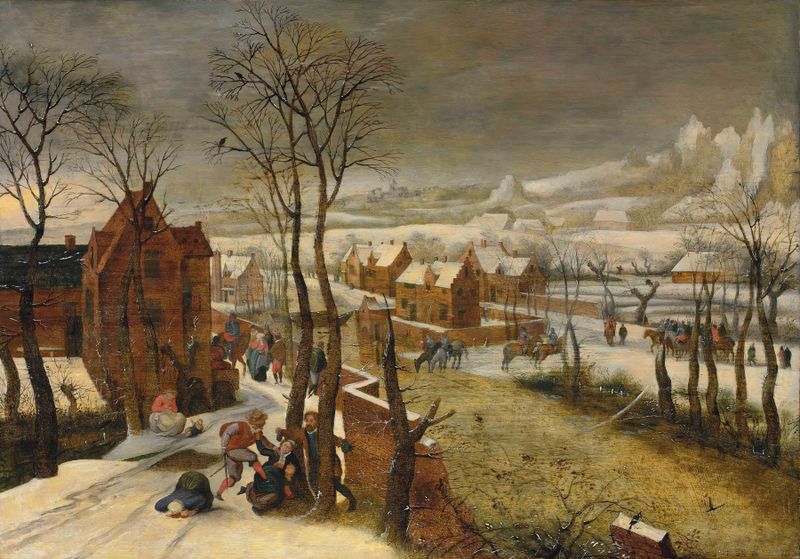
A Village Landscape In Winter With The Massacre Of The Innocents
Abel Grimmer
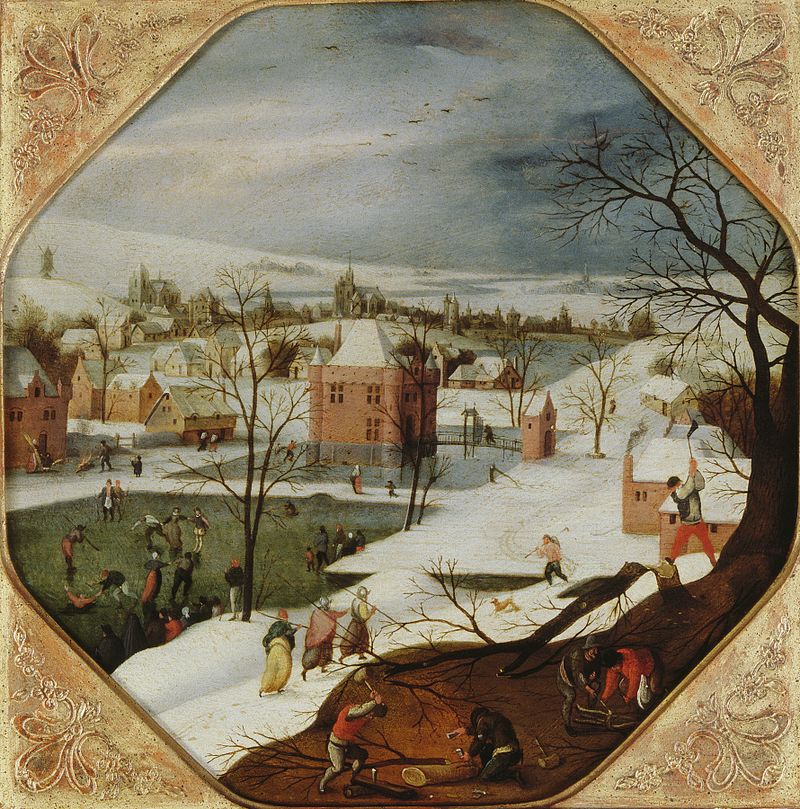
De Winter
Abel Grimmer
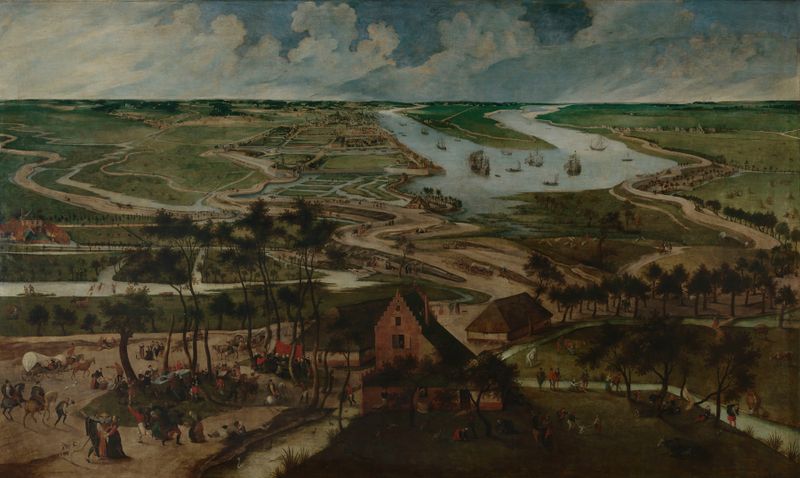
The Eel Huts in the Antwerp Polder outside the Lillo or Slijk Gate
Abel Grimmer
De Antwerpse polder en de Palinghuizen buiten de Slijk- of Lillopoort
Abel Grimmer
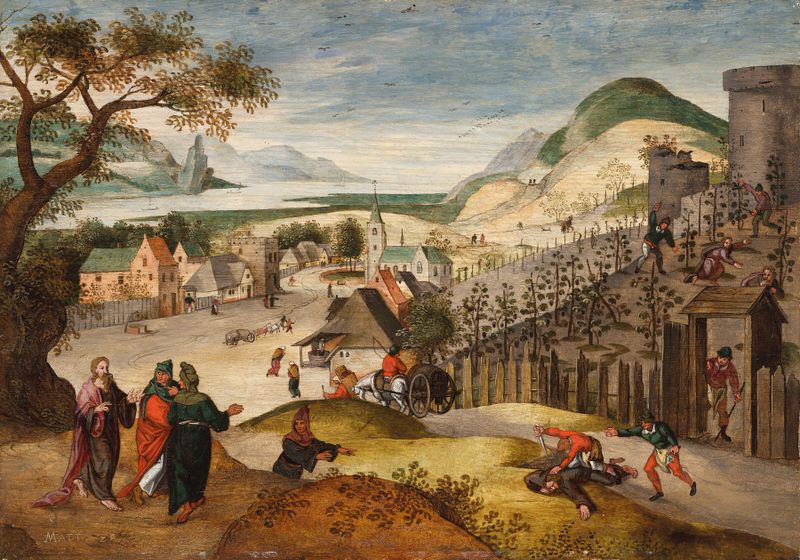
October – The Parable of the Vineyard
Abel Grimmer
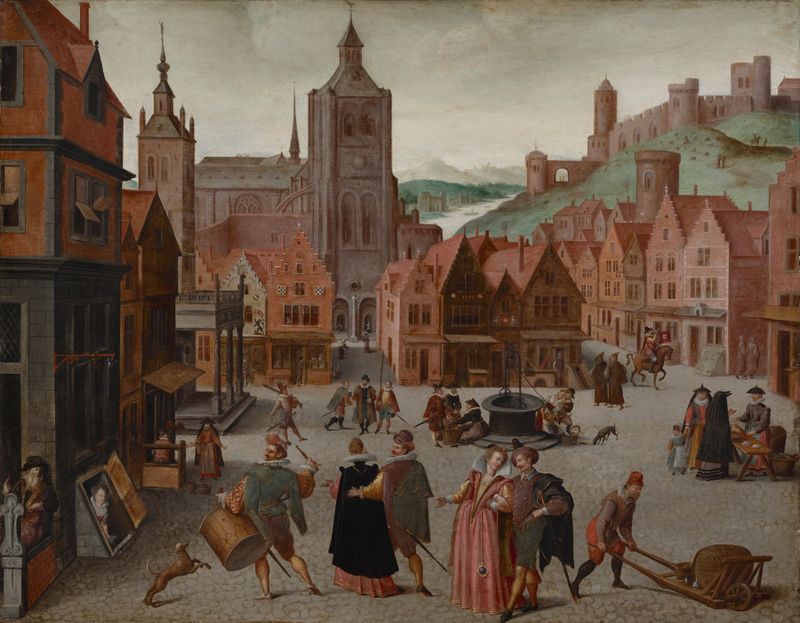
The Marketplace in Bergen op Zoom
Abel Grimmer
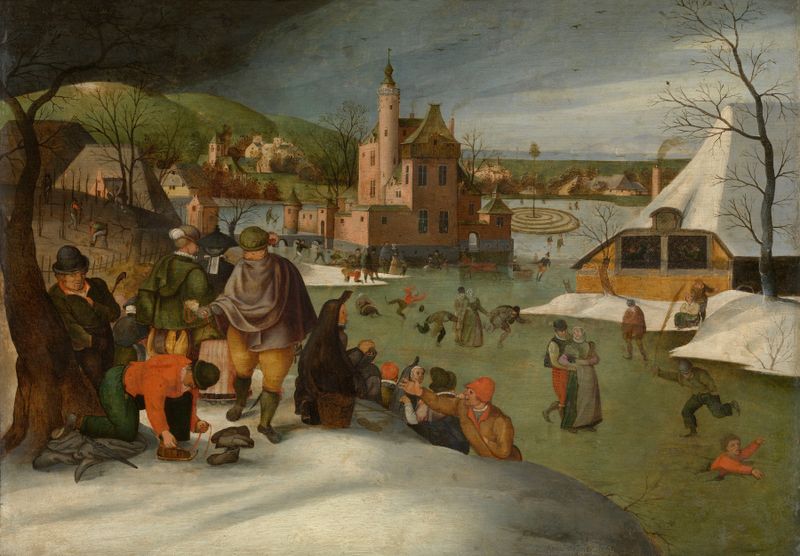
Winter
Abel Grimmer





