
The Eel Huts in the Antwerp Polder outside the Lillo or Slijk Gate — History & Facts
In the quiet expanse of Abel Grimmer’s world, awe unfolds like a whispered truth, inviting the viewer to breathe in the stillness of a moment caught in time. Look to the left at the gentle curve of the waterway, where the soft ripples dance beneath a canopy of muted greens and browns. The huts, constructed with rustic precision, sit nestled against the backdrop of a sprawling landscape that seems to breathe with life. Grimmer’s use of earthy tones enhances the sense of intimacy, while his meticulous brushwork captures subtle variations in texture, drawing us into this serene yet vibrant scene.
The interplay of light and shadow across the thatched rooftops hints at the passage of time, hinting at stories untold. Beneath the palpable calm lies a tension between man and nature. The eels, hidden below the surface, symbolize the unseen struggles of life, while the huts stand as silent witnesses to the labyrinth of existence. Each structure conveys a sense of transient permanence, representative of human endeavor in a constantly shifting environment.
The composition, with its gentle rhythm, evokes a feeling of both isolation and connectivity—a testament to the delicate balance of life in the polder. Created in 1569 in Flanders, this piece reflects Grimmer’s engagement with the genre of landscape painting during a time when artists were beginning to explore the natural world more deeply. His focus on rural life and the intricate relationship between humans and their environment marks a significant moment in the evolution of Dutch art. This painting, rich in detail and meaning, encapsulates the transformative power of nature and serves as a poignant reflection of the era’s artistic aspirations.
More Artworks by Abel Grimmer
Browse all →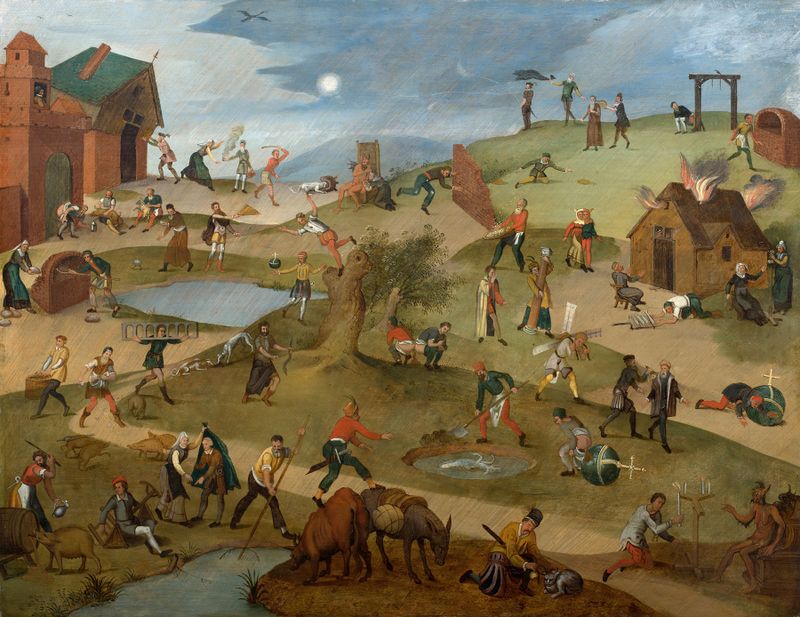
Flemish proverbs
Abel Grimmer

De Zomer
Abel Grimmer
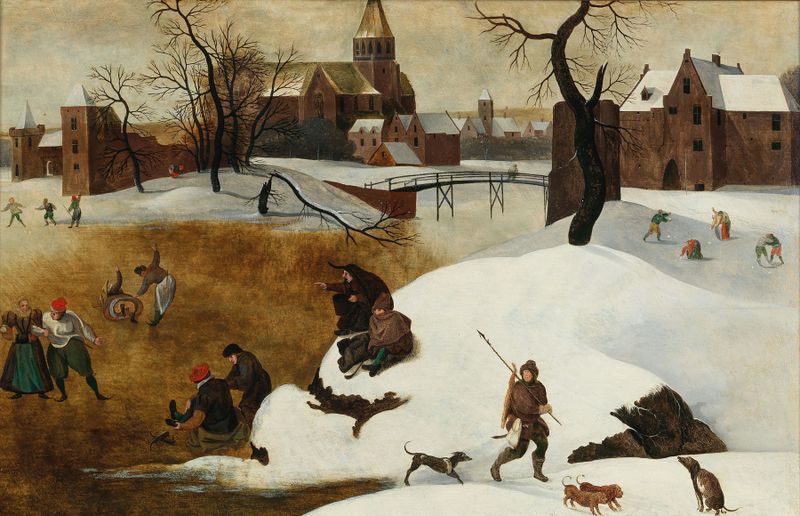
winter landscape with skaters
Abel Grimmer
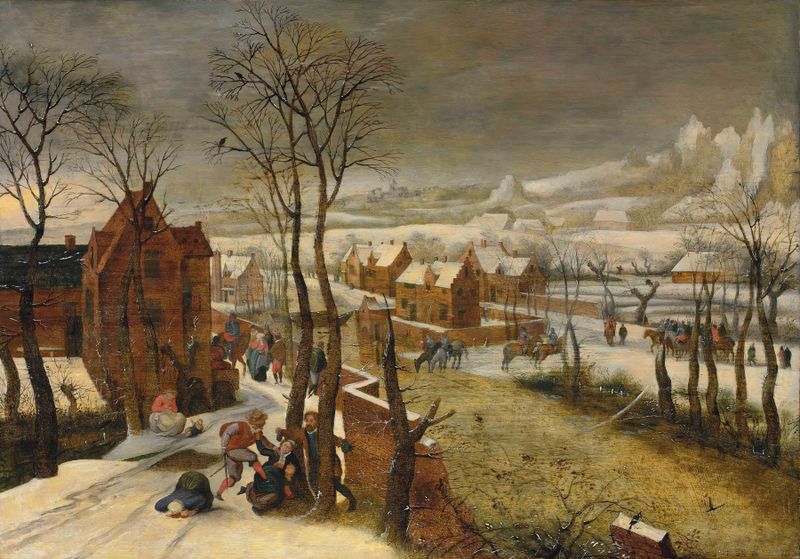
A Village Landscape In Winter With The Massacre Of The Innocents
Abel Grimmer
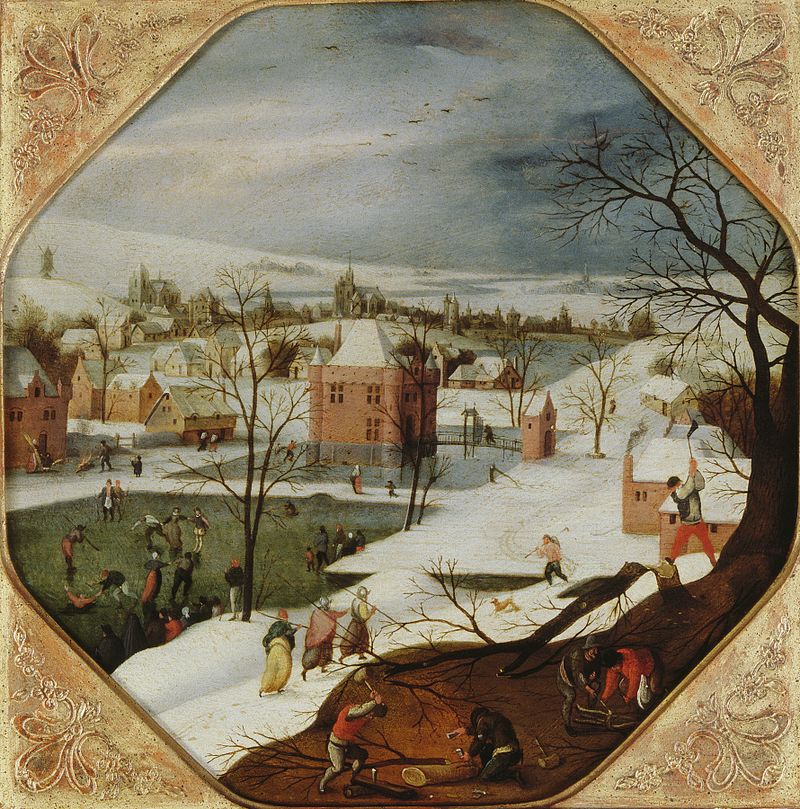
De Winter
Abel Grimmer

September – The Parable of the Barren Fig Tree
Abel Grimmer
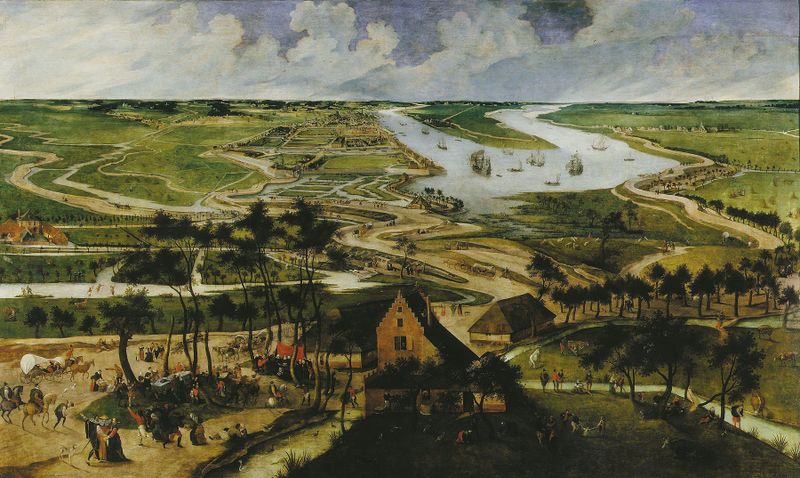
De Antwerpse polder en de Palinghuizen buiten de Slijk- of Lillopoort
Abel Grimmer
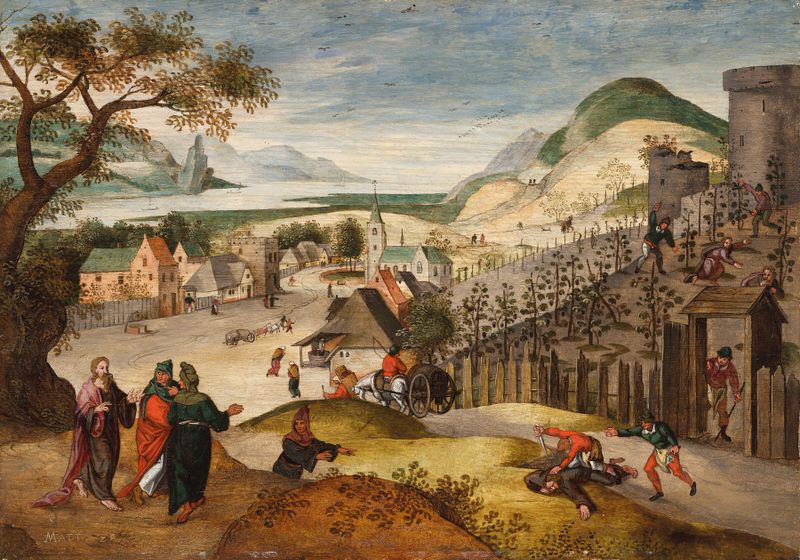
October – The Parable of the Vineyard
Abel Grimmer
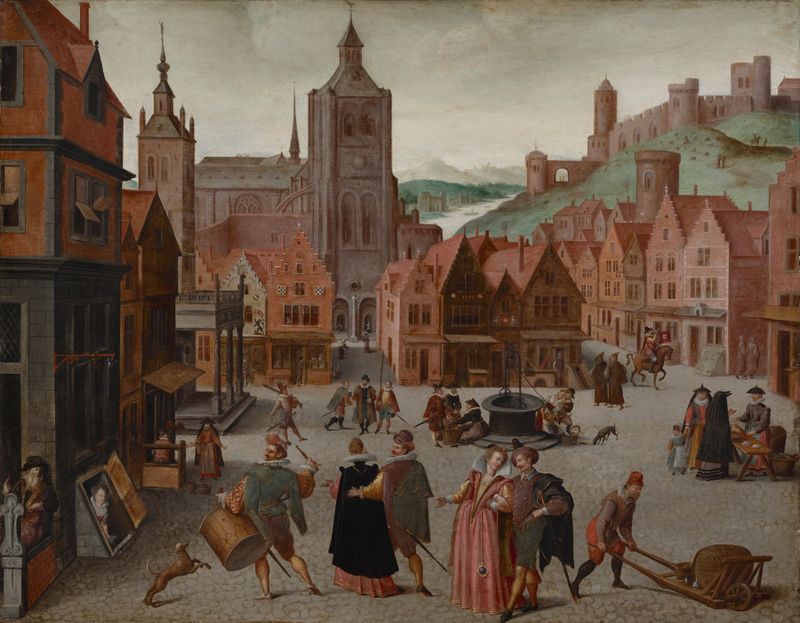
The Marketplace in Bergen op Zoom
Abel Grimmer
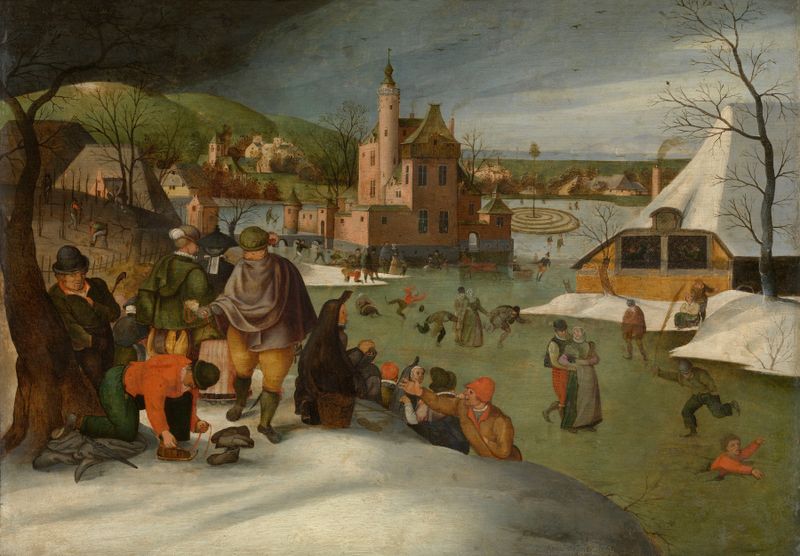
Winter
Abel Grimmer





