
A Woman's Arm — History & Facts
What first holds the eye in A Woman’s Arm is the quiet authority of a single, resting limb—an arm draped over a battered leather cushion, fingers relaxed and unselfconscious. The close cropping leaves no room for narrative distractions; every detail is an invitation to linger on the texture of skin and the play of light across knuckles and veins. The sleeve’s edge, trimmed simply in brown, sets off the pale flesh, while the deep, worn browns of the cushion anchor the composition in the physical world.
There is no jewelry, no visible face, no hint of occupation or emotion beyond the gentle weight of a hand at rest. The artist’s gaze is patient, almost forensic, yet never cold—each brushstroke records the warmth and vulnerability of living skin. Painted sometime between 1814 and 1876, this work belongs to a period when artists across Europe were fascinated by the study of the human body—not just in grand gestures, but in the quiet eloquence of a single part. Such studies were often exercises in observation, commissioned for practice or as preparatory works for larger compositions.
Adolph Tidemand was active in an era when realism and attention to everyday life were reshaping Scandinavian art, and this fragmentary view reflects that shift. Now held by the National Museum of Art, Architecture and Design, the painting stands as a testament to the era’s curiosity about individuality and the beauty found in the ordinary. Look again at the hand: it is anonymous, yet utterly specific—a reminder that even the smallest fragment can hold a world.
More Artworks by Adolph Tidemand

Bridal Procession on the Hardangerfjord
Adolph Tidemand
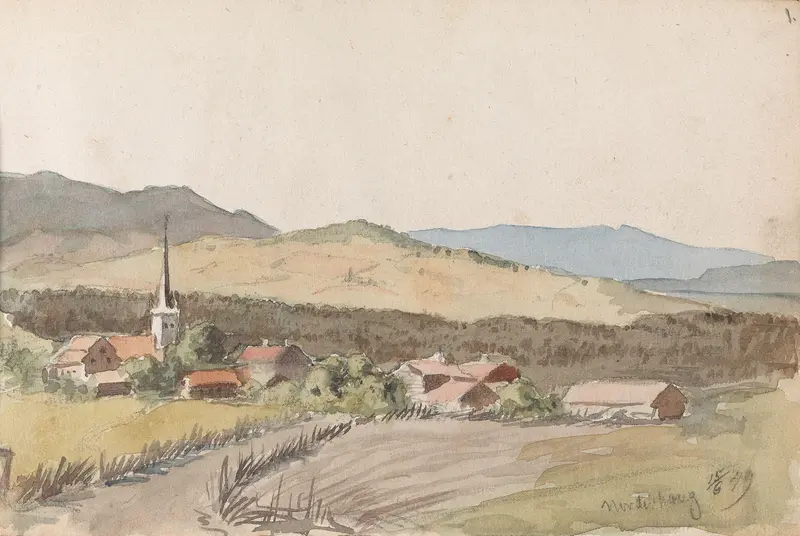
Fra Haugsbygd
Adolph Tidemand

Domkirkeruinen, Hamar
Adolph Tidemand
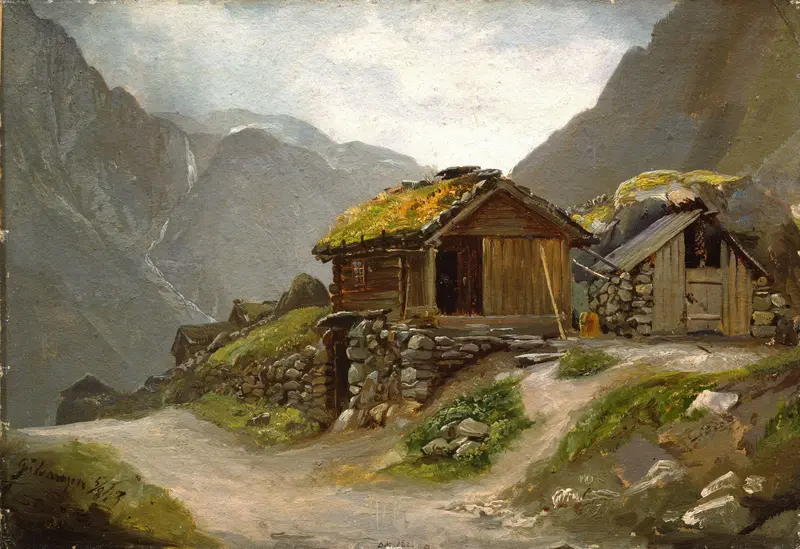
View from Gudvangen
Adolph Tidemand

View of Gudvangen
Adolph Tidemand
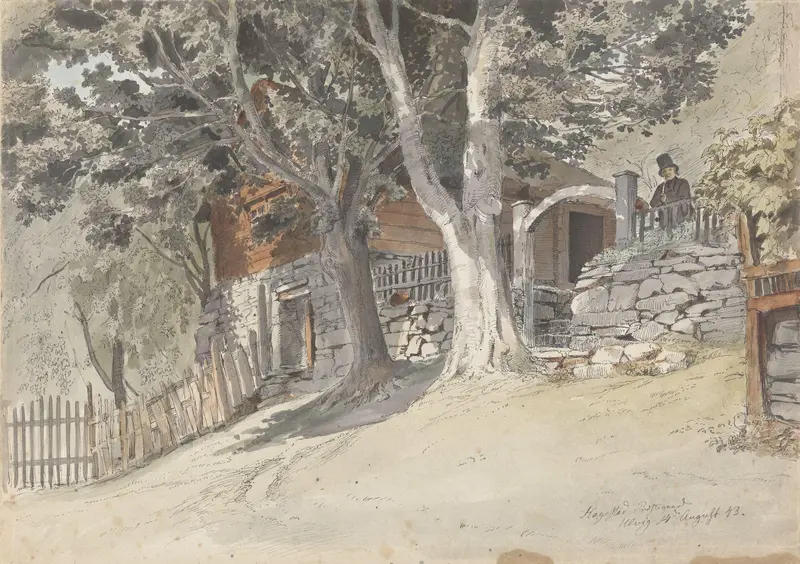
Hagestad prestegård, Ulvik i Hardanger
Adolph Tidemand
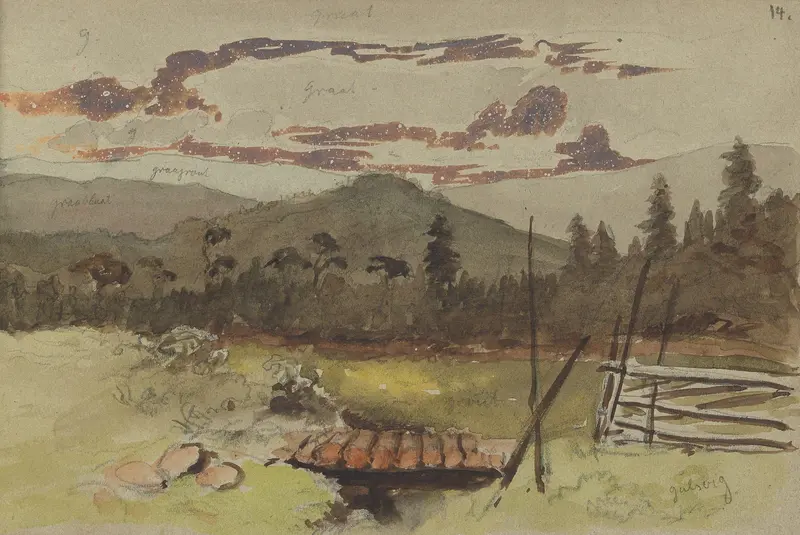
Fra Gulsvik
Adolph Tidemand
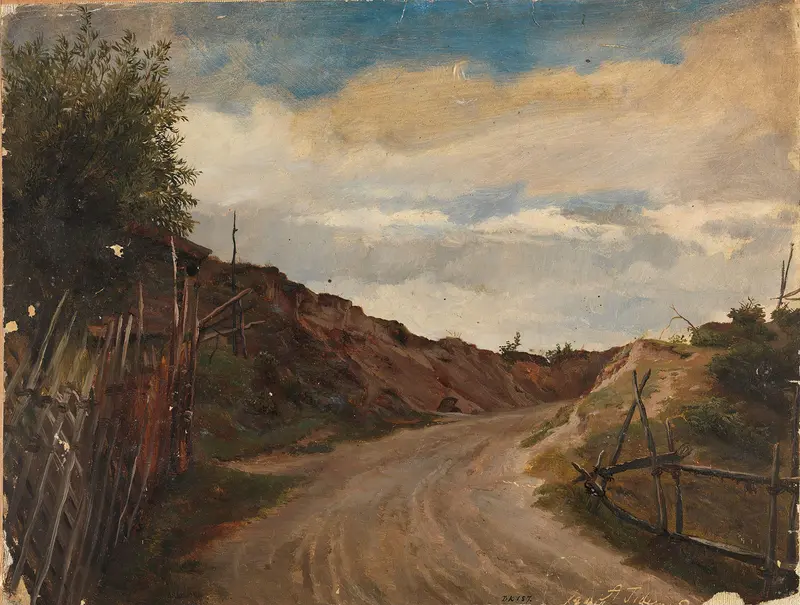
Country Road
Adolph Tidemand
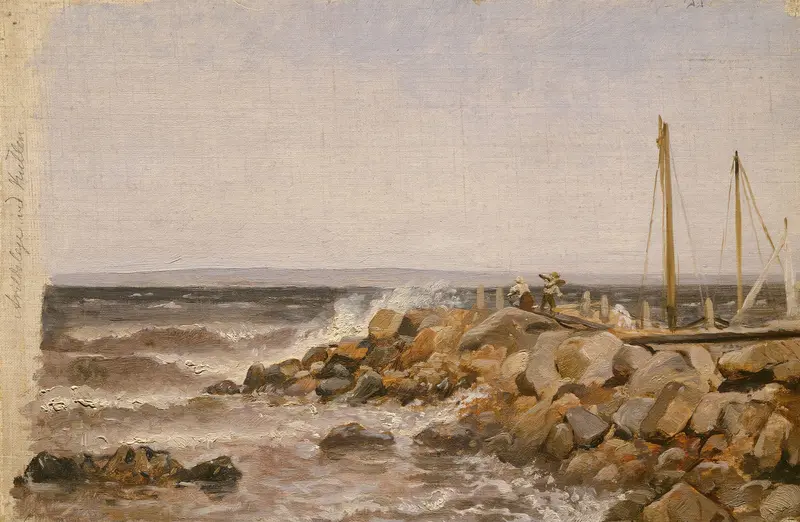
From Kullen in Sweden
Adolph Tidemand

Untitled
Adolph Tidemand



