
Aanbidding der koningen — History & Facts
When did color learn to lie? In a world where hues convey truth and illusion, can we trust our eyes to reveal the sacred? Focus on the central figures, the three kings, as they present their gifts in a moment suspended between reverence and awe. Notice how the rich reds and golds of their robes contrast with the muted, earthy tones of the surroundings, drawing your attention to their importance. The interplay of light captures the intricate details of their expressions—each face a canvas of devotion—while the soft glow illuminating the Christ child at the center imbues the scene with a divine warmth. Consider the tension within the composition; the kings’ offerings, opulent yet humble, reflect the dichotomy of earthly wealth against spiritual enlightenment.
Look closely at the gestures—each hand extended in a different manner—echoing the unique motivations behind their gifts. The background, a tapestry of subdued colors, suggests the world beyond this sacred encounter, hinting at the chaos that looms outside the scene, adding depth to this moment of stillness and significance. Georg Pencz created this work between 1534 and 1535, during a time of religious upheaval in Europe. As the Reformation challenged traditional narratives and the Catholic Church's authority, artists were grappling with the intersection of faith and individual expression.
Pencz, influenced by the Northern Renaissance’s focus on detail and realism, embraced these changes, imbuing his work with both historical significance and personal interpretation.
More Artworks by Georg Pencz
Browse all →
Parabel van de zaaier
Georg Pencz

Parabel van de arbeiders in de wijngaard
Georg Pencz
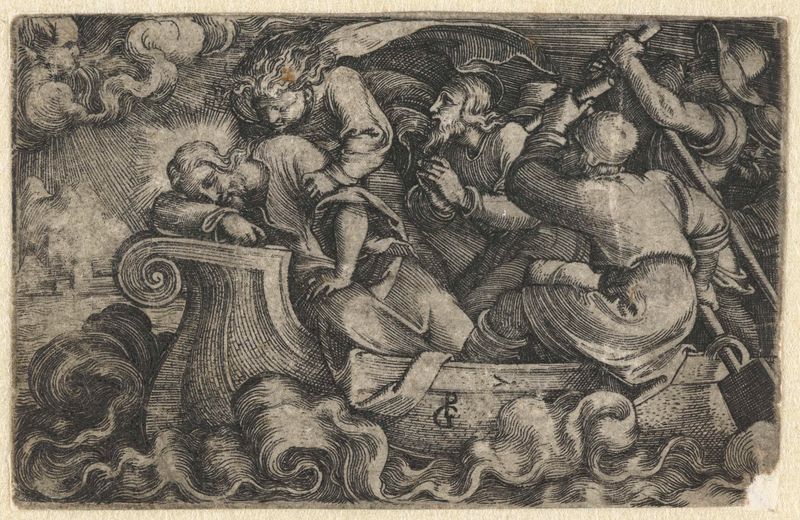
Discipelen wekken slapende Christus tijdens storm op Meer van Galilea
Georg Pencz

Afgunst (Invidia)
Georg Pencz
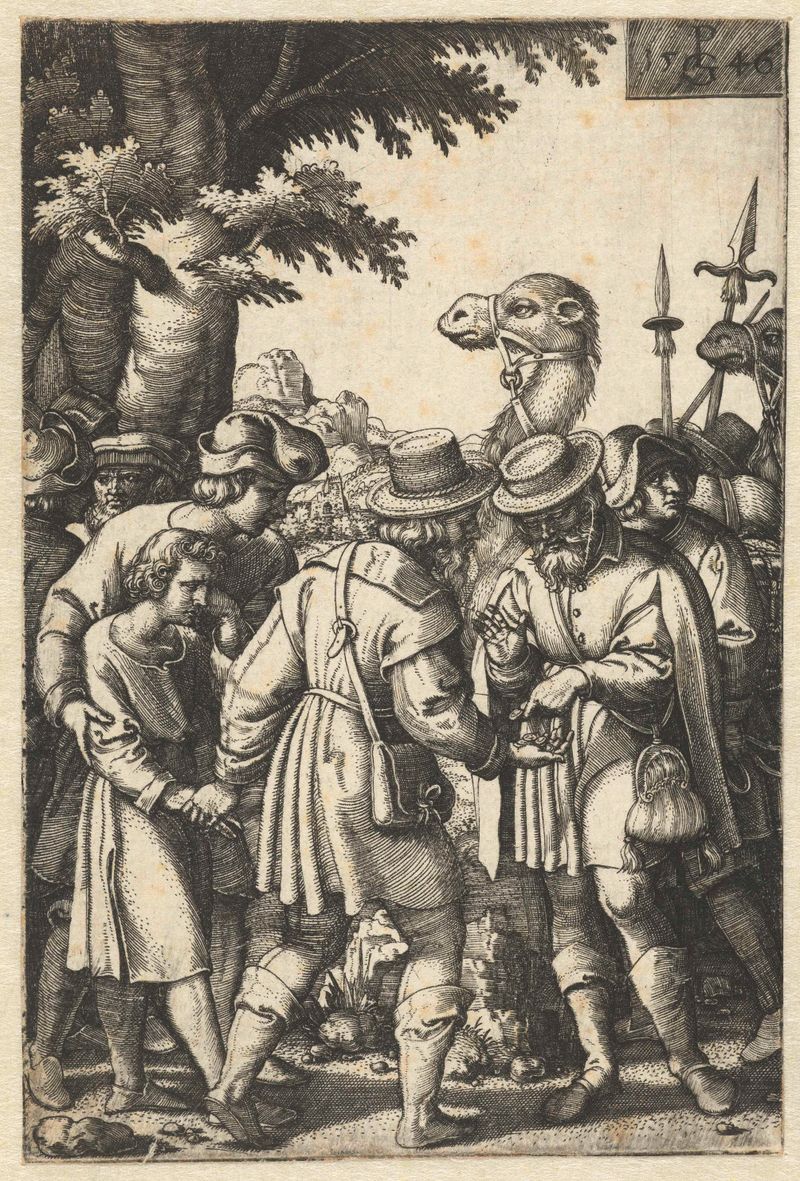
Jozef wordt verkocht aan kooplieden op weg naar Egypte
Georg Pencz

Aanbidding der koningen
Georg Pencz
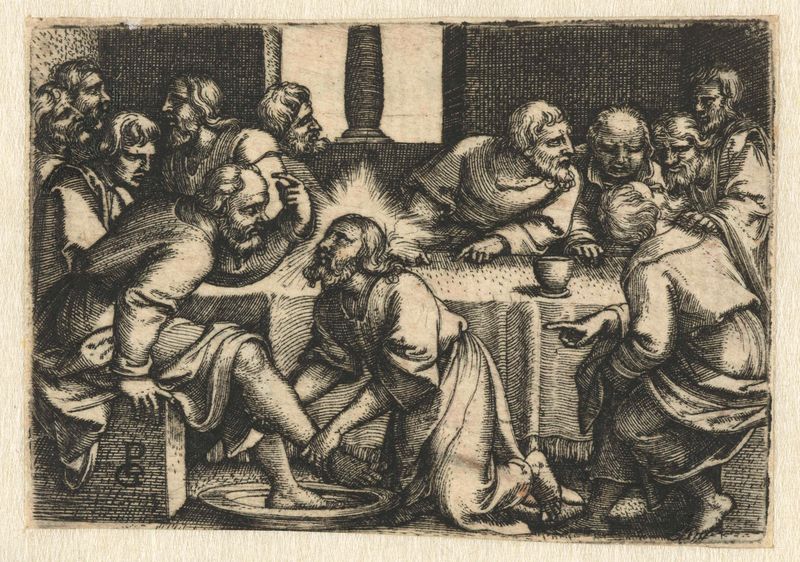
Petrus protesteert als Christus zijn voeten wast
Georg Pencz
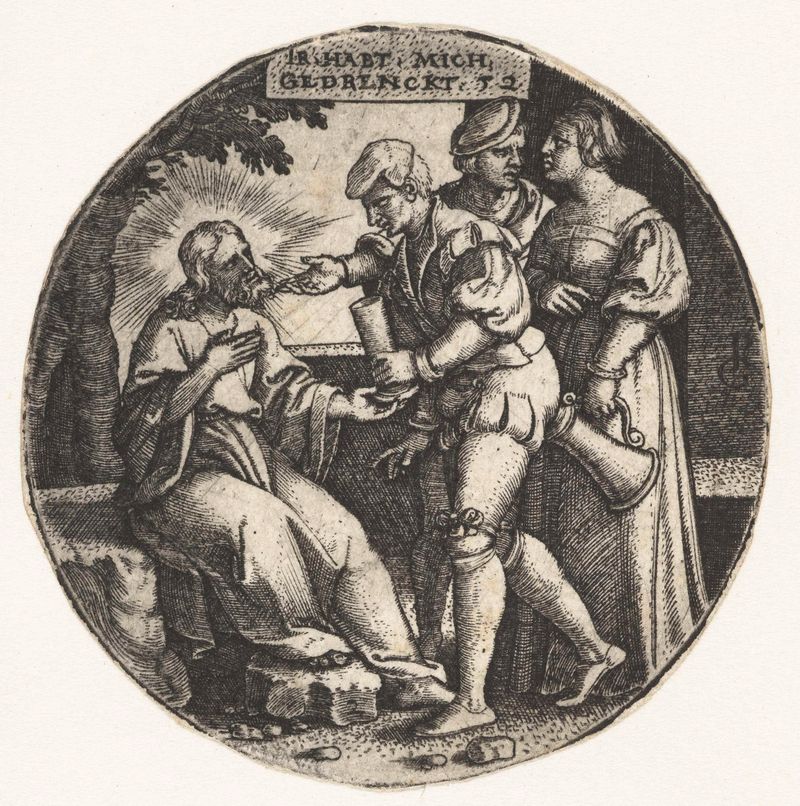
Christus heeft dorst en krijgt drinken aangeboden
Georg Pencz
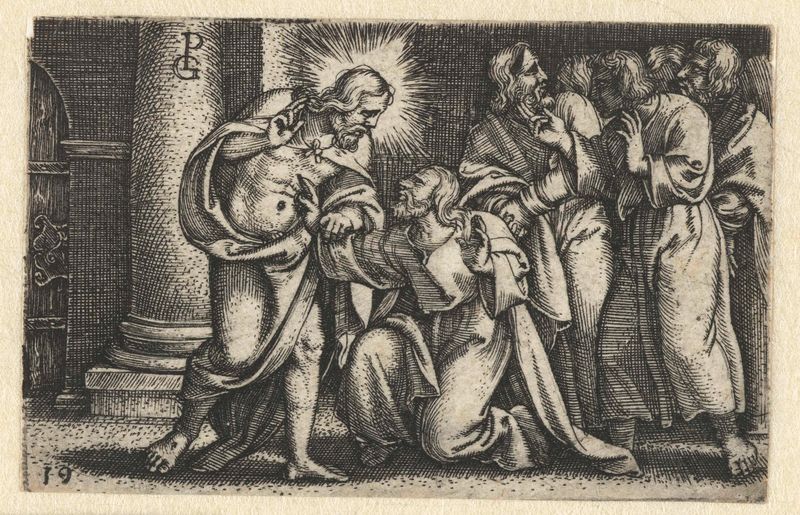
Ongelovige Thomas raakt wonden Christus aan
Georg Pencz

Offer van Abraham van Isaak
Georg Pencz
More Religious Art
Browse all →
The Return of the Prodigal Son
Rembrandt van Rijn

The Garden of Earthly Delights
El Bosco

Count Orgaz’ funeral
El Greco

The Hundred Guilder Print: the central piece with Christ preaching, the plate arched
Rembrandt van Rijn

The Descent from the Cross
Rogier van der Weyden

The return of the prodigal son
Rembrandt van Rijn