
Aartsengel Michaël doodt Satan en weegt een ziel — History & Facts
What secret hides in the quiet of the canvas? Beneath the surface of Aartsengel Michaël doodt Satan en weegt een ziel, a battle rages not just between celestial and infernal forces, but also within the very fabric of reality itself. Look to the center, where the archangel Michael, resplendent in armor, dominates the composition with an outstretched arm and a fierce gaze. The light falls dramatically across his figure, illuminating the intricate details of his wings and the glint of his sword. To the left, the defeated Satan sprawls in shadow, his expression one of desperation and vulnerability, contrasting sharply with the archangel's divine radiance.
The rich color palette of reds and golds evokes both power and tragedy, while the placement of figures creates an almost theatrical tension, coaxing the viewer deeper into this spiritual confrontation. Delve into the subtle interplay of elements—the balance of good and evil, the tension between life and death. The scale cradled in Michael’s other hand hints at the weighing of souls, a metaphor for moral judgment that resonates with personal introspection. Each brushstroke reveals an illusion of depth, creating a world where one can almost hear the clash of fate.
This tension calls into question the nature of victory and defeat, suggesting that every triumph comes with a cost. In 1506, Lucas Cranach (I) was immersed in the vibrant artistic milieu of the German Renaissance, producing works that reflected the complex interplay of religion and human emotion. At this time, the Reformation was stirring, influencing both the content of religious art and its reception. Cranach's keen ability to capture both the divine and the human experience positioned him as a pivotal figure in this transformative period of art history.
More Artworks by Lucas Cranach (I)
Browse all →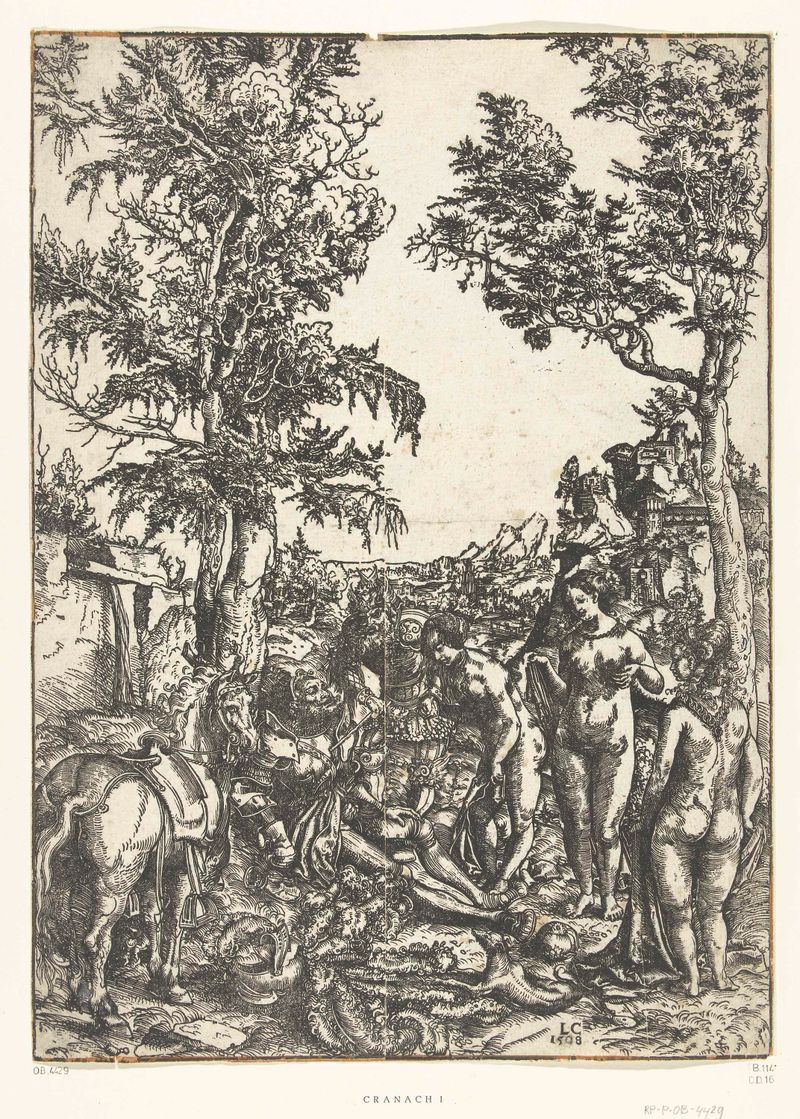
Oordeel van Paris
Lucas Cranach (I)
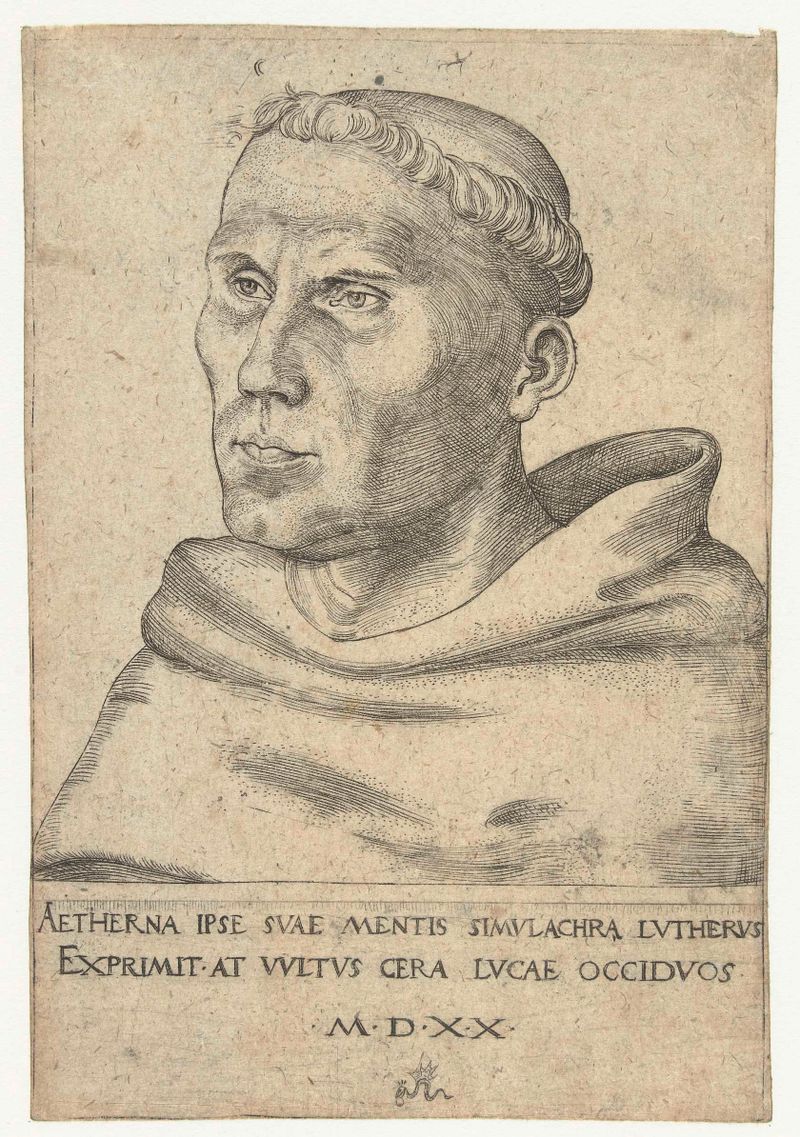
Portret van Martin Luther als Augustijner monnik
Lucas Cranach (I)
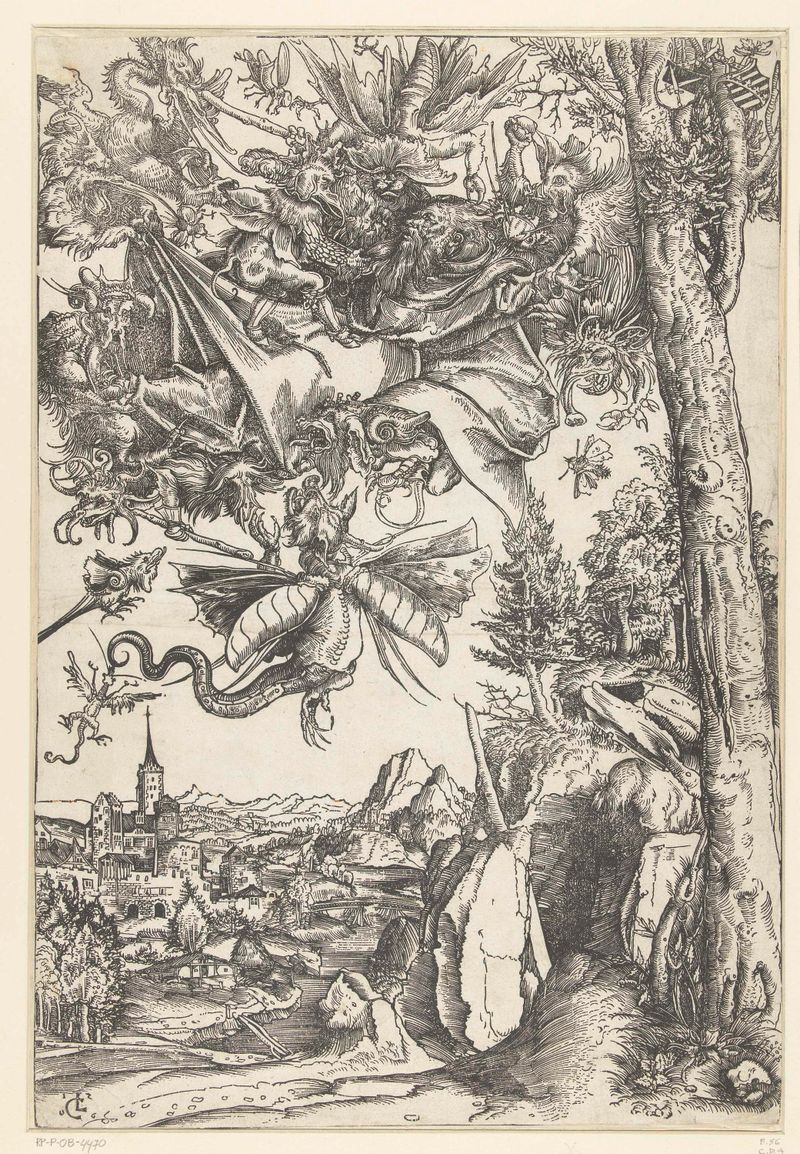
Verzoeking van Antonius met aanval door demonen
Lucas Cranach (I)

Christus en de Samaritaanse vrouw
Lucas Cranach (I)

Duits toernooi met twee edelmannen als ridders te paard
Lucas Cranach (I)
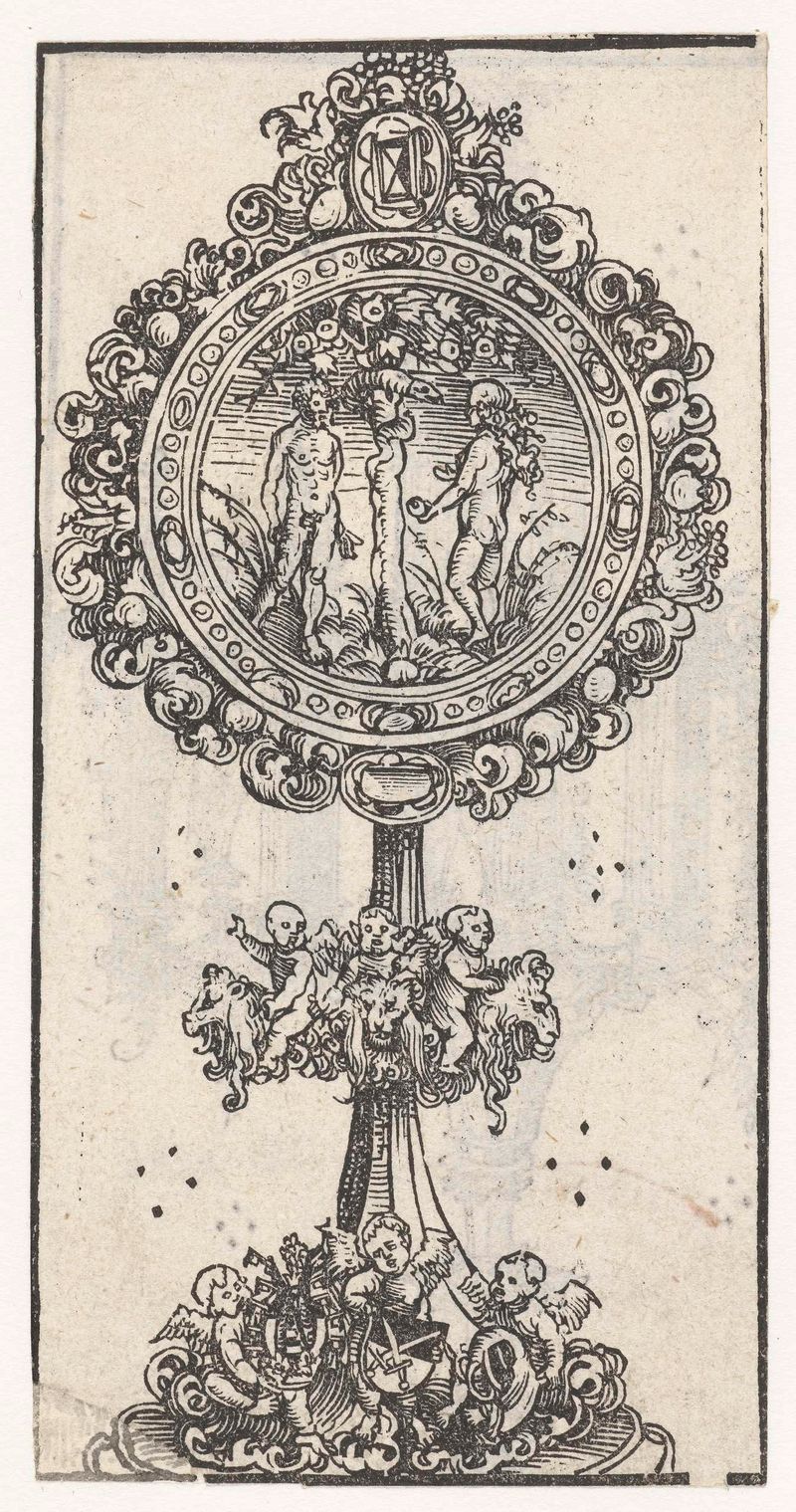
Reliekhouder met de verzoeking van Adam en Eva
Lucas Cranach (I)

Intocht van Christus in Jerusalem
Lucas Cranach (I)
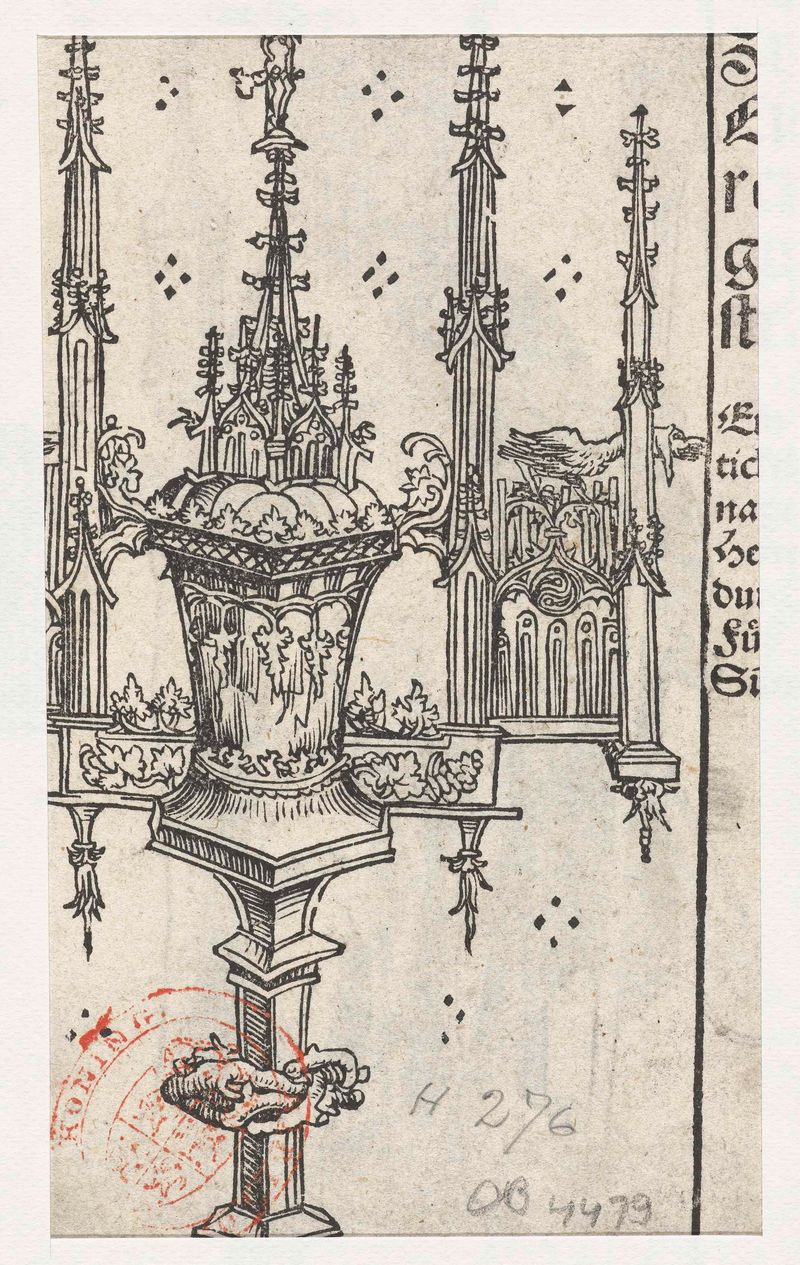
Monstrans met vogel (pelikaan)
Lucas Cranach (I)
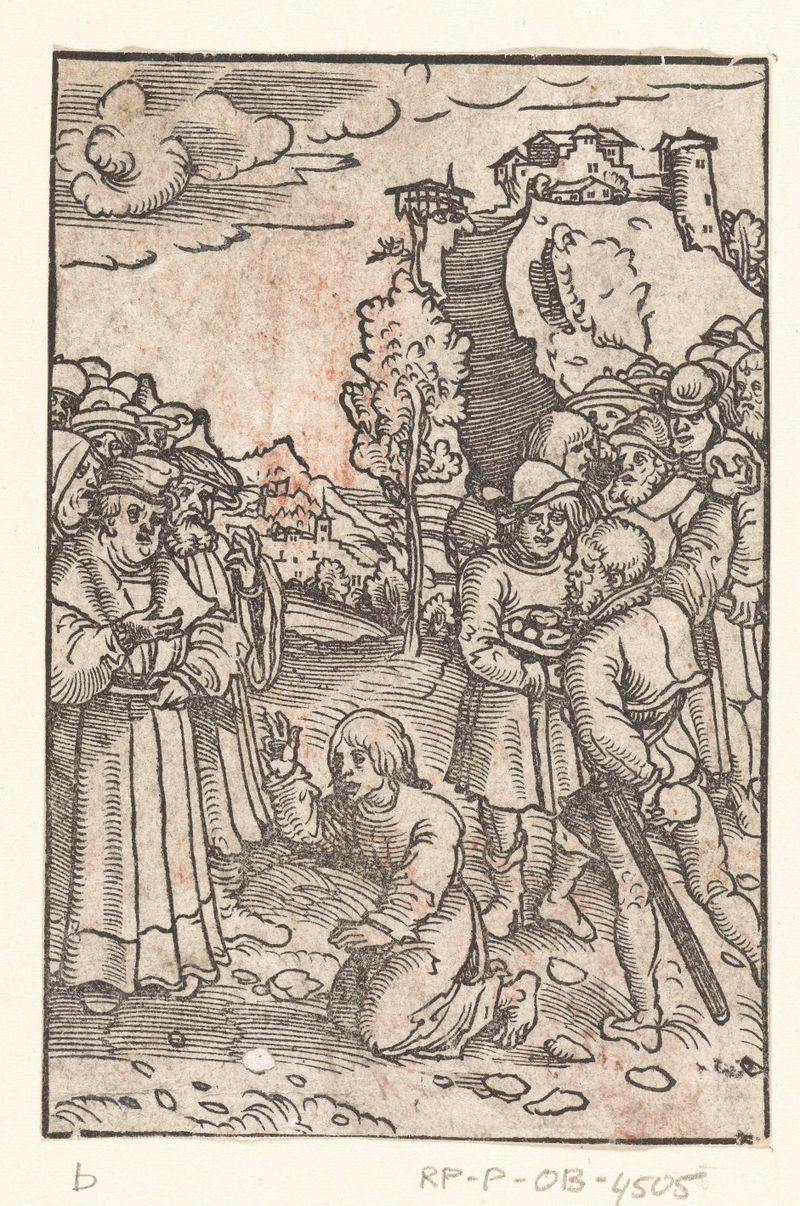
Steniging van Stefanus
Lucas Cranach (I)
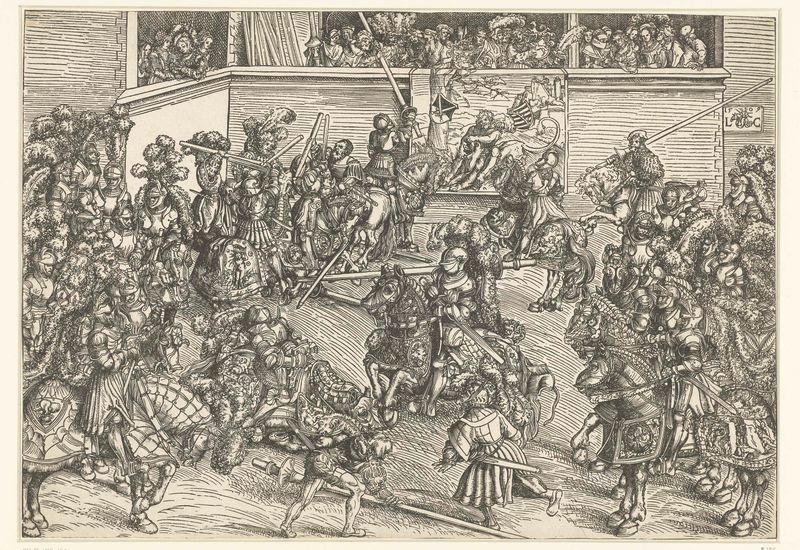
Toernooi van het keurvorstelijk hof van Saksen met wandtapijt Simson doodt de leeuw
Lucas Cranach (I)
More Religious Art
Browse all →
The Return of the Prodigal Son
Rembrandt van Rijn

The Garden of Earthly Delights
El Bosco

Count Orgaz’ funeral
El Greco

The Hundred Guilder Print: the central piece with Christ preaching, the plate arched
Rembrandt van Rijn

The Descent from the Cross
Rogier van der Weyden

The return of the prodigal son
Rembrandt van Rijn