
Aartsengel Michaël doodt Satan en weegt een ziel — History & Facts
This poignant reflection echoes through Lucas Cranach’s Aartsengel Michaël doodt Satan en weegt een ziel as it captures the eternal struggle between good and evil, a moment resonating with grief and resolution. Here, the weight of moral duty and the solace of justice intertwine, inviting contemplation of the human condition amid divine intervention. Look to the left, where the archangel Michael stands resolute, sword raised high, his luminous armor glinting in a piercing light. Notice how the contrasting dark figure of Satan grapples beneath him, shrouded in shadow, symbolizing despair and defeat.
The artist’s delicate palette weaves together muted earth tones with bursts of vibrant colors, emphasizing the tension between the celestial and the infernal. Each brushstroke is deliberate, guiding your gaze through an intricate composition that balances action and stillness. Delve deeper, and you’ll find layers of meaning within the angel's stern expression and the subtle sorrow in his stance — a reminder that victory comes with a cost. The scales, central to the composition, not only weigh a soul but also symbolize justice and the burden of choice that every individual must bear.
This duality of power and vulnerability evokes an emotional landscape where grief becomes a pathway to redemption. In 1506, Cranach painted this work during a time of profound religious upheaval, as the Reformation began to reshape the landscape of art and spirituality in Europe. Working in Wittenberg, he was deeply influenced by the emerging Protestant ideals that challenged the Catholic Church's hegemony. His art reflected these tensions, aiming to convey both moral clarity and the complexities of faith amidst the chaos surrounding him.
More Artworks by Lucas Cranach (I)
Browse all →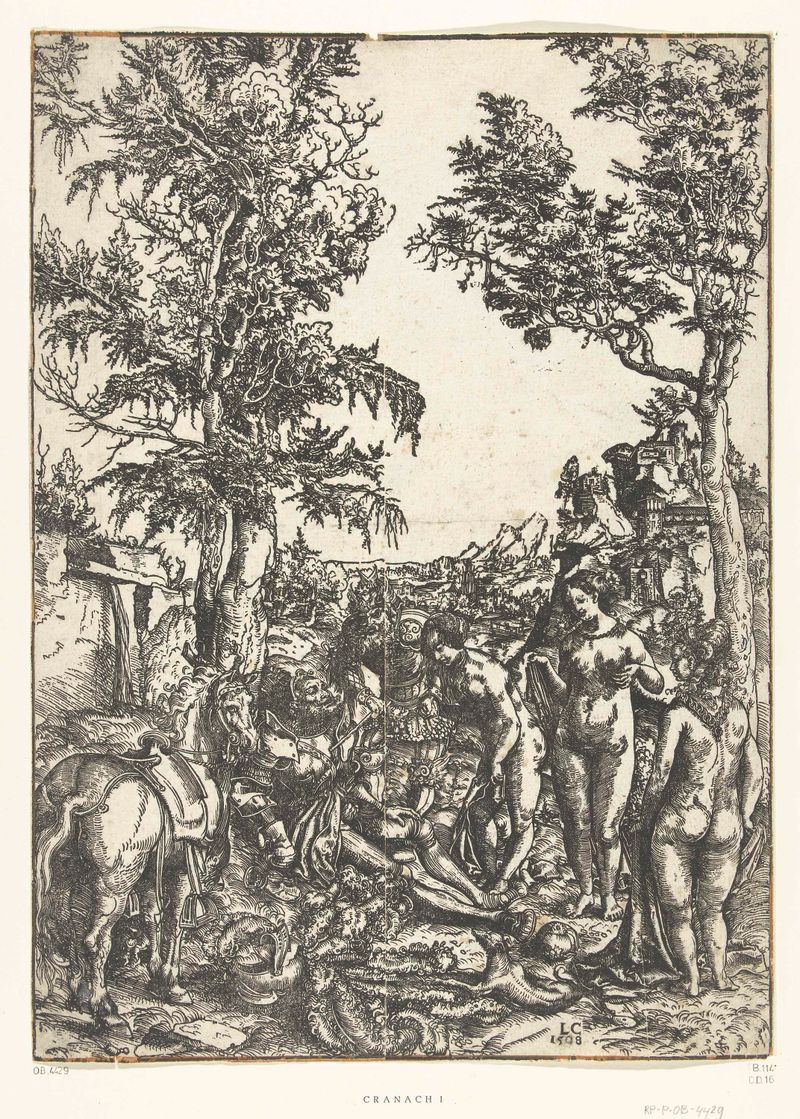
Oordeel van Paris
Lucas Cranach (I)
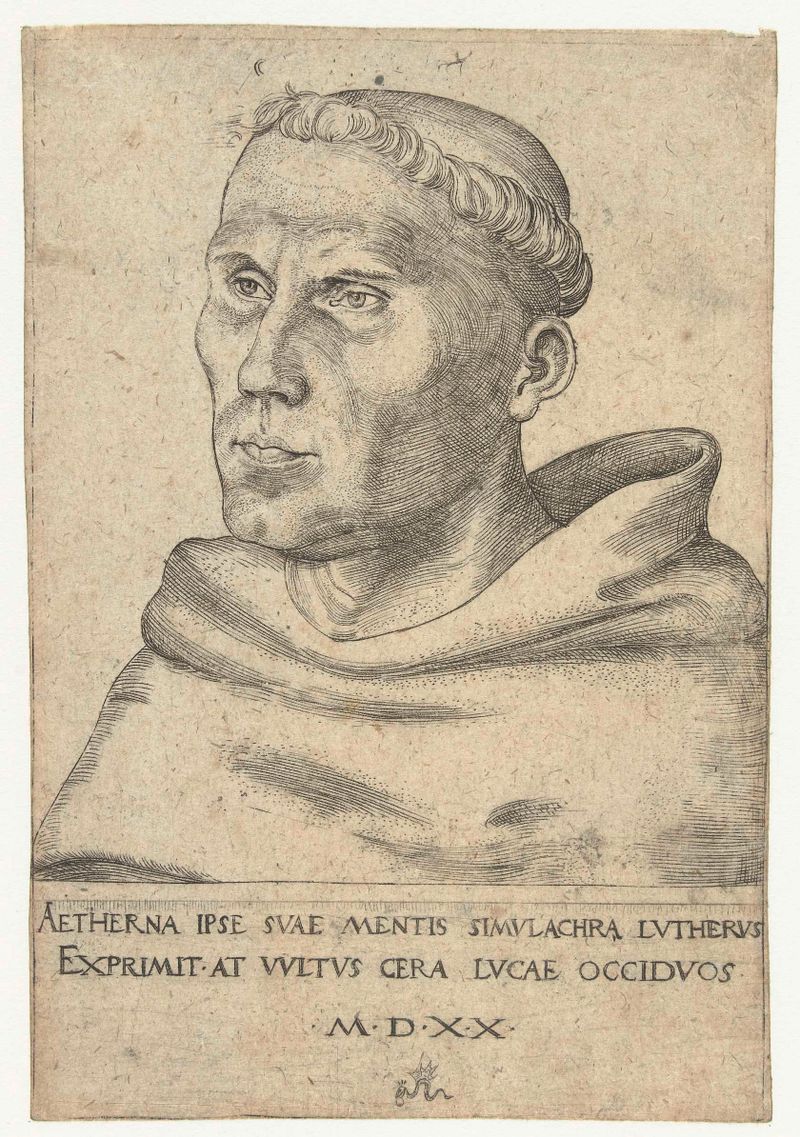
Portret van Martin Luther als Augustijner monnik
Lucas Cranach (I)
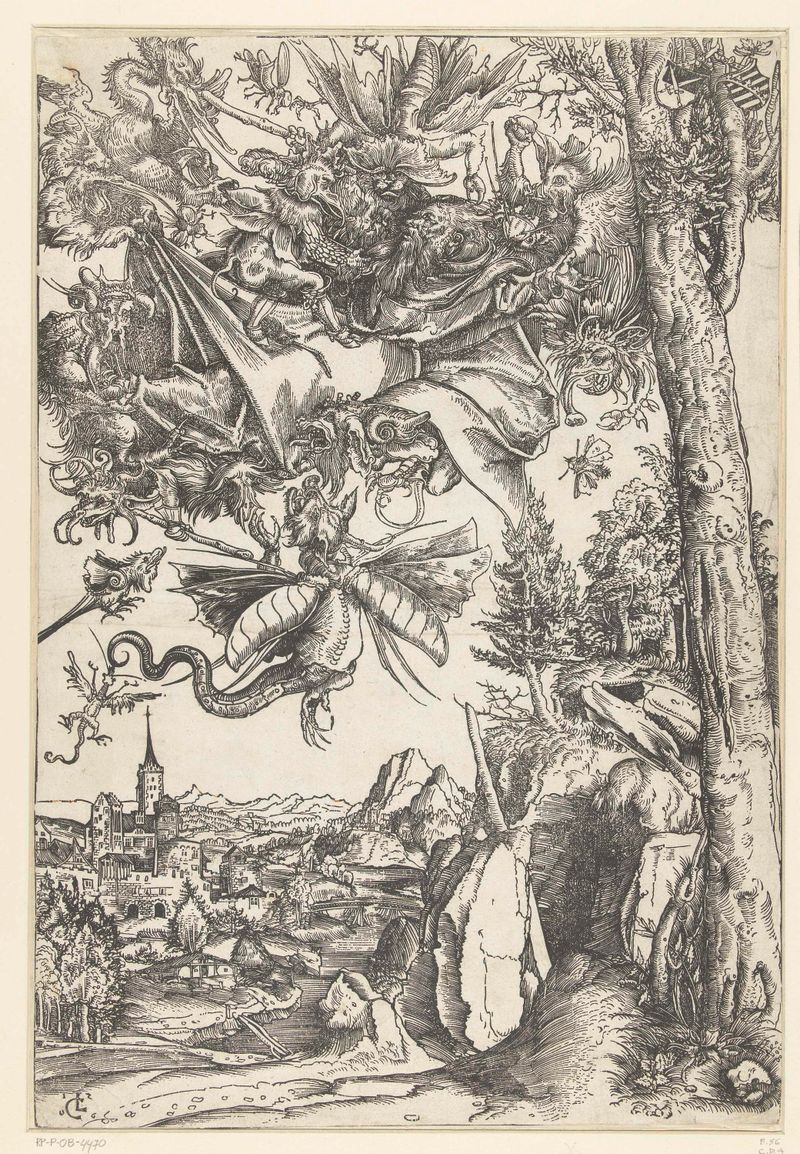
Verzoeking van Antonius met aanval door demonen
Lucas Cranach (I)

Christus en de Samaritaanse vrouw
Lucas Cranach (I)

Duits toernooi met twee edelmannen als ridders te paard
Lucas Cranach (I)
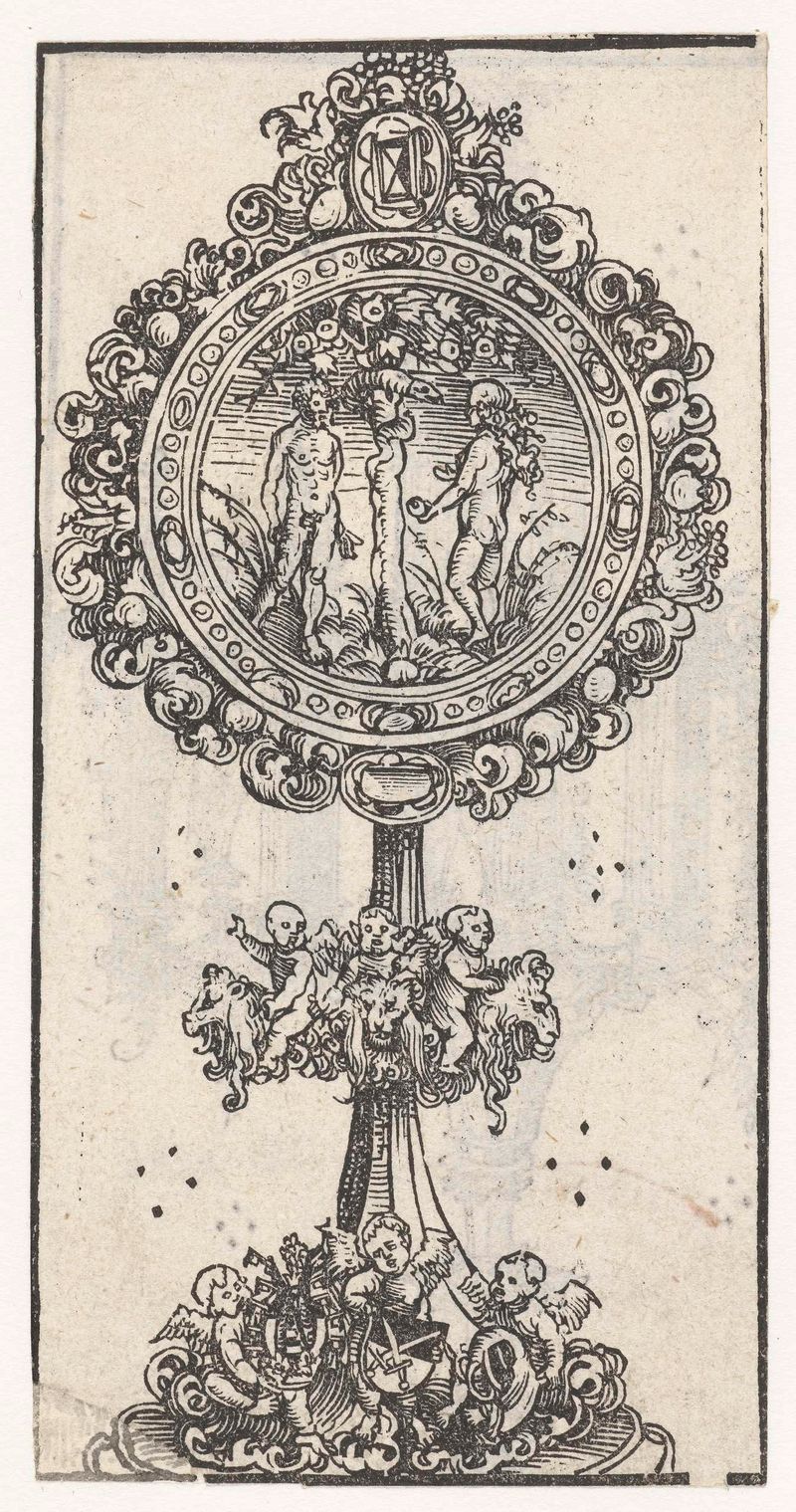
Reliekhouder met de verzoeking van Adam en Eva
Lucas Cranach (I)

Intocht van Christus in Jerusalem
Lucas Cranach (I)
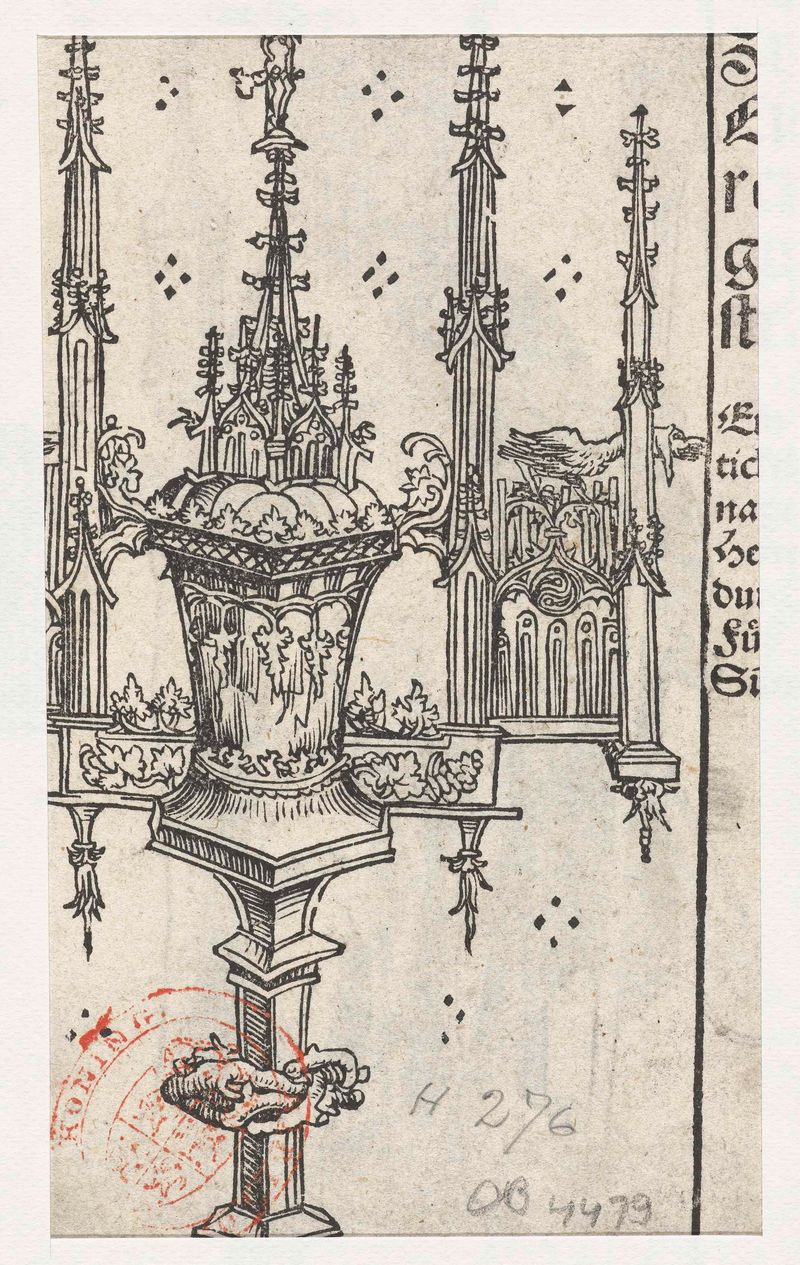
Monstrans met vogel (pelikaan)
Lucas Cranach (I)
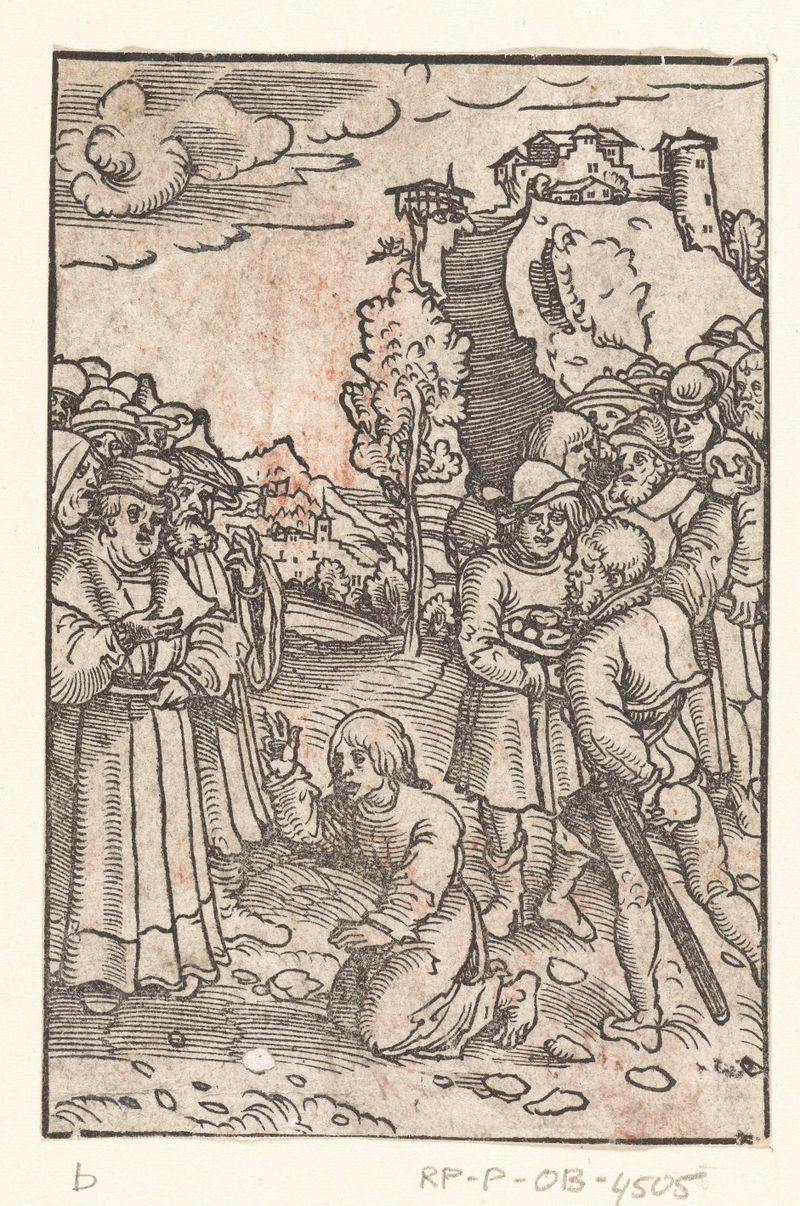
Steniging van Stefanus
Lucas Cranach (I)
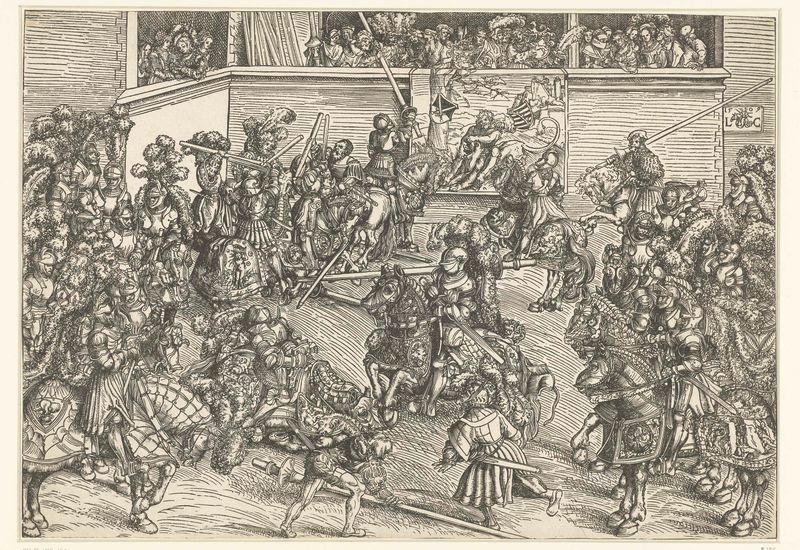
Toernooi van het keurvorstelijk hof van Saksen met wandtapijt Simson doodt de leeuw
Lucas Cranach (I)
More Religious Art
Browse all →
The Return of the Prodigal Son
Rembrandt van Rijn

The Garden of Earthly Delights
El Bosco

Count Orgaz’ funeral
El Greco

The Hundred Guilder Print: the central piece with Christ preaching, the plate arched
Rembrandt van Rijn

The Descent from the Cross
Rogier van der Weyden

The return of the prodigal son
Rembrandt van Rijn