
Abraham Dismissing Hagar and Ishmael — History & Facts
Can beauty exist without sorrow? In Abraham Dismissing Hagar and Ishmael, the answer unfurls through the intricate brushstrokes and poignant narrative captured on canvas. Focus on the central figures: Abraham, resolute yet pained, stands as the embodiment of conflicting emotions. His posture, slightly hunched, suggests an inner struggle, while the soft light illuminating Hagar and Ishmael draws attention to their vulnerability. Notice how the rich earth tones blend with the delicate blues of Hagar's garment, creating a visual metaphor for the bond shared between mother and son, now severed by circumstance.
The horizon stretches behind them; the distant mountains loom large, adding a sense of foreboding to the scene. Delve deeper into the emotional landscape painted here. The tension between duty and compassion radiates from Abraham's averted gaze, embodying the heart-wrenching decision he faces. Hagar's expression conveys a mixture of fear and resignation, while Ishmael's innocent posture invites sympathy, reflecting the innocence lost in their expulsion.
The contrast between Abraham’s strength and Hagar’s fragility highlights the painful transformation they endure. This moment encapsulates the duality of human experience — love intertwined with loss. Antonie Waterloo painted this work between 1640 and 1690, during a time when Dutch art was flourishing in its exploration of human emotion and biblical themes. As he navigated his own life, marked by both artistic success and personal challenges, the artist channeled his observations of the human condition into scenes that resonate with complexity and depth.
This painting stands as a testament to the profound transformations that occur when love meets necessity.
More Artworks by Antonie Waterloo
Browse all →
Gezicht op het dorp Soest
Antonie Waterloo

Hagar comforted by the Angel
Antonie Waterloo

Waldbach, der über Felsen stürzt, über die eine Holzbrücke führt
Antonie Waterloo
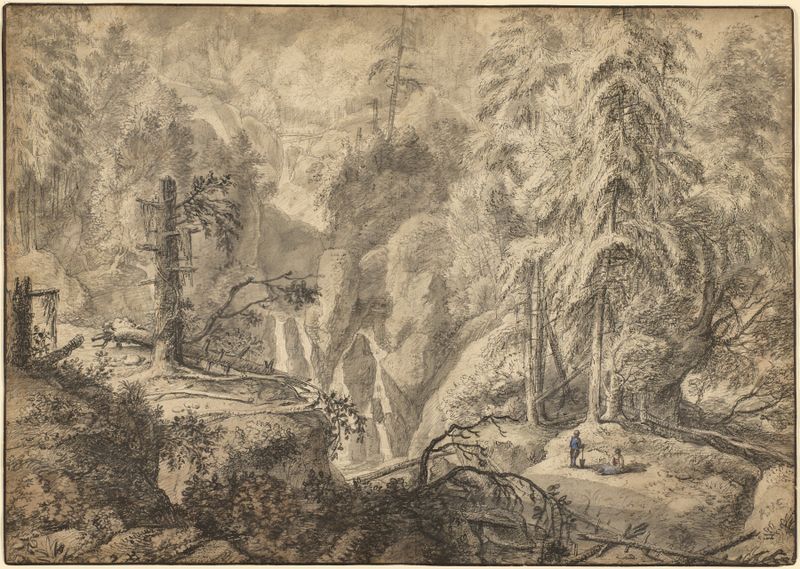
Mountain Landscape, Peasants in a Clearing near a Waterfall
Antonie Waterloo
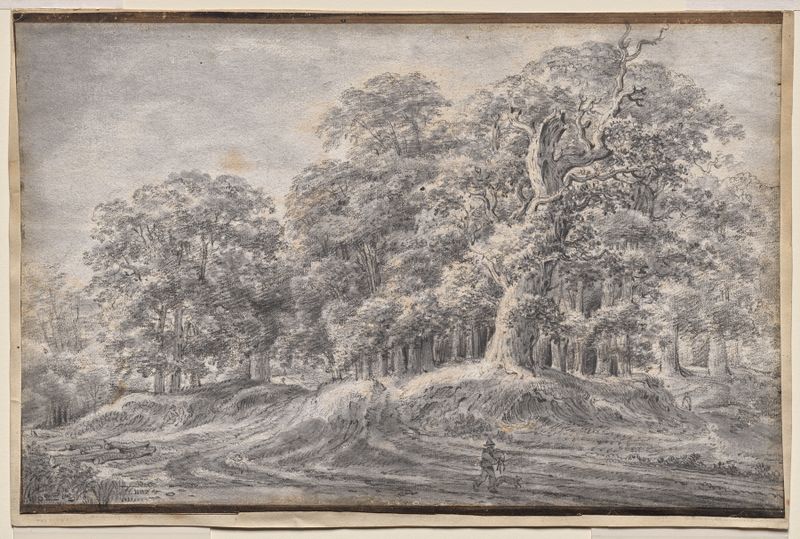
A Track on the Edge of a Wood with a Peasant Carrying Sheep
Antonie Waterloo
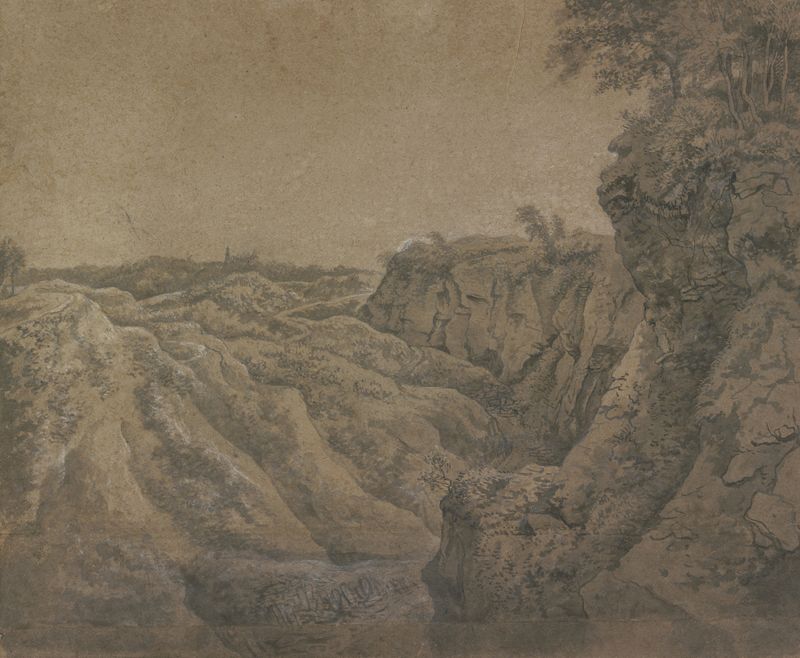
Landscape with a View of Bentheim Castle in the far Distance
Antonie Waterloo
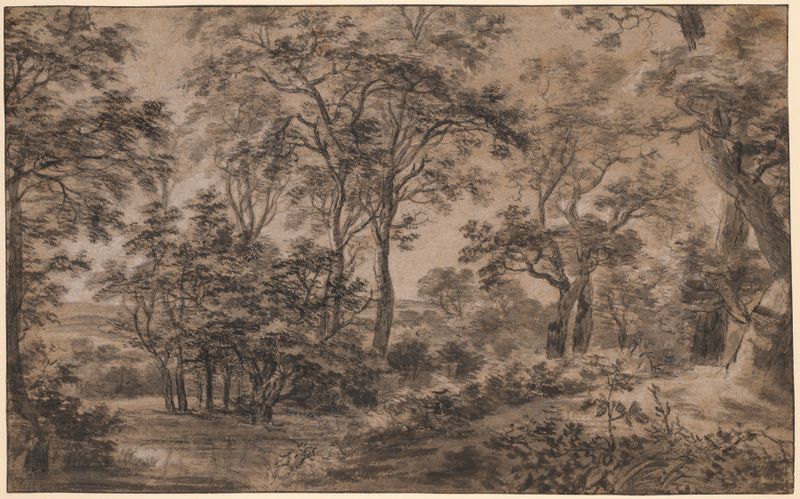
Wooded Landscape
Antonie Waterloo
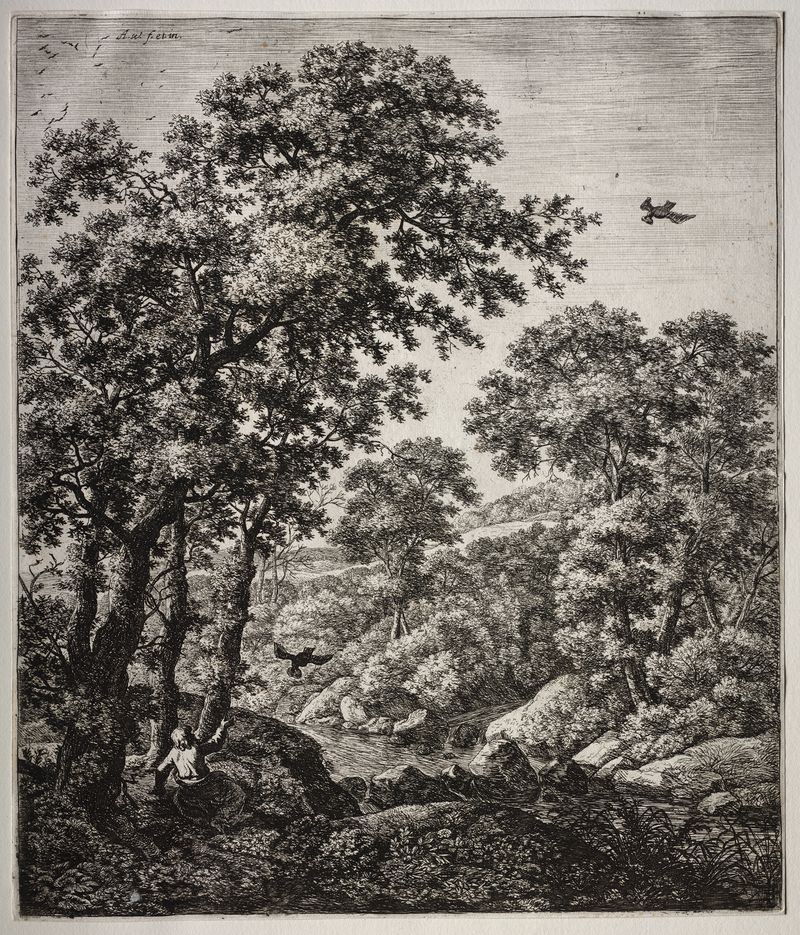
Elijah Fed by the Ravens
Antonie Waterloo
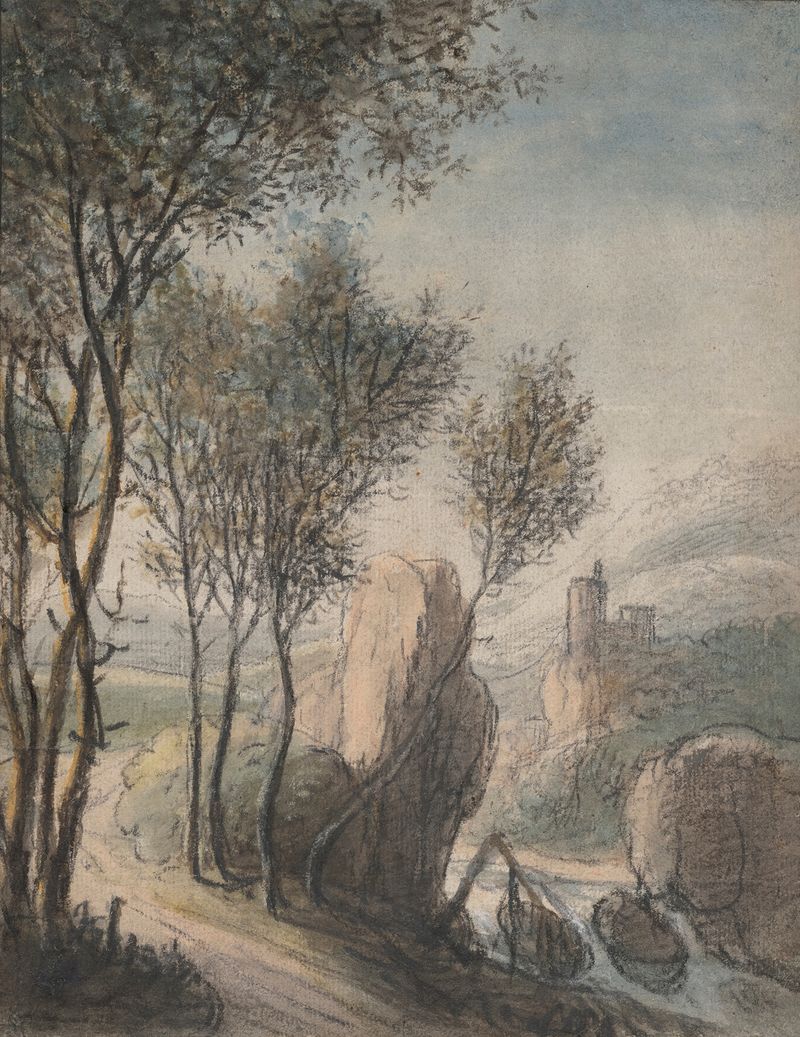
River Landscape with a Castle in the Distance
Antonie Waterloo

Trees and cottages in hilly landscape
Antonie Waterloo
More Religious Art
Browse all →
The Return of the Prodigal Son
Rembrandt van Rijn

The Garden of Earthly Delights
El Bosco

Count Orgaz’ funeral
El Greco

The Hundred Guilder Print: the central piece with Christ preaching, the plate arched
Rembrandt van Rijn

The Descent from the Cross
Rogier van der Weyden

The return of the prodigal son
Rembrandt van Rijn