
Abraham offert zijn zoon Isaac — History & Facts
In the stillness of Abraham offert zijn zoon Isaac, serenity envelops the viewer, inviting contemplation of profound sacrifice and divine command. Look to the left at the figures poised in a moment of hushed tension; the patriarch’s hand, steady yet trembling, grasps the knife, forged with purpose yet clouded by doubt. The ochre and verdant greens that cradle this biblical scene create a harmonious backdrop, highlighting the stark contrast between the warmth of the earthly realm and the cold inevitability of fate. Notice how the light bathes the faces in soft radiance, illuminating Abraham’s resolute demeanor yet casting shadows across Isaac’s youthful innocence, embodying the weight of the moment. Amidst this visual tension lies a deeper dialogue: the juxtaposition of faith and terror, obedience and love.
The delicate contour of Isaac’s body hints at vulnerability while his gaze meets that of his father, suggesting a silent understanding between them that transcends words. The surrounding landscape, tranquil and idyllic, stands in stark contrast to the emotional storm at its center, evoking both serenity and unease—reminding us that peace often exists alongside turmoil. Lucas Cranach (I) painted this work between 1523 and 1526 in Wittenberg, a time when the Protestant Reformation was reshaping the very fabric of religious expression in Europe. As a leading figure of the German Renaissance, he sought to balance personal faith with artistic innovation, capturing complex narratives that spoke to the spiritual struggles of his age while connecting them to universal themes of sacrifice and redemption.
More Artworks by Lucas Cranach (I)
Browse all →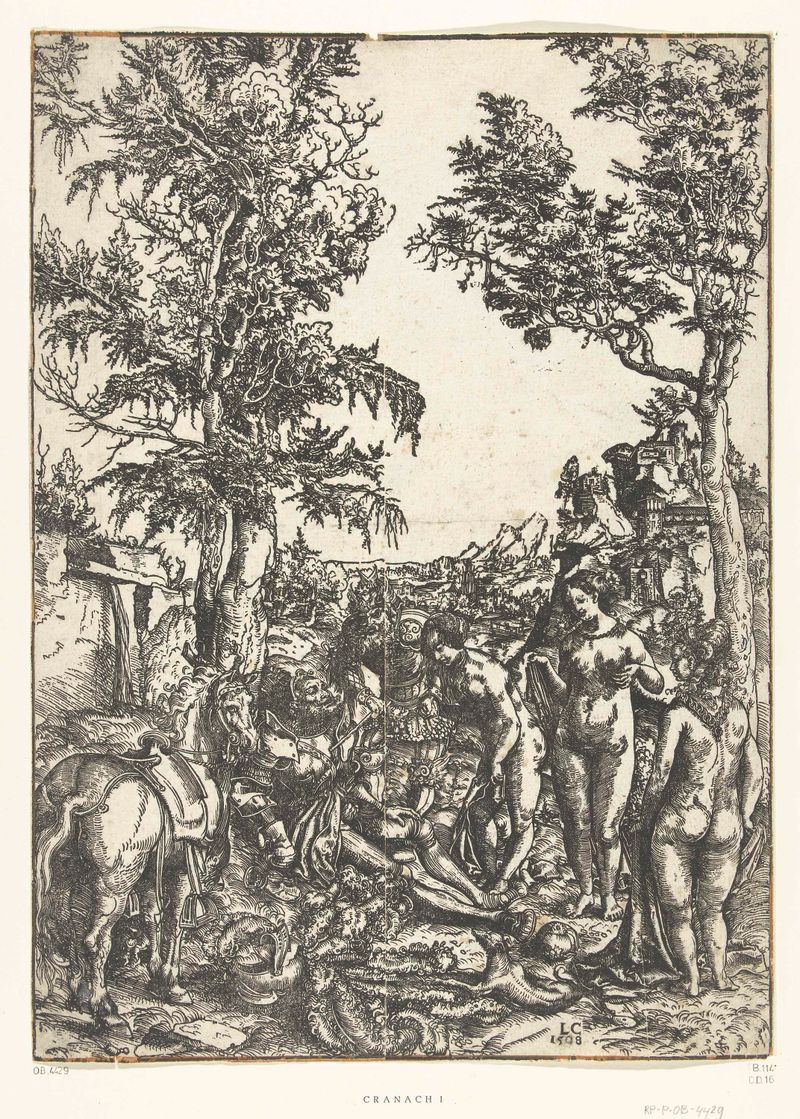
Oordeel van Paris
Lucas Cranach (I)
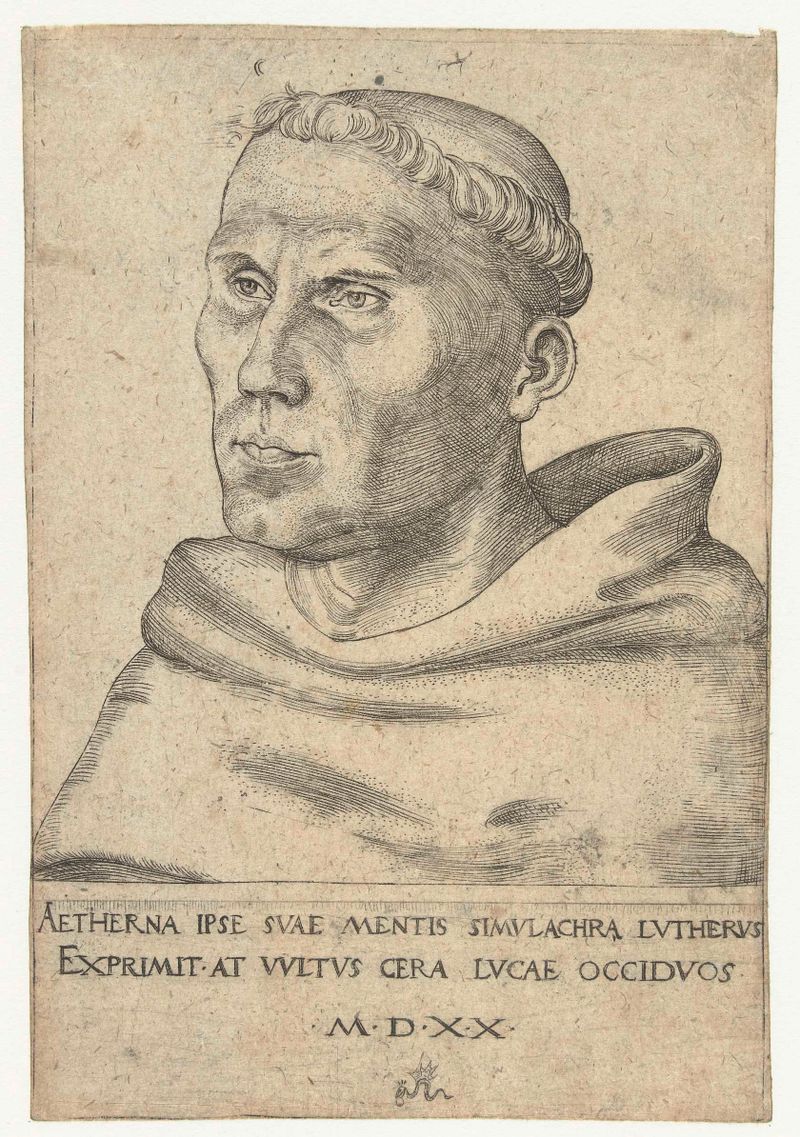
Portret van Martin Luther als Augustijner monnik
Lucas Cranach (I)
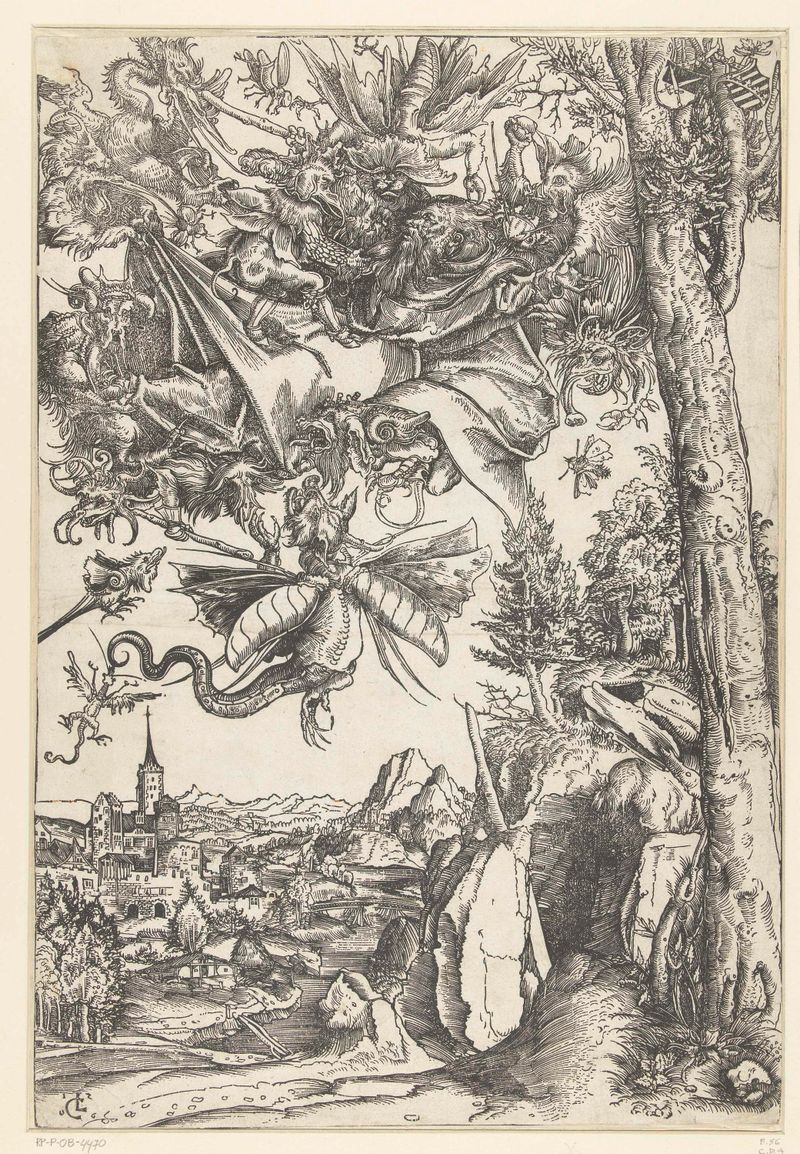
Verzoeking van Antonius met aanval door demonen
Lucas Cranach (I)

Christus en de Samaritaanse vrouw
Lucas Cranach (I)

Duits toernooi met twee edelmannen als ridders te paard
Lucas Cranach (I)
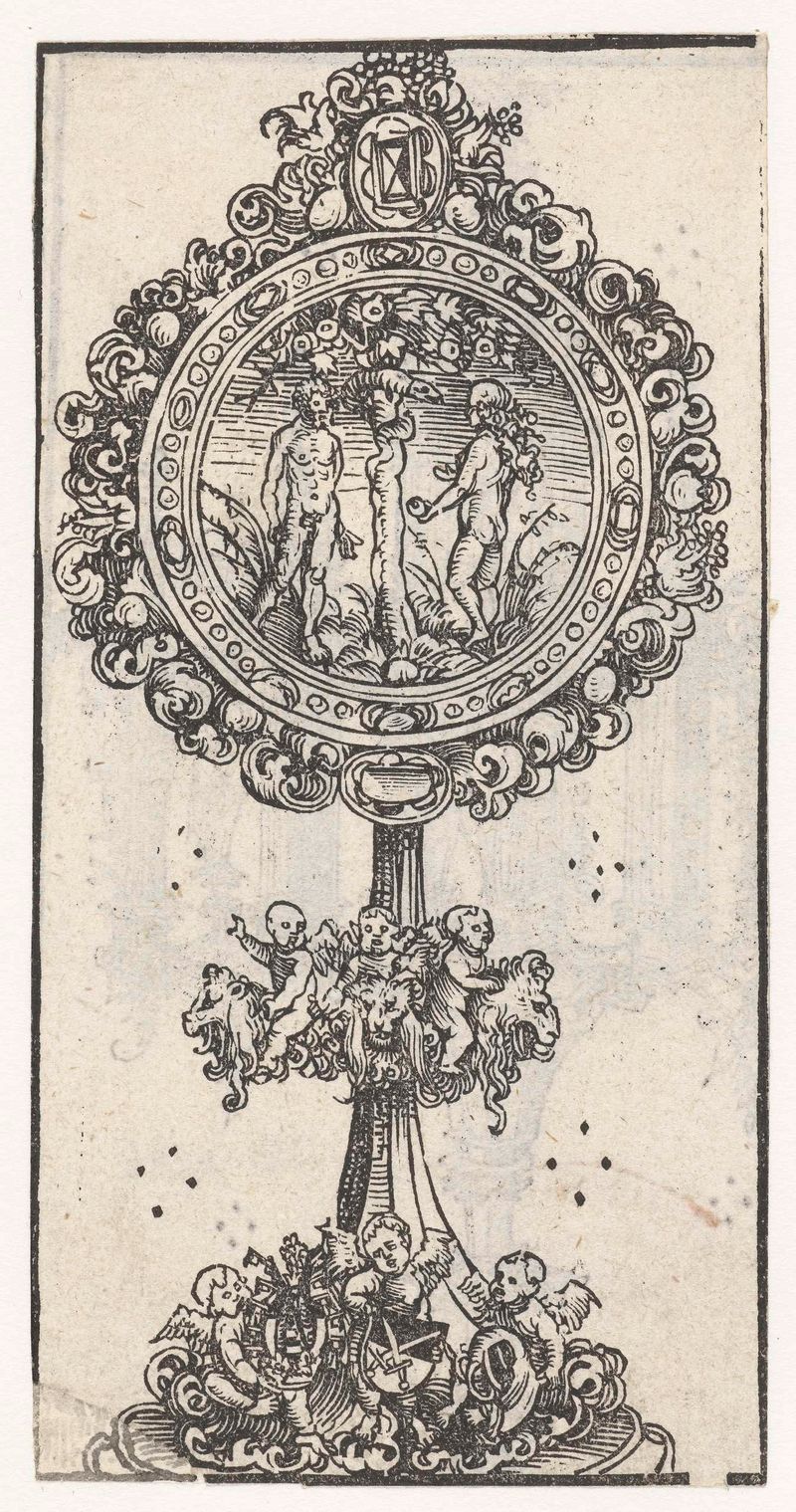
Reliekhouder met de verzoeking van Adam en Eva
Lucas Cranach (I)

Intocht van Christus in Jerusalem
Lucas Cranach (I)
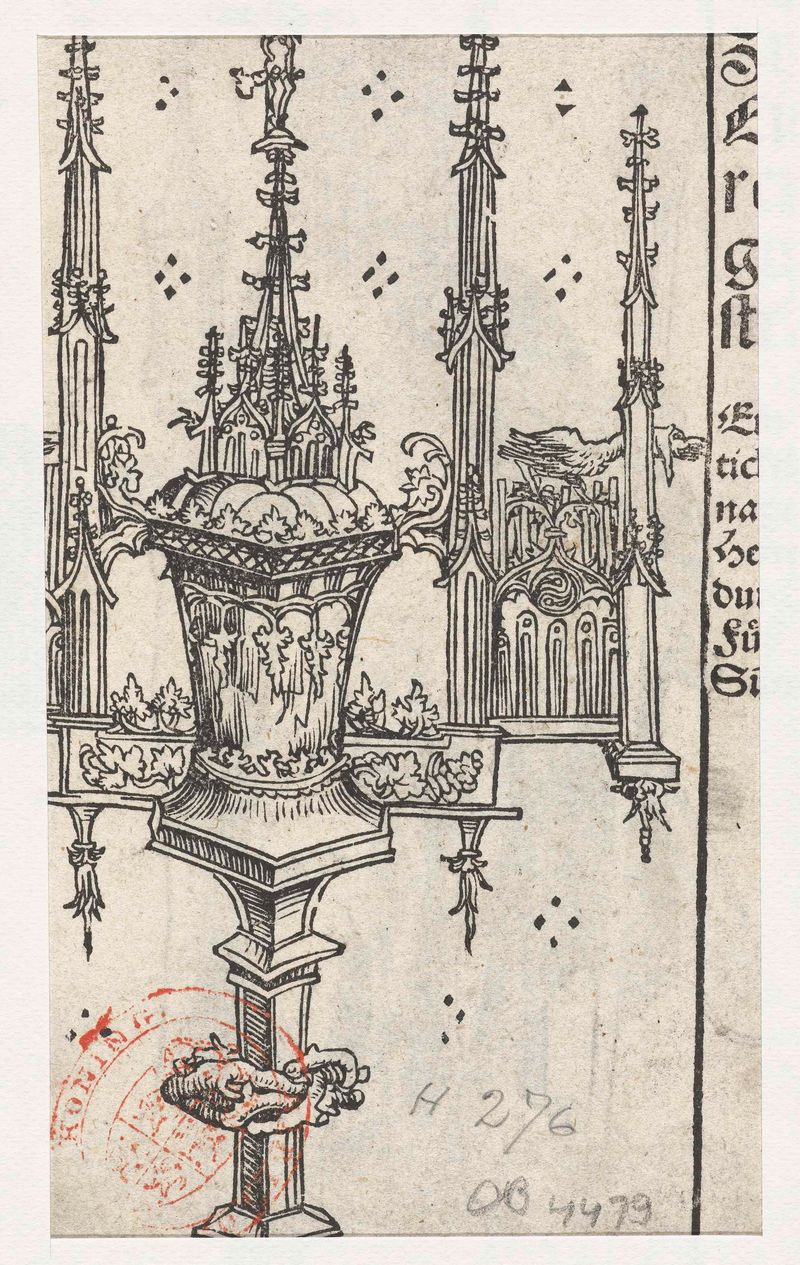
Monstrans met vogel (pelikaan)
Lucas Cranach (I)
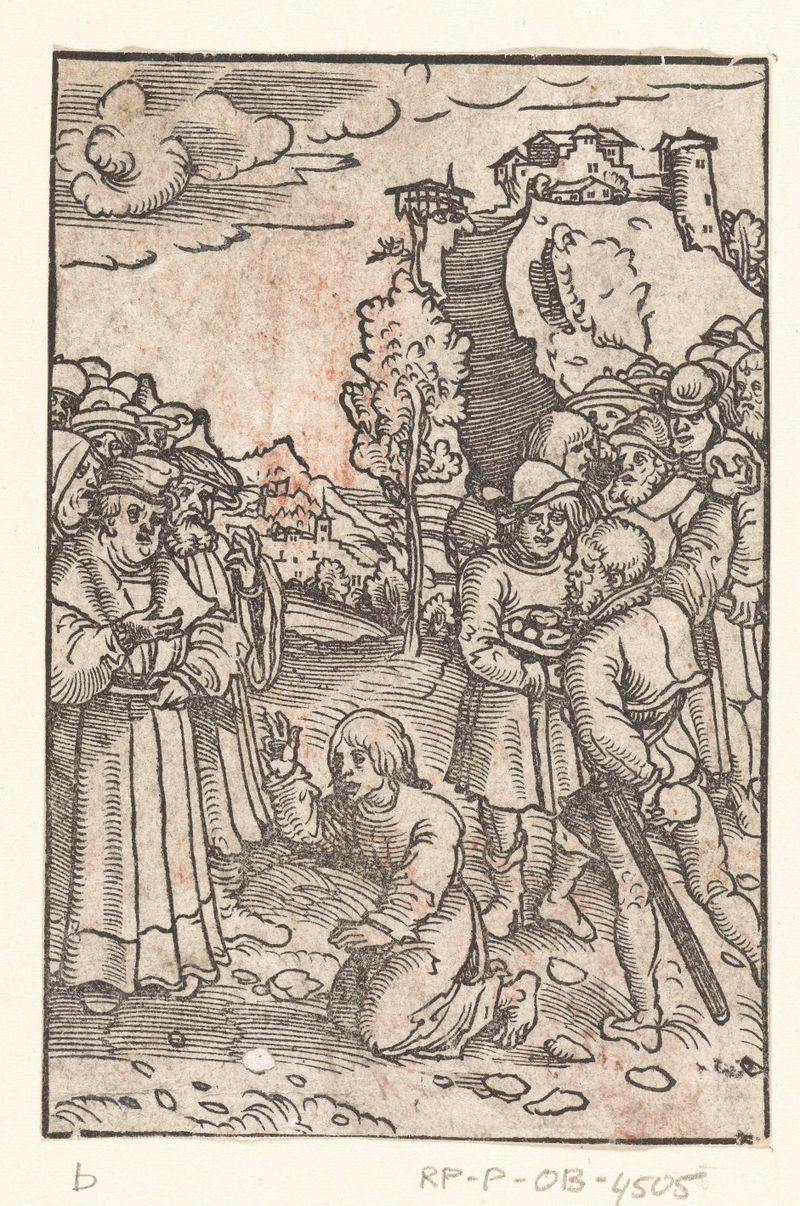
Steniging van Stefanus
Lucas Cranach (I)
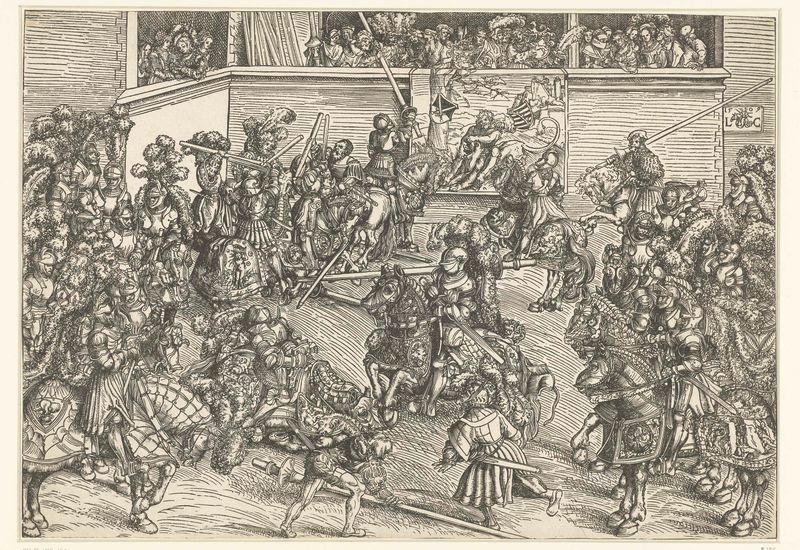
Toernooi van het keurvorstelijk hof van Saksen met wandtapijt Simson doodt de leeuw
Lucas Cranach (I)
More Religious Art
Browse all →
The Return of the Prodigal Son
Rembrandt van Rijn

The Garden of Earthly Delights
El Bosco

Count Orgaz’ funeral
El Greco

The Hundred Guilder Print: the central piece with Christ preaching, the plate arched
Rembrandt van Rijn

The Descent from the Cross
Rogier van der Weyden

The return of the prodigal son
Rembrandt van Rijn