
Abraham verdrijft Hagar en Ismaël — History & Facts
Can beauty exist without sorrow? In the passionate interplay of color and shadow, this question resonates profoundly, as the narrative of Abraham verdrijft Hagar en Ismaël unfolds. Look closely at the vibrant hues that envelop the figures. The warm, golden tones of Abraham’s robe contrast sharply with the cooler blues and greens that drape Hagar’s form. Notice how the artist employs a dynamic palette, breathing life into each character while simultaneously heightening the emotional stakes of their confrontation.
The chiaroscuro technique gives depth to the scene, directing our gaze towards the expressions etched on their faces, laden with a mixture of anguish and resolve. As your eyes wander across the canvas, consider the stark emotional divide between Abraham and Hagar. The tension in their body language—the clenched fists and averted gazes—suggests a heart-wrenching conflict of duty and compassion. The desolate landscape in the background amplifies a sense of isolation, emphasizing the gravity of their predicament.
Each brushstroke seems imbued with the weight of their shared history and the impending sorrow of separation. Georg Pencz completed this work between 1541 and 1545, during a period marked by artistic transition in Northern Europe. Emerging from the late Gothic style, Pencz was influenced by the Renaissance ideals of balance and human emotion. At this time, the Reformation was reshaping not just religion but also the role of art in society, prompting artists like Pencz to explore deeper narratives that depicted the complexities of human relationships.
More Artworks by Georg Pencz
Browse all →
Parabel van de zaaier
Georg Pencz

Parabel van de arbeiders in de wijngaard
Georg Pencz
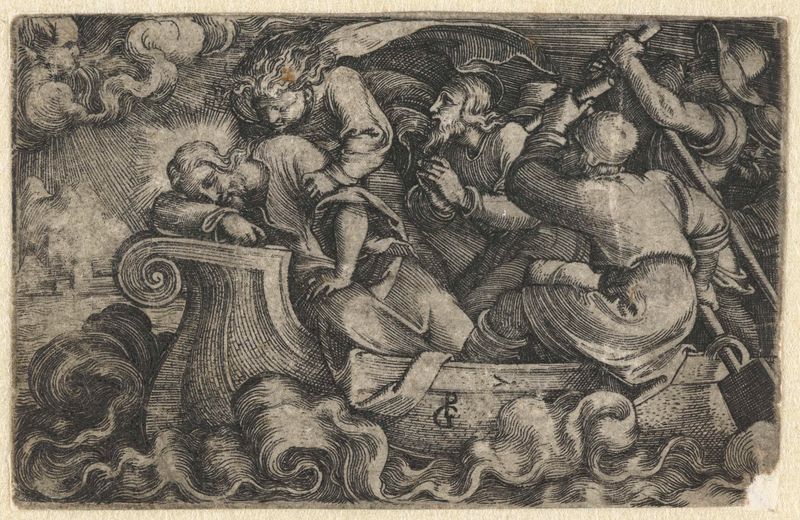
Discipelen wekken slapende Christus tijdens storm op Meer van Galilea
Georg Pencz

Afgunst (Invidia)
Georg Pencz
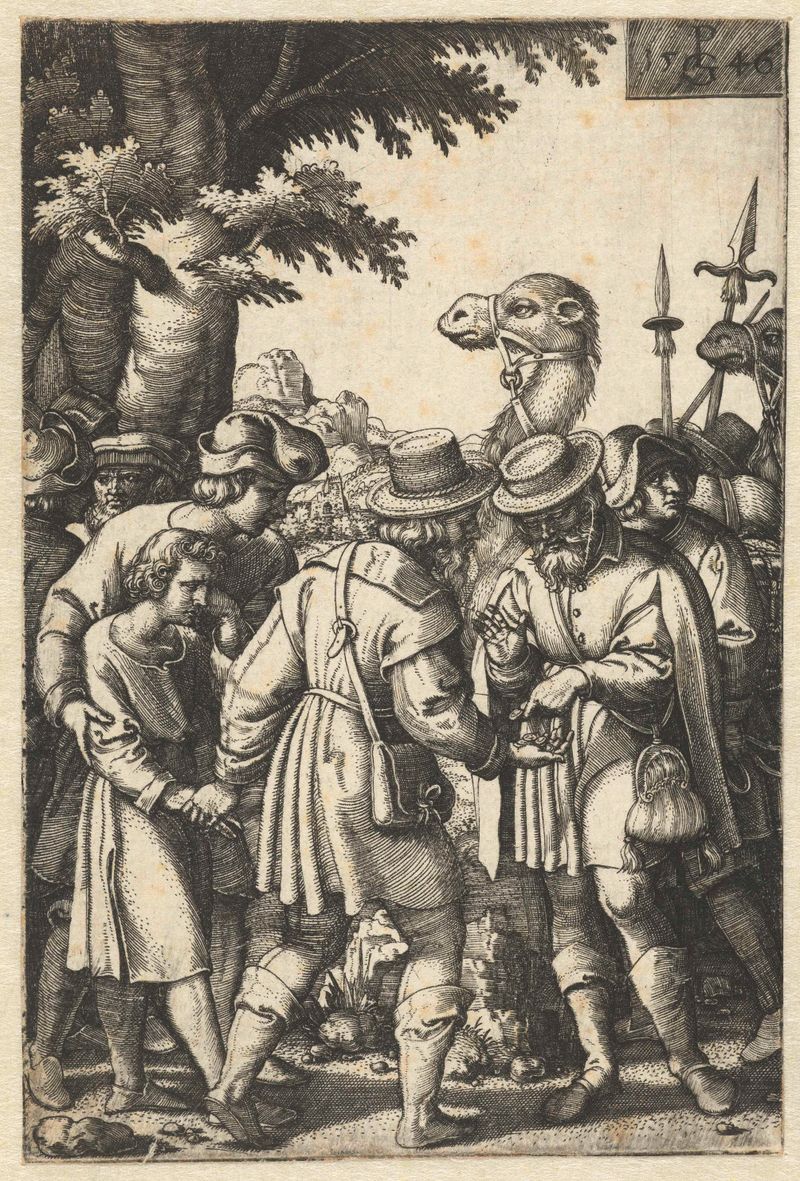
Jozef wordt verkocht aan kooplieden op weg naar Egypte
Georg Pencz

Aanbidding der koningen
Georg Pencz
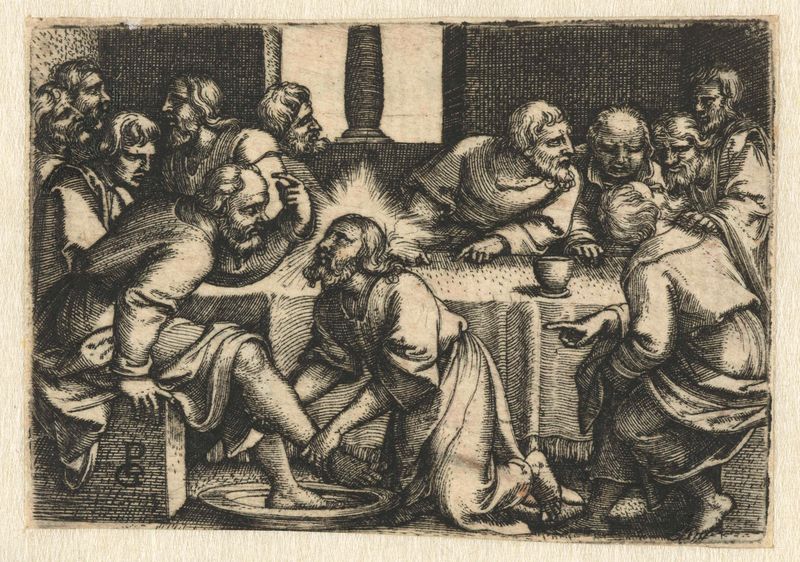
Petrus protesteert als Christus zijn voeten wast
Georg Pencz
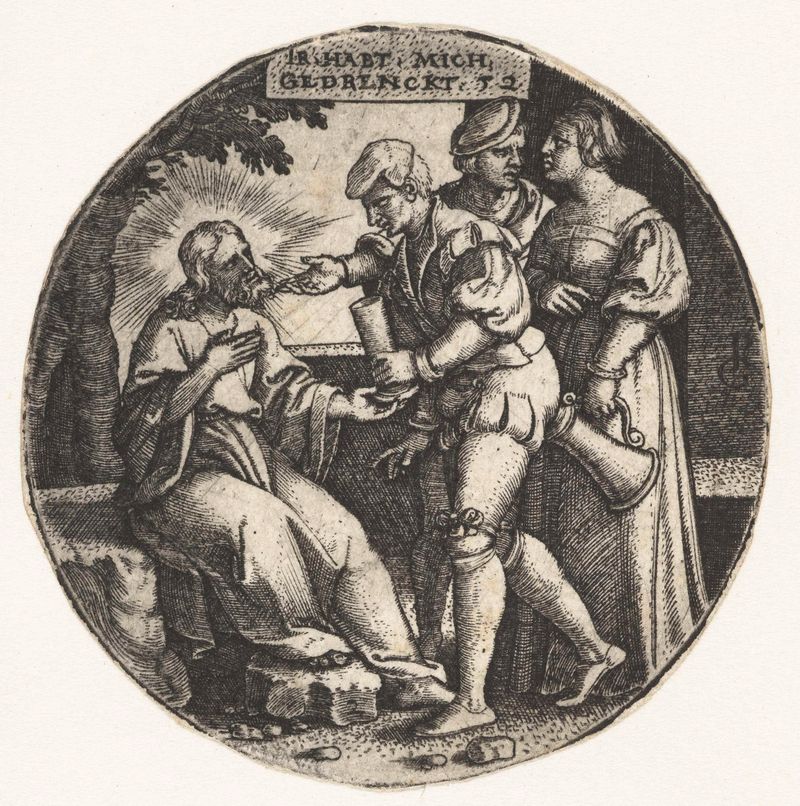
Christus heeft dorst en krijgt drinken aangeboden
Georg Pencz
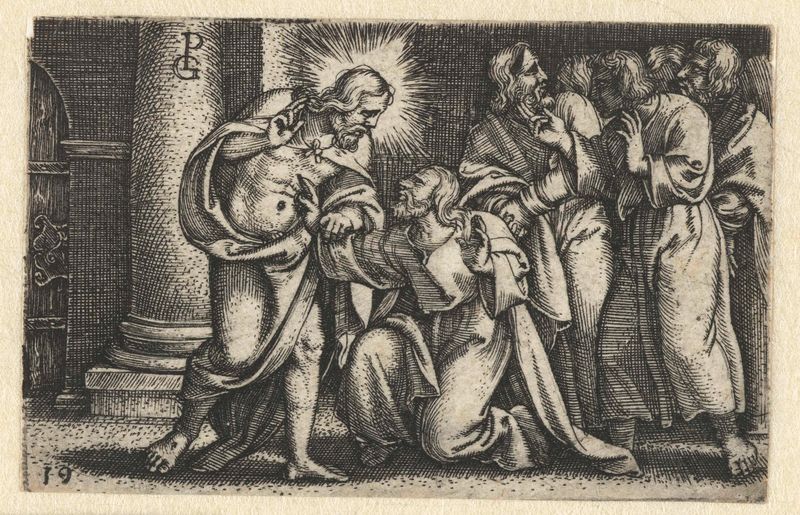
Ongelovige Thomas raakt wonden Christus aan
Georg Pencz

Offer van Abraham van Isaak
Georg Pencz
More Religious Art
Browse all →
The Return of the Prodigal Son
Rembrandt van Rijn

The Garden of Earthly Delights
El Bosco

Count Orgaz’ funeral
El Greco

The Hundred Guilder Print: the central piece with Christ preaching, the plate arched
Rembrandt van Rijn

The Descent from the Cross
Rogier van der Weyden

The return of the prodigal son
Rembrandt van Rijn