
Abraham verdrijft Hagar en Ismaël — History & Facts
In the struggle between faith and fate, artists like Georg Pencz have captured moments that resonate across centuries. His work serves as a profound reminder of the emotional landscapes woven into our human experience. Look to the center of Abraham verdrijft Hagar en Ismaël, and you’ll find Abraham, a figure of divine authority, thrusting Hagar and her child into the wilderness. The contrast of their desperate expressions against the stark, barren landscape reveals the tension of abandonment.
Notice how the somber earth tones envelop the figures, while the stark light highlights their separation from the divine promise that Abraham embodies. Each brushstroke conveys a raw emotional truth, capturing a moment that feels both eternal and deeply personal. The painting invites reflection on the themes of sacrifice and the weight of divine duty. Hagar's downturned gaze and Ismaël's small, vulnerable form emphasize the cruelty of their fate, juxtaposed with Abraham’s poised stance, symbolizing the burden of faith.
The swirling clouds in the sky echo the turmoil of their emotions, suggesting an impending storm—both literal and metaphorical. This complexity reveals the often-painful path of faith, entwined with the harsh realities of human existence. Pencz created this poignant work between 1541 and 1545 during his time in Nuremberg. The period was marked by religious turmoil, as the Reformation profoundly impacted art and society.
Influenced by both Northern Renaissance techniques and biblical themes, Pencz sought to explore the depth of human emotion in his depictions of sacred narratives, capturing the poignant interplay of faith and despair.
More Artworks by Georg Pencz
Browse all →
Parabel van de zaaier
Georg Pencz

Parabel van de arbeiders in de wijngaard
Georg Pencz
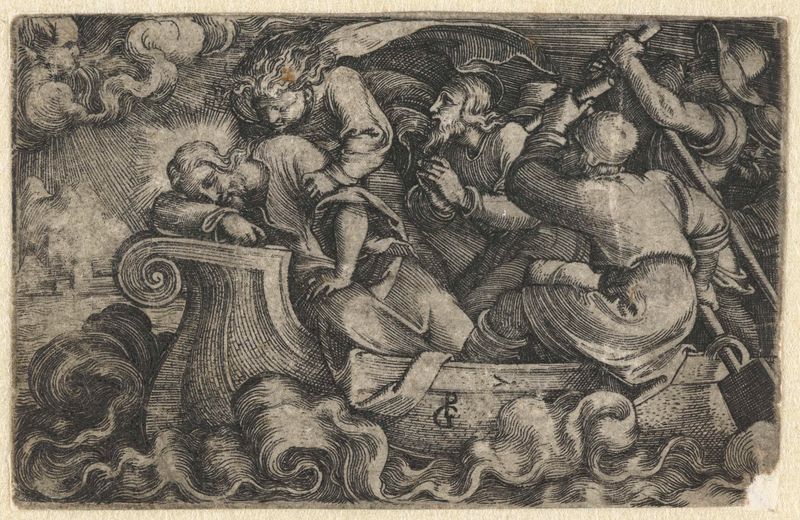
Discipelen wekken slapende Christus tijdens storm op Meer van Galilea
Georg Pencz

Afgunst (Invidia)
Georg Pencz
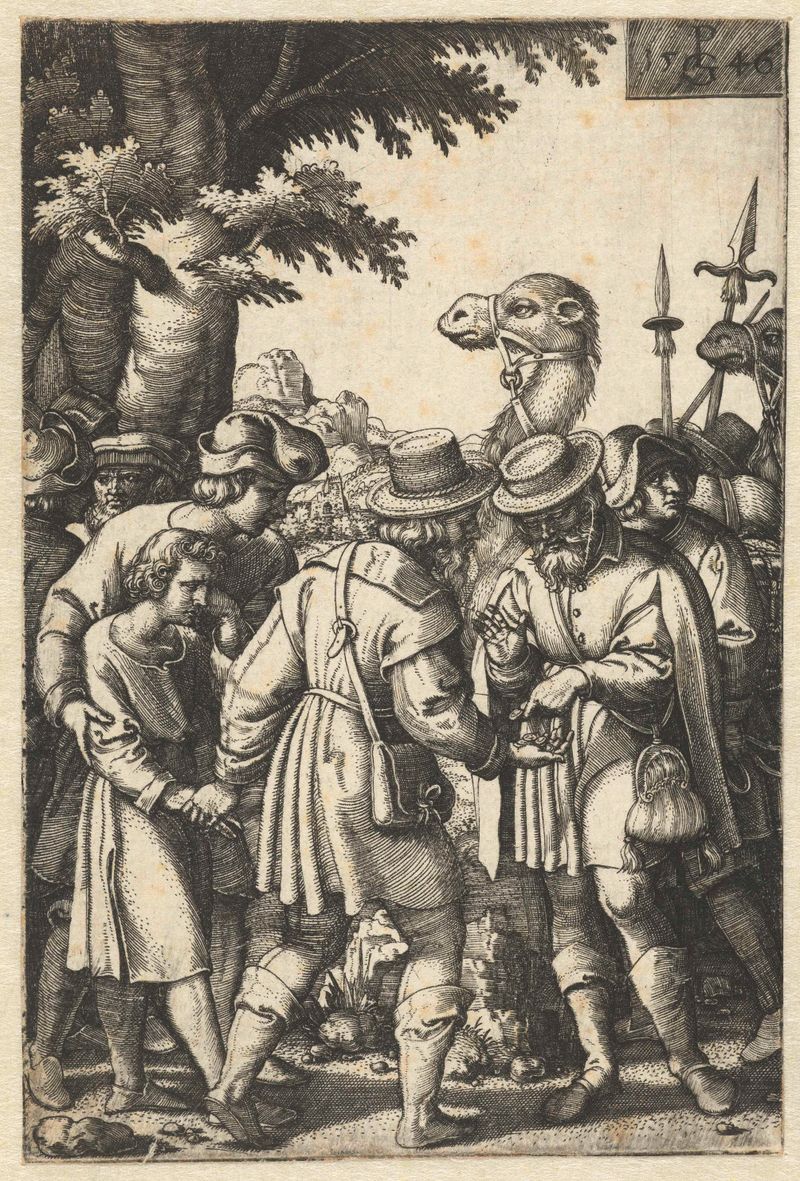
Jozef wordt verkocht aan kooplieden op weg naar Egypte
Georg Pencz

Aanbidding der koningen
Georg Pencz
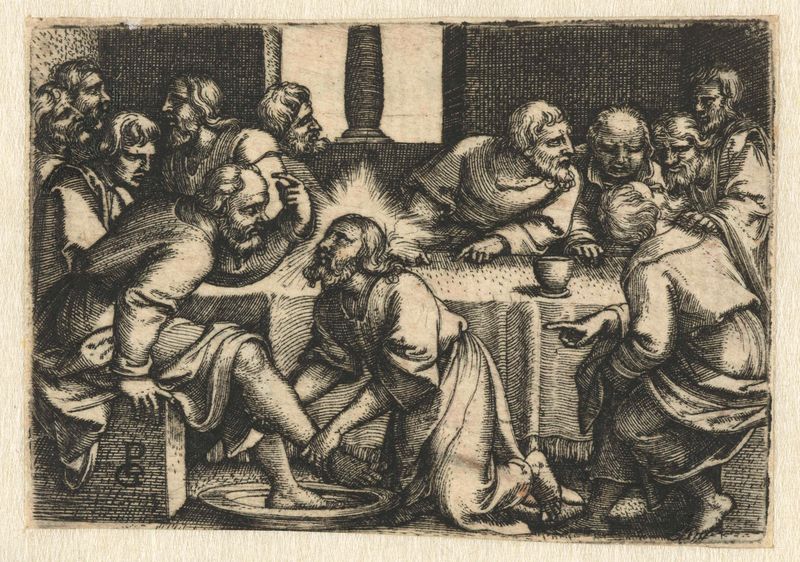
Petrus protesteert als Christus zijn voeten wast
Georg Pencz
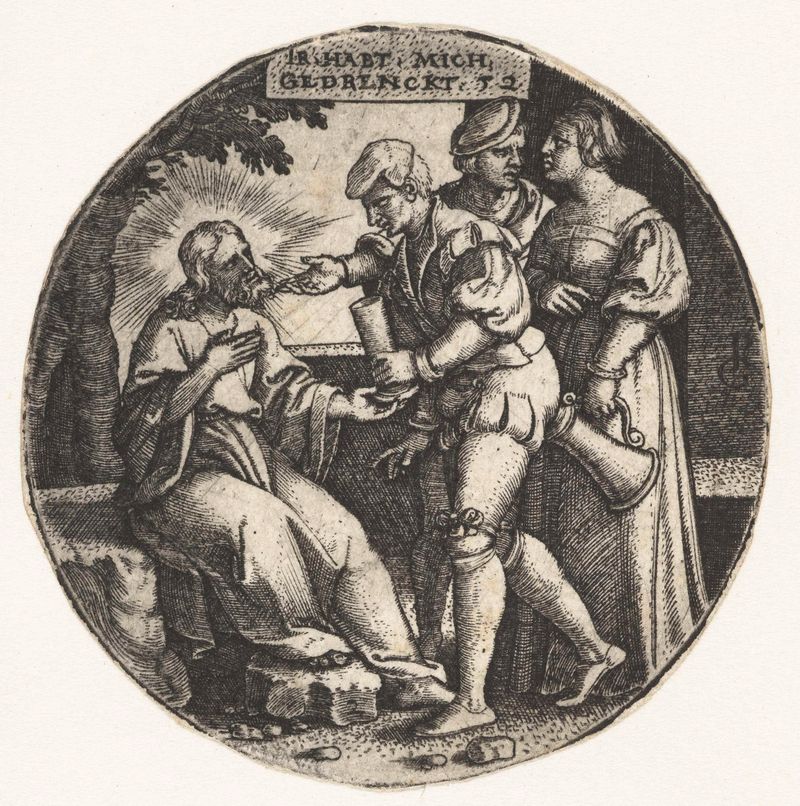
Christus heeft dorst en krijgt drinken aangeboden
Georg Pencz
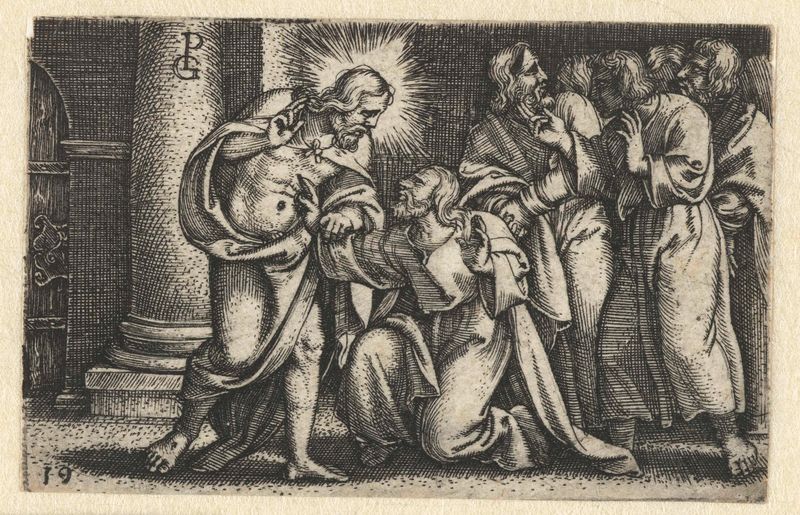
Ongelovige Thomas raakt wonden Christus aan
Georg Pencz

Offer van Abraham van Isaak
Georg Pencz
More Religious Art
Browse all →
The Return of the Prodigal Son
Rembrandt van Rijn

The Garden of Earthly Delights
El Bosco

Count Orgaz’ funeral
El Greco

The Hundred Guilder Print: the central piece with Christ preaching, the plate arched
Rembrandt van Rijn

The Descent from the Cross
Rogier van der Weyden

The return of the prodigal son
Rembrandt van Rijn