
Abstrakter Kopf, Schicksal (N° 5) 1918, Museum Wiesbaden — History & Facts
A face emerges here not through detail, but through the gentle insistence of line and the hush of pale color. The most striking thing is how Alexej von Jawlensky conjures a presence from the barest essentials: a single vertical stroke becomes a nose, two horizontal bars a pair of eyes, and a sweep of crimson suggests a cheek or a thought. The right side of the face is marked by a patch of deep red, almost as if emotion itself has taken visible form.
The palette is soft—powdery pinks, creams, and sky blues—yet the black and red lines cut through with a quiet certainty, giving the composition both calm and tension. The face feels at once monumental and fragile, as if it could vanish with a breath. Painted in 1918, this work belongs to a moment when artists across Europe were searching for new ways to express the inner life. Jawlensky was part of this shift, moving away from the visible world toward the spiritual, the universal.
The simplified head, rendered almost as a mask, echoes the artist’s fascination with icons and the meditative power of repetition. Such paintings were not made for grand salons, but for private contemplation—objects to be lived with, not merely looked at. Today, Abstrakter Kopf, Schicksal (N° 5) resides in the Museum Wiesbaden, a quiet witness to a world in upheaval, inviting viewers to find meaning in the simplest of forms.
More Artworks by Alexej von Jawlensky

Murnau
Alexej von Jawlensky
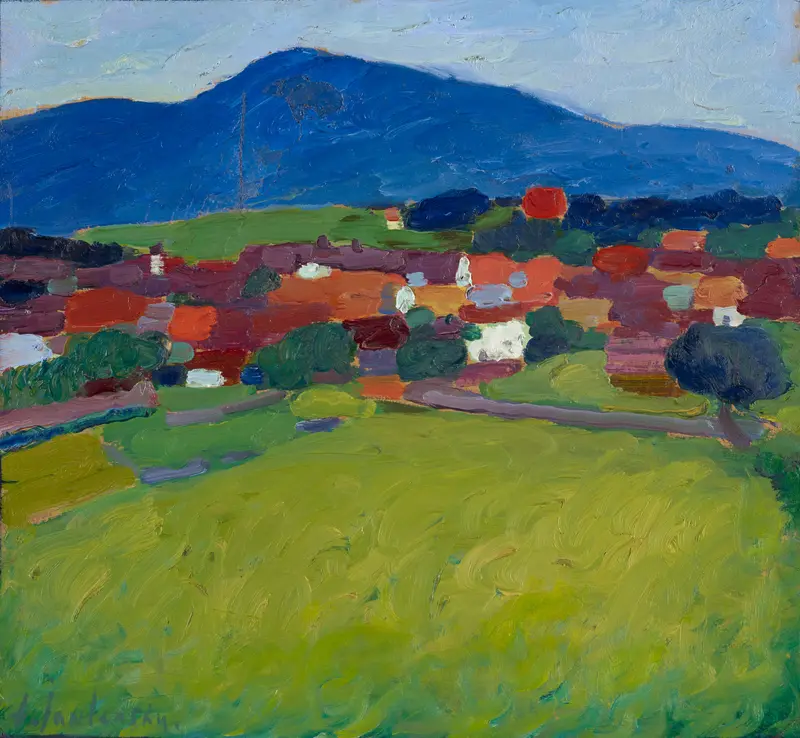
The Village Of Murnau
Alexej von Jawlensky
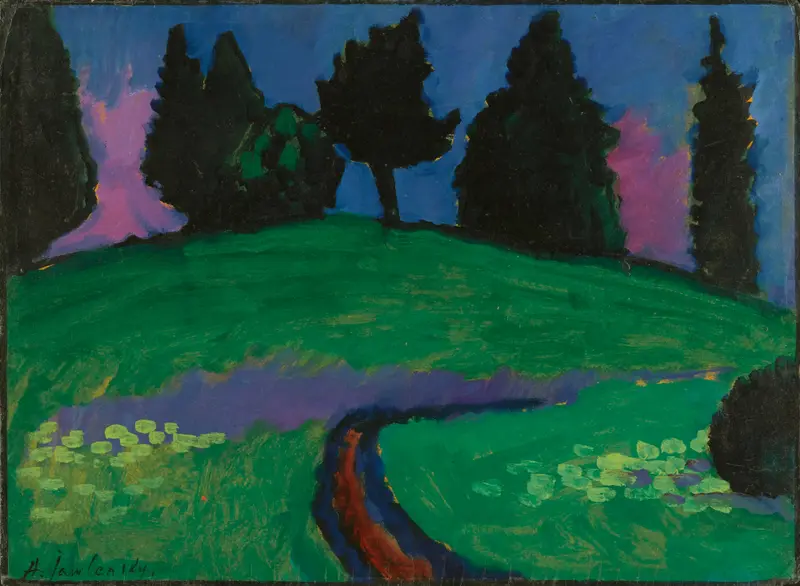
Dunkle Bäume über Grünem Hang (Dark Trees Over Green Slope)
Alexej von Jawlensky
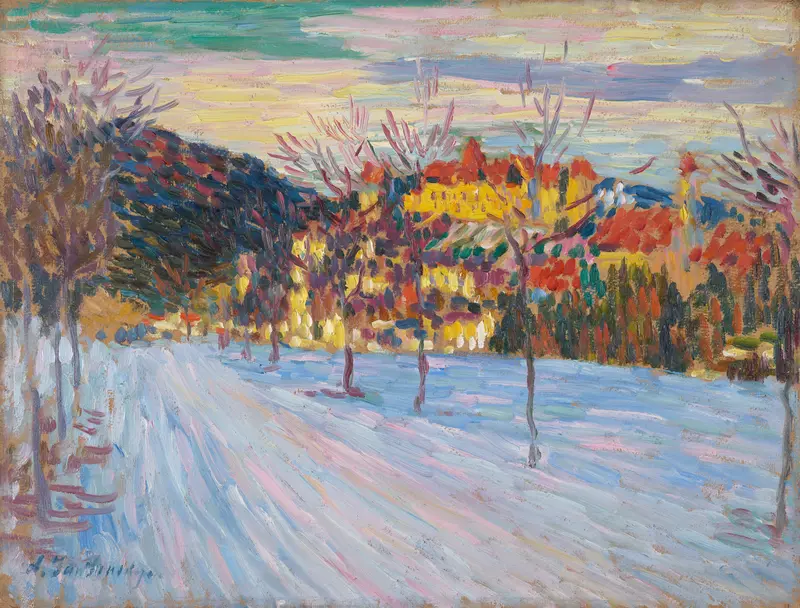
Füssen
Alexej von Jawlensky
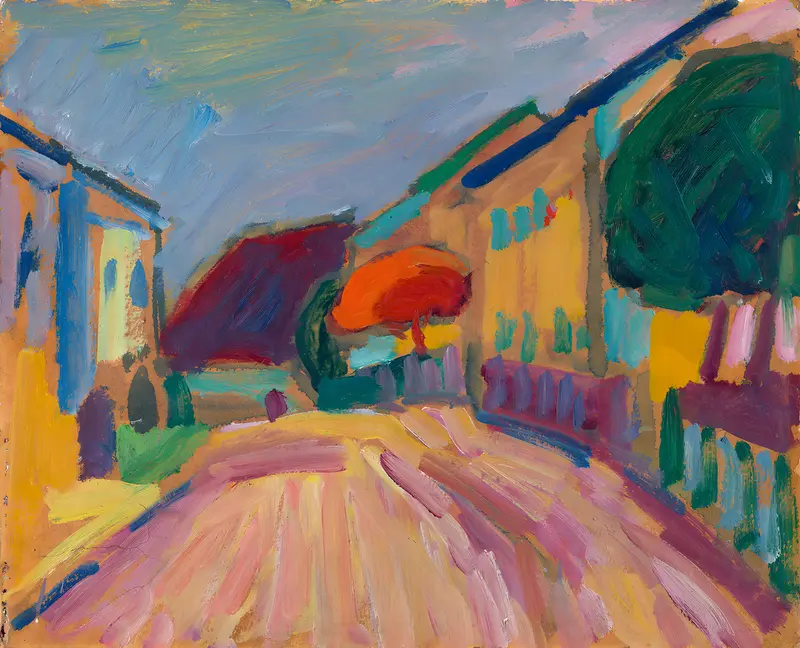
Sketch from Murnau
Alexej von Jawlensky
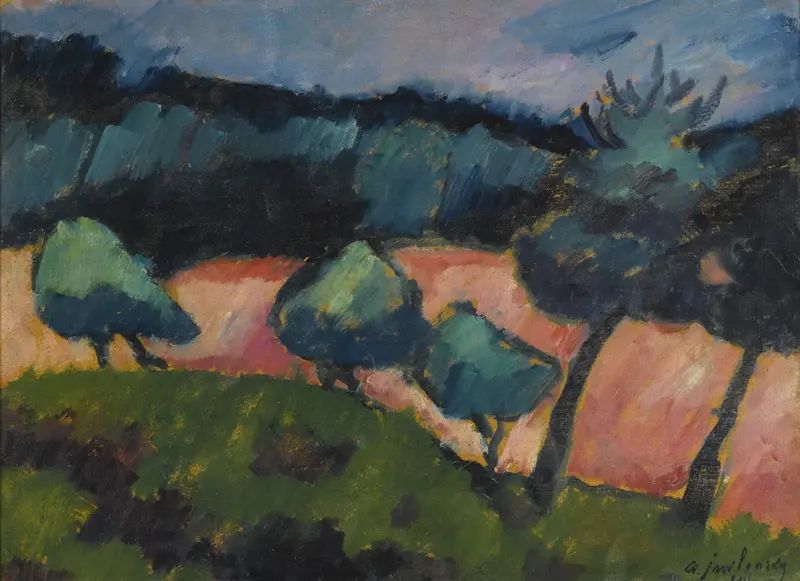
Bäume und Dünen in Prerow (Trees and dunes in Prerow)
Alexej von Jawlensky
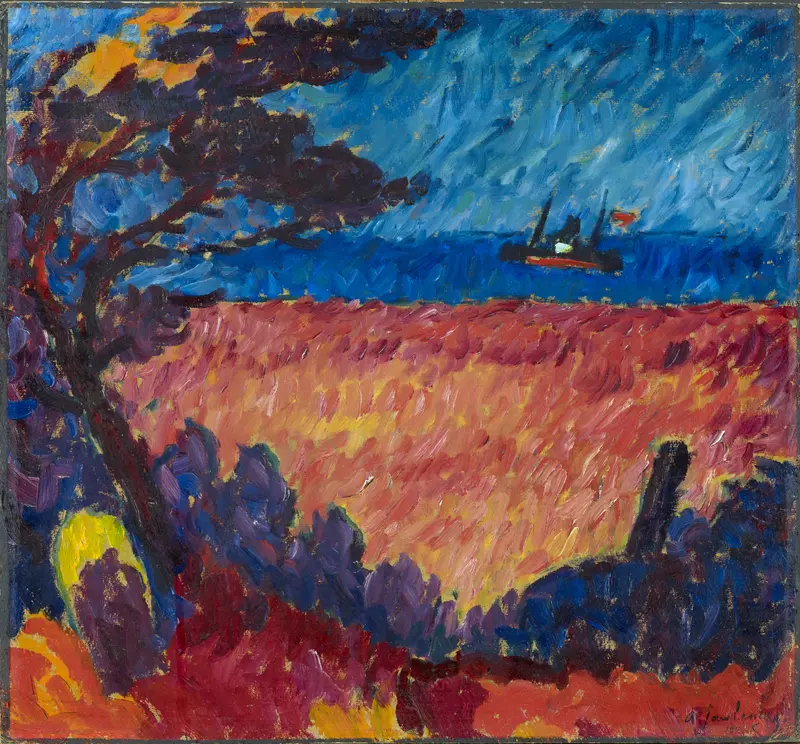
At The Baltic Sea
Alexej von Jawlensky
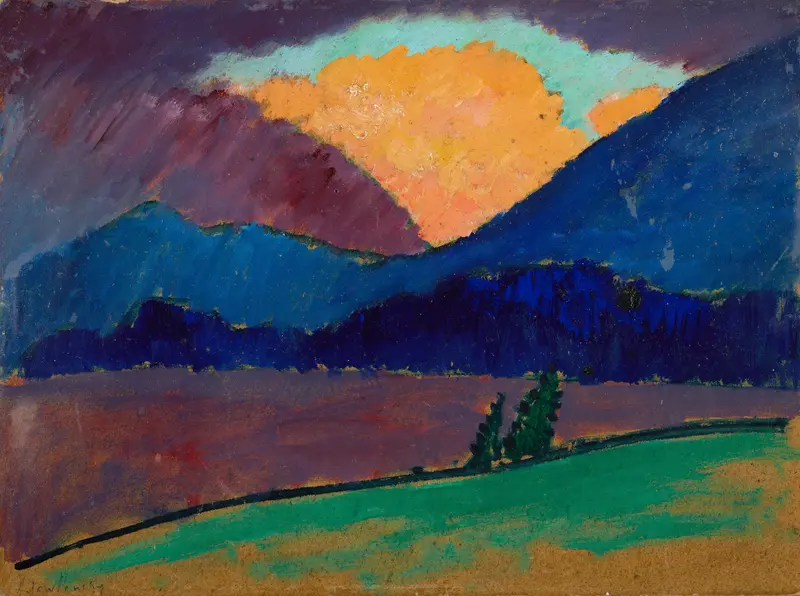
Summer evening in Murnau
Alexej von Jawlensky
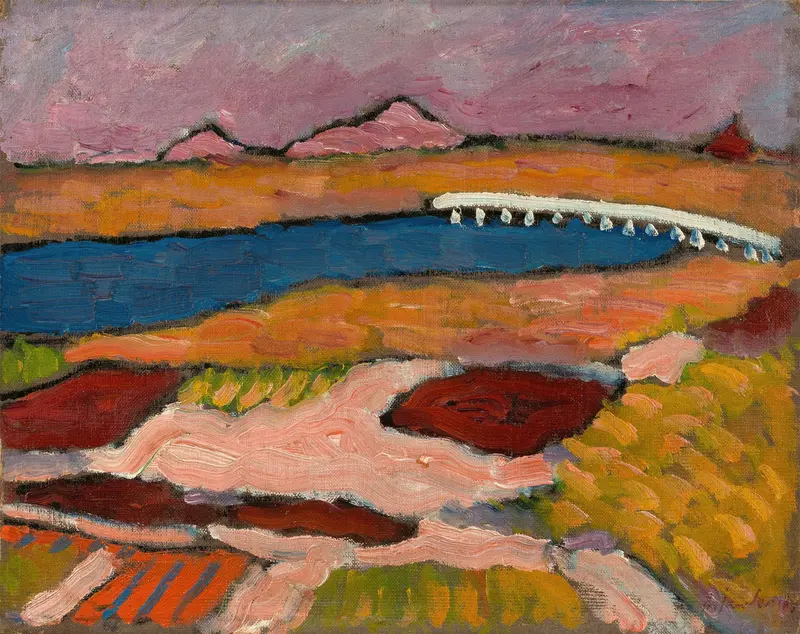
Prerow (Darß), Pommern
Alexej von Jawlensky
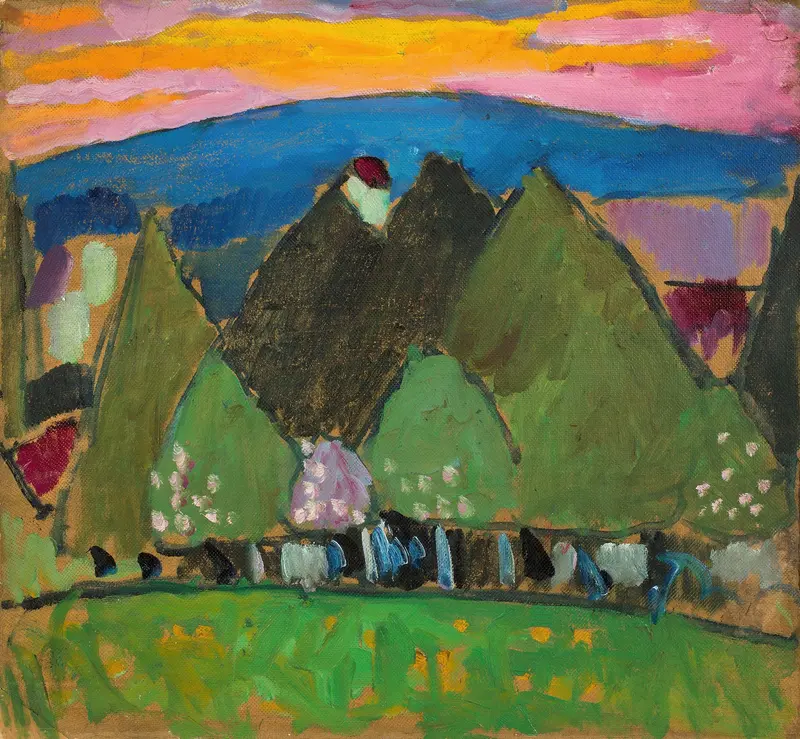
Landschaft mit Bäumen
Alexej von Jawlensky





