
Adam and Eve — History & Facts
What holds the eye first in Adam and Eve by Adriaen van der Werff is the charged pause between the two figures—a moment of decision suspended in golden light. Eve, luminous against the shadowed foliage, extends the fateful fruit with a gesture that is both offering and command. Adam, his body tense, draws back with a hand raised in hesitation, his gaze fixed on her face rather than the fruit.
The painter uses the pale, almost porcelain skin of the figures to pull them forward from the deep greens and browns of the garden, while the carefully rendered animals—a lizard, a pair of doves, a parrot—anchor the scene in a world that is lush, ordered, and still untouched by the consequences about to unfold. The light, falling from the upper right, divides innocence from knowledge, and the entire composition seems to hold its breath. Works like this, painted between 1674 and 1722, belong to a tradition where biblical stories were given new life for private collectors and princely patrons alike, often as reminders of virtue, temptation, and the fragility of paradise. In the late seventeenth and early eighteenth centuries, artists such as van der Werff responded to the tastes of an elite audience who prized smooth finishes, idealized forms, and a sense of theatrical restraint.
The subject—the fall of man—was a favorite across Europe, but here it is rendered with an almost sculptural clarity that speaks to the period’s fascination with both classical antiquity and human psychology. This painting now resides in the Louvre, its origins and early journey largely unrecorded, but its silence invites viewers to return again and again to the moment before everything changed.
More Artworks by Adriaen van der Werff

Descent from the Cross
Adriaen van der Werff
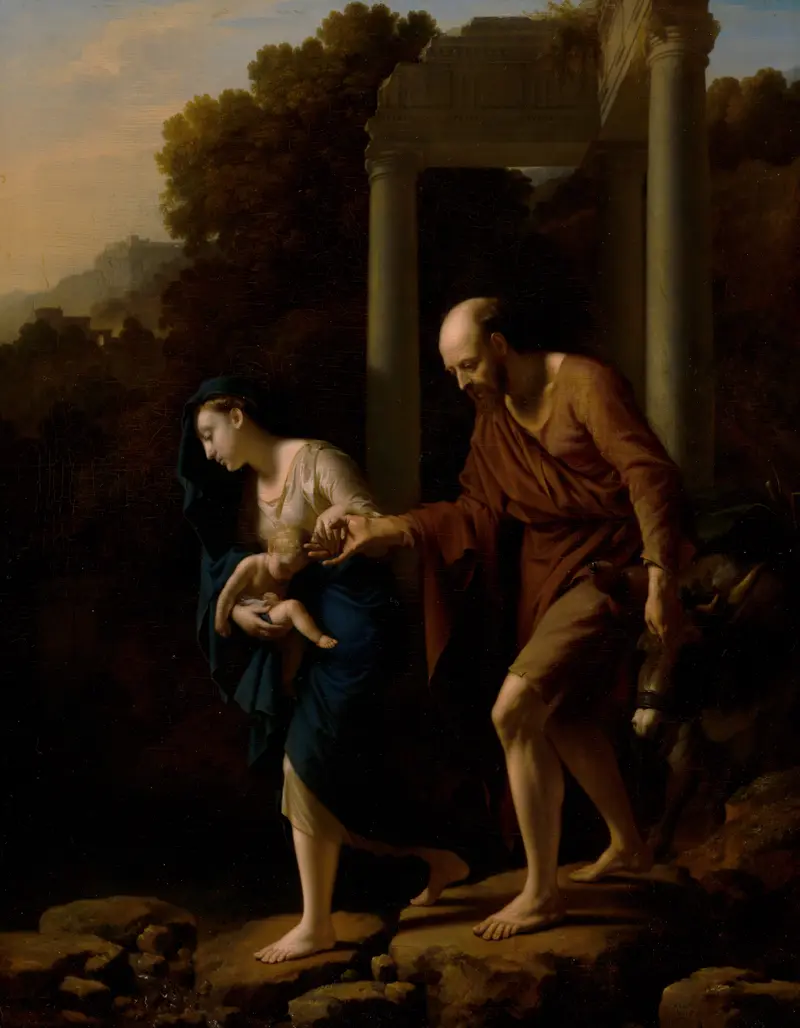
The Flight into Egypt
Adriaen van der Werff
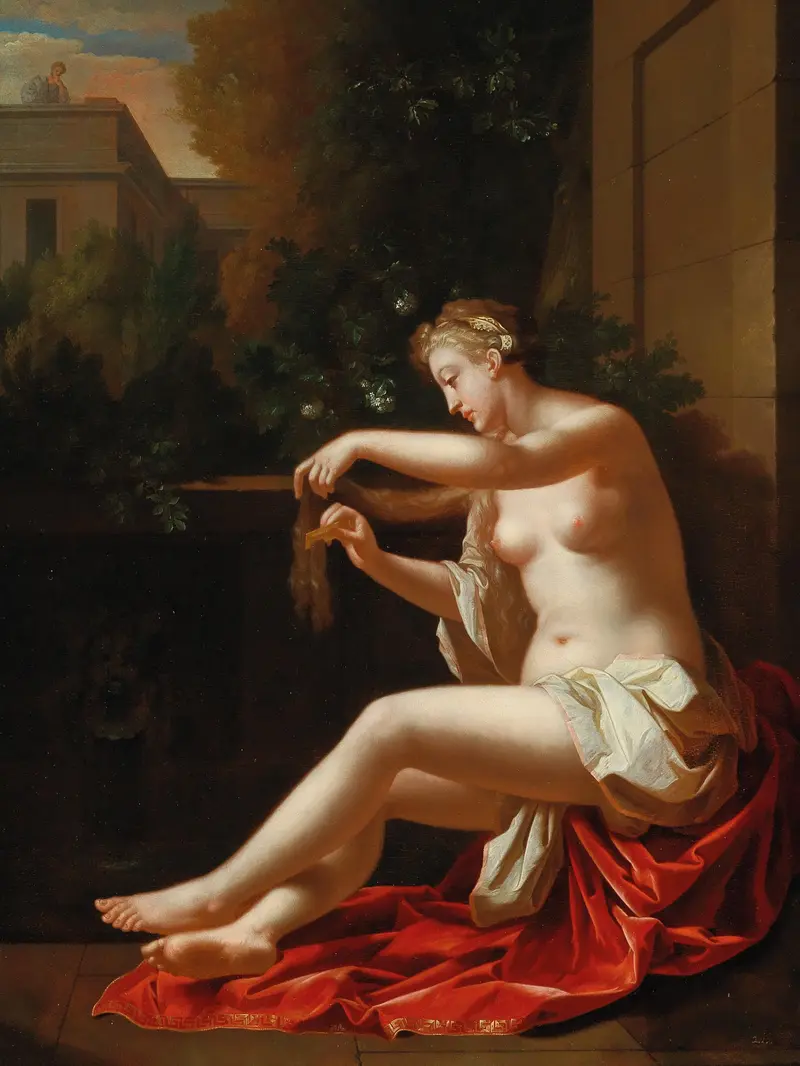
Bathsheba
Adriaen van der Werff
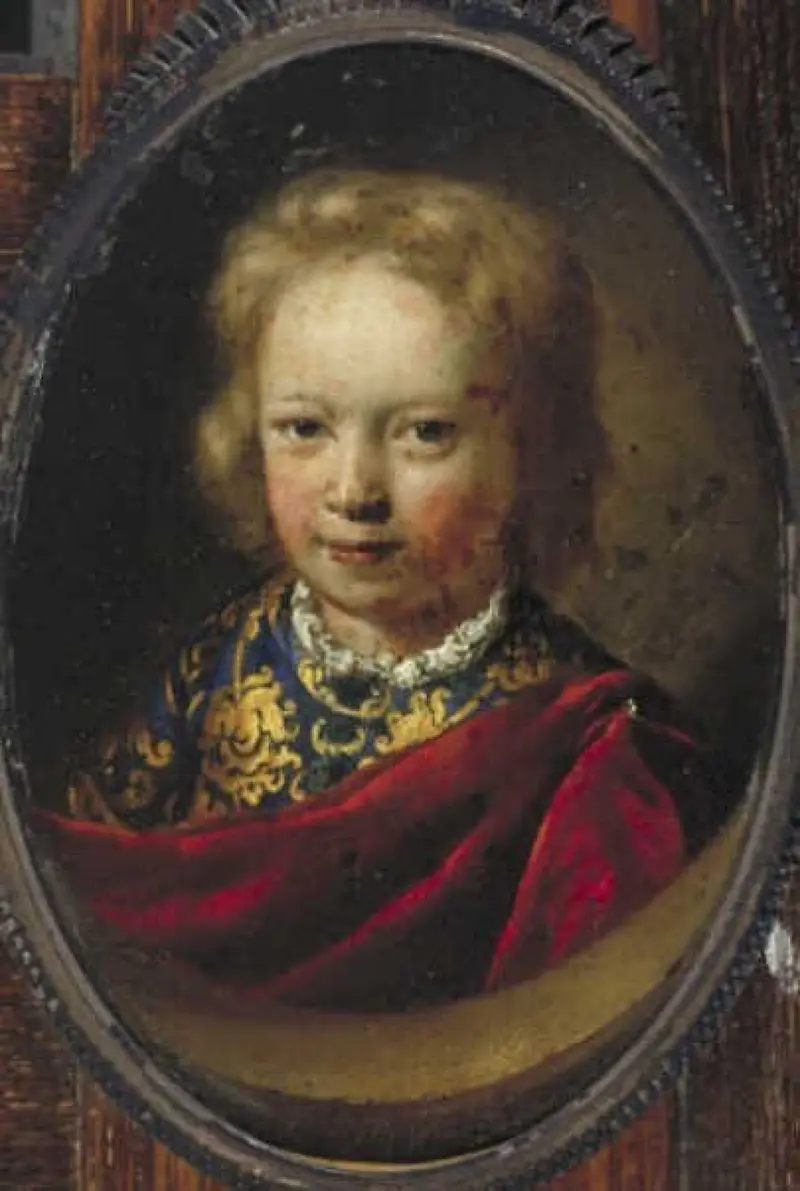
Portrait of Johan Versijden de Jonge
Adriaen van der Werff
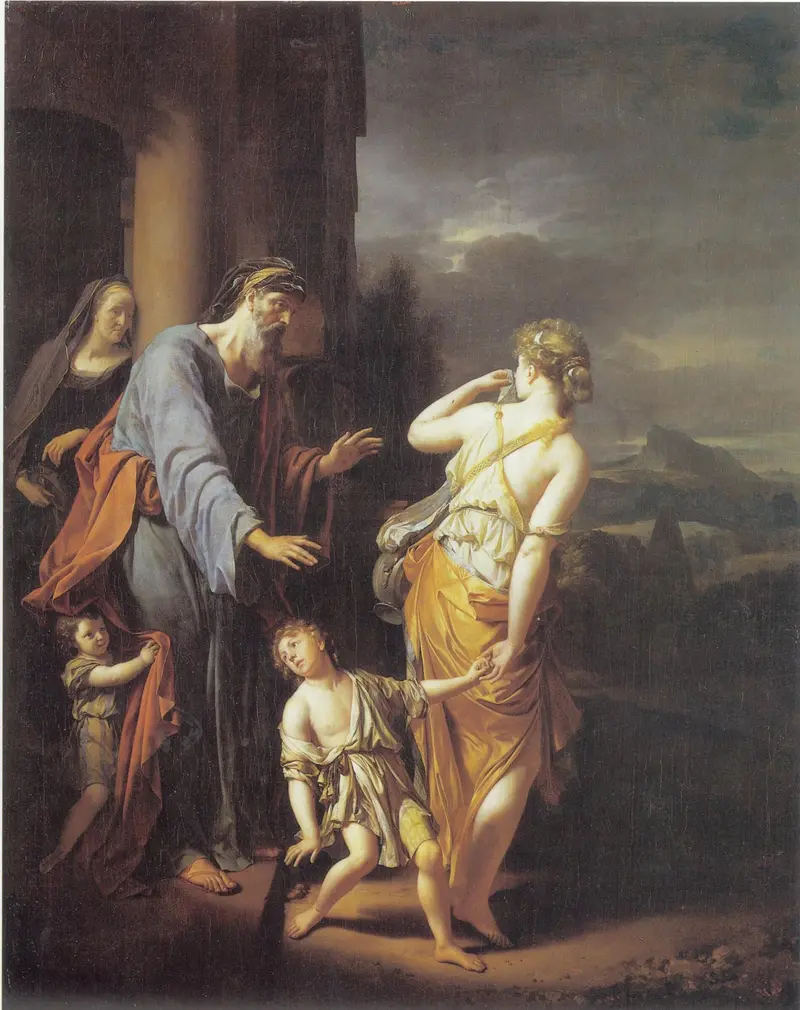
The Banishment of Hagar
Adriaen van der Werff
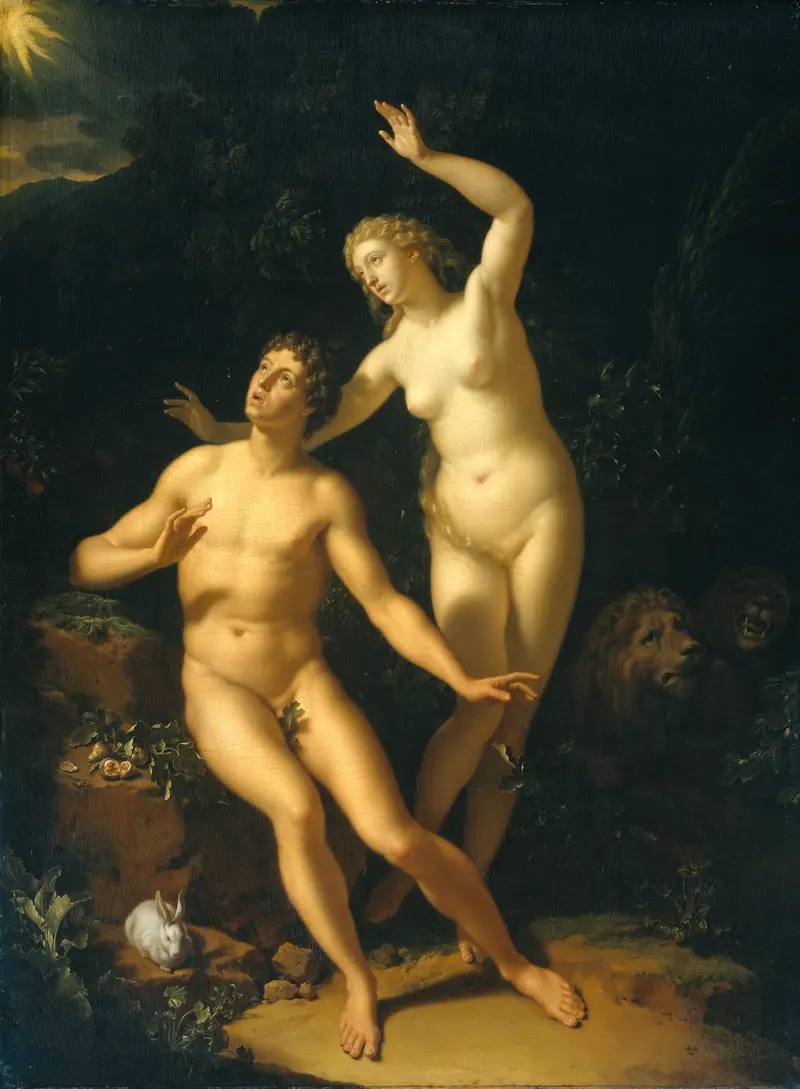
God Holds Adam and Eve Responsible
Adriaen van der Werff
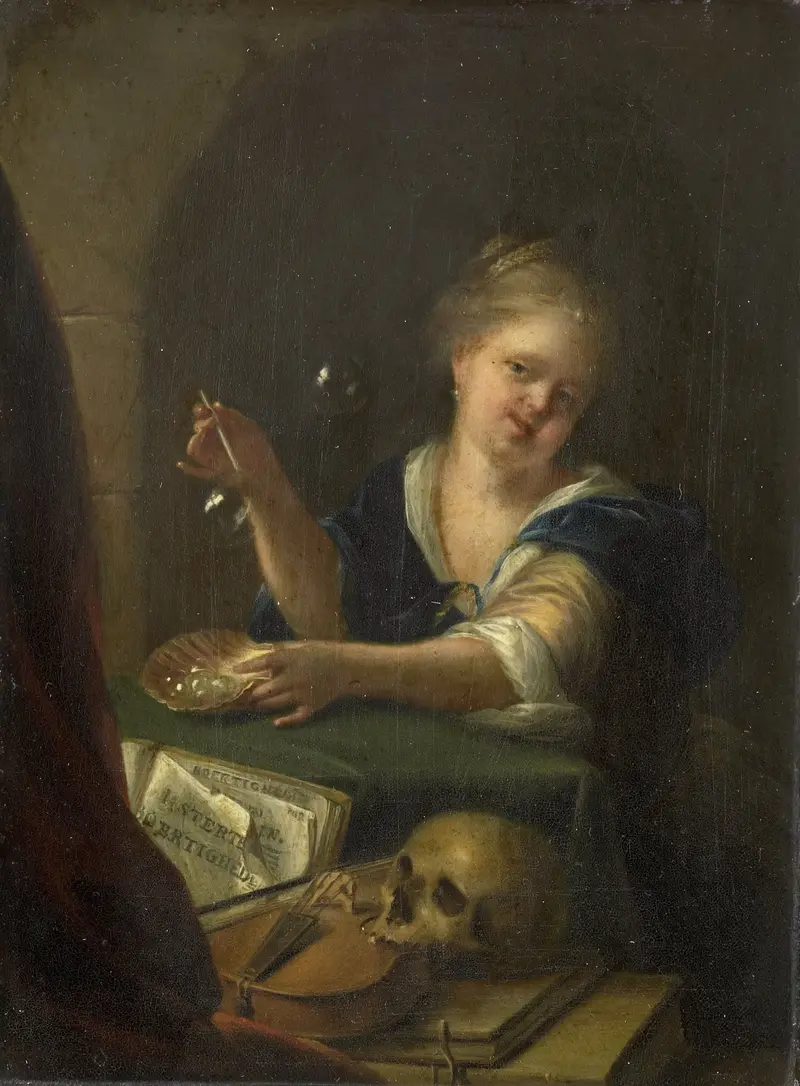
Bubble-blowing Girl with a Vanitas Still Life
Adriaen van der Werff
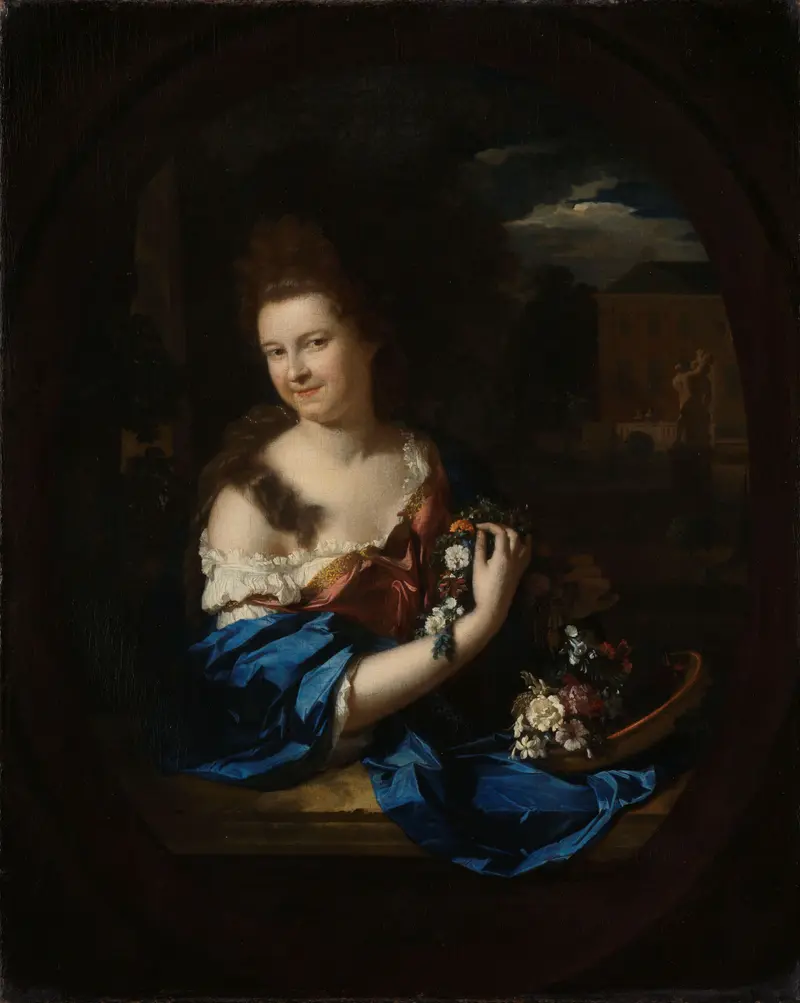
Portrait of Margaretha Rendorp (1673-1730), wife of Jan van de Poll
Adriaen van der Werff
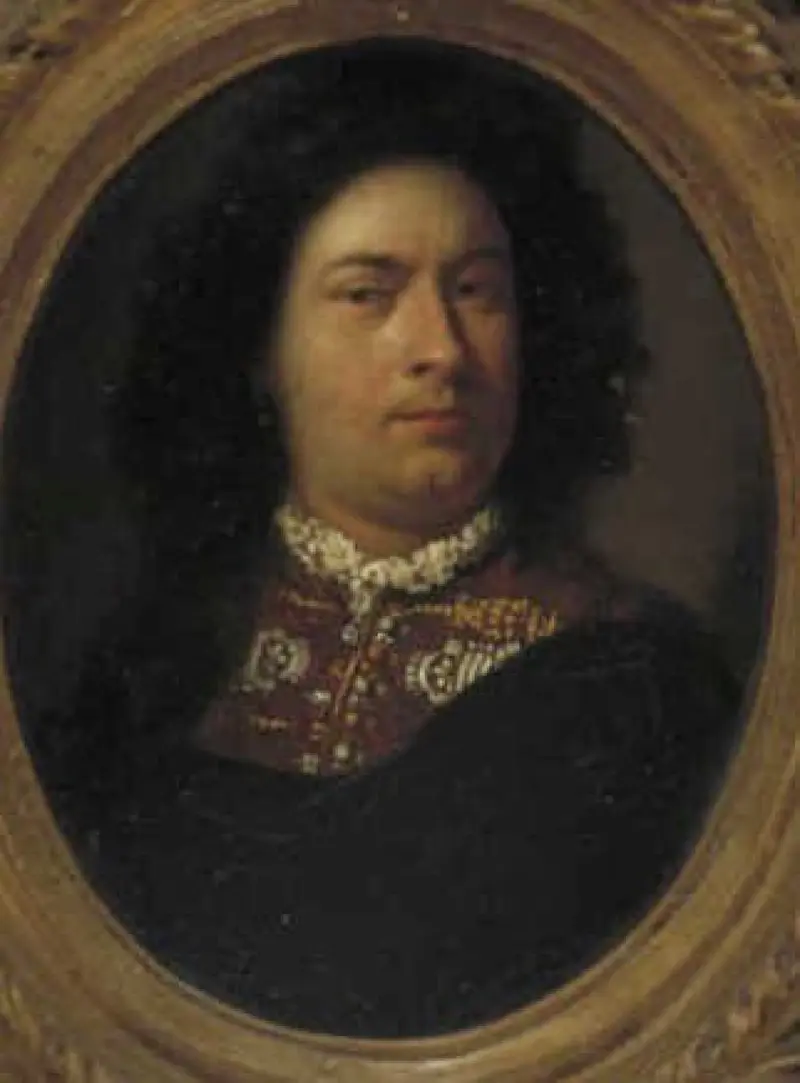
Portrait of Jacob Hendricksz. Vingerhoed
Adriaen van der Werff
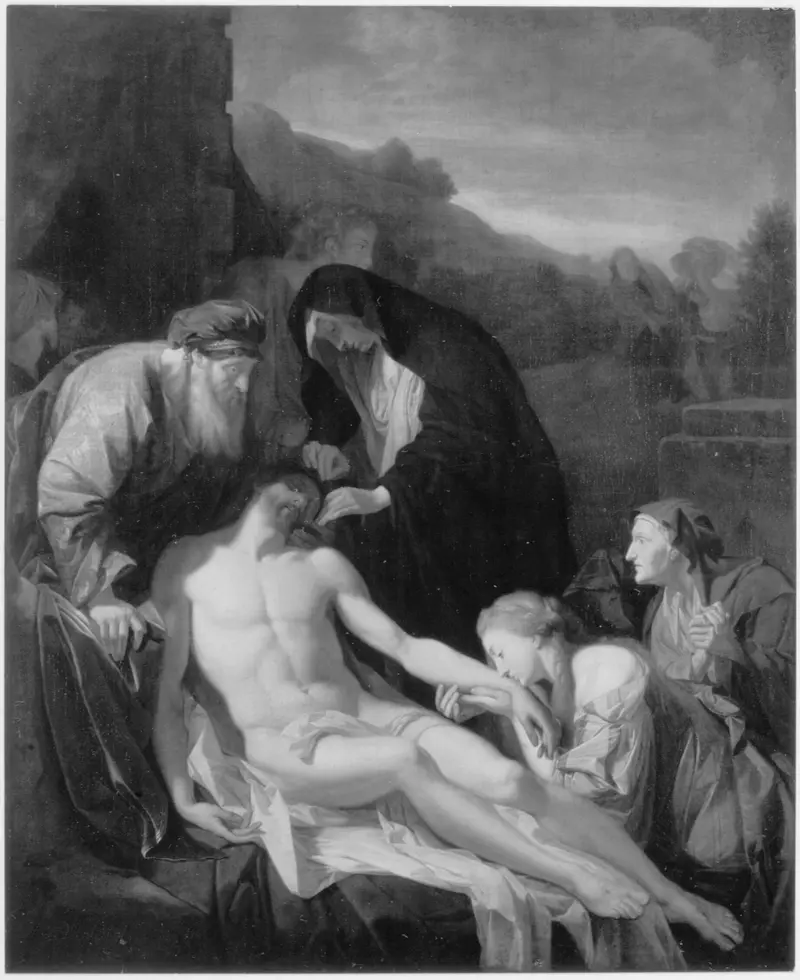
The burial of Christ
Adriaen van der Werff





