
The Banishment of Hagar — History & Facts
What grips the viewer first in The Banishment of Hagar is the charged moment of departure, suspended between command and heartbreak. The light falls with deliberate care, illuminating the twisting bodies and anxious faces at the very edge of a household’s threshold. The man’s outstretched hand, both urging and restraining, is met by the backward glance of the woman, her bare shoulder catching the last warmth of the day.
At her side, a child clings, his body angled away but his gaze locked on the father, while another figure lingers in the shadows, half-concealed but watching. The drama is not in grand gestures but in the tension of touch and the silent conversation between eyes, hands, and posture—each figure caught in the gravity of parting. This painting belongs to the world of late seventeenth-century Dutch classicism, a time when biblical stories were rendered in the language of contemporary feeling and elegant restraint. Around 1696-1697, artists like Adriaen van der Werff were celebrated for their smooth surfaces, cool palettes, and polished compositions that appealed to the taste of wealthy patrons seeking both moral reflection and visual pleasure.
Works such as this, now documented in collections like Bildindex der Kunst und Architektur and RKDimages, were often destined for private contemplation, their stories familiar yet freshly staged for a new audience. History has kept few traces of this painting’s early journey, but its careful balance of emotion and decorum invites us to linger, tracing the light as it leads us from the figures’ faces to the distant, uncertain landscape beyond.
More Artworks by Adriaen van der Werff

Descent from the Cross
Adriaen van der Werff
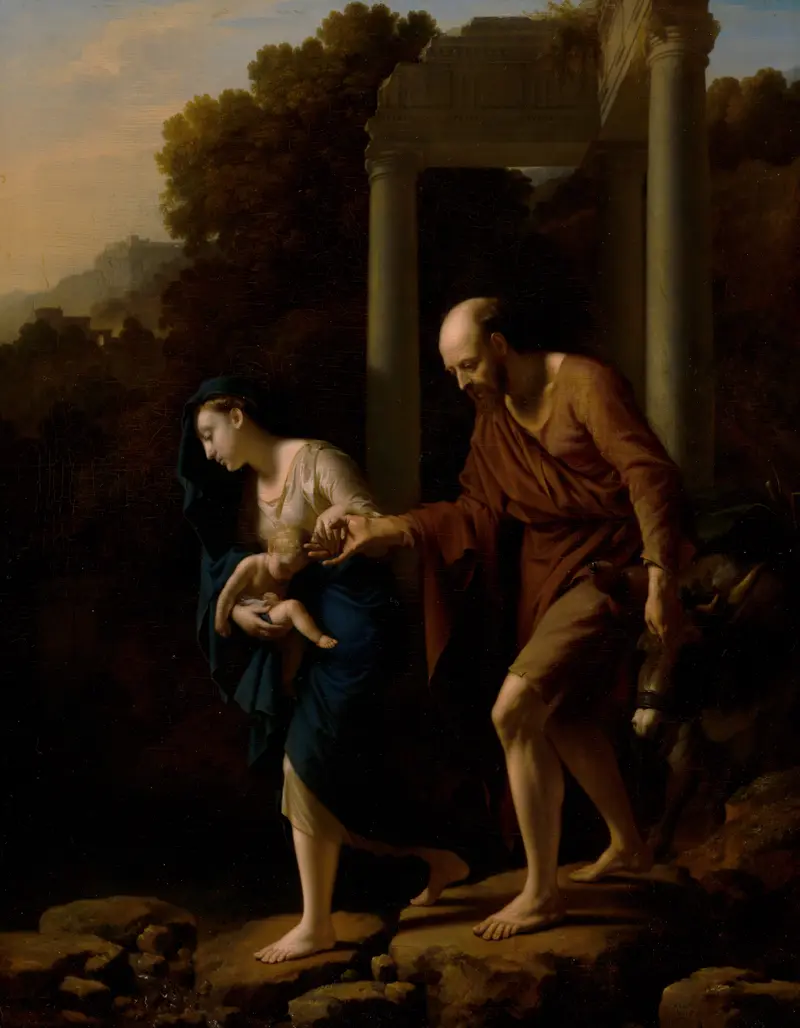
The Flight into Egypt
Adriaen van der Werff
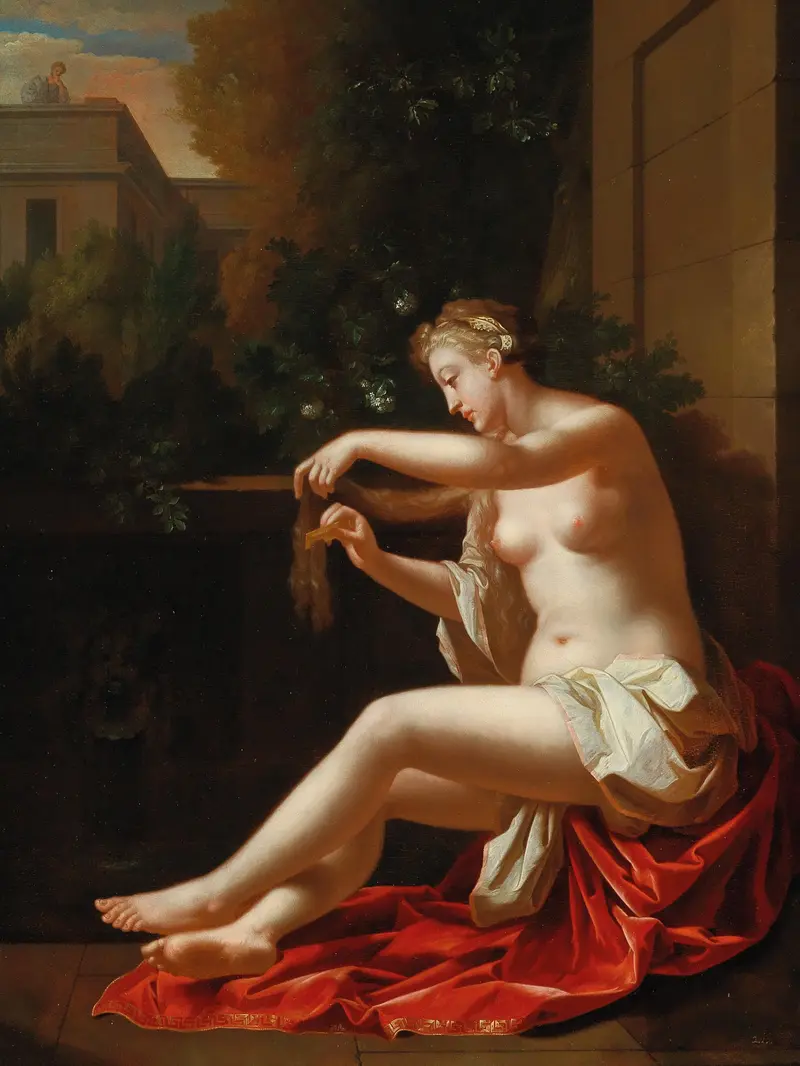
Bathsheba
Adriaen van der Werff
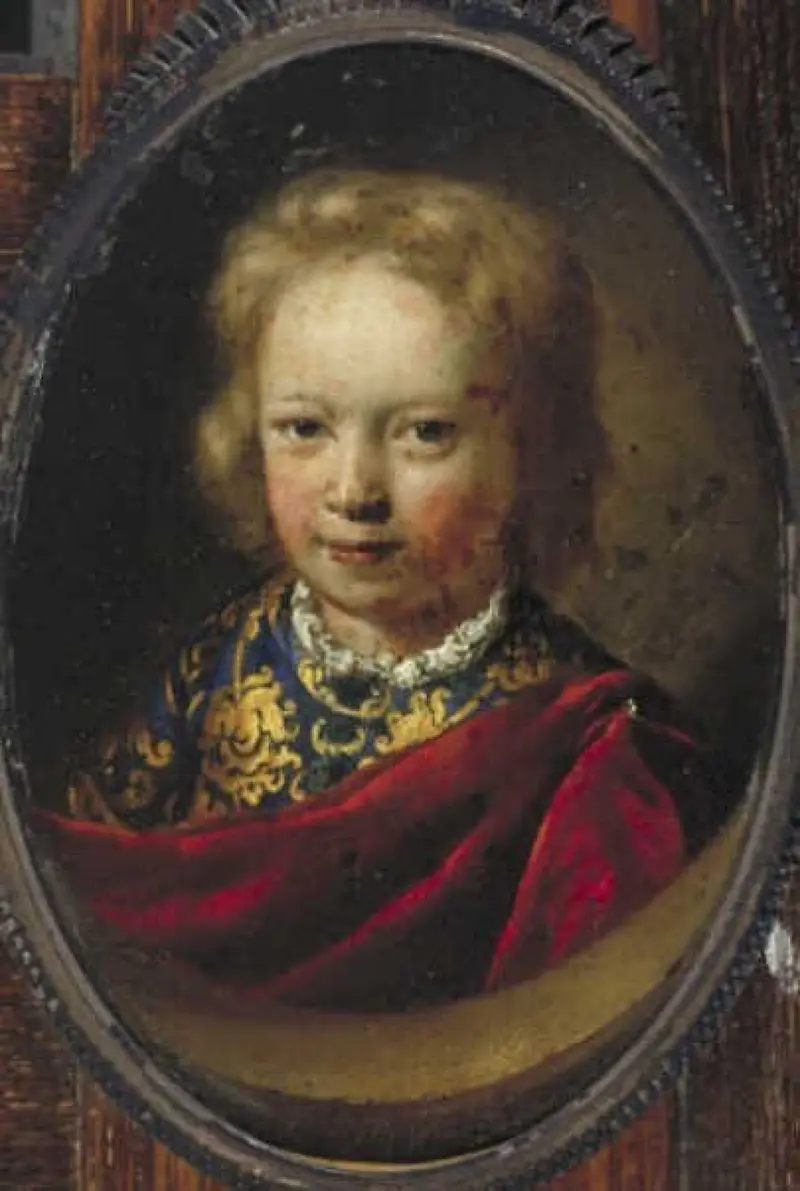
Portrait of Johan Versijden de Jonge
Adriaen van der Werff
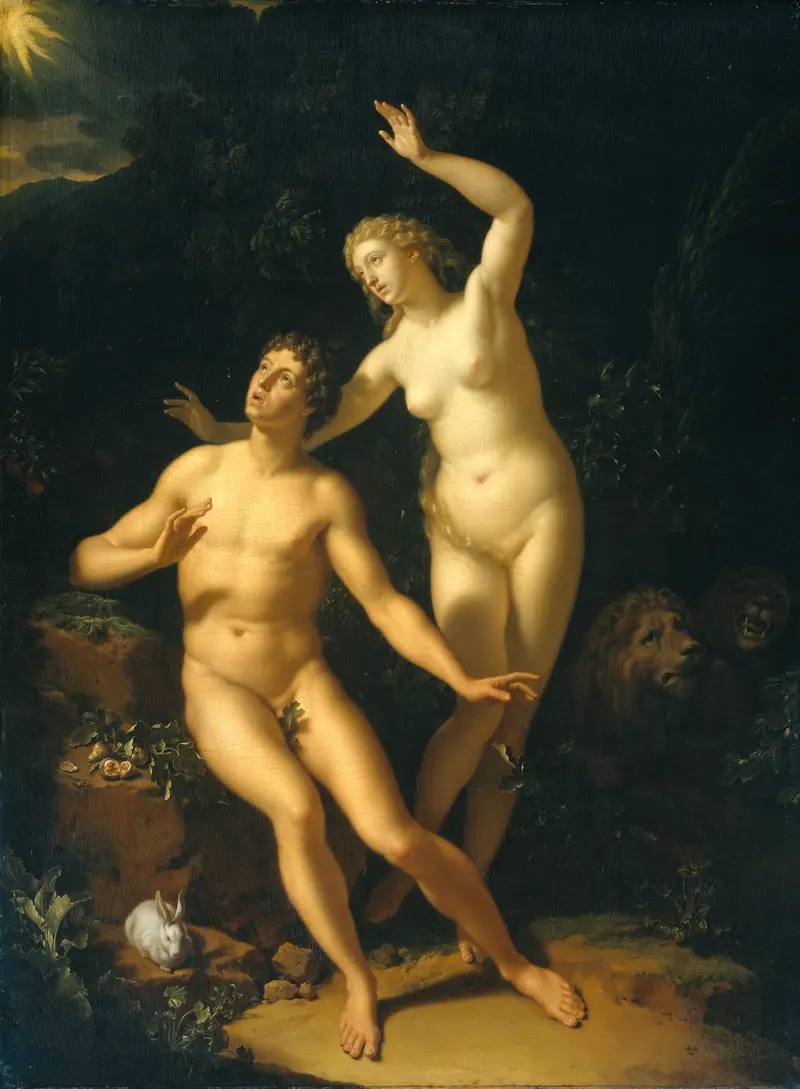
God Holds Adam and Eve Responsible
Adriaen van der Werff
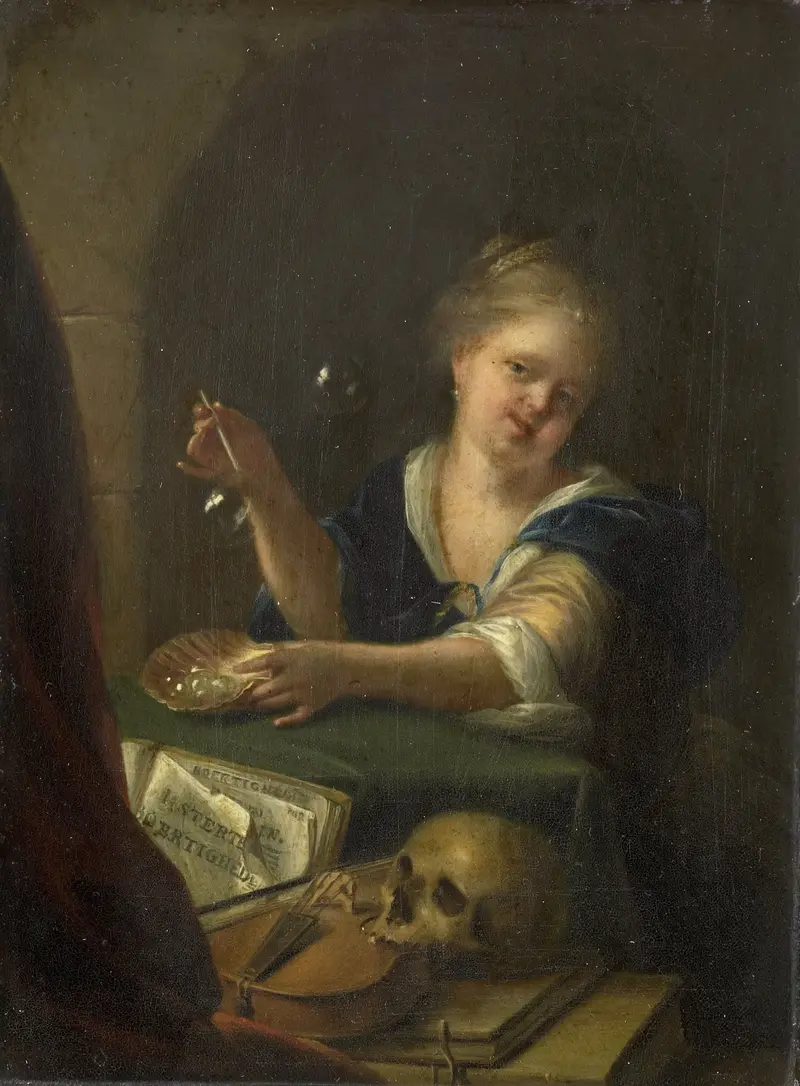
Bubble-blowing Girl with a Vanitas Still Life
Adriaen van der Werff
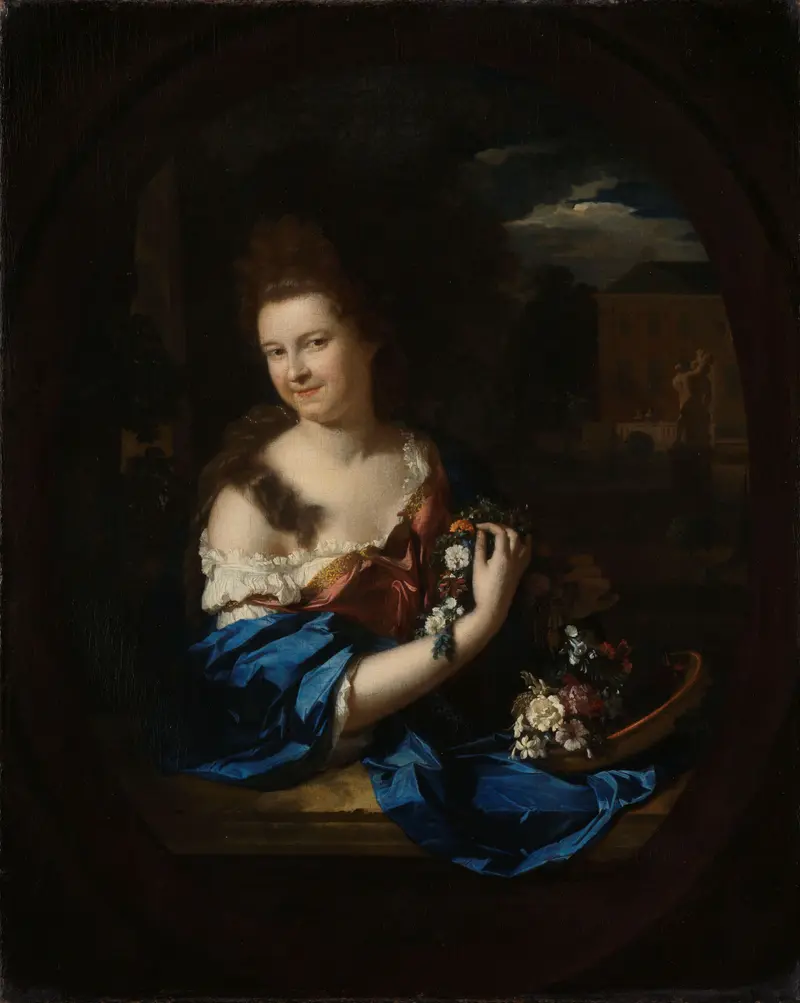
Portrait of Margaretha Rendorp (1673-1730), wife of Jan van de Poll
Adriaen van der Werff
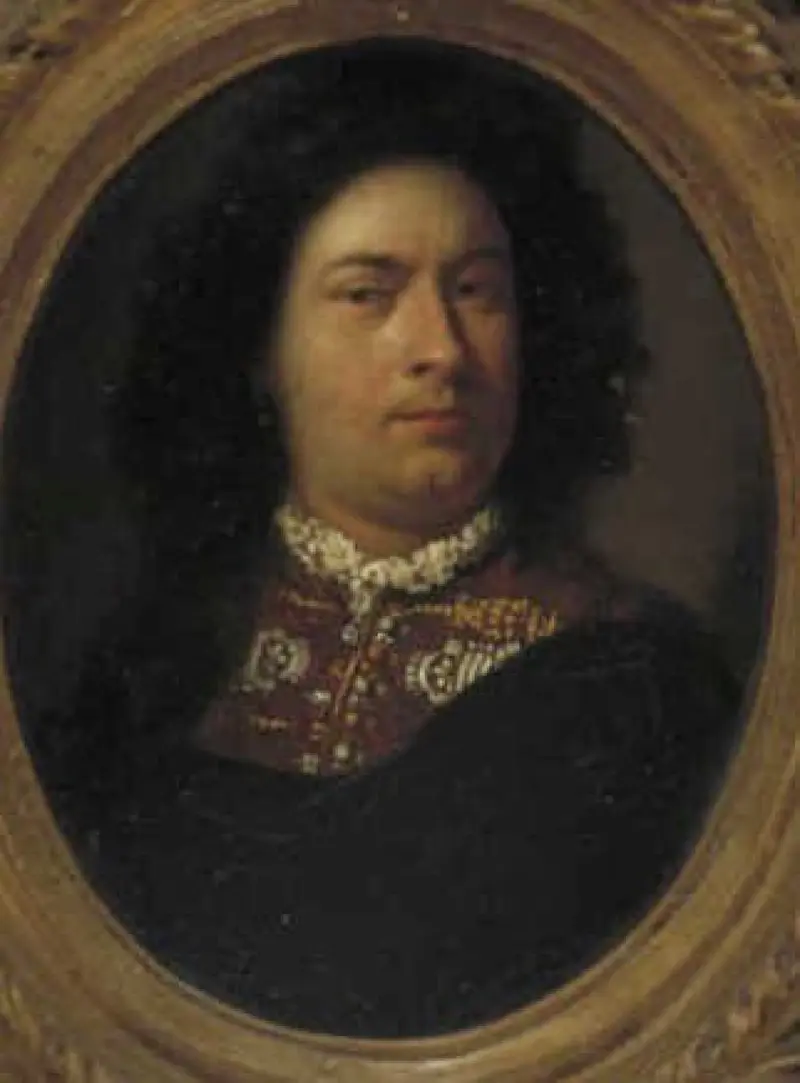
Portrait of Jacob Hendricksz. Vingerhoed
Adriaen van der Werff
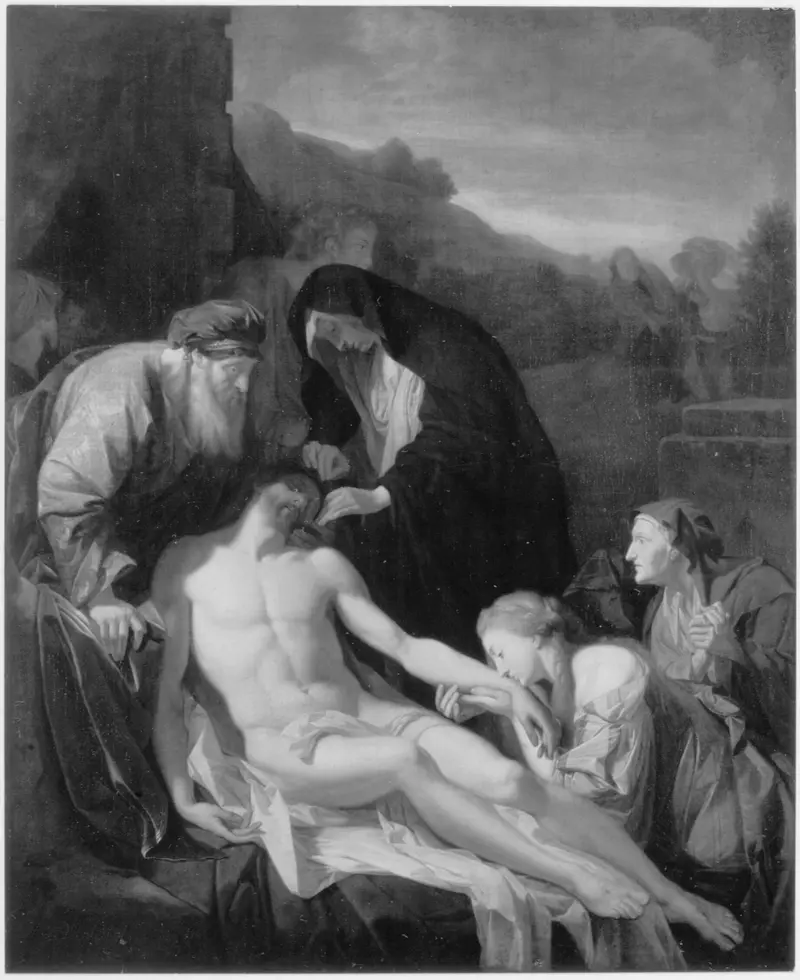
The burial of Christ
Adriaen van der Werff
Samson and Delilah (?)
Adriaen van der Werff





