
The Flight into Egypt — History & Facts
What draws the eye first in The Flight into Egypt is the hush of shared burden—three figures pressed together in the half-light, each step forward a careful negotiation with the rocky earth. The painter, Adriaen van der Werff, chooses not the drama of escape, but the quiet moment after: Mary, head bowed, cradles her child with a mother’s instinctive sheltering, while Joseph, barefoot and bent, offers his hand in gentle guidance. The ruins behind them—classical columns, half-swallowed by shadow—serve as silent witnesses, their grandeur faded, hinting at a world passing away as this small family moves forward.
Light slips across Mary’s shoulder and the child’s bare limbs, setting them apart from the gloom, as if hope itself is carried in their arms. Painted in 1710, this work belongs to a moment when Dutch and Flemish artists often reimagined biblical journeys with the polish and poise of the late Baroque. Patrons of the time, especially in Protestant Northern Europe, sought scenes of devotion rendered with clarity and restraint, and van der Werff’s reputation rested on his ability to blend classical calm with human intimacy. The painting now resides in the Mauritshuis, a collection shaped by centuries of shifting taste and fortune.
History has kept few traces of this painting’s early path, but its mood—at once tender and grave—invites the viewer to linger, searching the faces for the story that lies just beneath the surface.
More Artworks by Adriaen van der Werff

Descent from the Cross
Adriaen van der Werff
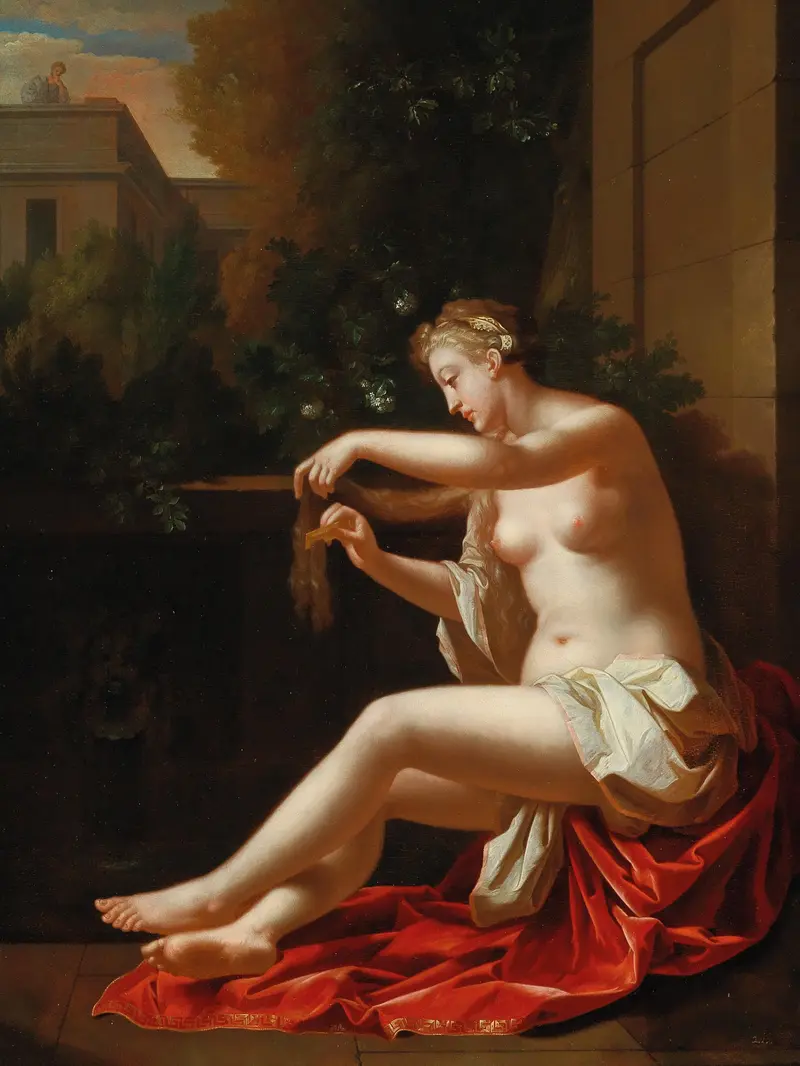
Bathsheba
Adriaen van der Werff
Portrait of Johan Versijden de Jonge
Adriaen van der Werff
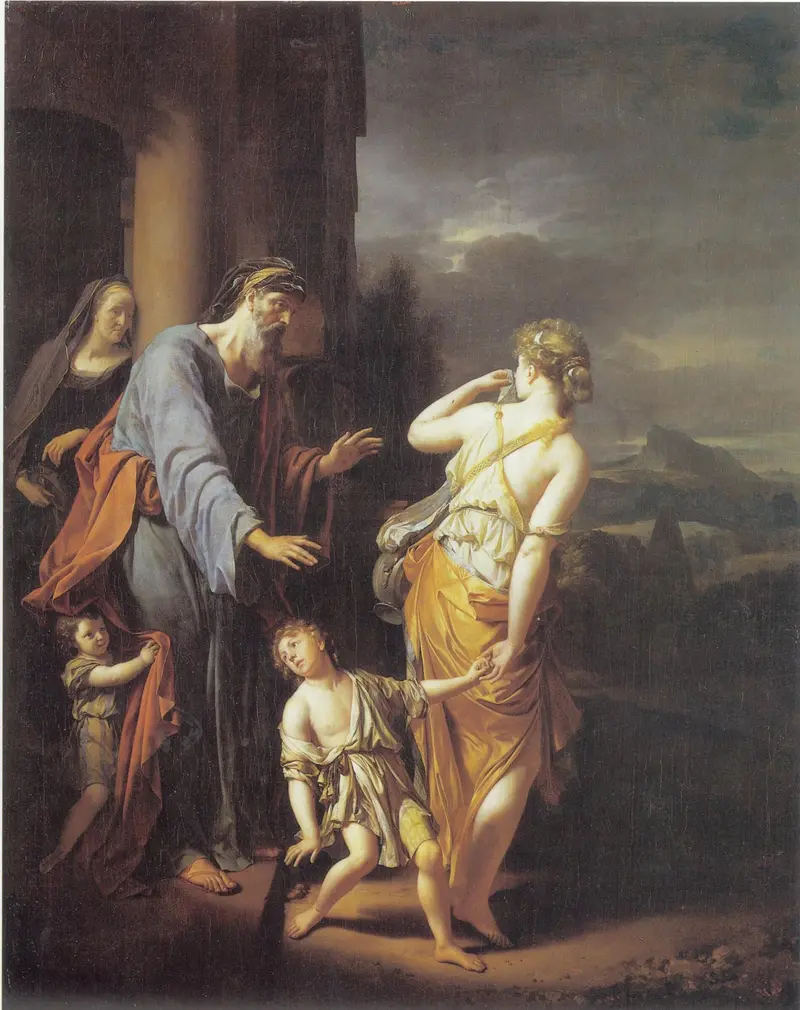
The Banishment of Hagar
Adriaen van der Werff
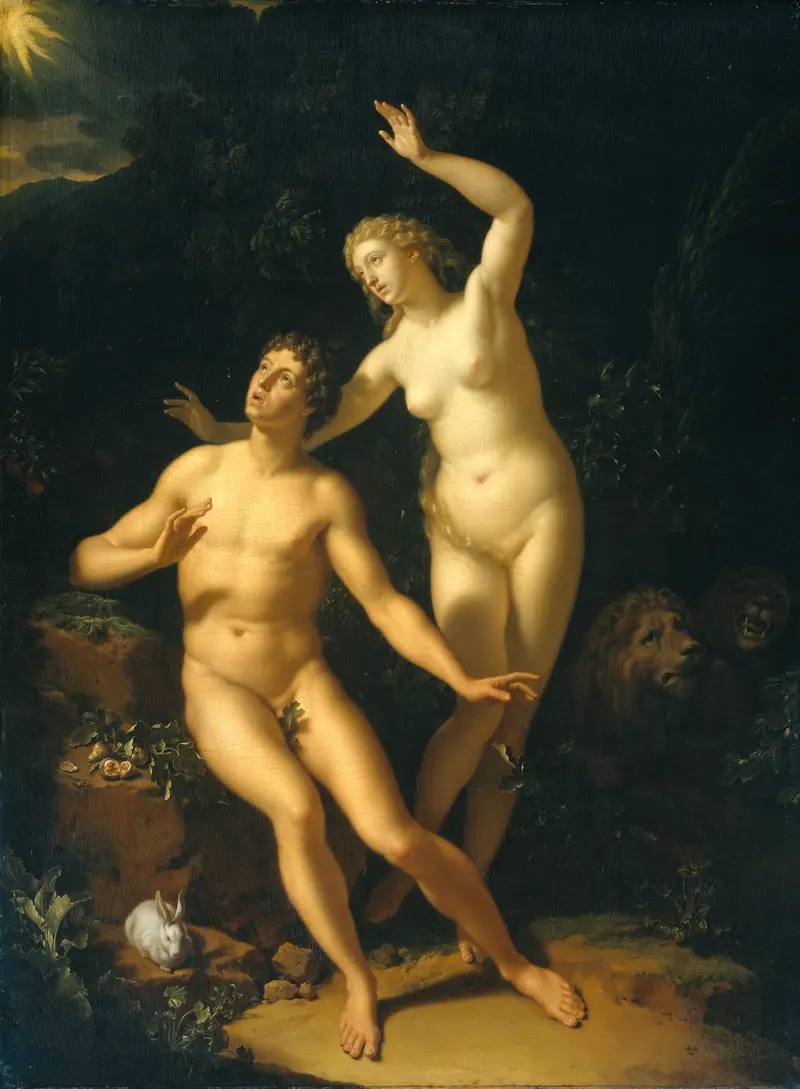
God Holds Adam and Eve Responsible
Adriaen van der Werff
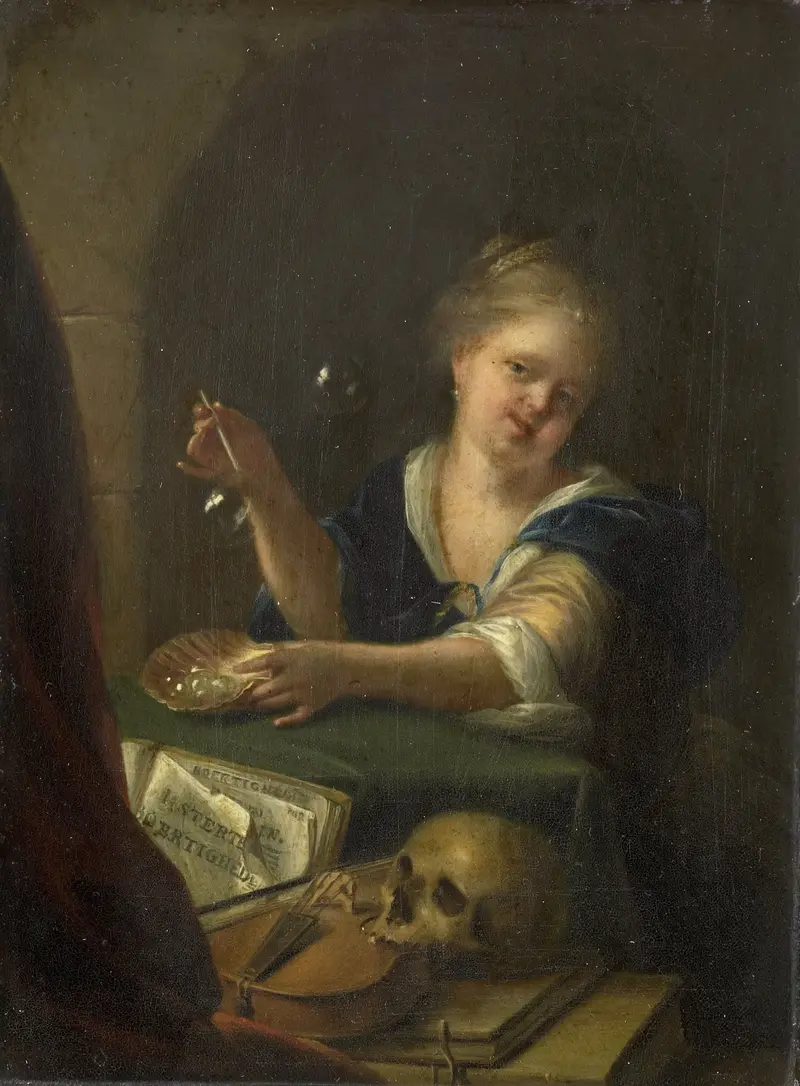
Bubble-blowing Girl with a Vanitas Still Life
Adriaen van der Werff
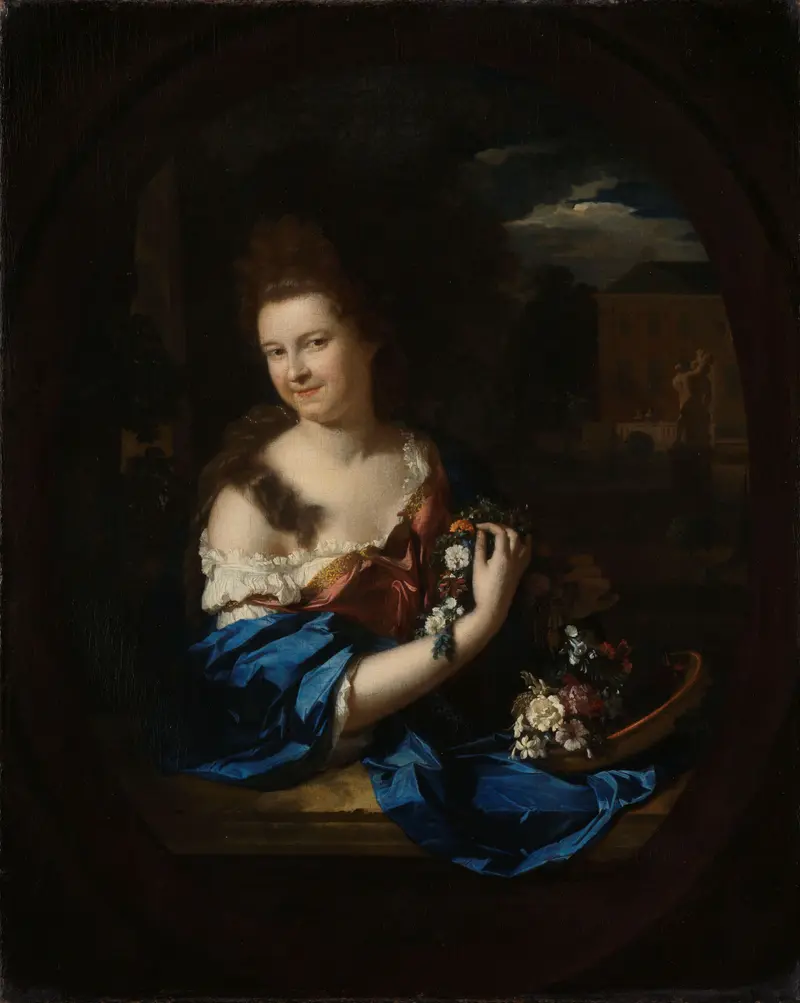
Portrait of Margaretha Rendorp (1673-1730), wife of Jan van de Poll
Adriaen van der Werff
Portrait of Jacob Hendricksz. Vingerhoed
Adriaen van der Werff
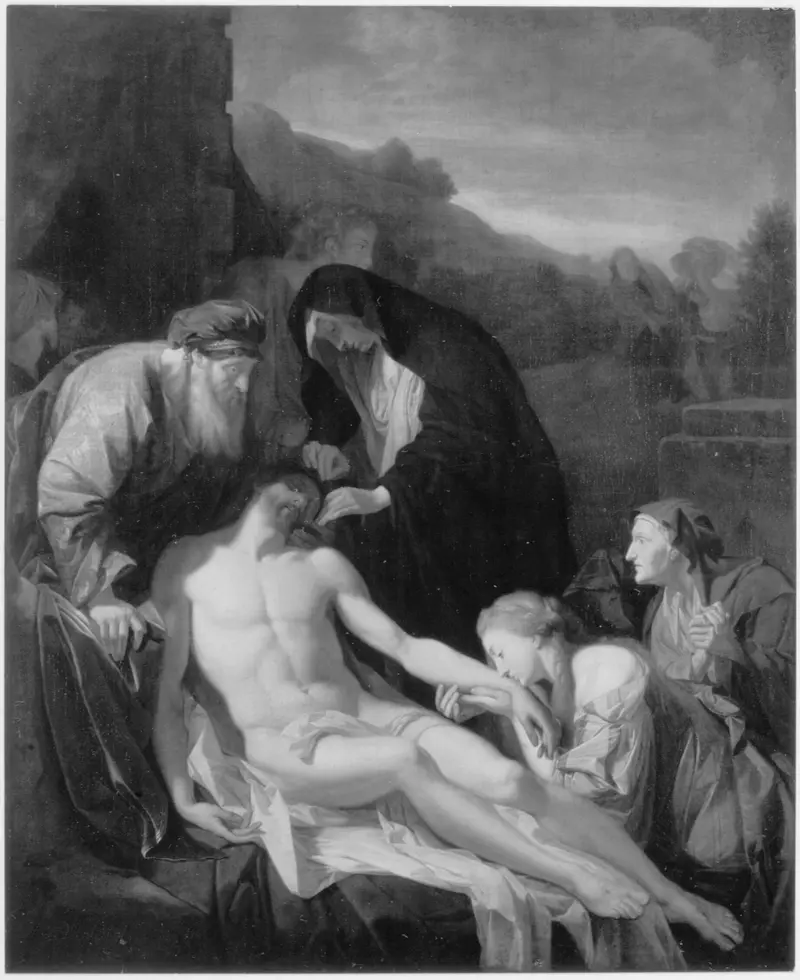
The burial of Christ
Adriaen van der Werff
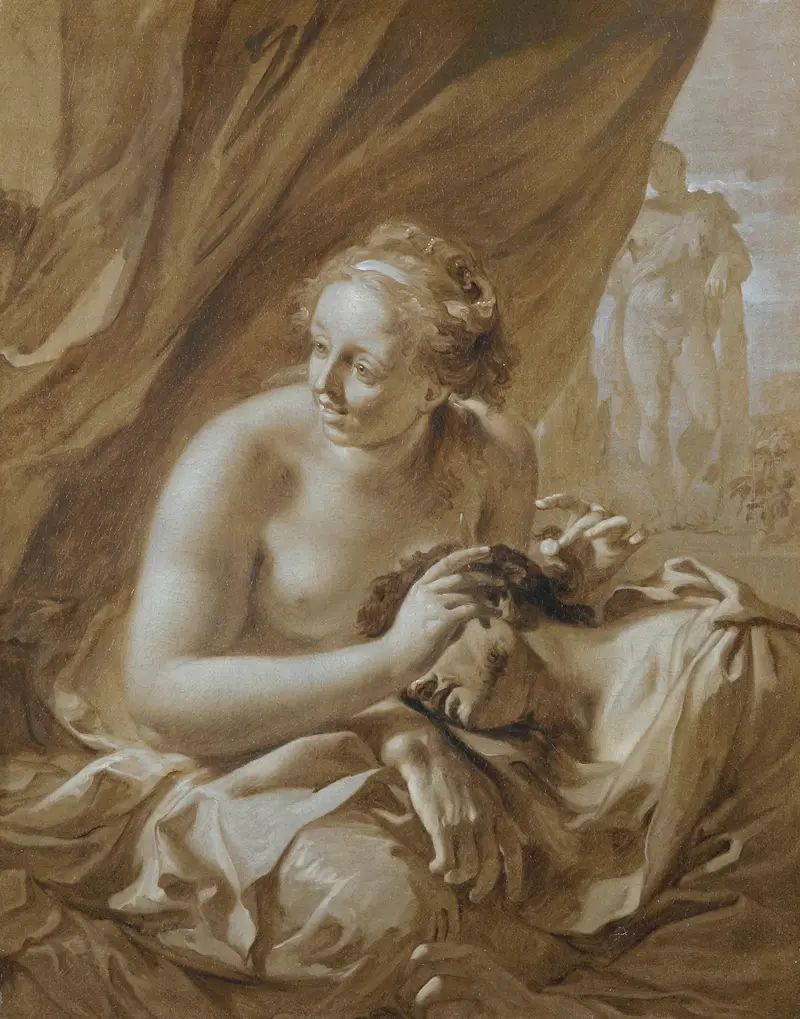
Samson and Delilah (?)
Adriaen van der Werff





