
Portrait of Jacob Hendricksz. Vingerhoed — History & Facts
What first catches the eye in Portrait of Jacob Hendricksz. Vingerhoed is the quiet confidence of its sitter, framed by a painted oval that mimics the carved wood of a real frame. The subject’s gaze meets the viewer with a hint of reserve, his lips pressed in a subtle, knowing smile.
The artist, Adriaen van der Werff, uses a rich, dark background to draw all attention to the illuminated face and the intricate detail of the lace collar and embroidered jacket. Every brushstroke in the sitter’s hair and the glint of light on the pearls speaks to a world where appearance was both armor and invitation. The palette is restrained but warm, lending the portrait a sense of intimacy and gravity. Painted in 1691, this work belongs to a period when Dutch portraiture was evolving from the sober restraint of the early Golden Age to a more polished, courtly style.
By the late seventeenth century, patrons sought portraits that conveyed not only likeness but also status and refinement, and artists like van der Werff were celebrated for their ability to flatter without losing individuality. Little is recorded about the specific journey of this painting, now in the collection of Museum Boijmans Van Beuningen, but its survival invites us to imagine the ambitions and self-awareness of Dutch burghers at the dawn of the eighteenth century. The sitter’s composed expression and the painter’s careful attention to surface and light remind us that every portrait is a negotiation between public image and private self—one that still holds our attention centuries later.
More Artworks by Adriaen van der Werff

Descent from the Cross
Adriaen van der Werff
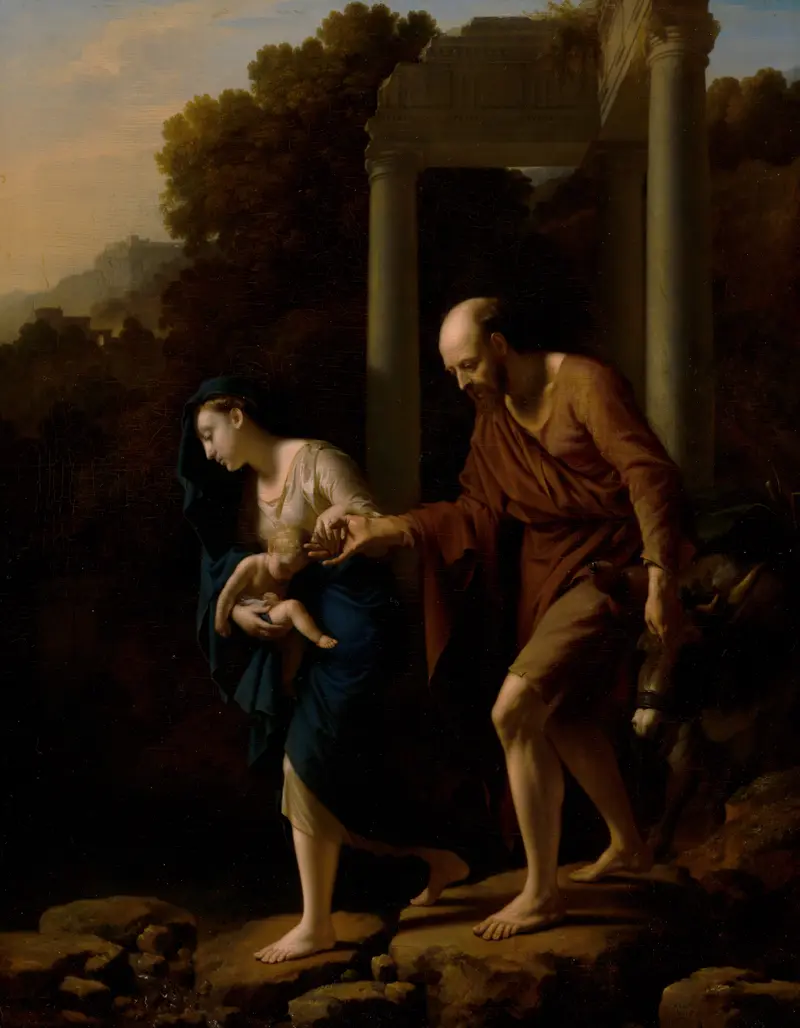
The Flight into Egypt
Adriaen van der Werff
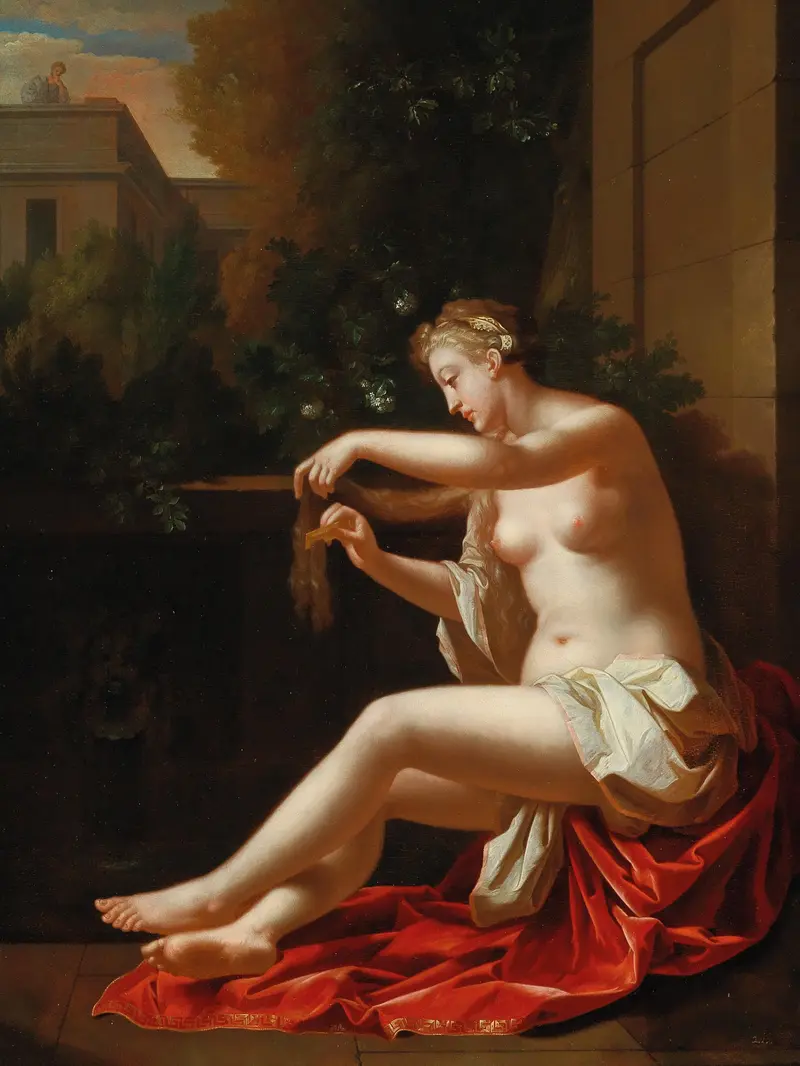
Bathsheba
Adriaen van der Werff
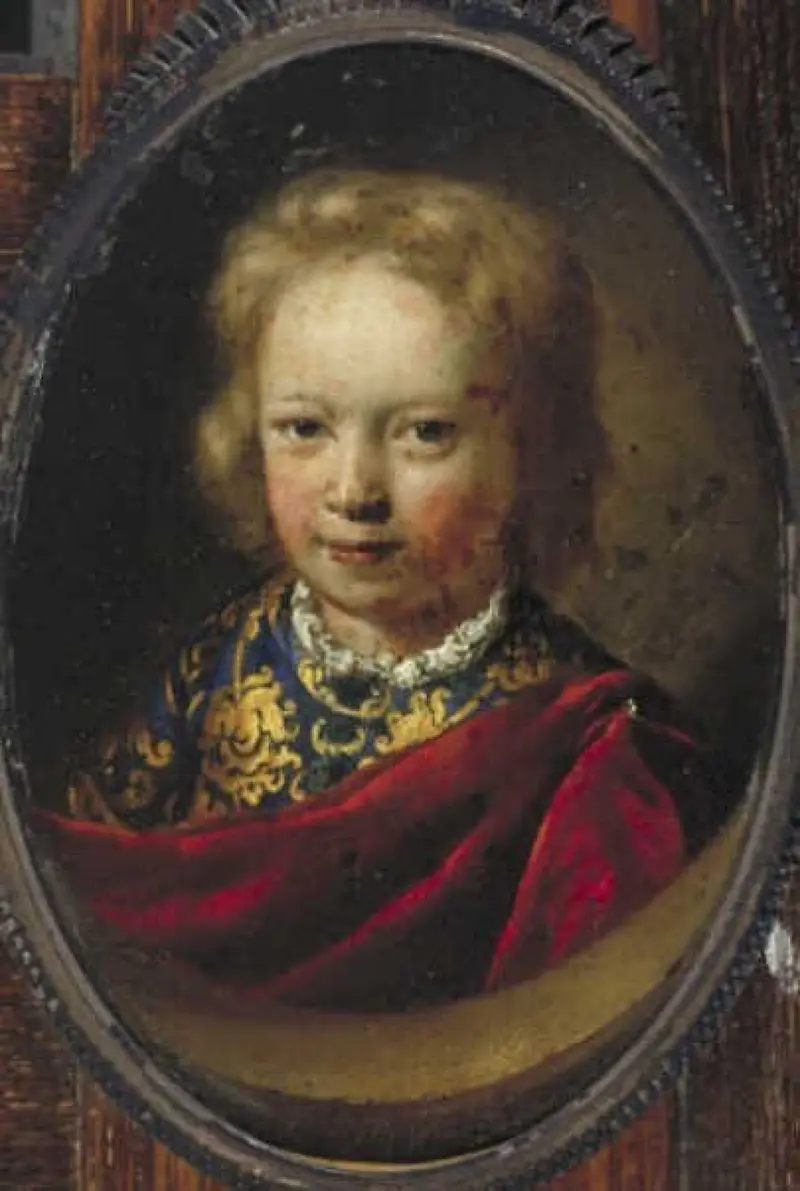
Portrait of Johan Versijden de Jonge
Adriaen van der Werff
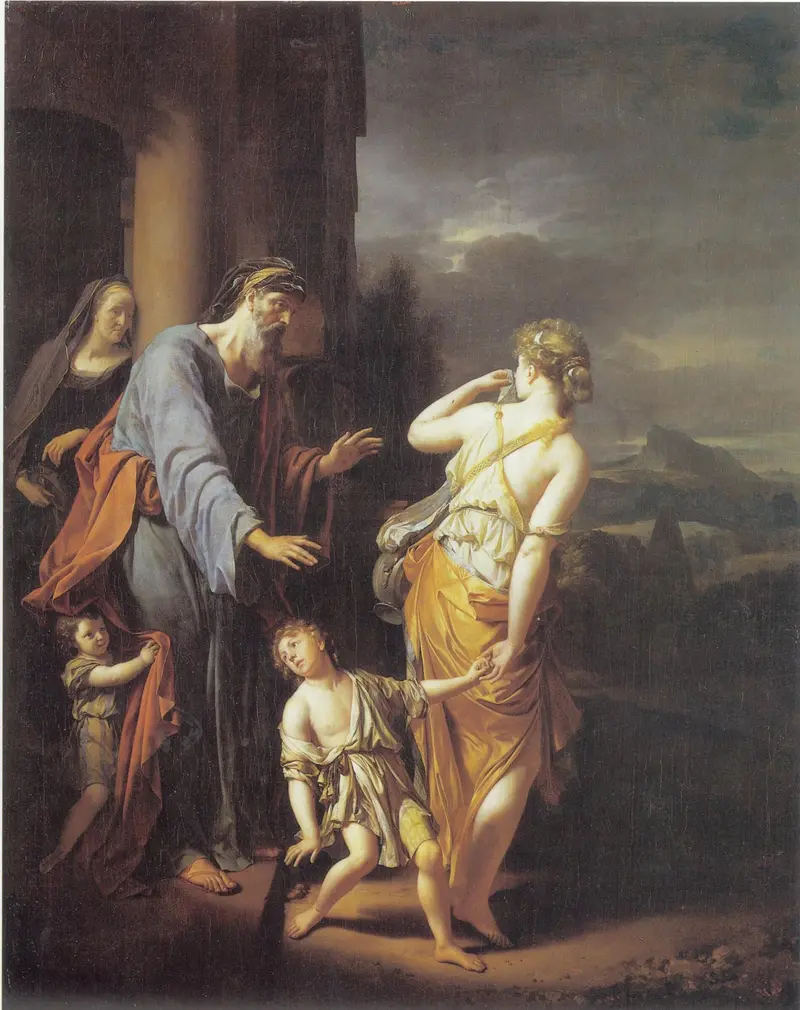
The Banishment of Hagar
Adriaen van der Werff
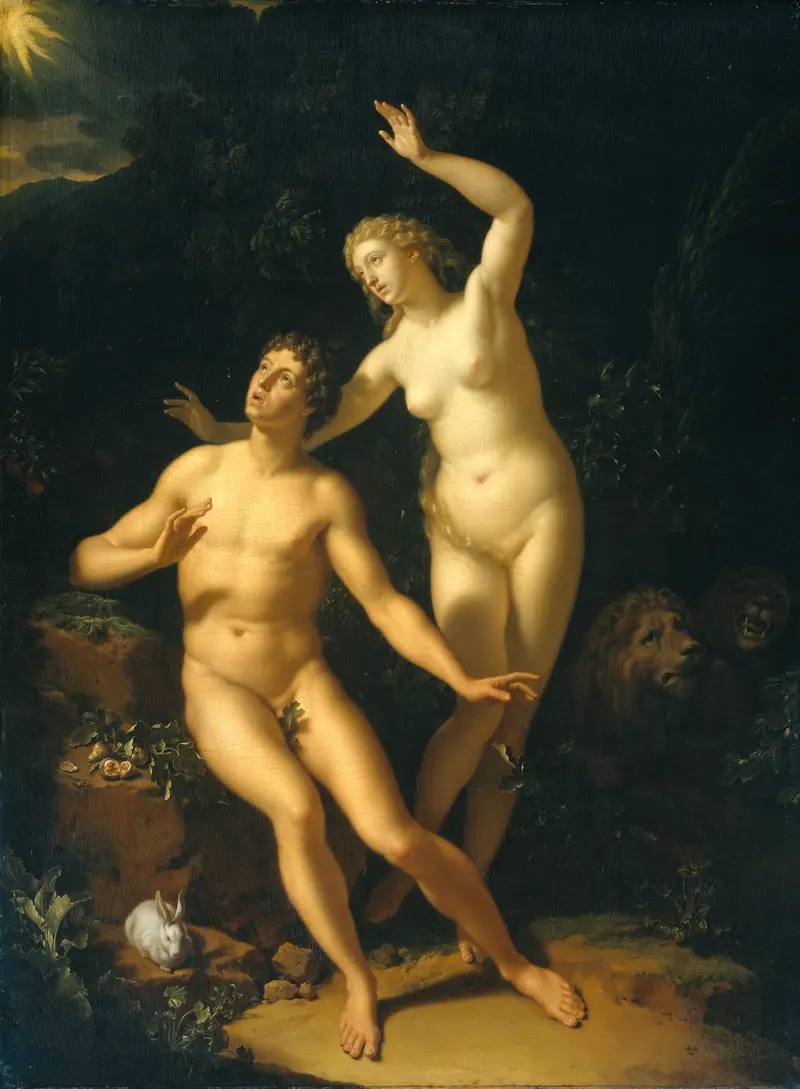
God Holds Adam and Eve Responsible
Adriaen van der Werff
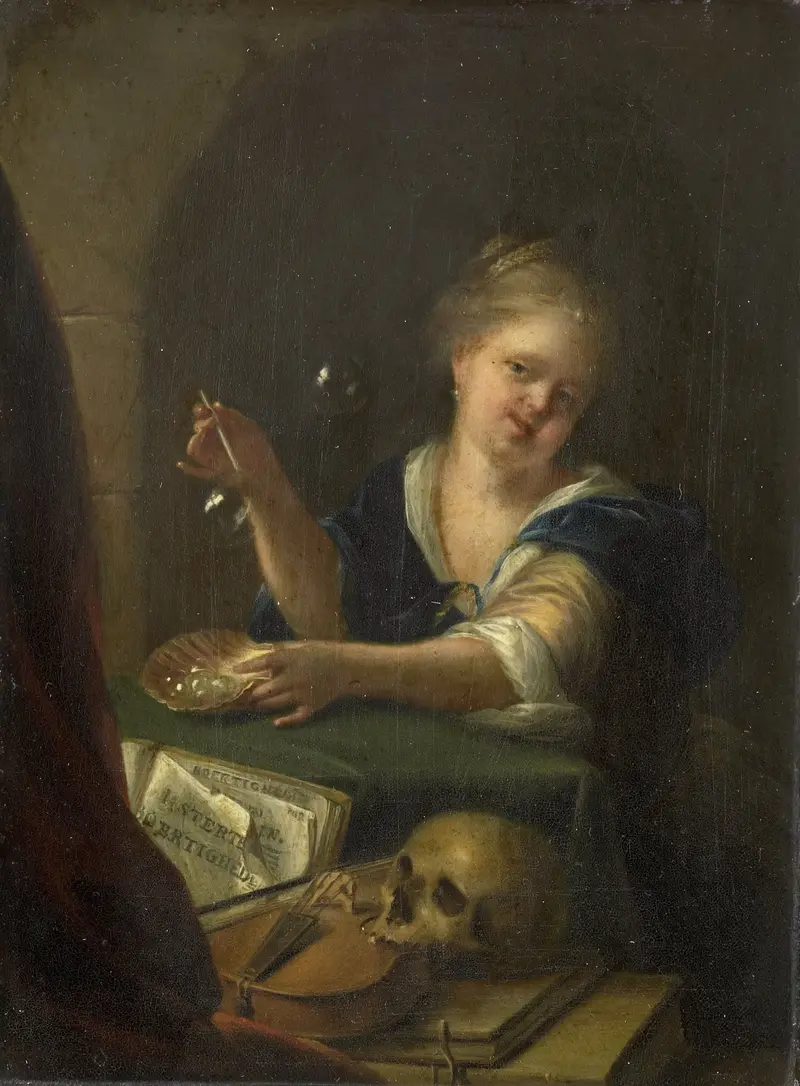
Bubble-blowing Girl with a Vanitas Still Life
Adriaen van der Werff
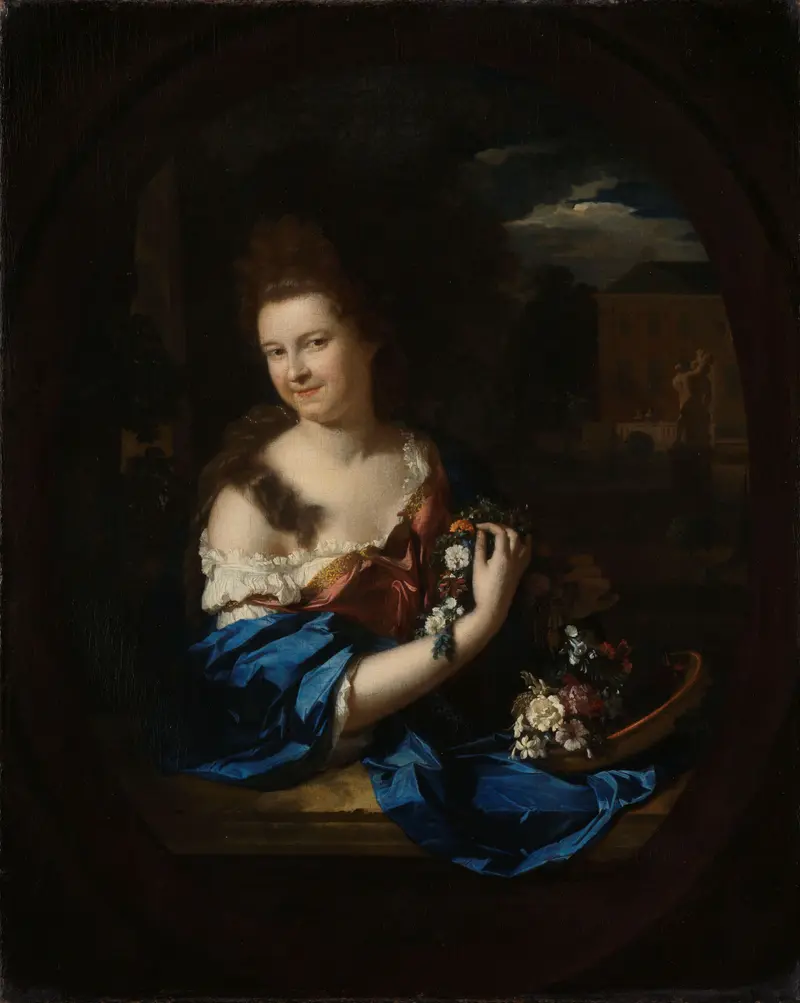
Portrait of Margaretha Rendorp (1673-1730), wife of Jan van de Poll
Adriaen van der Werff
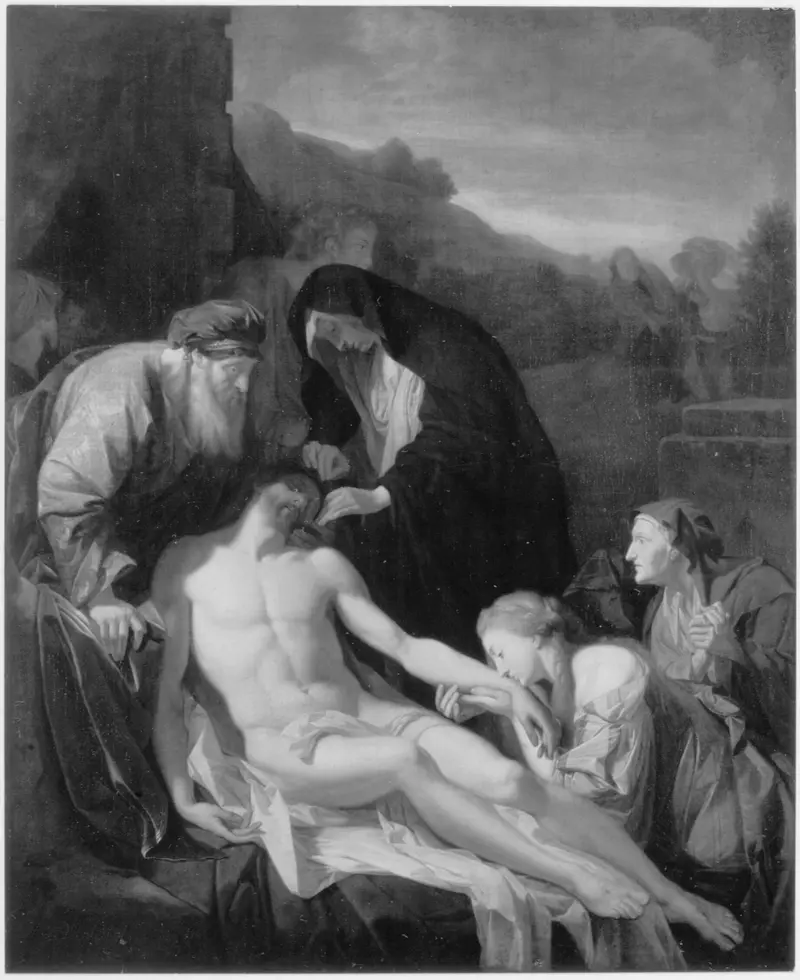
The burial of Christ
Adriaen van der Werff
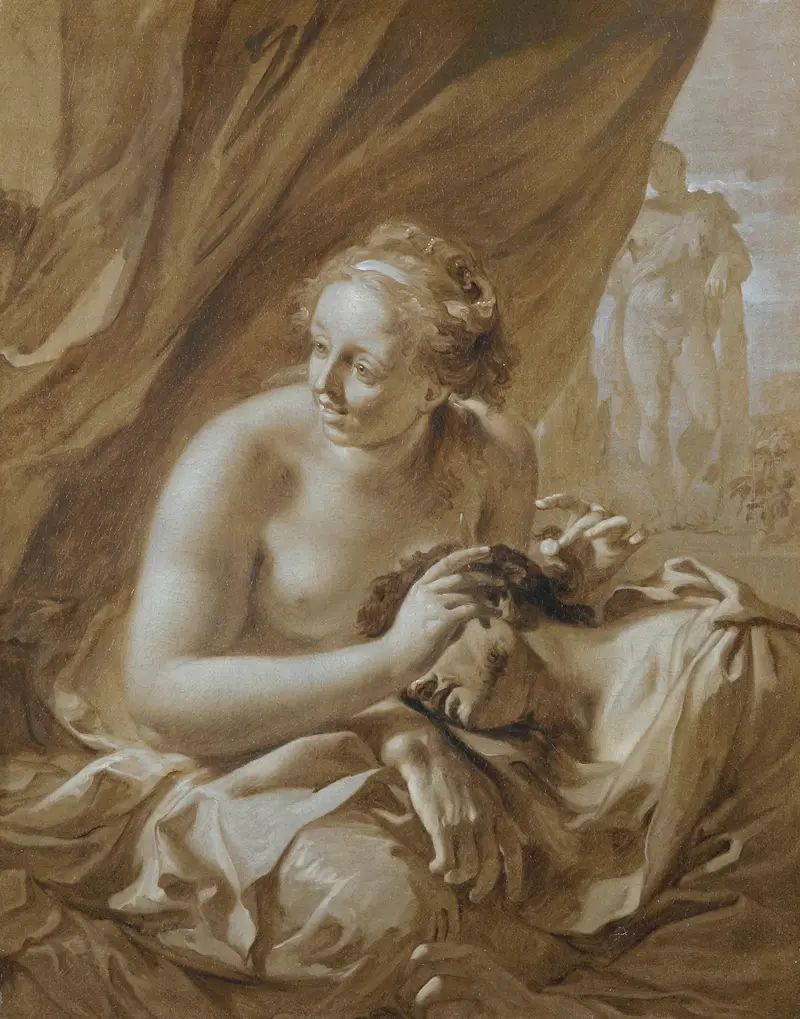
Samson and Delilah (?)
Adriaen van der Werff





