
Adam en Eva na de Zondeval — History & Facts
Where does light end, and longing begin? The delicate interplay between illumination and shadow in this work evokes a world infused with both beauty and regret. Look to the center, where the figures of Adam and Eve stand poised in a moment of fragile tension. Their bodies are elegantly intertwined, highlighted by soft, warm tones that contrast against the cooler shadows that envelop them. Notice how the gentle curvature of their forms draws the eye along their outlines, guiding you to the subtle expressions on their faces—both wonder and sorrow mingling within their gaze, as if contemplating the irrevocable change their actions have wrought. The lush environment surrounding them, filled with vibrant flora, serves as both a paradise and a reminder of their lost innocence.
The detailed rendering of the leaves and flowers suggests a thriving world, but beneath the surface, a sense of foreboding lingers. The figures’ placement amidst this lushness hints at the duality of their existence—caught between the bliss of creation and the weight of impending consequence. The delicate brushwork and careful attention to light capture both the vitality of life and the shadows of their transgression. Wenceslaus Hollar created this poignant piece around 1680, during a period marked by his exploration of etching and printmaking.
Living in exile in England after fleeing the Thirty Years' War in his native Bohemia, he immersed himself in the artistic circles of London, captivated by the themes of human experience and the complex interplay between innocence and guilt, a reflection of both his personal and societal upheavals.
More Artworks by Wenceslaus Hollar
Browse all →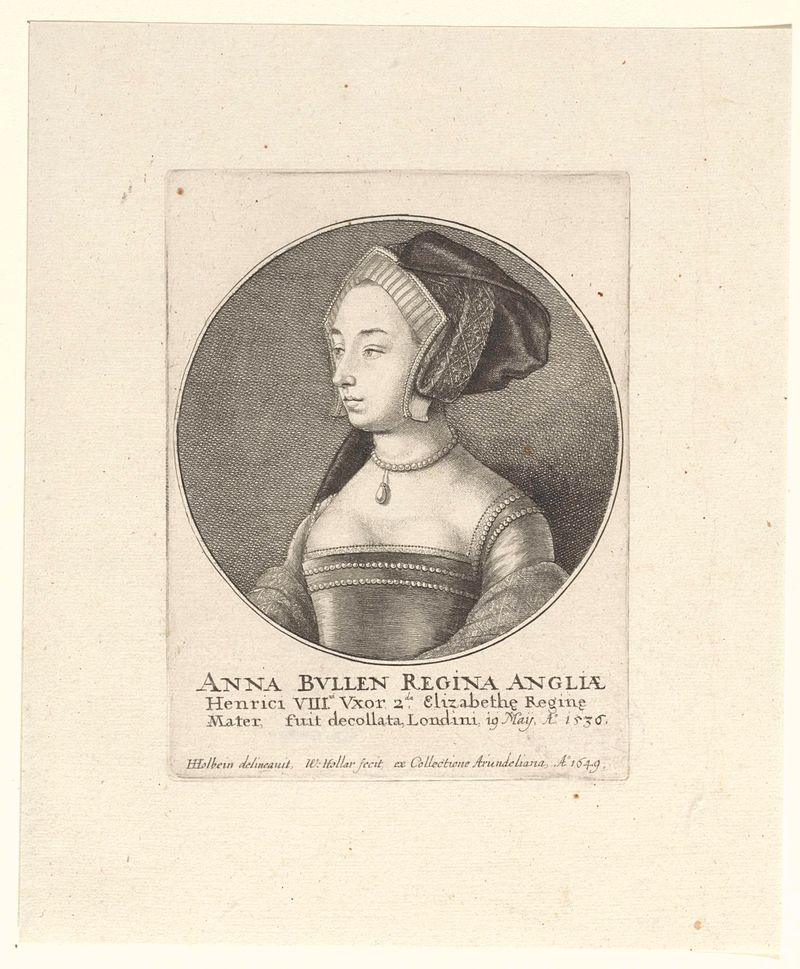
Portret van Anna Boleyn, koningin van Engeland
Wenceslaus Hollar
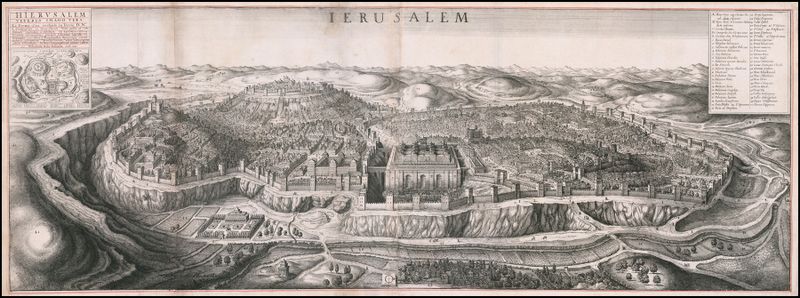
Bird’s eye view of Jerusalem
Wenceslaus Hollar
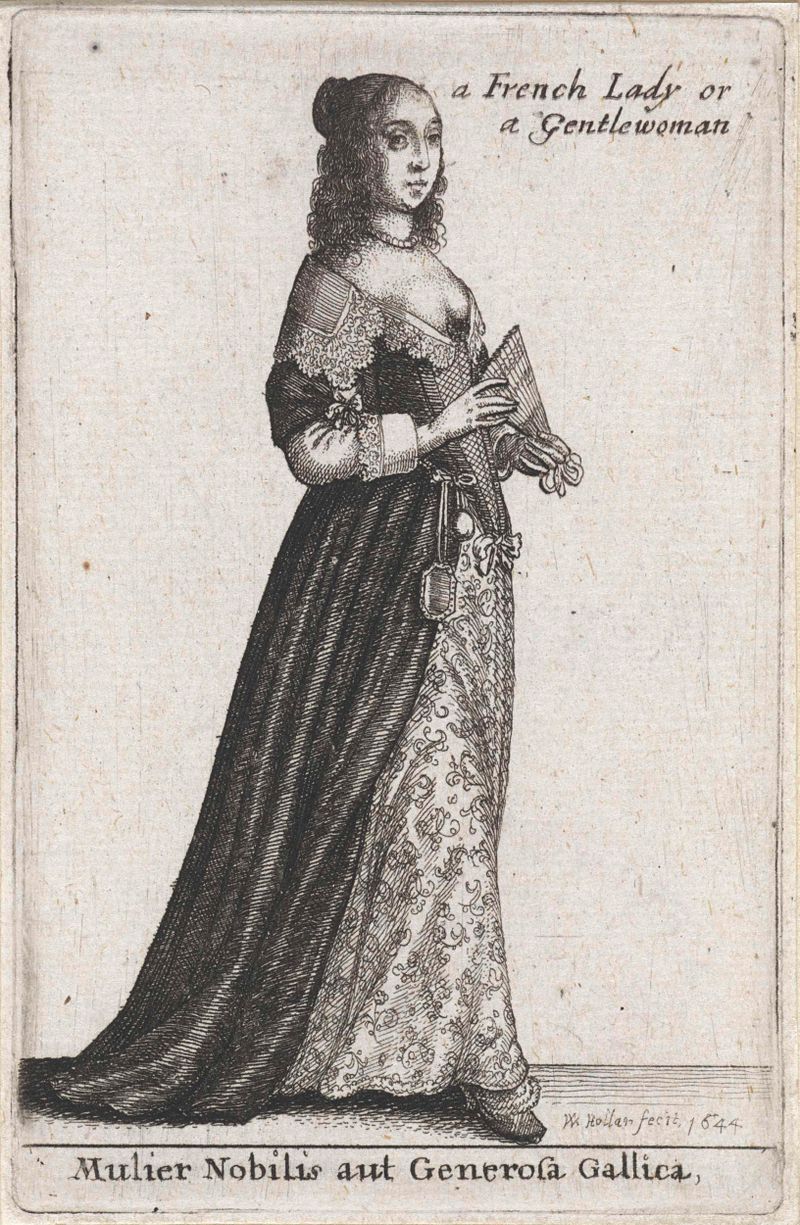
Mulier Nobilis aut Generosa Gallica / a French Lady or Gentlewoman
Wenceslaus Hollar
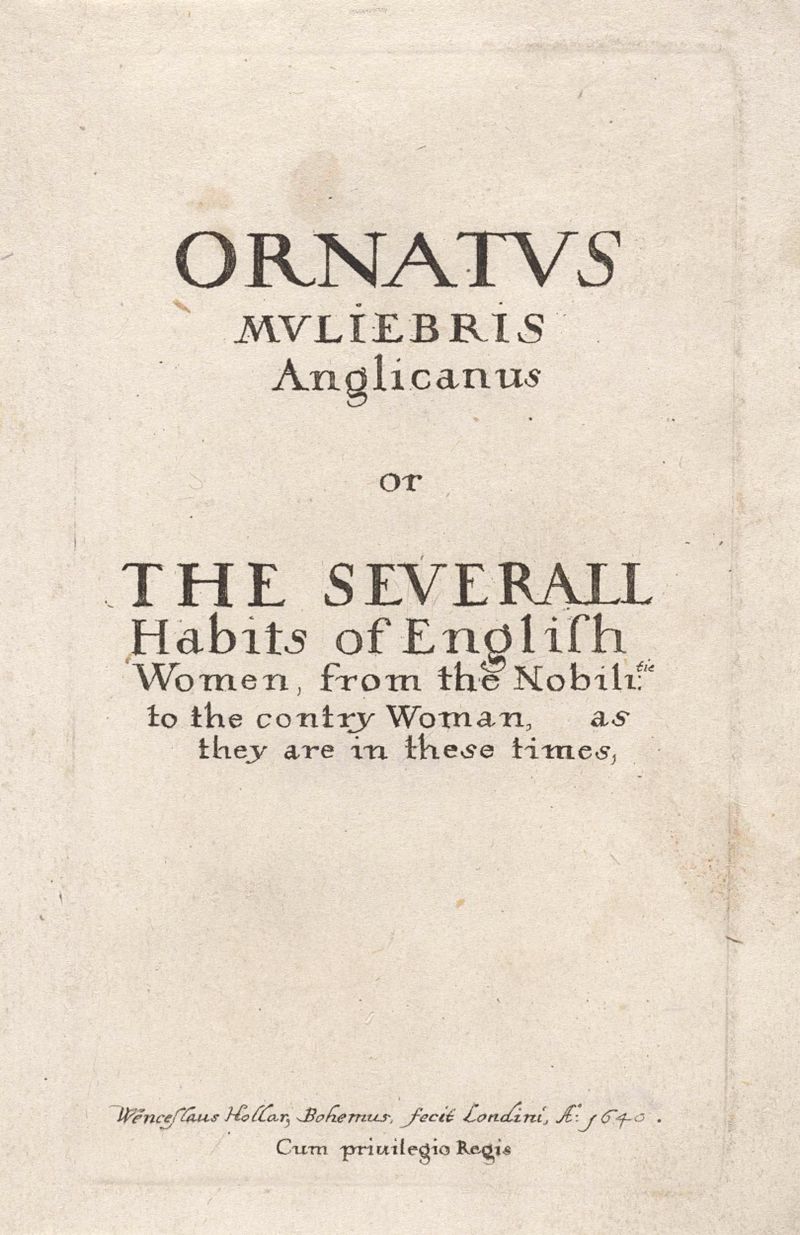
Titelprent voor: Ornatus Muliebris Anglicanus
Wenceslaus Hollar
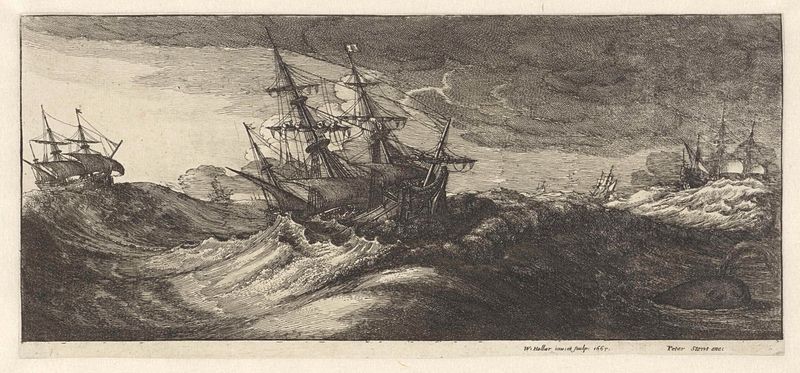
Oorlogsschepen en een walvis in een zeestorm
Wenceslaus Hollar
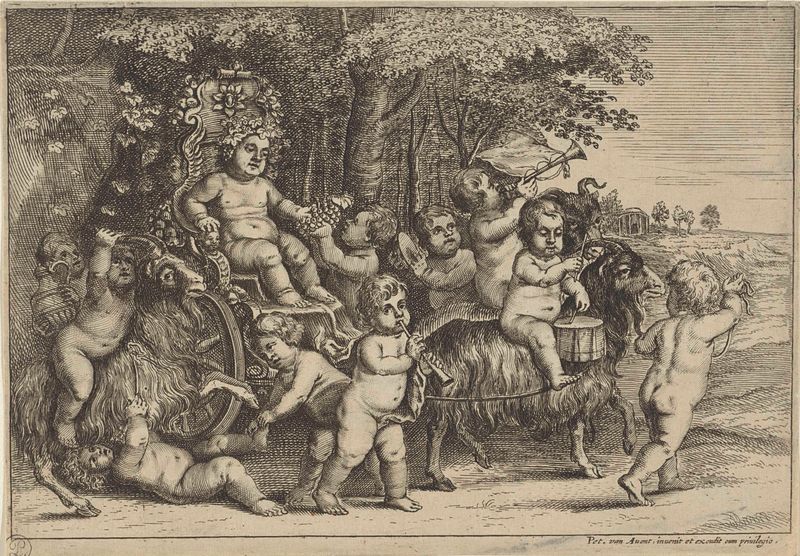
Optocht van bacchant en jongetjes op geiten
Wenceslaus Hollar
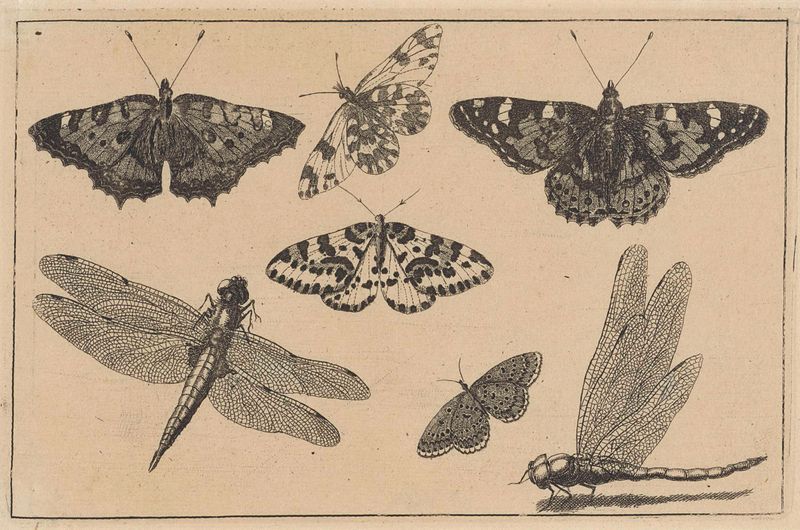
Twee libellen en vijf vlinders
Wenceslaus Hollar
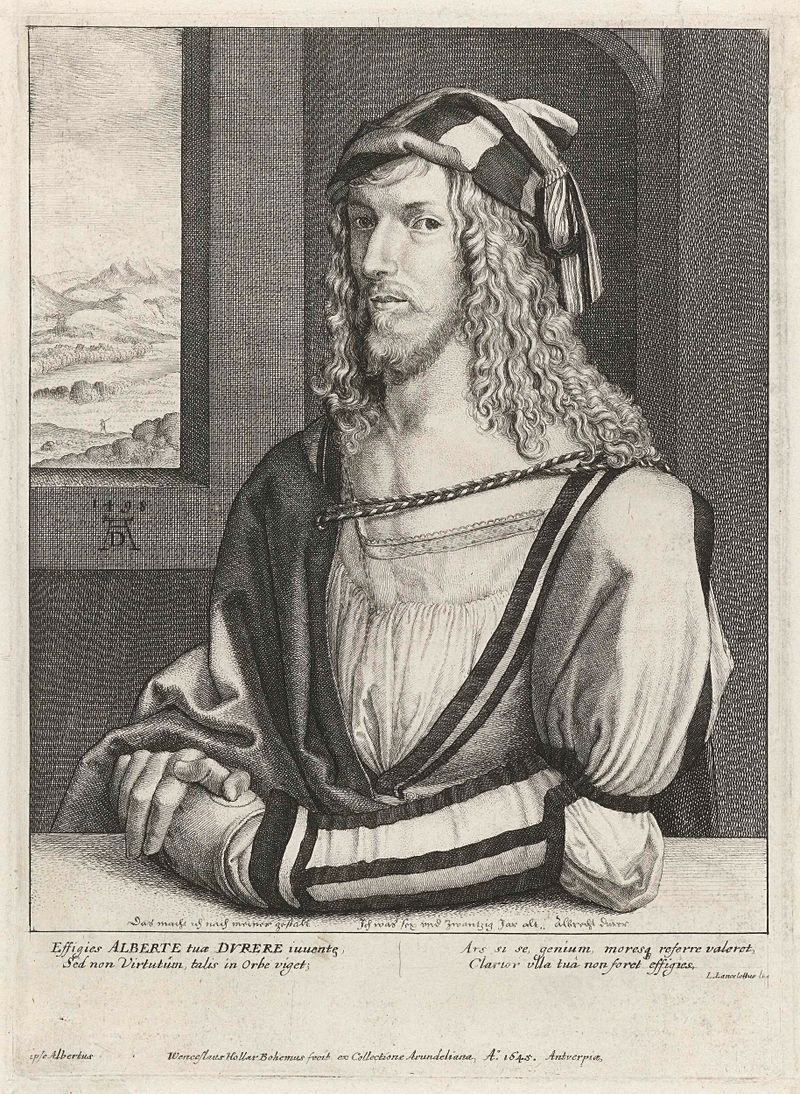
Portret van Albrecht Dürer
Wenceslaus Hollar
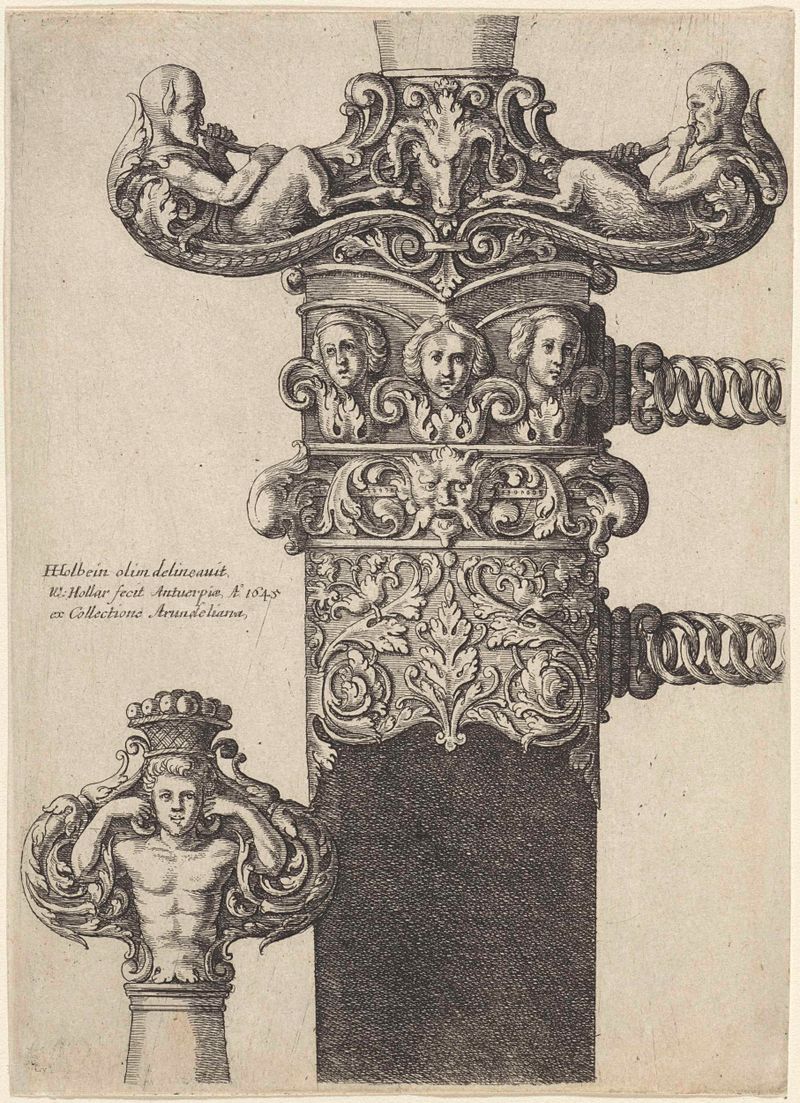
Ornamenteel ontwerp voor een dolk
Wenceslaus Hollar
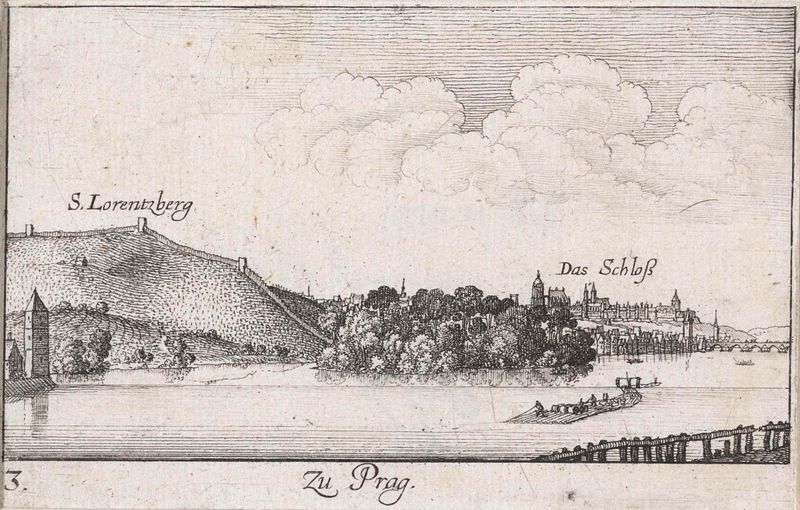
Gezicht op Praag vanaf de Moldau
Wenceslaus Hollar
More Religious Art
Browse all →
The Return of the Prodigal Son
Rembrandt van Rijn

The Garden of Earthly Delights
El Bosco

Count Orgaz’ funeral
El Greco

The Hundred Guilder Print: the central piece with Christ preaching, the plate arched
Rembrandt van Rijn

The Descent from the Cross
Rogier van der Weyden

The return of the prodigal son
Rembrandt van Rijn