
Adam en Eva verdreven uit het Paradijs — History & Facts
What secret hides in the quiet of the canvas? In Adam en Eva verdreven uit het Paradijs, an intricate etching by Wenceslaus Hollar, the viewer is drawn into a moment of profound loss, where illusion and reality intertwine. Look to the center, where the expelled figures of Adam and Eve stand in stark contrast to the lush, vibrant landscape that stretches beyond them. The delicate lines of Hollar's etching render their expressions of despair with haunting clarity, while the ethereal light filters through the leaves, creating an almost dreamlike atmosphere. Notice how the soft shading around Eve’s figure emphasizes her vulnerability, while Adam’s posture, slightly hunched, speaks to the weight of their collective fall from grace. Yet, beneath the surface, layers of meaning emerge.
The serpentine form of the tree, curled around the figures, suggests a lingering presence of temptation and the complexity of choice. The idyllic background juxtaposes the anguish of the foreground, hinting at the bittersweet nature of paradise lost. This delicate interplay of hope and despair invites contemplation on the fragility of human existence and the loss that follows transgression. In the late 17th century, Hollar created this work during a time of personal hardship and artistic transition in Europe.
Living in exile in London, he faced the challenges of a changing artistic landscape while grappling with themes of morality and humanity. The interplay of light and shadow in this piece reflects not only the artist's technical prowess but also the emotional landscape of a world grappling with its own fall from grace.
More Artworks by Wenceslaus Hollar
Browse all →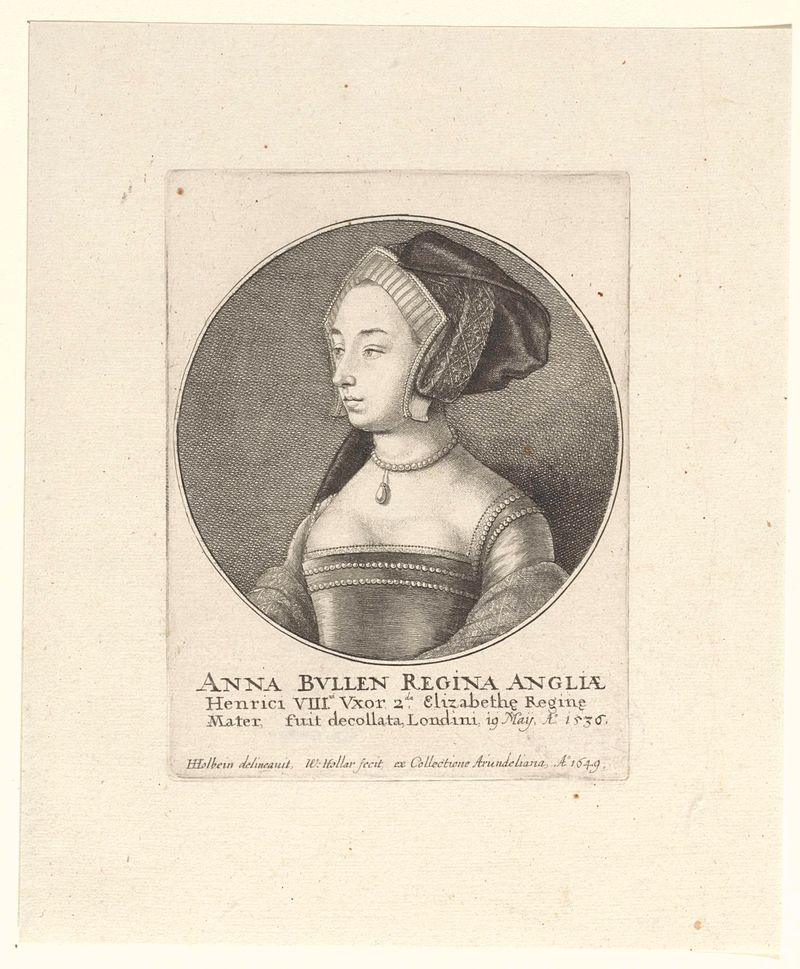
Portret van Anna Boleyn, koningin van Engeland
Wenceslaus Hollar
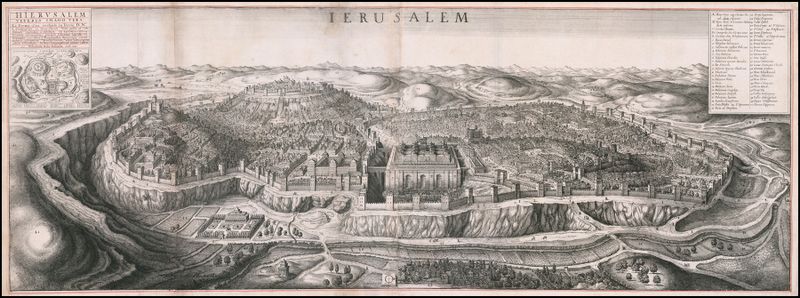
Bird’s eye view of Jerusalem
Wenceslaus Hollar
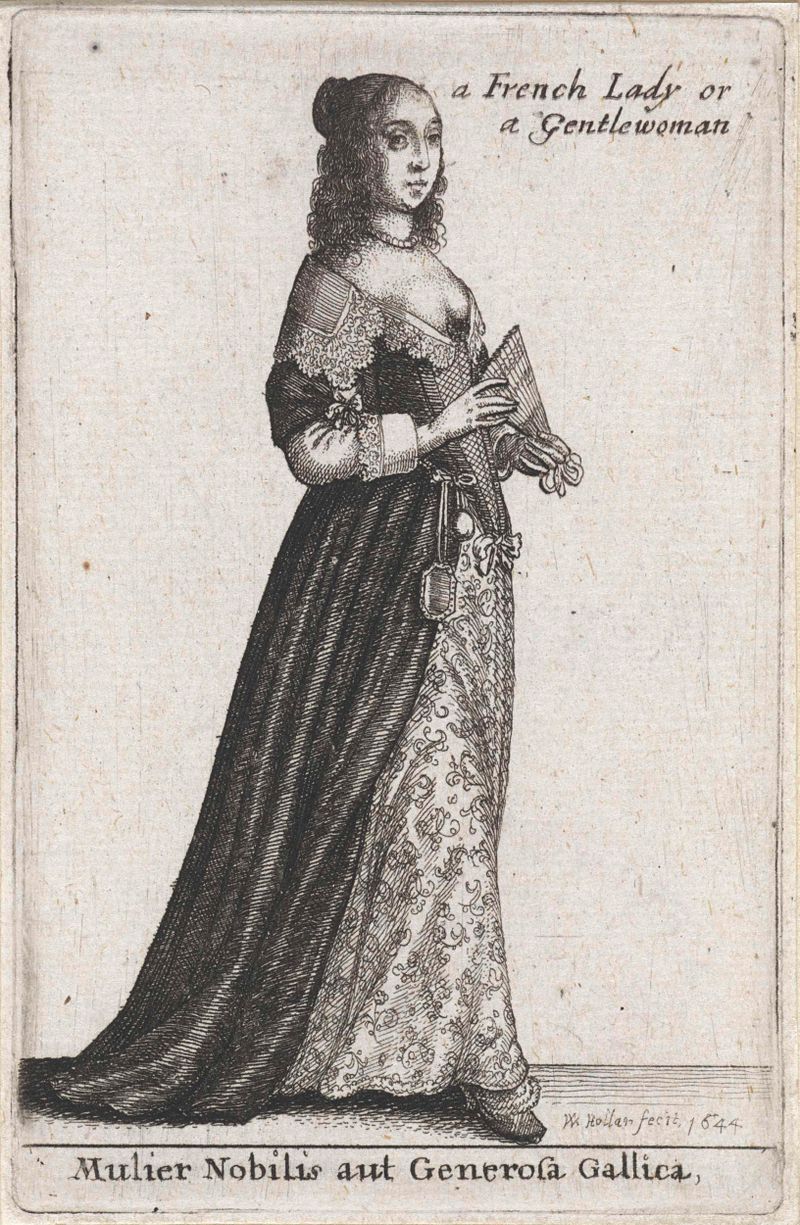
Mulier Nobilis aut Generosa Gallica / a French Lady or Gentlewoman
Wenceslaus Hollar
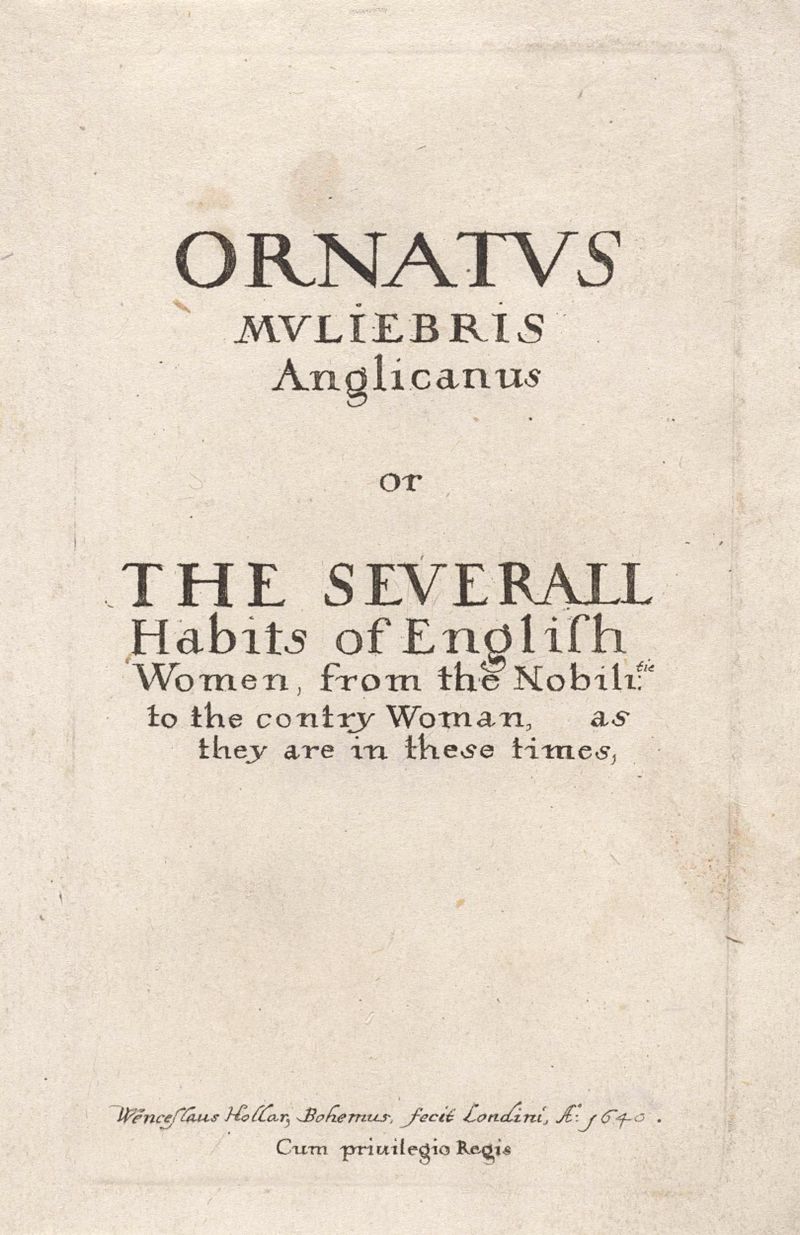
Titelprent voor: Ornatus Muliebris Anglicanus
Wenceslaus Hollar
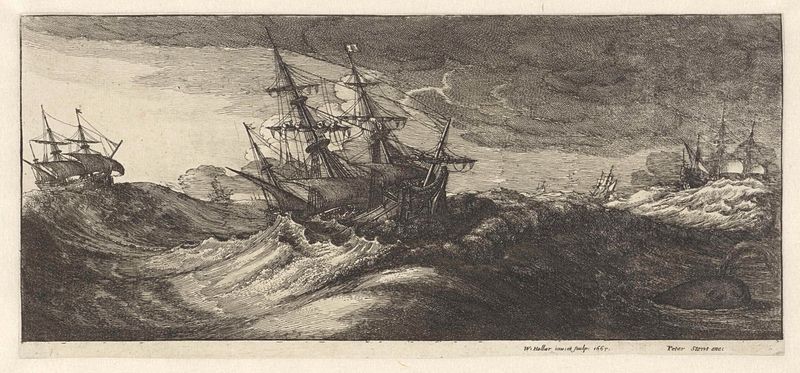
Oorlogsschepen en een walvis in een zeestorm
Wenceslaus Hollar
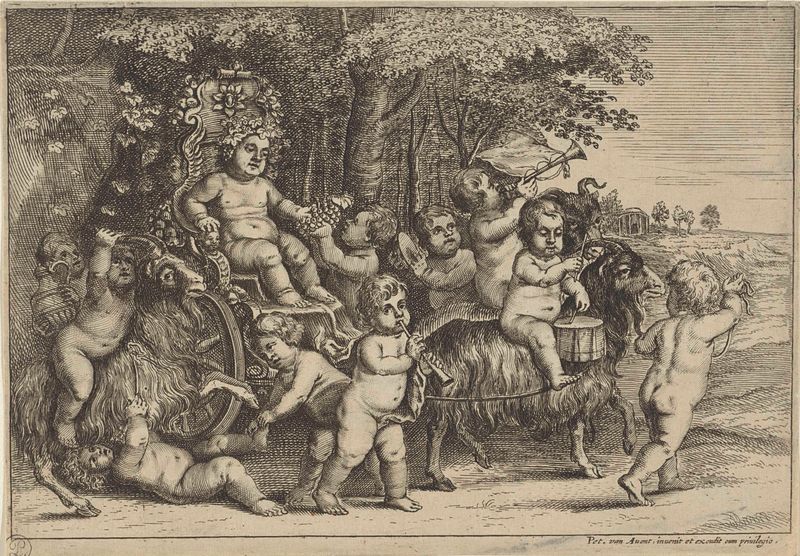
Optocht van bacchant en jongetjes op geiten
Wenceslaus Hollar
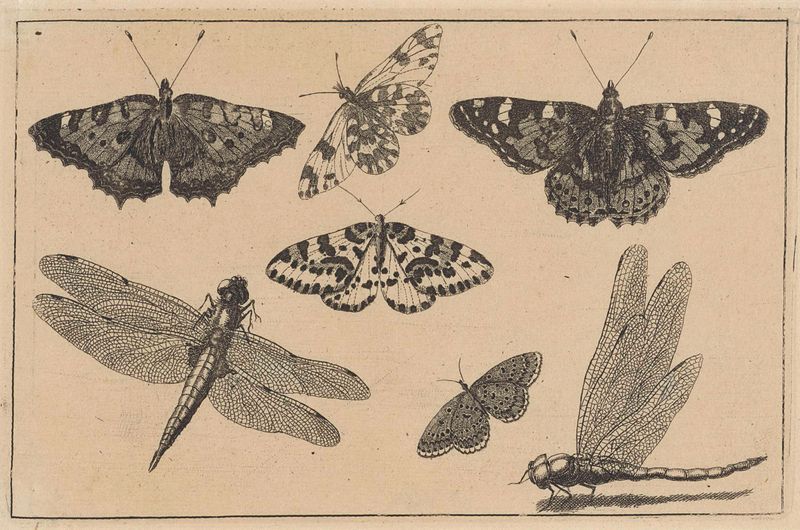
Twee libellen en vijf vlinders
Wenceslaus Hollar
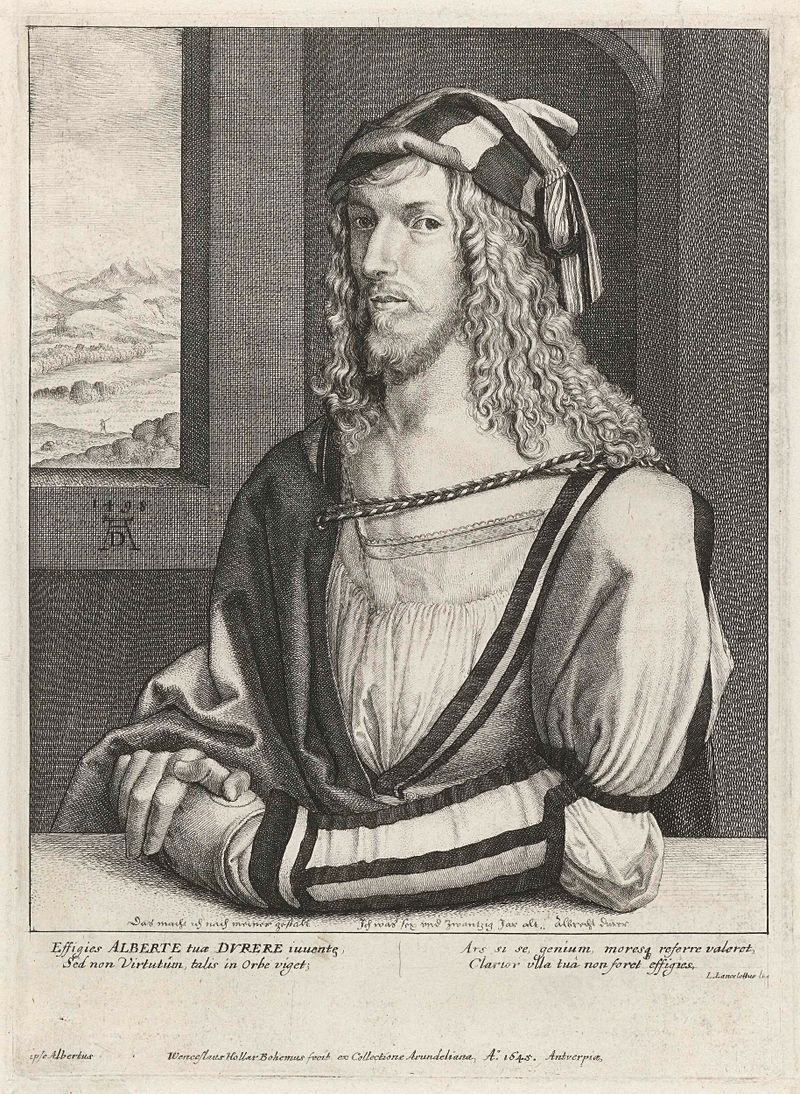
Portret van Albrecht Dürer
Wenceslaus Hollar
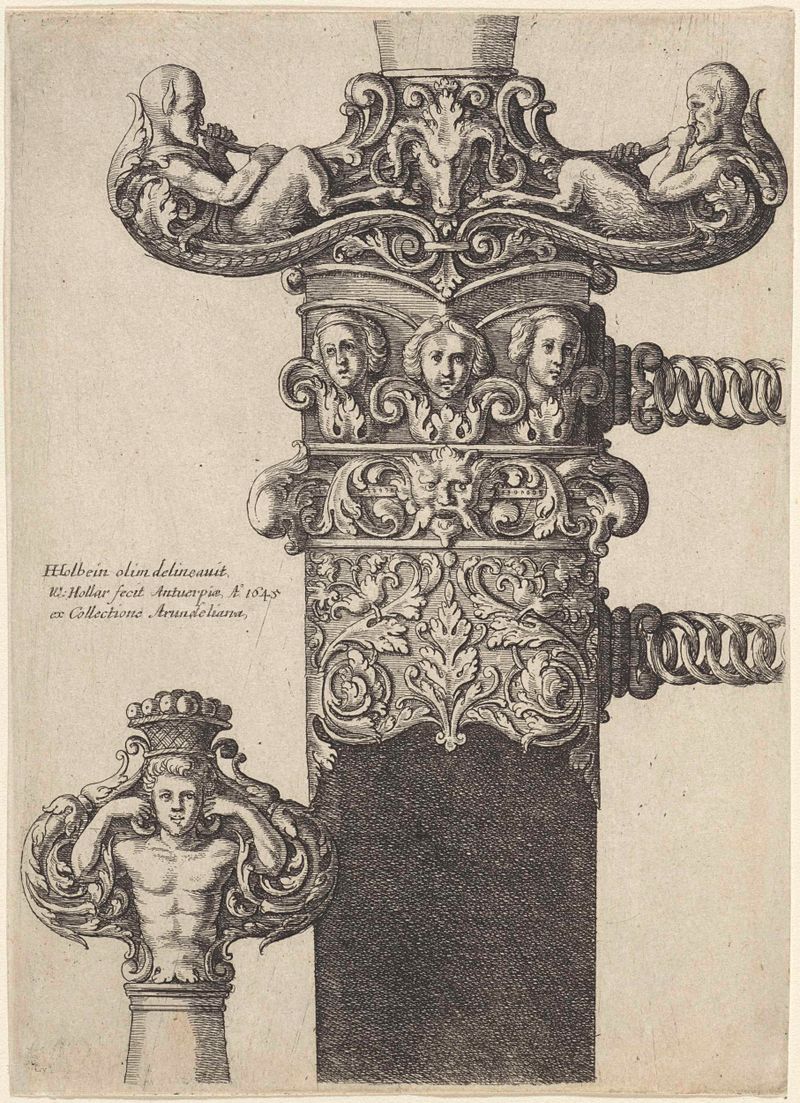
Ornamenteel ontwerp voor een dolk
Wenceslaus Hollar
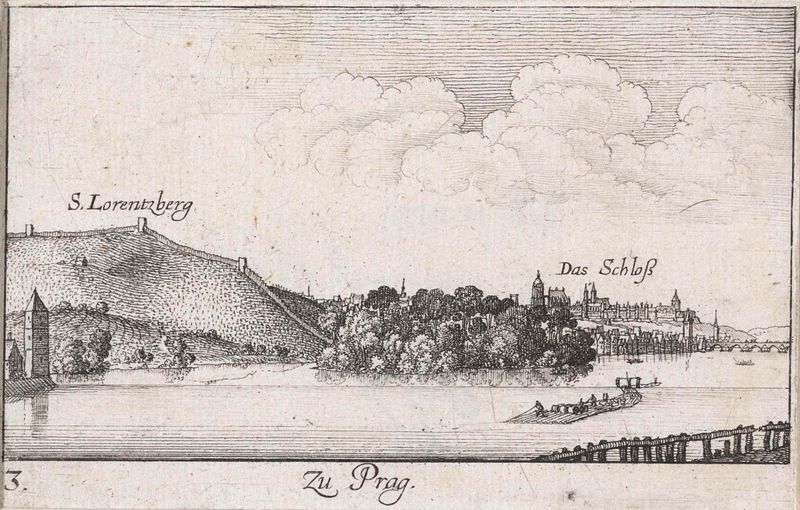
Gezicht op Praag vanaf de Moldau
Wenceslaus Hollar
More Religious Art
Browse all →
The Return of the Prodigal Son
Rembrandt van Rijn

The Garden of Earthly Delights
El Bosco

Count Orgaz’ funeral
El Greco

The Hundred Guilder Print: the central piece with Christ preaching, the plate arched
Rembrandt van Rijn

The Descent from the Cross
Rogier van der Weyden

The return of the prodigal son
Rembrandt van Rijn