
Adam met een appel — History & Facts
Could a single brushstroke hold eternity? In the delicate dance of color and form, Jacob Binck composes a narrative that whispers of life's fleeting beauty and the weight of mortality. Look to the left at the figure of Adam, poised with an apple cradled in his hand, the vibrant red of the fruit illuminating the muted tones of his skin. His expression is contemplative, caught between innocence and the impending knowledge of his choices. The intricate details in the foliage envelope him, each leaf meticulously rendered, creating a lush backdrop that contrasts with Adam’s stillness, drawing your gaze deeper into his world. The apple, a symbol of temptation and knowledge, hangs heavily within the composition, suggesting the duality of desire and consequence.
Notice the way the light gently caresses the contours of Adam's face, hinting at the divine spark within him, while shadows loom ominously, echoing the inevitable fall that awaits. This tension captures the essence of the human experience—a fragile balance between purity and the awareness of one’s own mortality. Jacob Binck created this piece during the 16th century, a time of rich artistic exploration in the Northern Renaissance. As he painted Adam met een appel, he was deeply engaged with the themes of humanism and religious imagery, reflecting the broader cultural shifts of his era.
The canvas serves not just as art, but as a contemplation of existence, capturing the artist’s inner dialogue amidst a world grappling with faith and knowledge.
More Artworks by Jacob Binck
Browse all →
Portret van Christiaan II, koning van Denemarken
Jacob Binck

Christus en de Samaritaanse vrouw
Jacob Binck
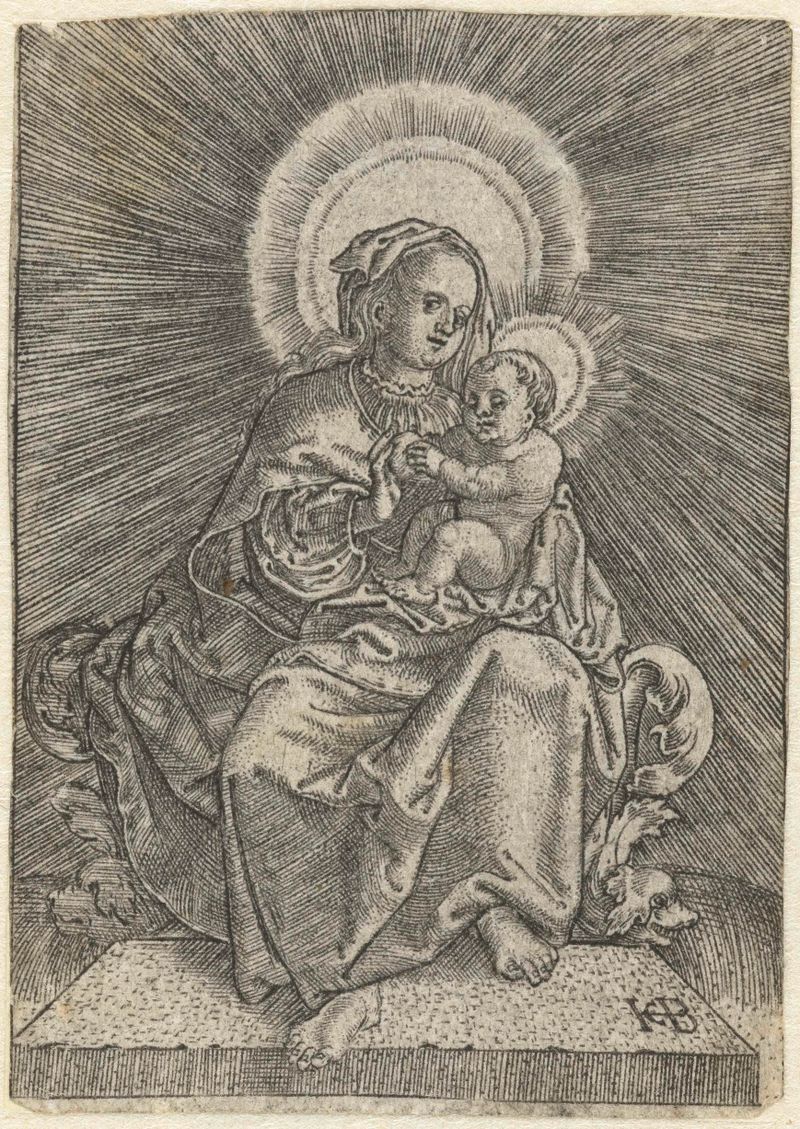
Tronende Maria met kind en appel in stralenkrans
Jacob Binck

Christus op de koude steen
Jacob Binck

Ornament met twee putti op dolfijnen onder een vaas
Jacob Binck
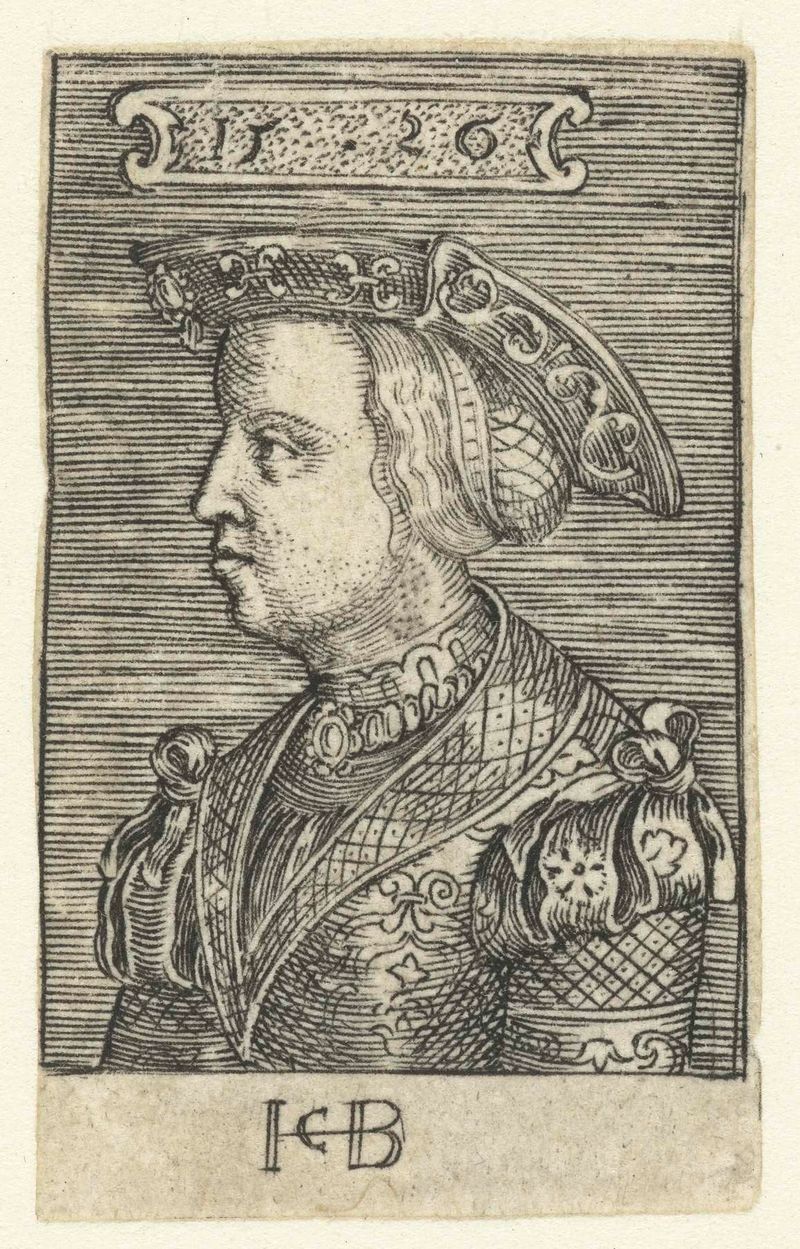
Portret van Claudia van Valois, echtgenote van Frans I
Jacob Binck

Ceres met kroon van korenaren, sikkel, brandende toorts en tweekoppige slang
Jacob Binck
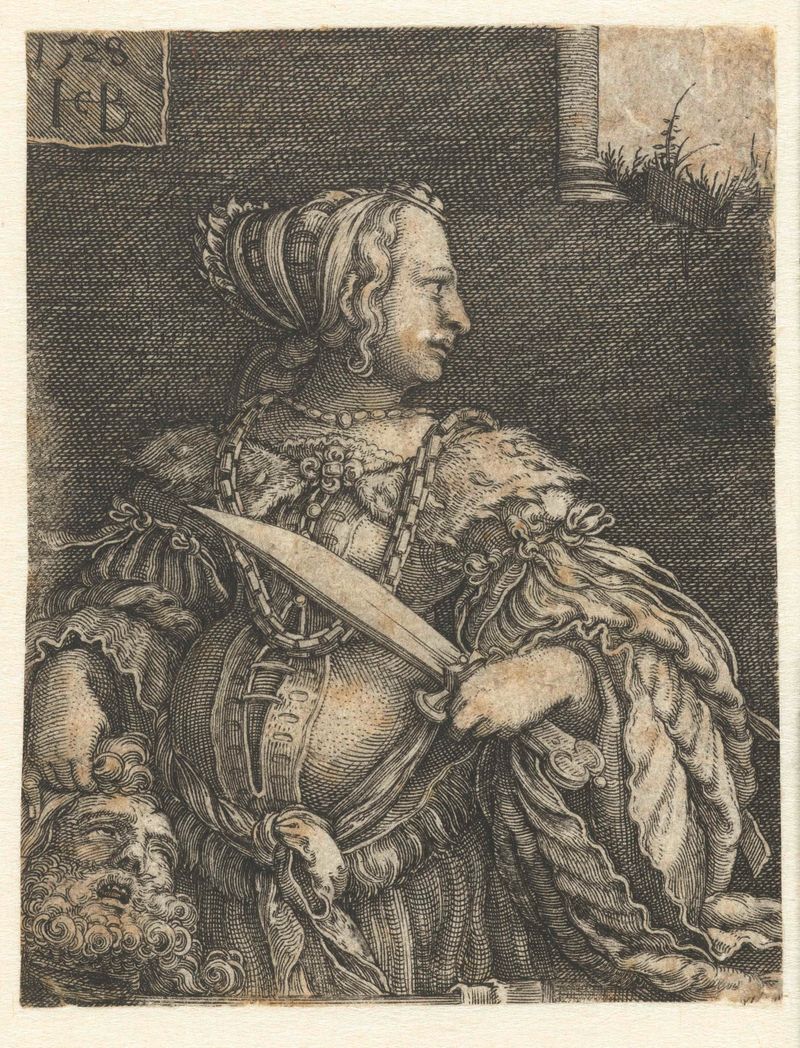
Judith met het hoofd van Holofernes
Jacob Binck
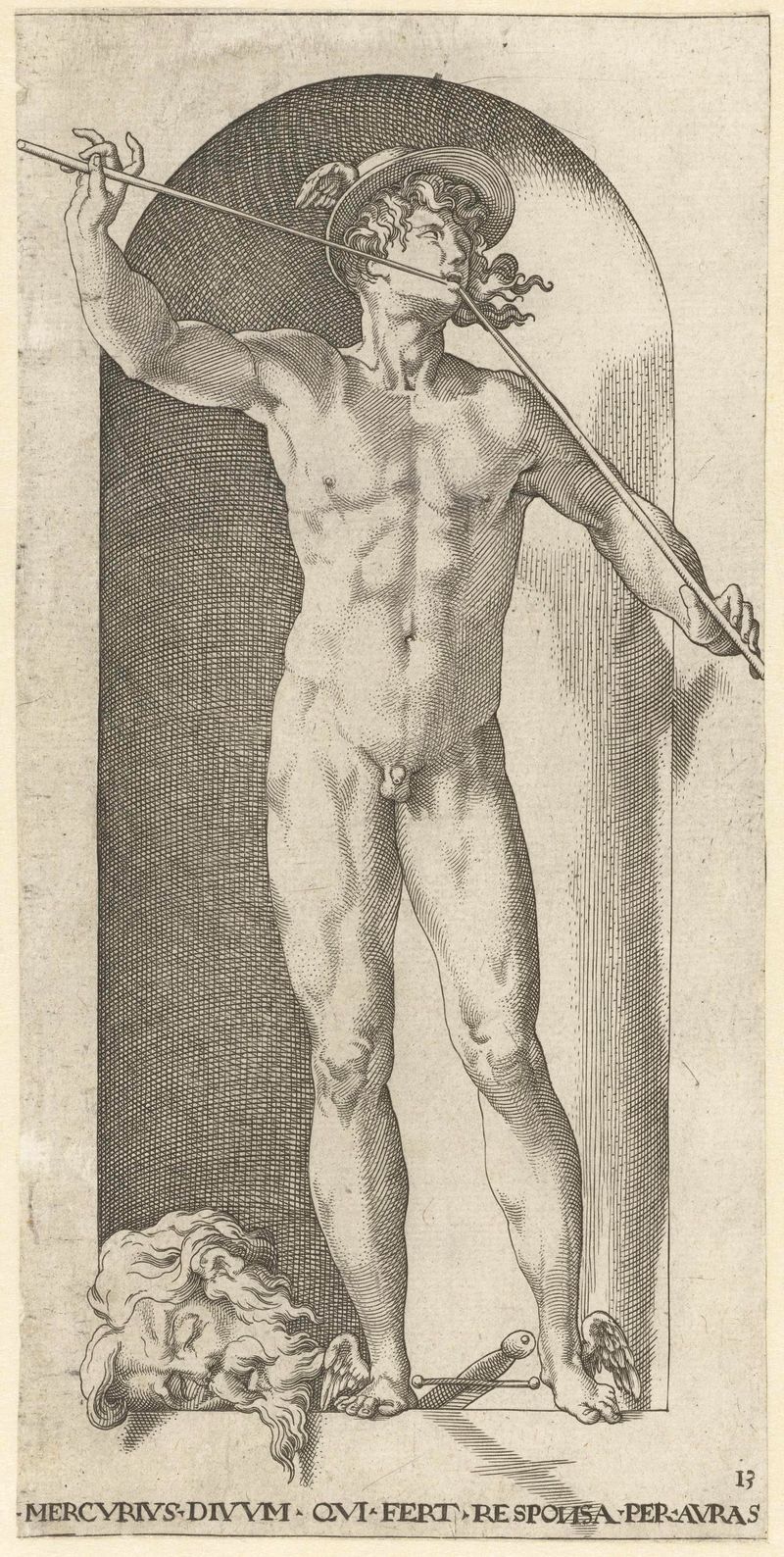
Mercurius met het hoofd van Argus
Jacob Binck

Minerva (Pallas Athena) met Medusahoofd op schild
Jacob Binck
More Religious Art
Browse all →
The Return of the Prodigal Son
Rembrandt van Rijn

The Garden of Earthly Delights
El Bosco

Count Orgaz’ funeral
El Greco

The Hundred Guilder Print: the central piece with Christ preaching, the plate arched
Rembrandt van Rijn

The Descent from the Cross
Rogier van der Weyden

The return of the prodigal son
Rembrandt van Rijn