
Adolphe La Lyre Les horreurs de la guerre — History & Facts
A storm of winged furies and writhing bodies bursts from the sky, their descent a chaos of violence and lamentation. In Les horreurs de la guerre, Adolphe Lalyre conjures a vision where myth and nightmare meet: armored figures brandish swords and torches, their faces twisted in rage or agony, while serpents coil and flames devour the air. The viewer’s eye is drawn from the tumult above—where a central figure, helmeted and resolute, leads the charge—down to the earth below, where the aftermath is heartbreakingly clear: a child lies lifeless, a rooster and snake nearby, symbols of innocence and evil entwined.
The palette veers from ashen grays to searing reds, heightening the sense of disaster and moral reckoning. Painted in 1914, at the dawn of the First World War, this work from the musée Roybet Fould stands as a fevered allegory for a world on the brink. History has kept few traces of Adolphe Lalyre’s career, but the ambition and scale of this canvas place it firmly within the tradition of allegorical painting that flourished in times of upheaval. Such images, often commissioned for public spaces or salons, aimed to make the consequences of war immediate and unforgettable, blending classical myth with contemporary dread.
Here, as in the grand manner of late 19th-century academic art, the artist marshals every tool—gesture, anatomy, storm-lit sky—to force the viewer to confront the cost of conflict. The painting’s energy refuses to let the eye rest, demanding a reckoning as urgent now as it was in 1914.
More Artworks by Adolphe Lalyre

Nayad and Dolphin in the Wave
Adolphe Lalyre
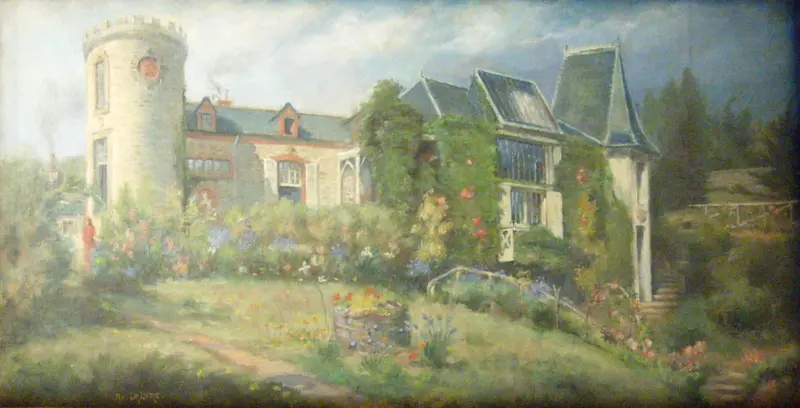
Château des sirènes at Carteret
Adolphe Lalyre
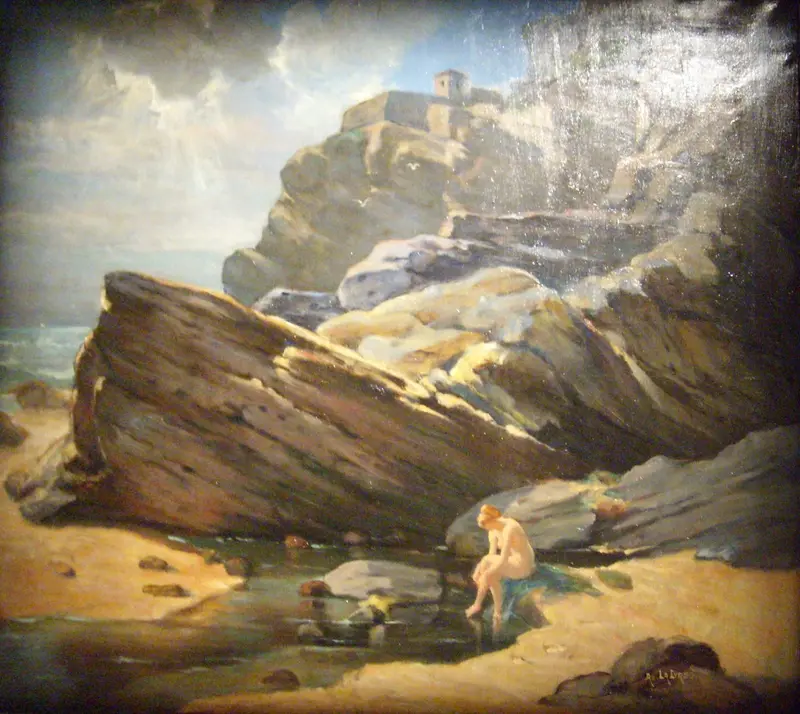
Bathing woman under the Grand Fort's rocks at Carteret
Adolphe Lalyre
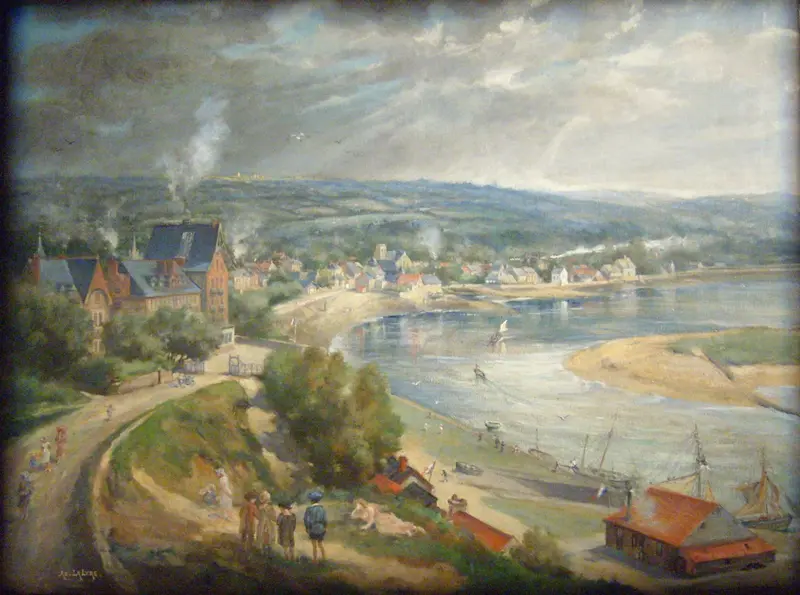
Carteret viewed from the Castle of Sirènes
Adolphe Lalyre
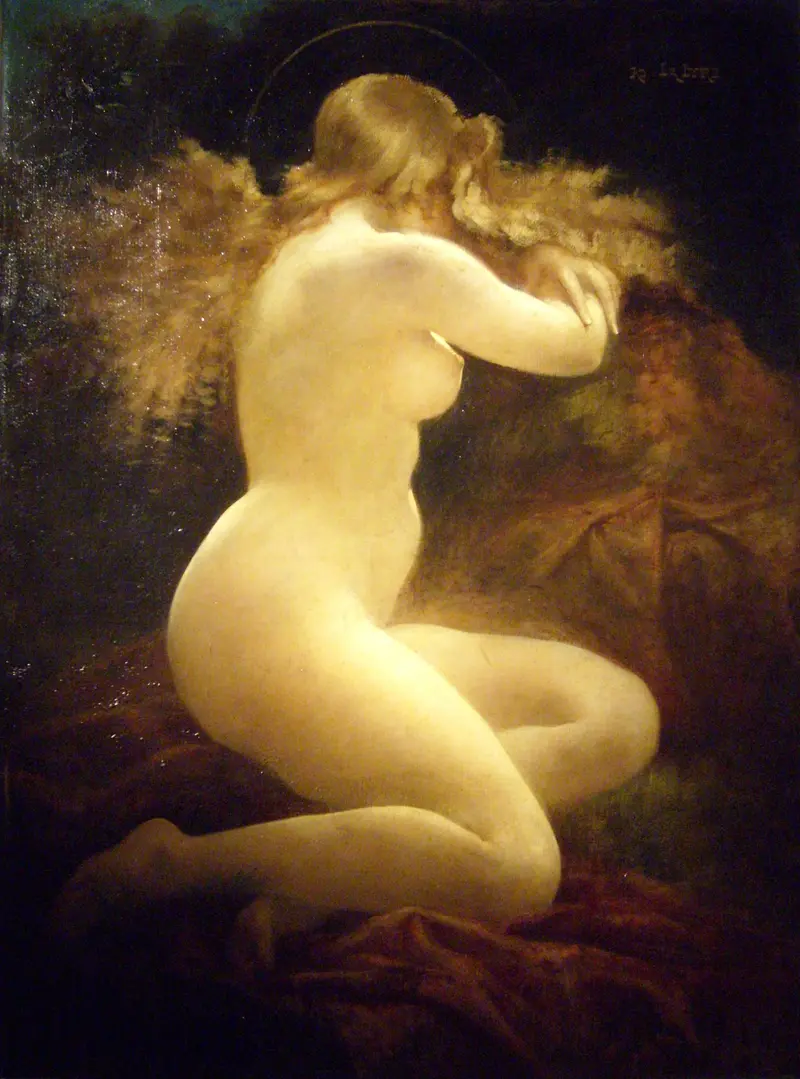
La Madeleine
Adolphe Lalyre
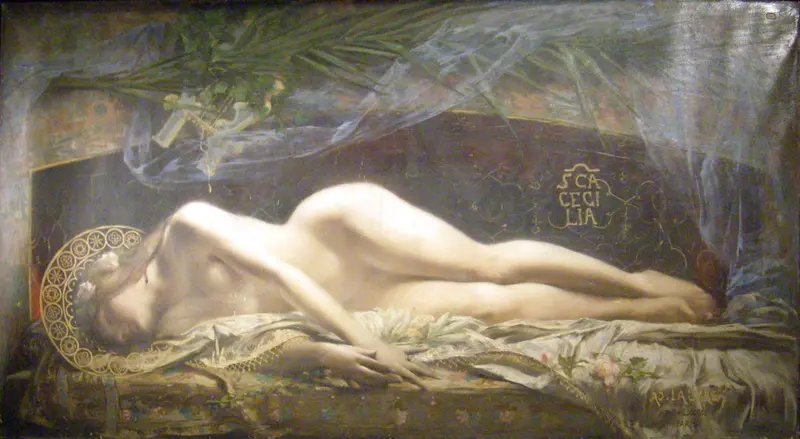
Ste cecile lalyre
Adolphe Lalyre
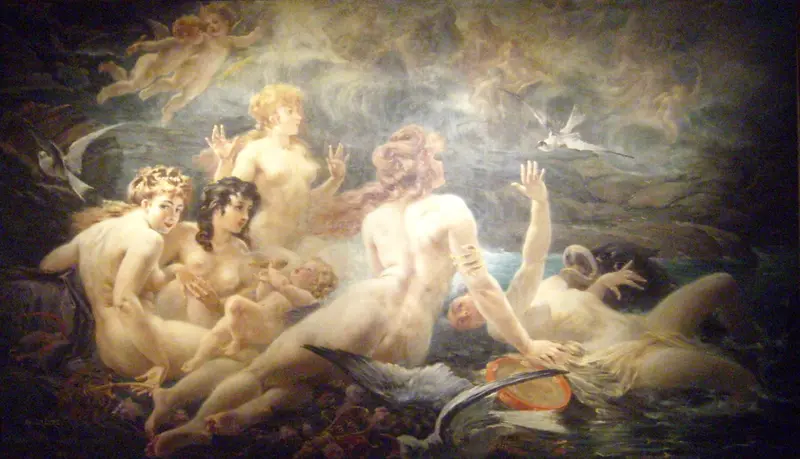
The Syrens Visited by the Muses
Adolphe Lalyre
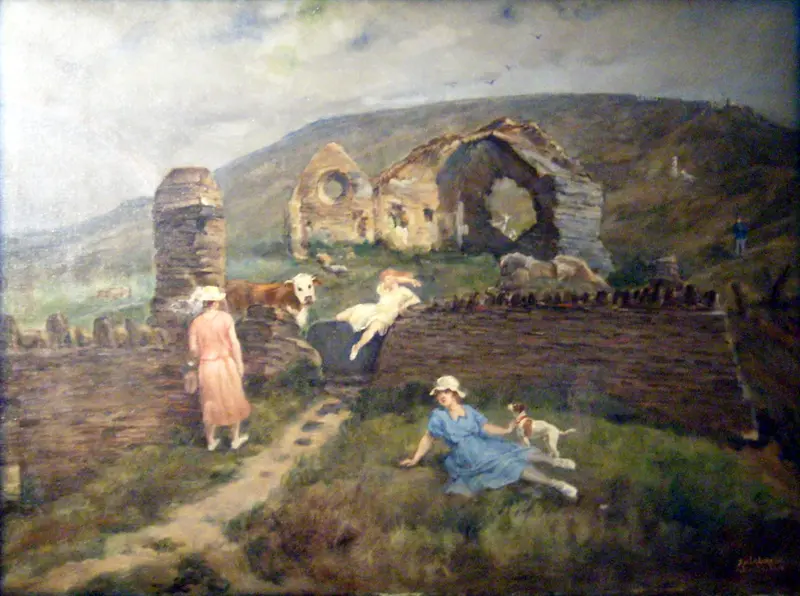
Carteret, Young Women at the Old Saint-Germain Church
Adolphe Lalyre
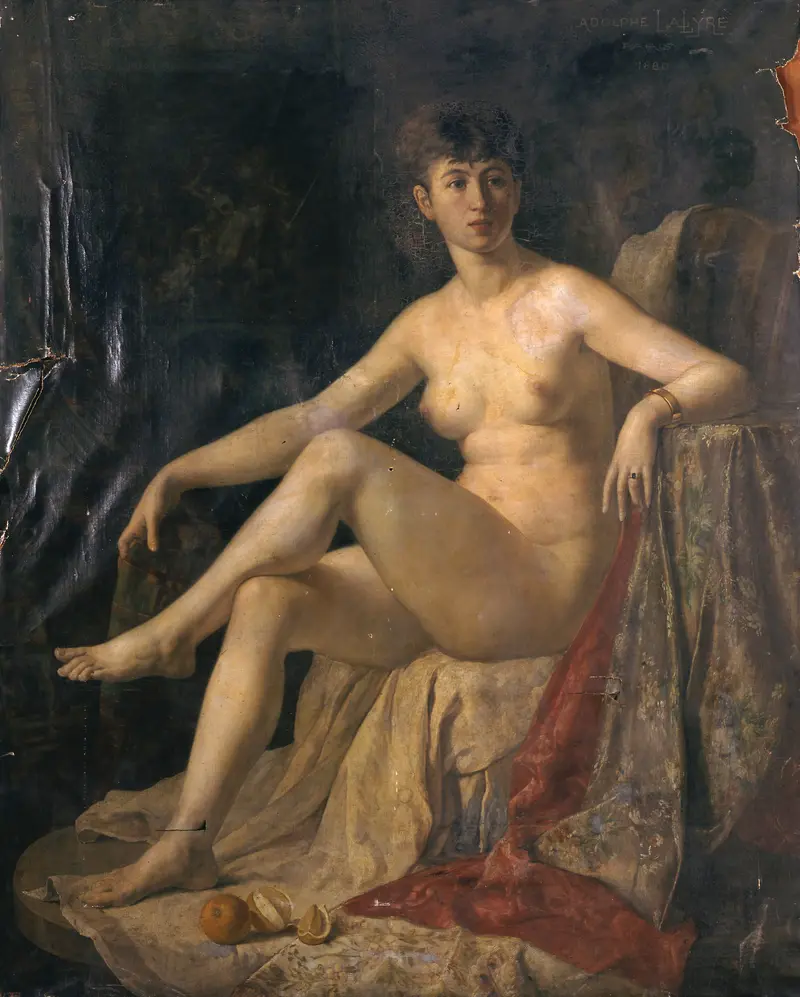
The Model
Adolphe Lalyre
The View from the Top
Adolphe Lalyre





