
Ste cecile lalyre — History & Facts
A golden halo, delicate as lace, hovers behind the head of a reclining figure, drawing the eye to a moment of serene surrender. The body, luminous against the shadowed drapery, stretches in a pose that is both vulnerable and monumental, the hand gently resting on palm fronds—symbols of martyrdom. Wisps of translucent fabric drift across the upper edge, their ghostly presence suggesting a veil between worlds.
The inscription “SCA CECILIA” anchors the scene in the realm of saints, yet the artist’s gaze lingers on the physical, elevating the human form to the status of relic. The entire composition is suffused with a hush, as if time itself has paused to witness this passage. Painted in 1896, Ste cecile lalyre by Adolphe Lalyre belongs to a late 19th-century fascination with the intersection of sanctity and sensuality. In an era when artists often revisited Christian legends with new psychological and aesthetic ambitions, this work stands out for its merging of academic precision with Symbolist atmosphere.
The world that produced such images was one of shifting boundaries: faith and doubt, flesh and spirit, tradition and innovation. Exhibited at the Musée Thomas-Henry in Cherbourg-Octeville, this painting invites viewers to contemplate not only the story of Saint Cecilia, but also the enduring power of the human body as a vessel for meaning. Look again at the interplay of light and shadow—the artist’s invitation to linger in the mystery.
More Artworks by Adolphe Lalyre

Nayad and Dolphin in the Wave
Adolphe Lalyre
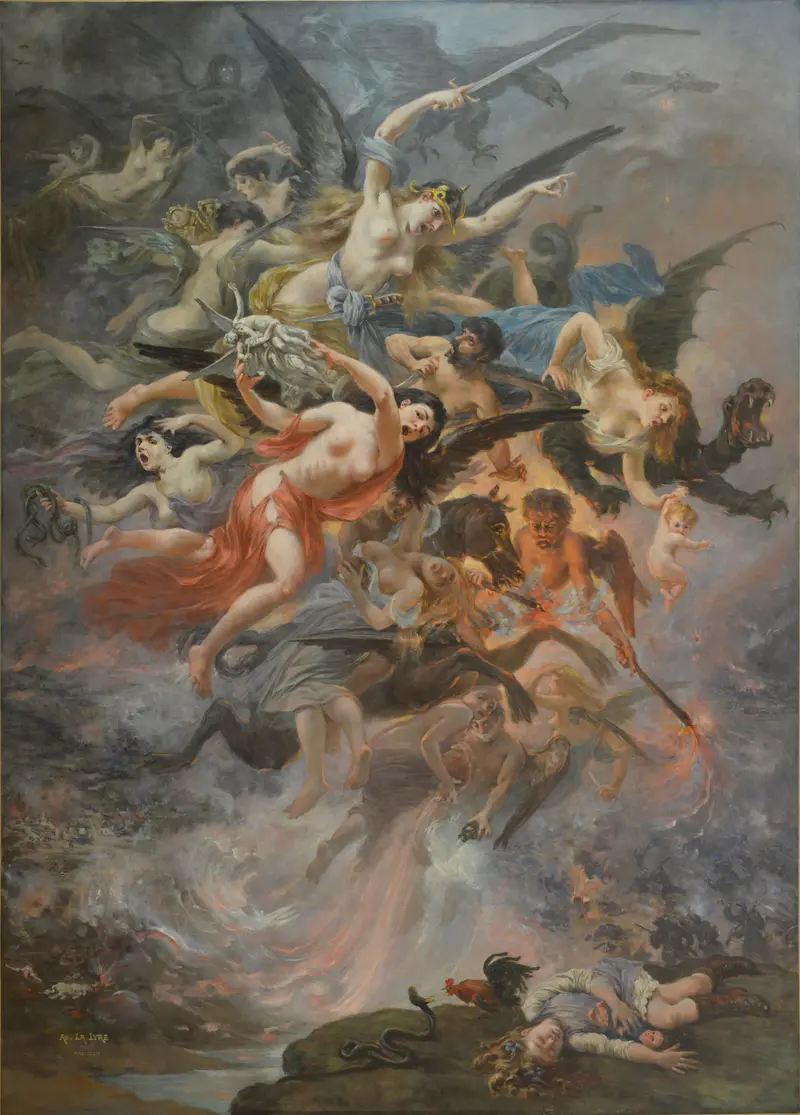
Adolphe La Lyre Les horreurs de la guerre
Adolphe Lalyre
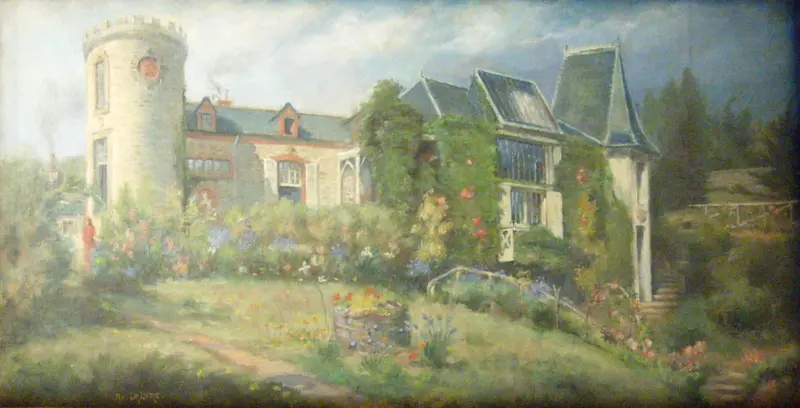
Château des sirènes at Carteret
Adolphe Lalyre
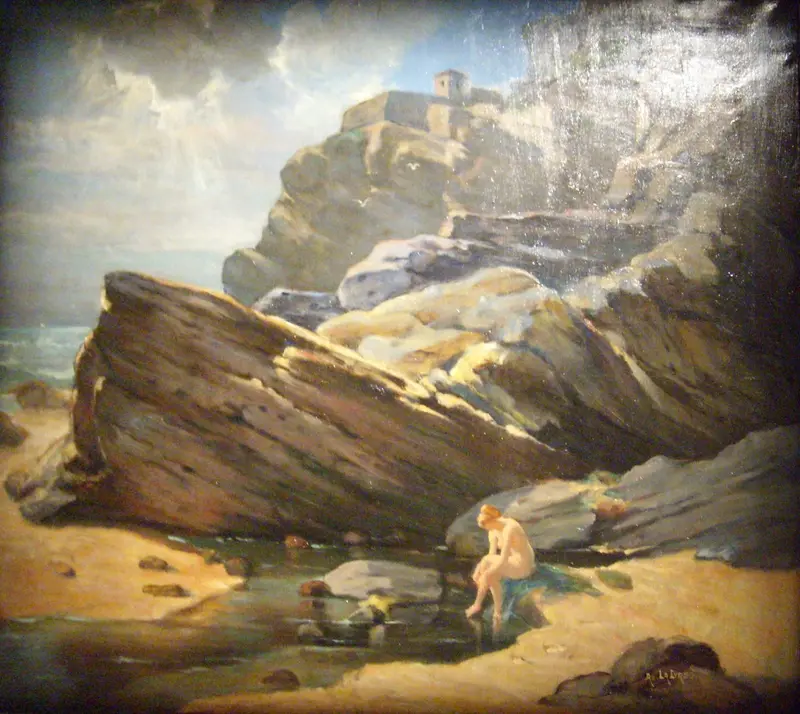
Bathing woman under the Grand Fort's rocks at Carteret
Adolphe Lalyre
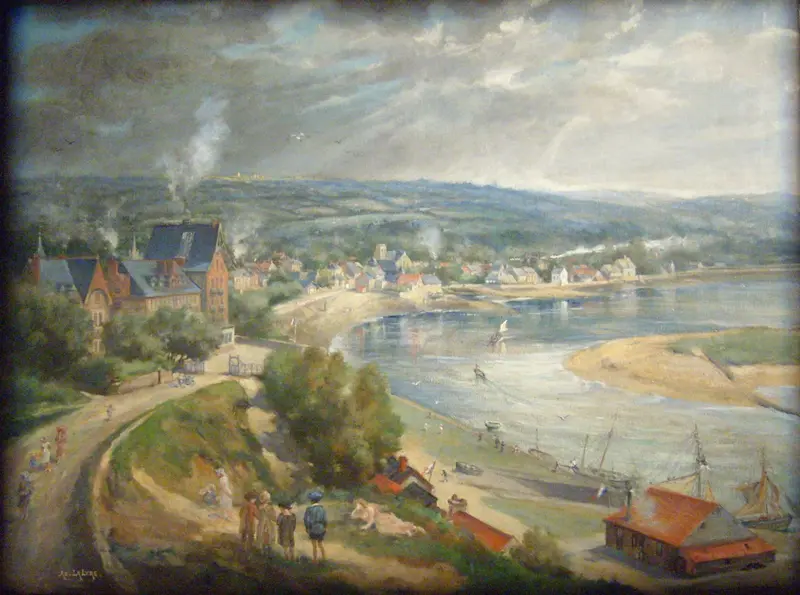
Carteret viewed from the Castle of Sirènes
Adolphe Lalyre
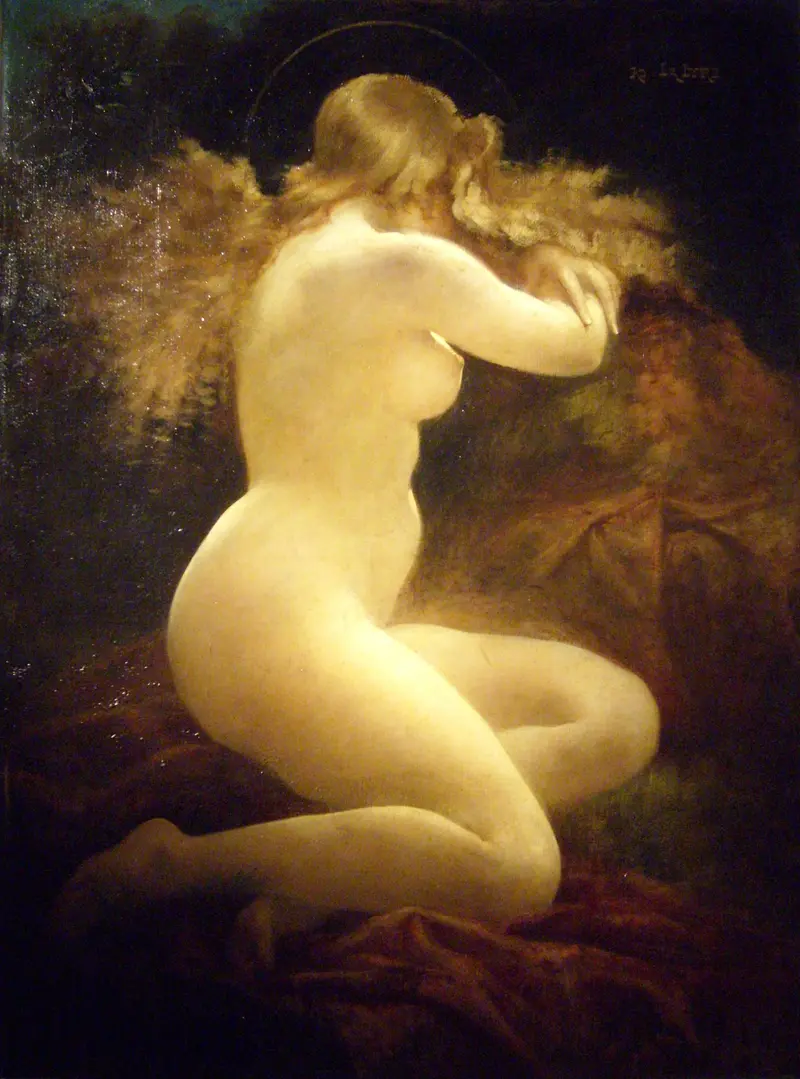
La Madeleine
Adolphe Lalyre
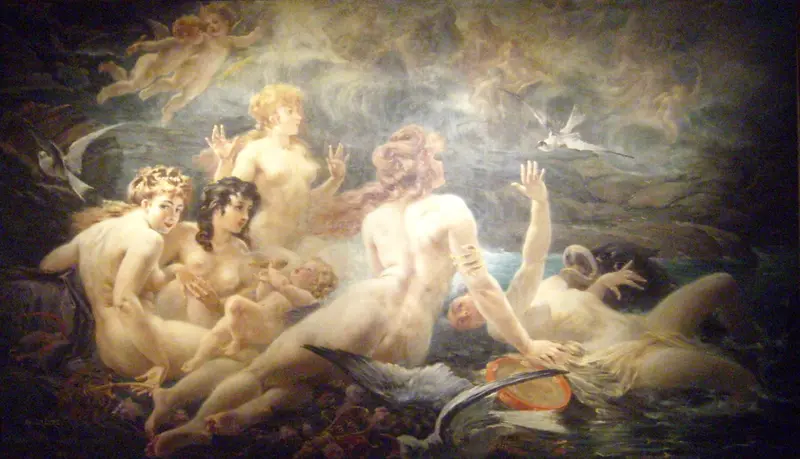
The Syrens Visited by the Muses
Adolphe Lalyre
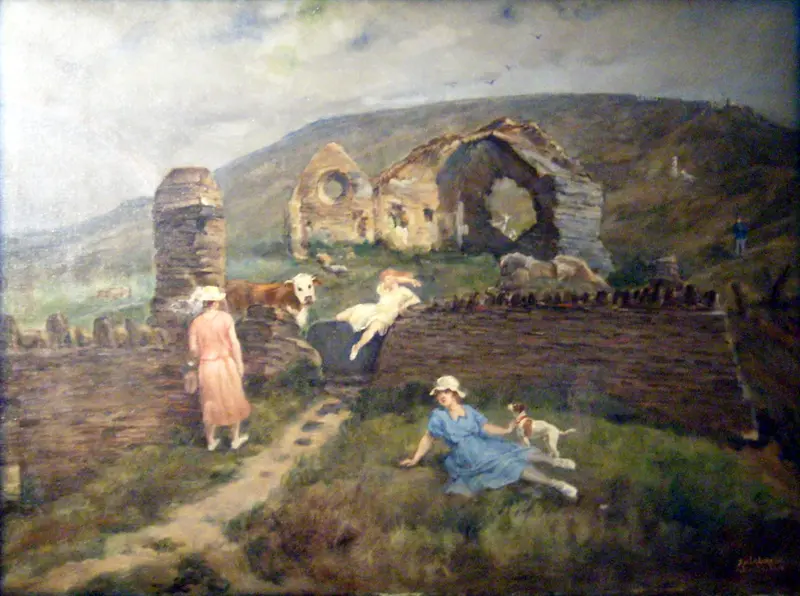
Carteret, Young Women at the Old Saint-Germain Church
Adolphe Lalyre
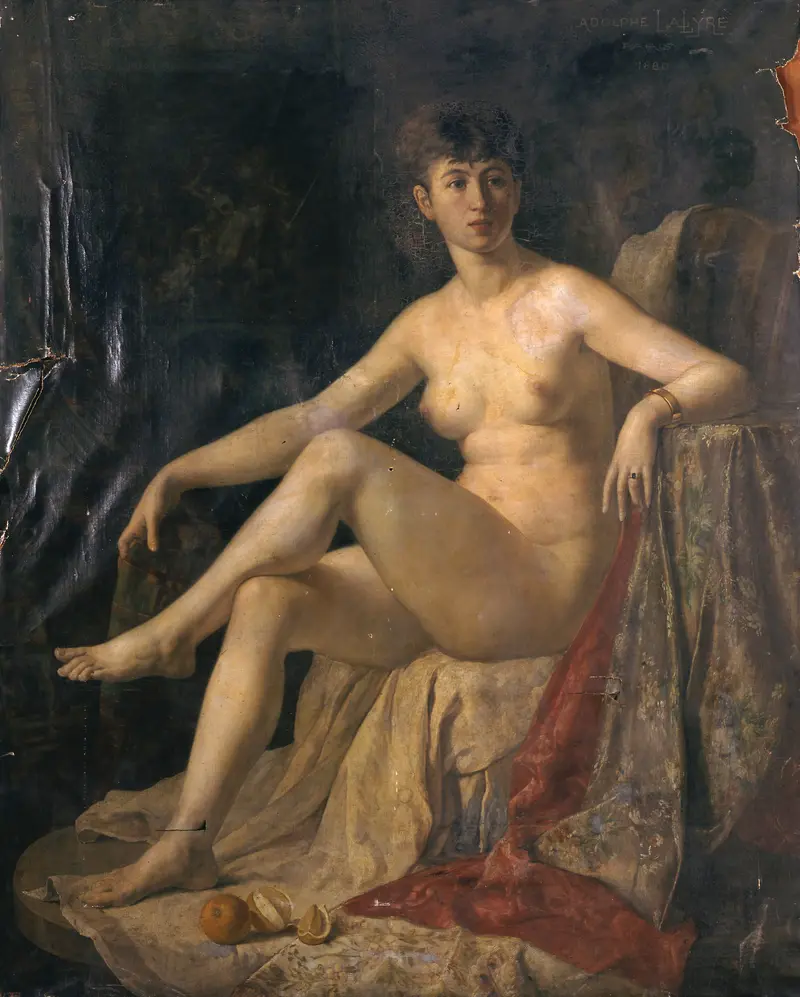
The Model
Adolphe Lalyre
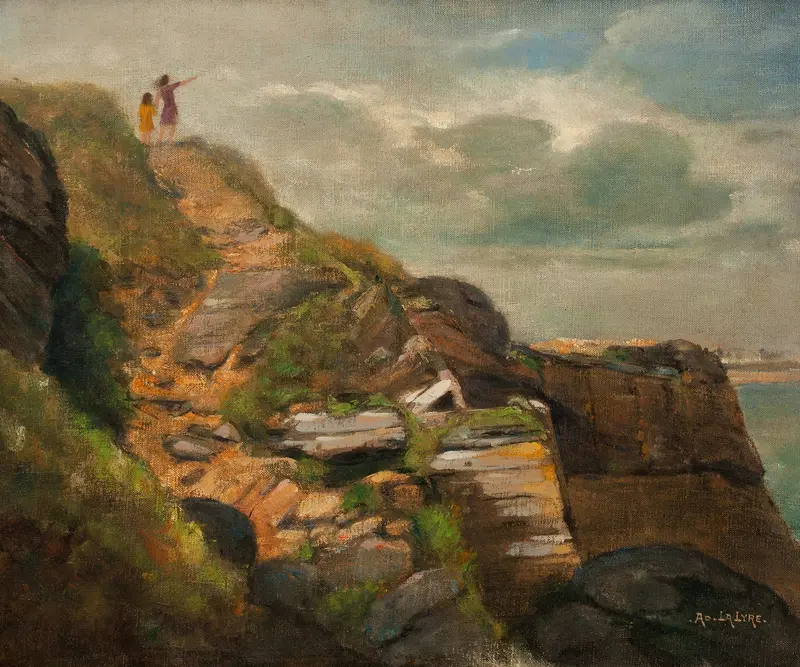
The View from the Top
Adolphe Lalyre





