
La Madeleine — History & Facts
What first seizes the eye in La Madeleine is the almost luminous quality of the figure’s skin, set aglow against a background that dissolves into shadow. The subject, turned away from the viewer, kneels on a draped surface, her body softly arched, her arms folded in a gesture that suggests both introspection and vulnerability. Light pools along her back and shoulders, drawing attention to the tactile fall of her hair, which seems to shimmer and dissolve into the darkness behind her.
The faint halo encircling her head hints at sanctity, while her nudity and the earth-toned palette ground her in the physical world, creating a tension between spiritual elevation and human frailty. Every curve and fold is rendered with a care that invites the viewer to linger, to wonder what moment of thought or feeling has been captured here. Paintings of penitents and saints—especially Mary Magdalene—were a favored subject in late nineteenth-century academic art, often commissioned for private devotion or as explorations of the female form under the guise of religious narrative. Adolphe Lalyre was active during a period when artists grappled with the boundaries between sacred and sensual, and works like this one reflect that uneasy balance.
Little is recorded about this specific painting’s origins or journey, but its self-photographed status places it among the many lesser-known treasures that survive outside major collections. In this obscurity lies a certain freedom: the image asks us to look without preconceptions, to find meaning in the play of light and flesh, and to imagine the world of belief and beauty from which it emerged.
More Artworks by Adolphe Lalyre

Nayad and Dolphin in the Wave
Adolphe Lalyre
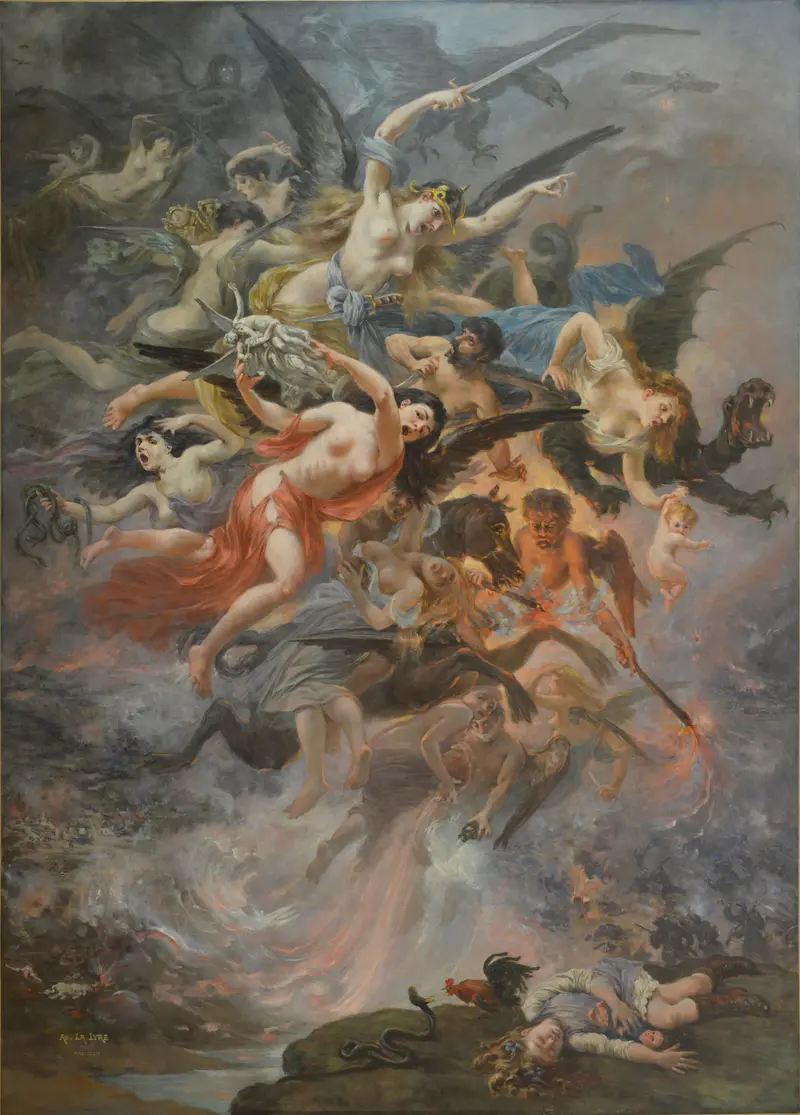
Adolphe La Lyre Les horreurs de la guerre
Adolphe Lalyre
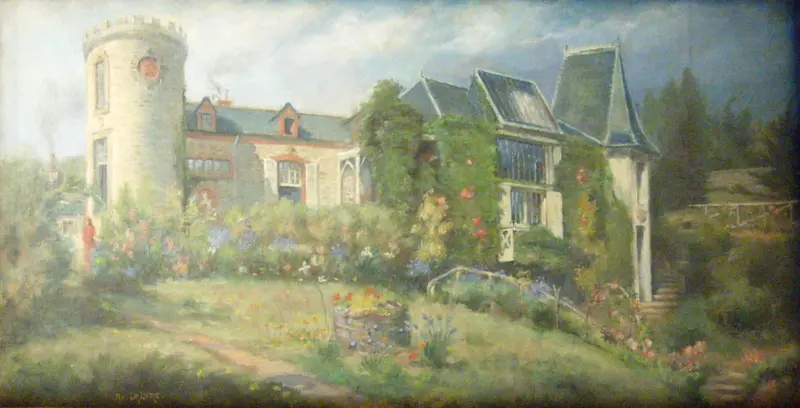
Château des sirènes at Carteret
Adolphe Lalyre
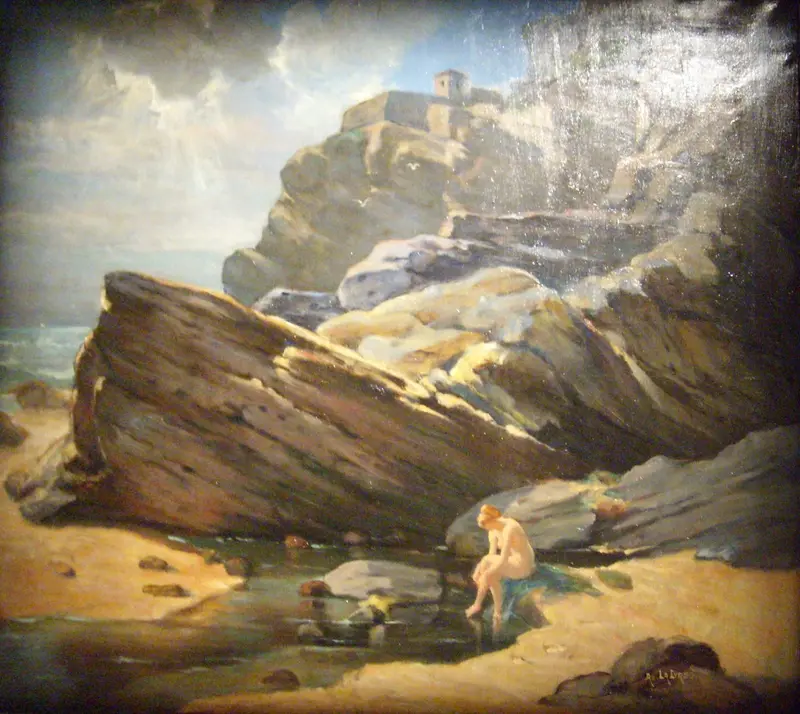
Bathing woman under the Grand Fort's rocks at Carteret
Adolphe Lalyre
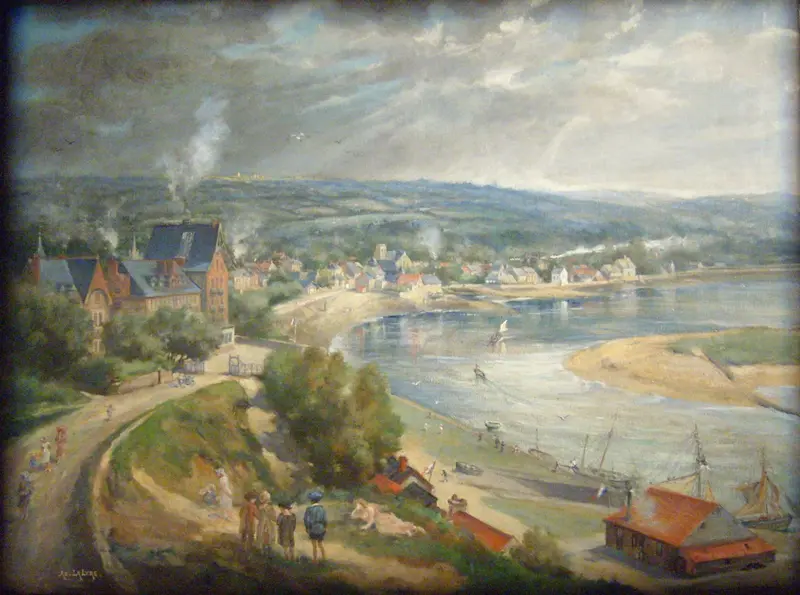
Carteret viewed from the Castle of Sirènes
Adolphe Lalyre
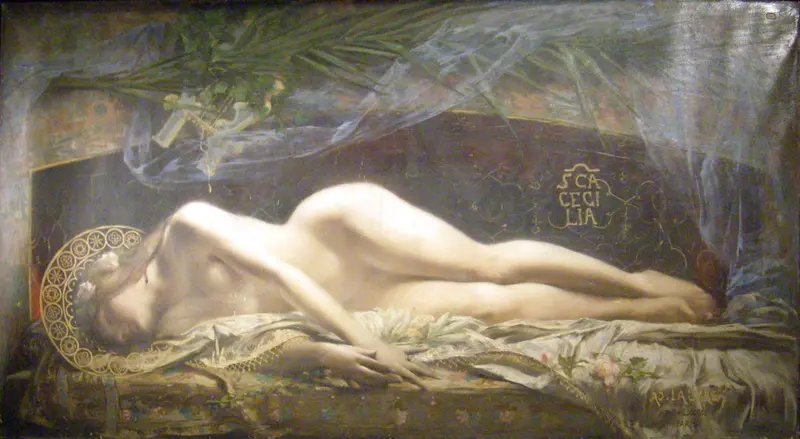
Ste cecile lalyre
Adolphe Lalyre
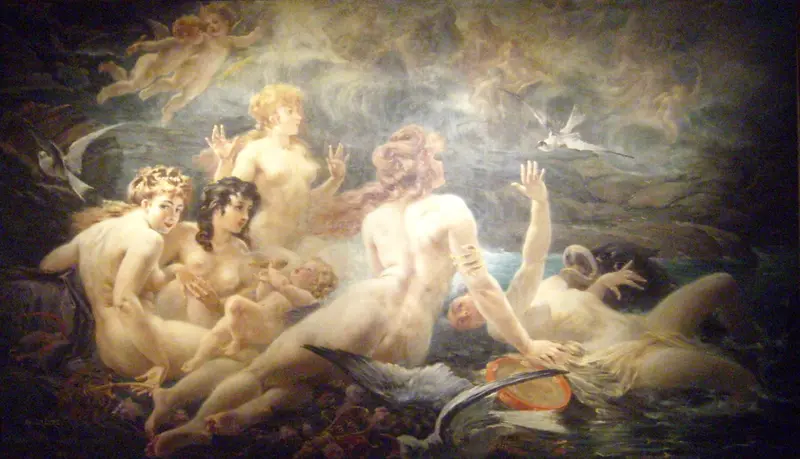
The Syrens Visited by the Muses
Adolphe Lalyre
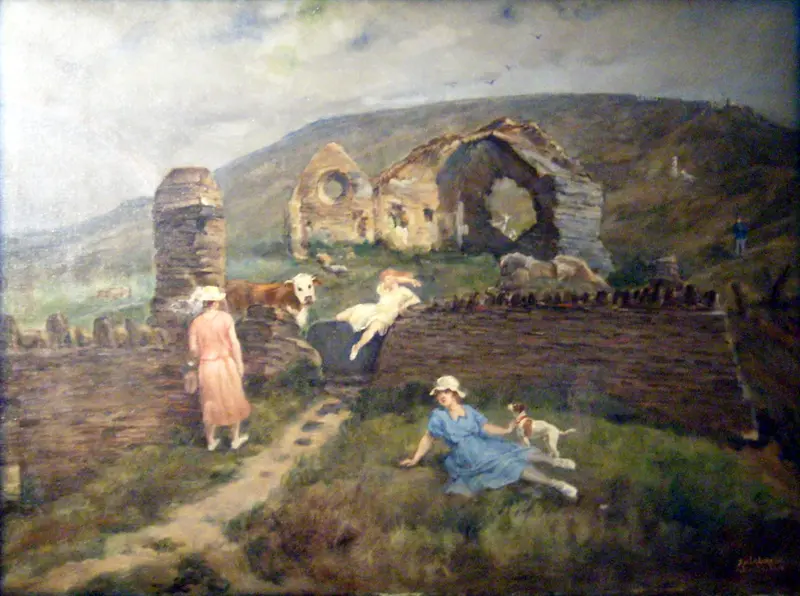
Carteret, Young Women at the Old Saint-Germain Church
Adolphe Lalyre
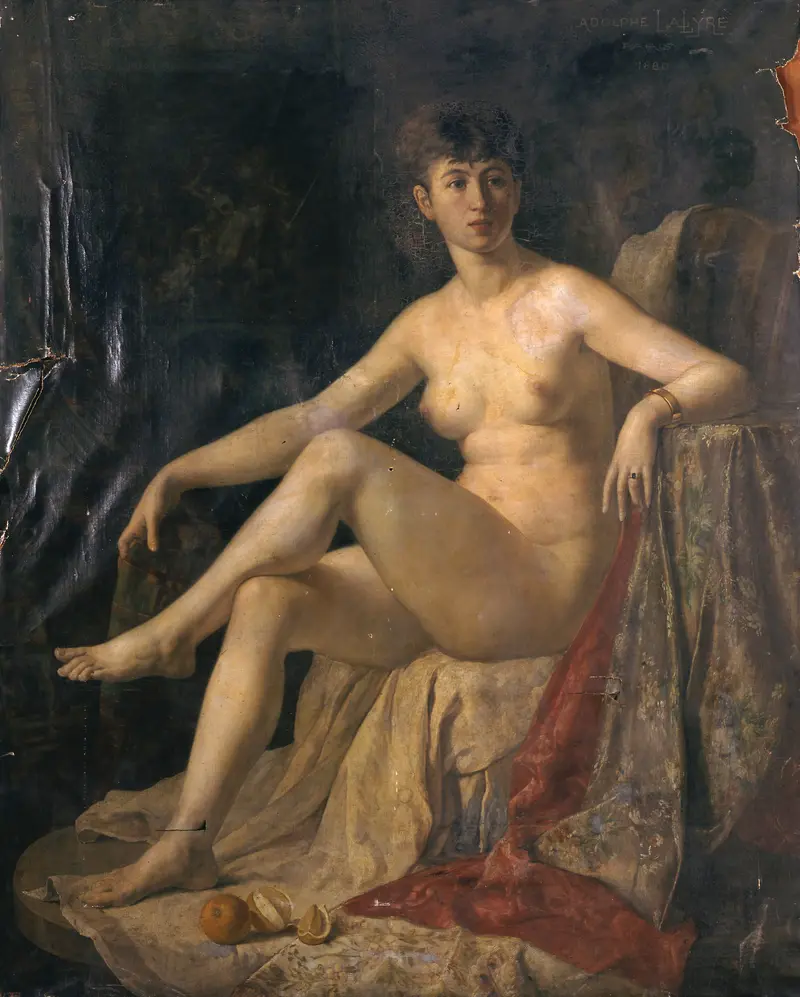
The Model
Adolphe Lalyre
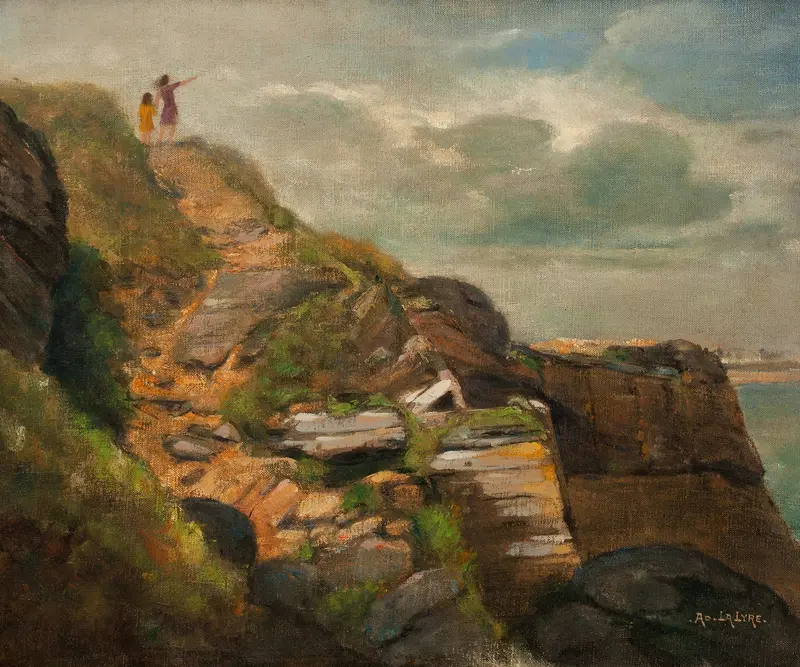
The View from the Top
Adolphe Lalyre





