
Afbraak van de St.-Jorispoort in 1866 — History & Facts
Is this a mirror — or a memory? In Afbraak van de St.-Jorispoort in 1866, we find ourselves at the threshold of change, where past and present converge in a haunting reflection of faith and loss. Focus on the left side of the canvas where the remnants of the St. Joris Gate stand solemnly against the dull sky. Notice how the gray tones of the structure contrast sharply with the vibrant hues of the figures, their gestures capturing a poignant mix of resignation and reverence.
The artist’s careful brushwork reveals the weathered stones, each stroke echoing the stories etched into the fabric of time. The light, diffused and somber, casts gentle shadows that accentuate the struggle between preservation and erasure. Digging deeper, the artwork speaks to the fragility of faith in the face of inevitable change. The figures at the forefront, seemingly frozen in contemplation, embody a collective mourning for what is lost, yet their presence hints at an enduring spirit.
The juxtaposition of the decaying gate and the lively townspeople serves as a stark reminder of the tension between history and progress, urging viewers to reflect on their own connections to the past. Ferdinand de Braekeleer created this piece in 1869, in a period marked by both national pride and a profound sense of loss as Belgium grappled with modernization. Living in Antwerp, he was influenced by the shifting dynamics of urban architecture and the tension between progress and tradition. This painting captures not only a moment in time but also the heart of a community wrestling with its identity amidst transformation.
More Artworks by Ferdinand de Braekeleer
Browse all →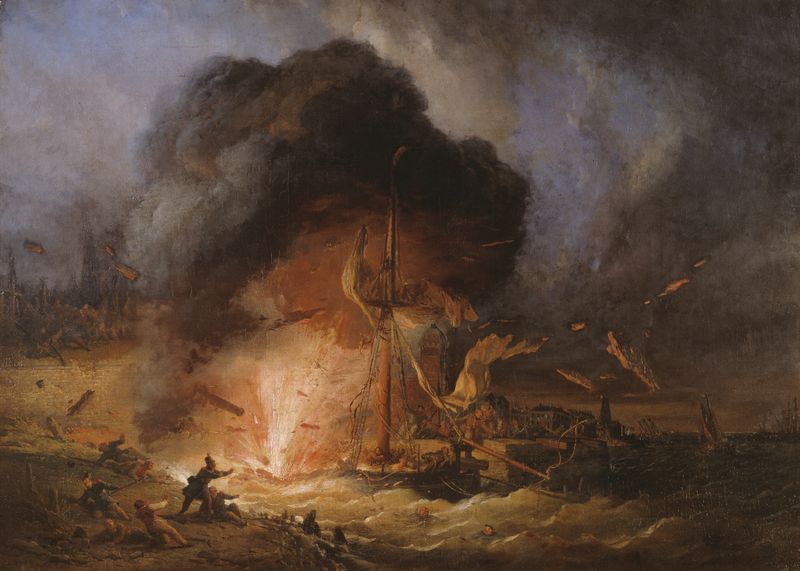
‘Kanonneerboot nr. 2’ ontploft te Antwerpen
Ferdinand de Braekeleer
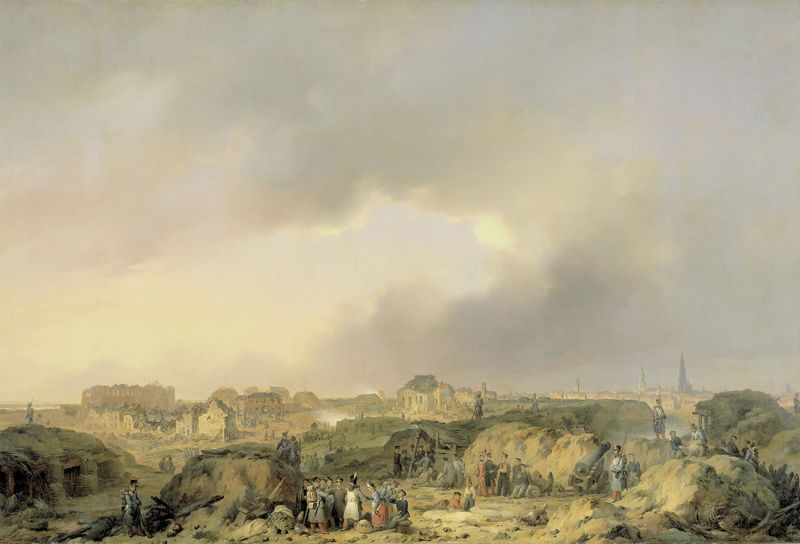
The Citadel of Antwerp shortly after the Siege of 19 November-23 December 1832, and the Surrender of the Dutch Garisson to the French
Ferdinand de Braekeleer
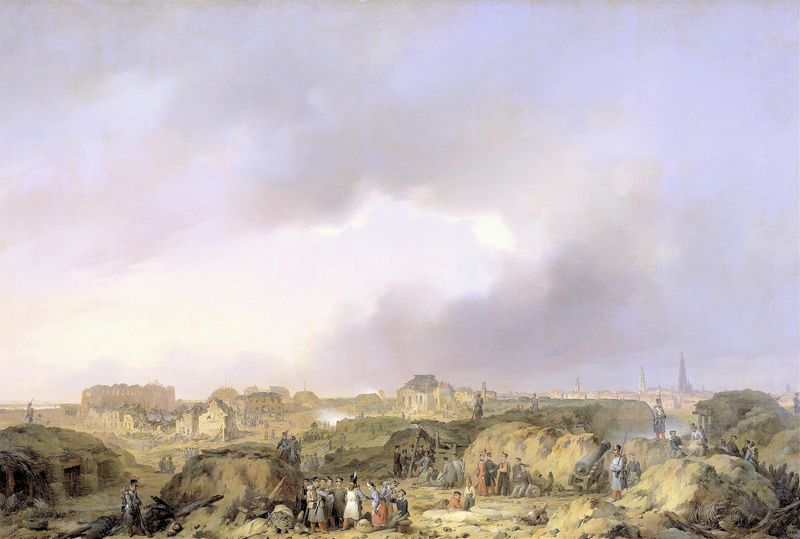
The Citadel of Antwerp shortly after the Siege of 19 November-23 December 1832, and the Surrender of the Dutch Garisson to the French
Ferdinand de Braekeleer
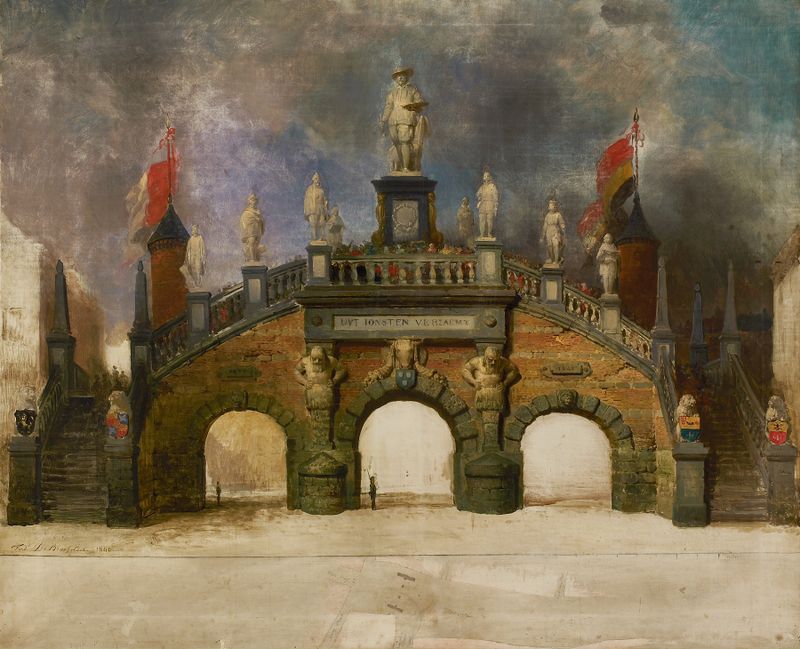
Olieverfschets van de Triomfboog voor de Rubensfeesten
Ferdinand de Braekeleer
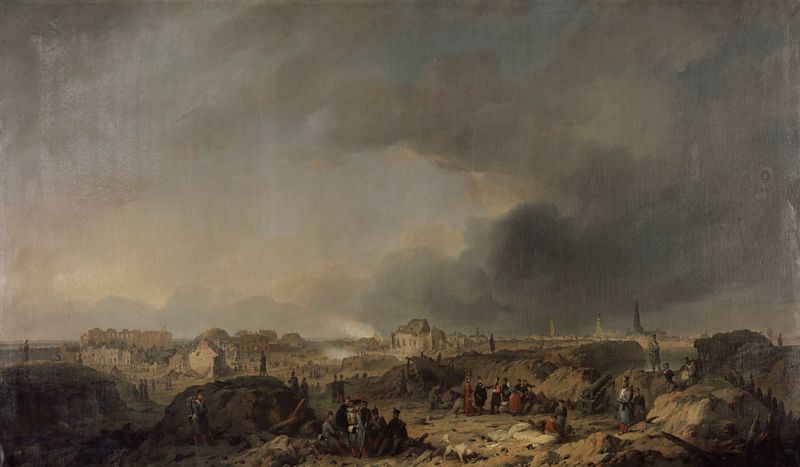
The Antwerp Castle after the Bombardement in 1832
Ferdinand de Braekeleer
More Architecture Art
Browse all →
The statue of Liberty
Frédéric Auguste Bartholdi

View of Houses in Delft, Known as ‘The Little Street’
Johannes Vermeer

View of Houses in Delft, Known as ‘The Little Street’
Johannes Vermeer

The Cathedral in Rouen. The portal, Grey Weather
Claude Monet

The yellow house
Vincent van Gogh

The Church in Auvers-sur-Oise, View from the Chevet
Vincent van Gogh