
Afgoderij van Salomo — History & Facts
Did the painter know this moment would outlive them? In the luminous embrace of Afgoderij van Salomo, time stands still, each brushstroke a deliberate pause, inviting reflection on the fleeting nature of power and permanence. Look to the center, where the figures are poised in intricate dialogue, each gesture laden with intent. The delicate drapery of their garments billows softly, painted in muted earth tones that contrast sharply with the golden light illuminating their faces. Notice how shadows conceal and reveal, crafting a dynamic tension that evokes both reverence and unease.
The artist's meticulous attention to detail draws the eye to the ornate architecture in the background, which frames the scene, suggesting stability amidst the turmoil of the human experience. The painting encapsulates a deep irony: while the figures embody authority and wisdom, their expressions hint at vulnerability and frailty. The intricate interplay of light and shadow serves to highlight the ephemeral quality of human endeavors, a reminder that even the mightiest of kings are subject to the passage of time. As the elements converge, one can sense the weight of legacy and the inevitability of decay, creating a poignant dialogue between aspiration and reality. Georg Pencz painted Afgoderij van Salomo between 1529 and 1533, during a period in which the Reformation was reshaping Europe.
Living in Nuremberg, a hub of artistic innovation, Pencz was influenced by the embrace of humanism and the tension between tradition and change. His work reflects not only personal mastery in technique but also the broader cultural conversations about authority, faith, and the human condition that were prevalent in his time.
More Artworks by Georg Pencz
Browse all →
Parabel van de zaaier
Georg Pencz

Parabel van de arbeiders in de wijngaard
Georg Pencz
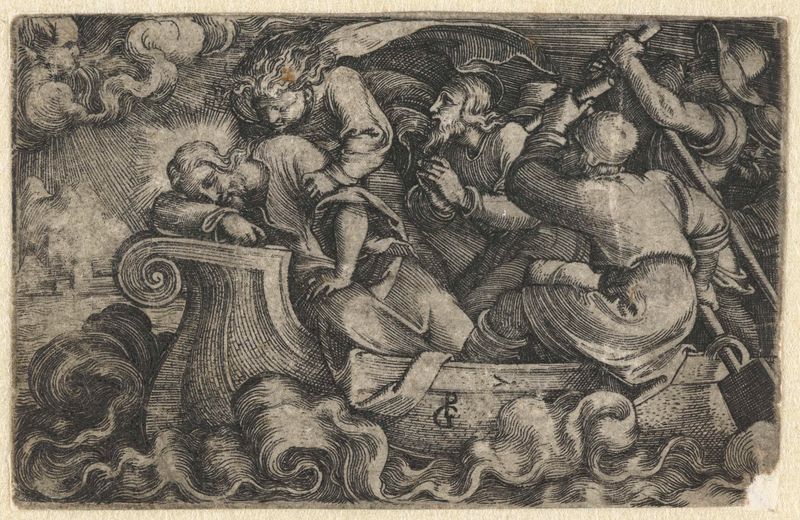
Discipelen wekken slapende Christus tijdens storm op Meer van Galilea
Georg Pencz

Afgunst (Invidia)
Georg Pencz
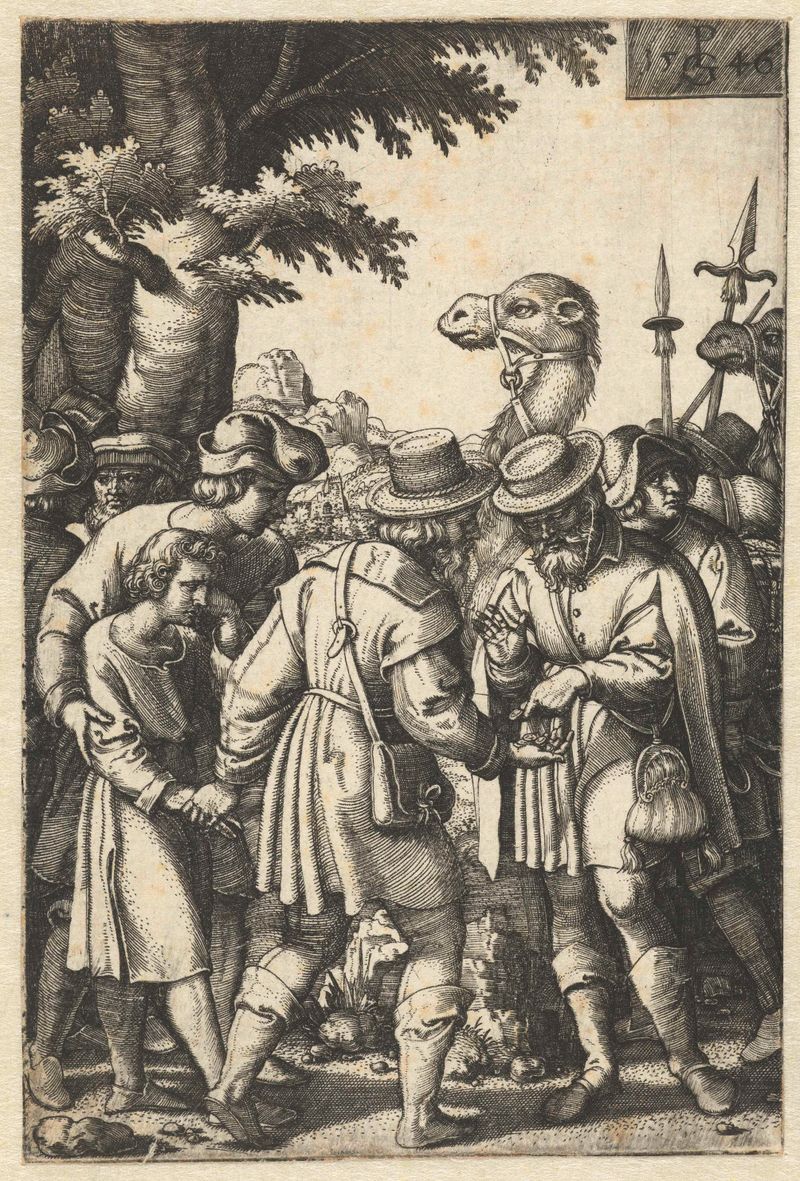
Jozef wordt verkocht aan kooplieden op weg naar Egypte
Georg Pencz

Aanbidding der koningen
Georg Pencz
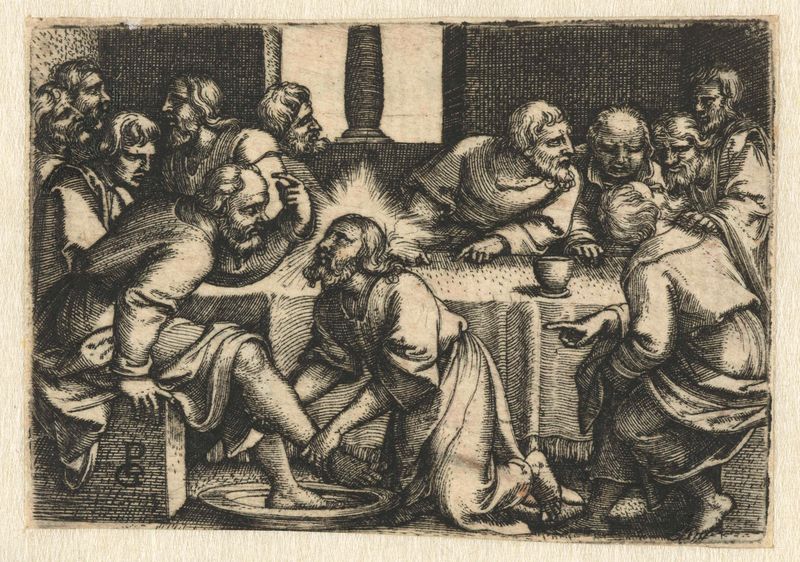
Petrus protesteert als Christus zijn voeten wast
Georg Pencz
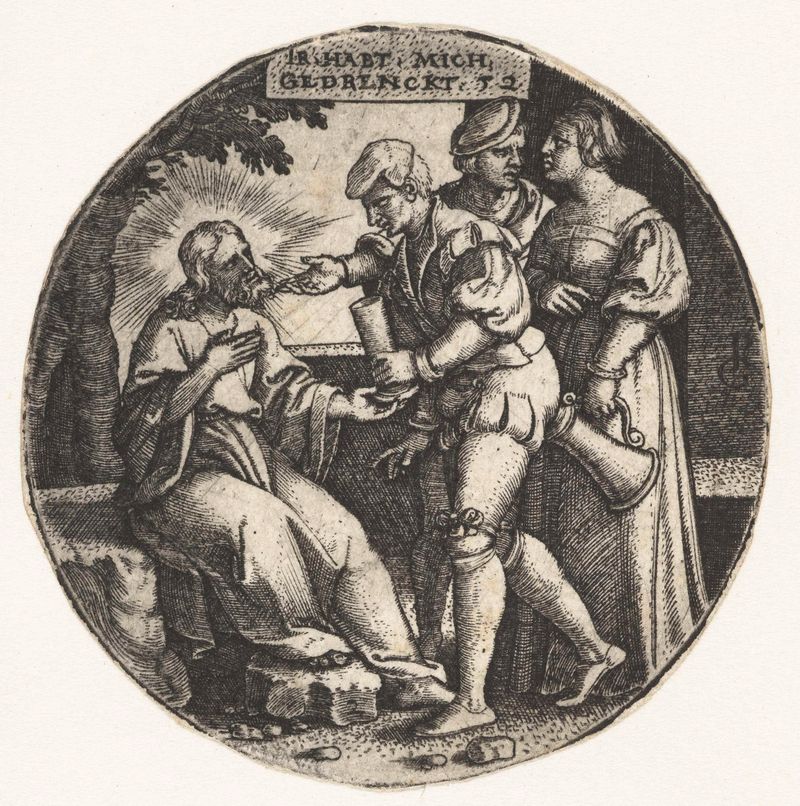
Christus heeft dorst en krijgt drinken aangeboden
Georg Pencz
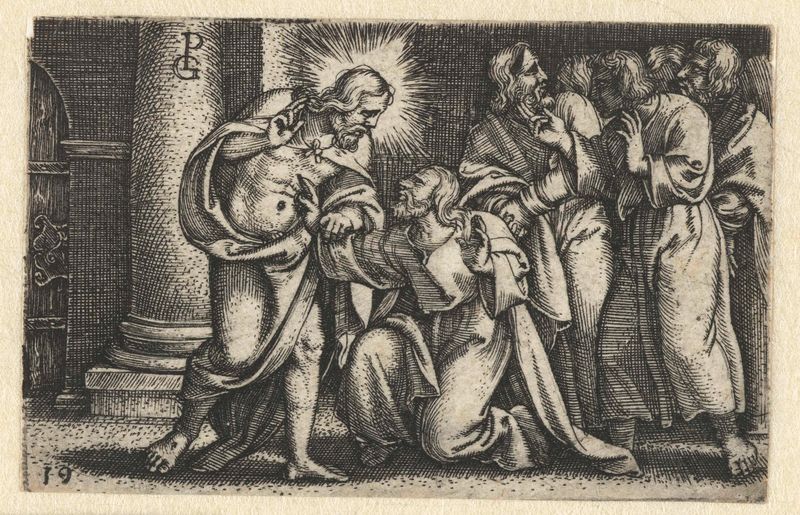
Ongelovige Thomas raakt wonden Christus aan
Georg Pencz

Offer van Abraham van Isaak
Georg Pencz
More Religious Art
Browse all →
The Return of the Prodigal Son
Rembrandt van Rijn

The Garden of Earthly Delights
El Bosco

Count Orgaz’ funeral
El Greco

The Hundred Guilder Print: the central piece with Christ preaching, the plate arched
Rembrandt van Rijn

The Descent from the Cross
Rogier van der Weyden

The return of the prodigal son
Rembrandt van Rijn