
After the Rain — History & Facts
What secret hides in the quiet of the canvas? The stillness after a storm often speaks of renewal and transformation, inviting our gaze into the lush depths of nature's embrace. Look to the center, where the dense foliage captures the rain's lingering droplets, each leaf glistening with life. The verdant greens are punctuated with earthy browns, creating a comforting yet vibrant palette. Notice how the dappled light filters through the trees, casting playful shadows that dance across the soft underbrush.
The composition draws the eye inward, as if inviting the viewer to step into this serene moment of rebirth. Delve deeper, and you may sense the contrasts Rousseau masterfully weaves: the calmness of nature juxtaposed with the storm's earlier chaos. Each element in the scene whispers of growth—fallen branches give way to fresh shoots, and the slicked earth gleams as a testament to the rain’s nurturing presence. The quietude evokes a profound sense of reflection, urging us to consider the cycles of life and the beauty found in moments of pause. Painted around 1850, Rousseau was deeply entrenched in the Barbizon School, a group championing realism and a return to nature.
At this time, he was navigating the turbulence of his personal life and the evolving art scene, pushing against the restraints of academic tradition. The work encapsulates both a moment of introspection and a broader movement towards appreciating the inherent beauty of the natural world.
More Artworks by Théodore Rousseau
Browse all →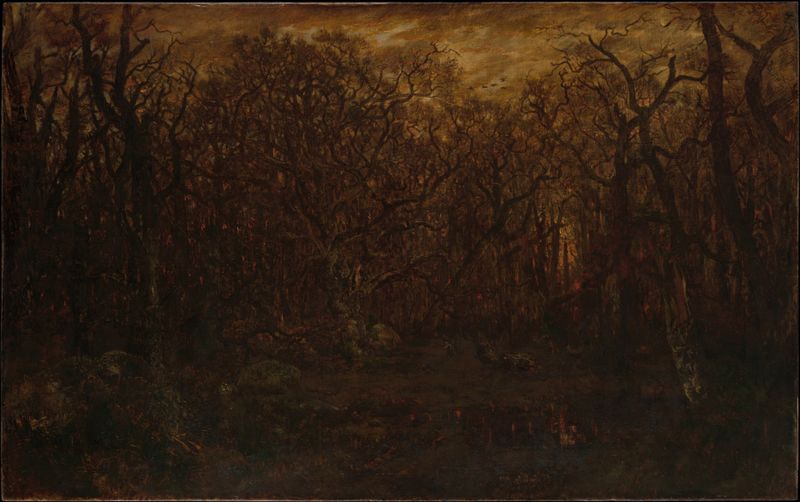
The Forest in Winter at Sunset
Théodore Rousseau
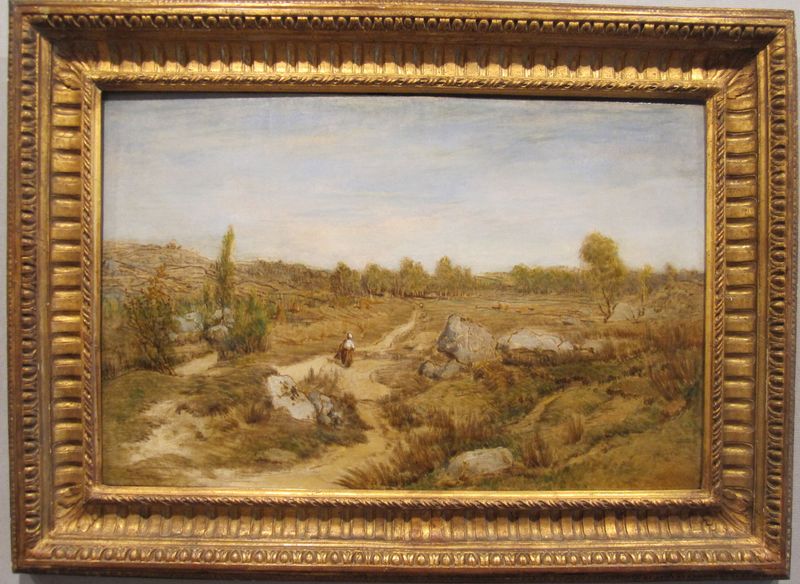
Valley of the Rouars in the Gorges d’Apremont
Théodore Rousseau
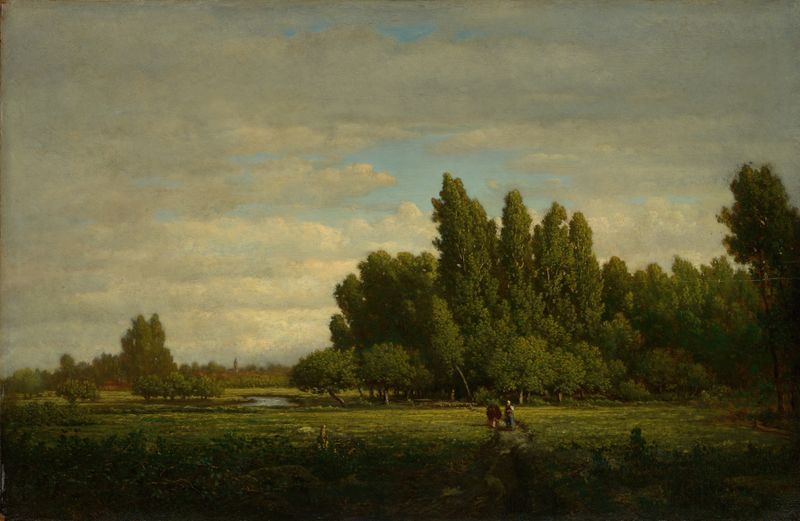
A Meadow Bordered by Trees
Théodore Rousseau
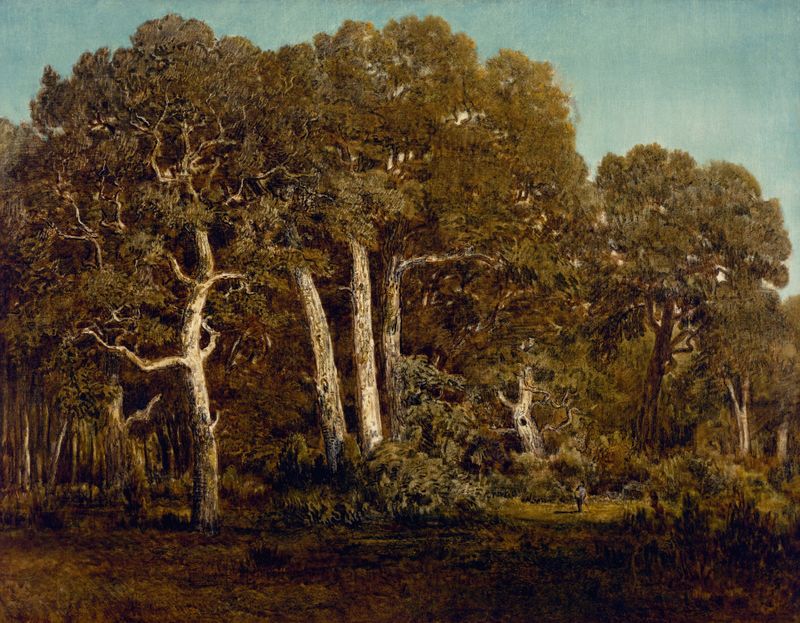
The Great Oaks of Old Bas-Bréau
Théodore Rousseau
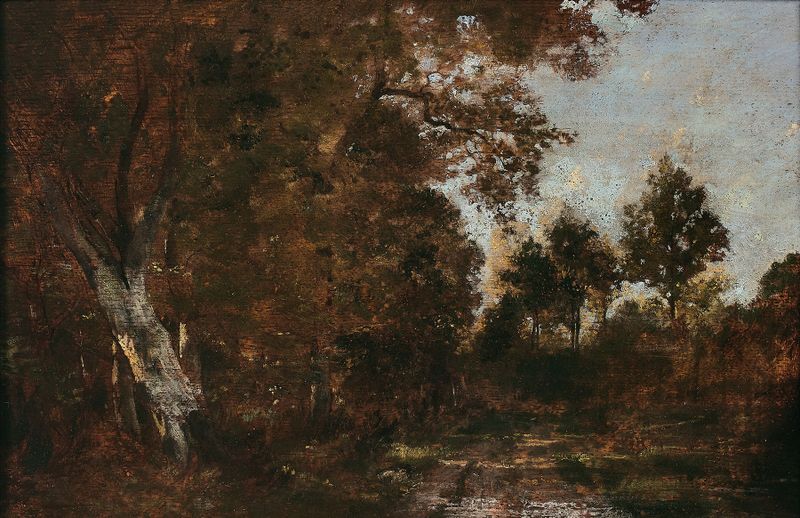
Paysage de sous-bois
Théodore Rousseau
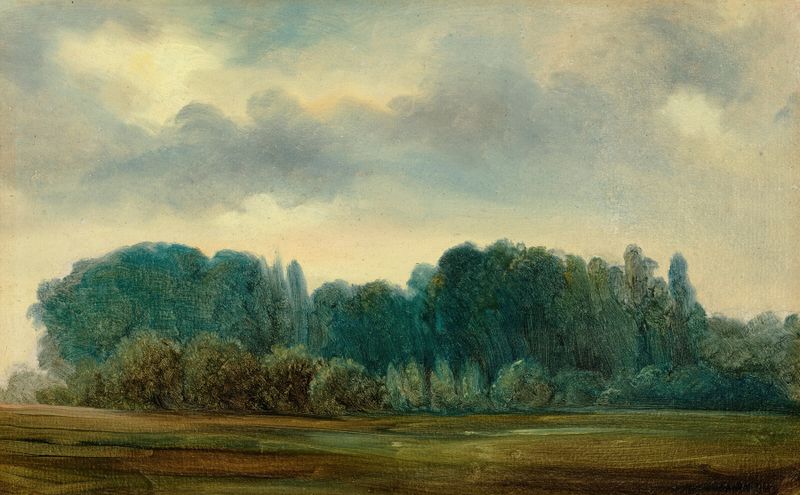
Paysage
Théodore Rousseau
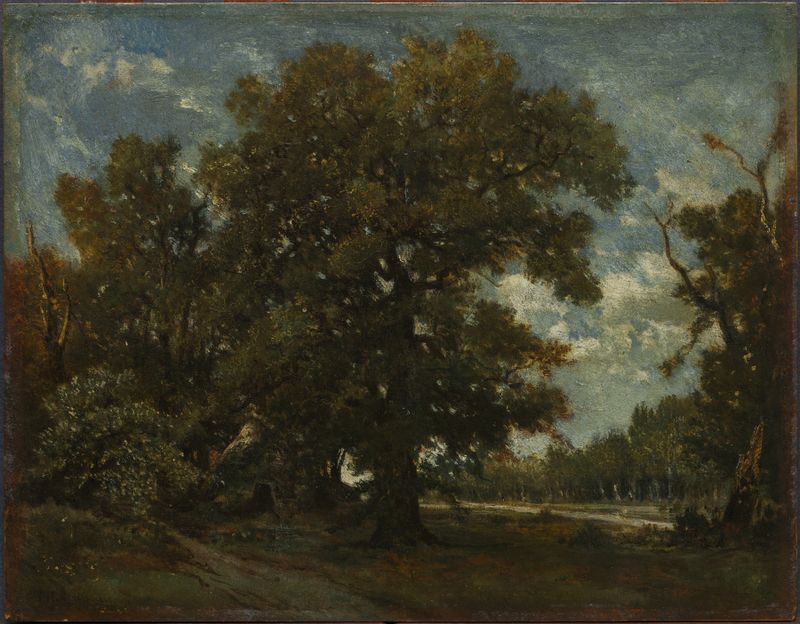
The Oak Tree
Théodore Rousseau
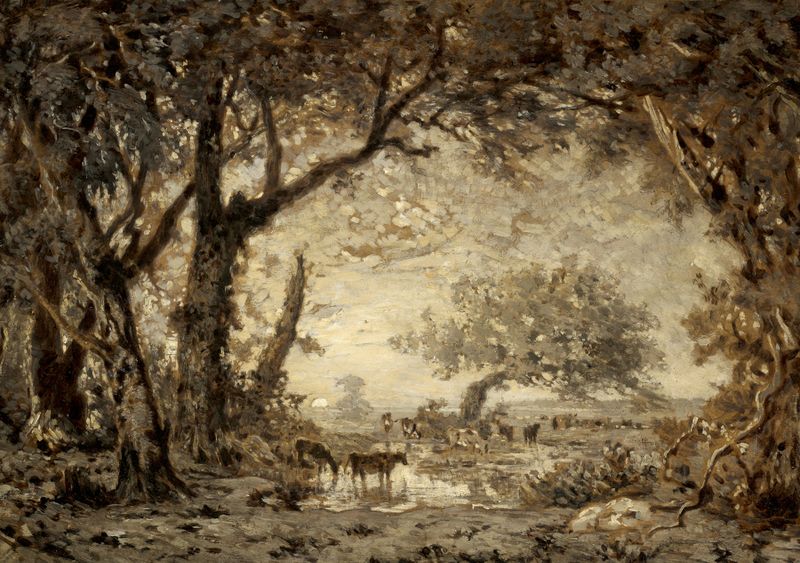
Sunset from the Forest of Fontainebleau
Théodore Rousseau
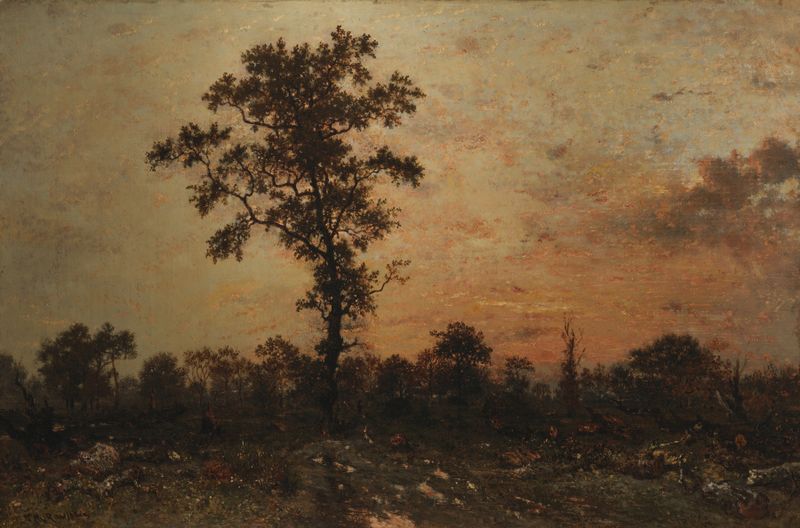
Edge of the Forest, Sun Setting
Théodore Rousseau
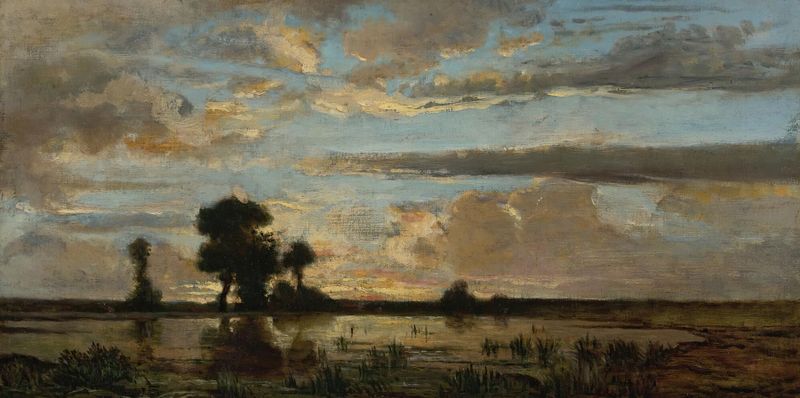
Soleil Couchant
Théodore Rousseau





