
After the storm — History & Facts
What if beauty was never meant to be finished? In the aftermath of chaos, it is often the remnants that hold the most profound truths, revealing the delicate dance between decay and renewal. Look to the left, where a turbulent sky, bruised with shades of gray and deep violet, looms ominously over a once-vibrant landscape. The brushwork is both frenetic and deliberate, capturing the aftermath of a tempest that has left the earth glistening with wetness. Notice how the light flickers through the clouds, illuminating fragmented scenes of broken branches and fallen petals, each a testament to nature's fierce beauty and its inevitable decline.
The palette of muted colors juxtaposed with sudden bursts of brightness creates a tension that draws the viewer into an emotional landscape steeped in fleeting moments. As you navigate the canvas, consider the interplay of life and death that ensues in the painted aftermath. The decay of the vibrant flowers, once proud and lush, now wilting and teetering on the edge of oblivion, speaks to the fragility of existence. Yet, amidst this decay, tiny seeds remain, hinting at the promise of regeneration.
This duality of destruction and renewal encapsulates a broader existential theme—beauty arises not just from life, but also from the remnants of what once was, encouraging reflection on our own experiences of loss and rebirth. James Ensor created this evocative piece in 1880 while living in Ostend, Belgium. At this time, he was exploring the themes of mortality and the human condition, influenced by the Symbolist movement that sought deeper emotional and spiritual expression. The tumultuous social and political climate in Europe, marked by uncertainty and change, also seeped into his work, urging him to explore the contrasts between beauty and decay, ultimately paving the way for the modernist sensibilities that would follow.
More Artworks by James Ensor
Browse all →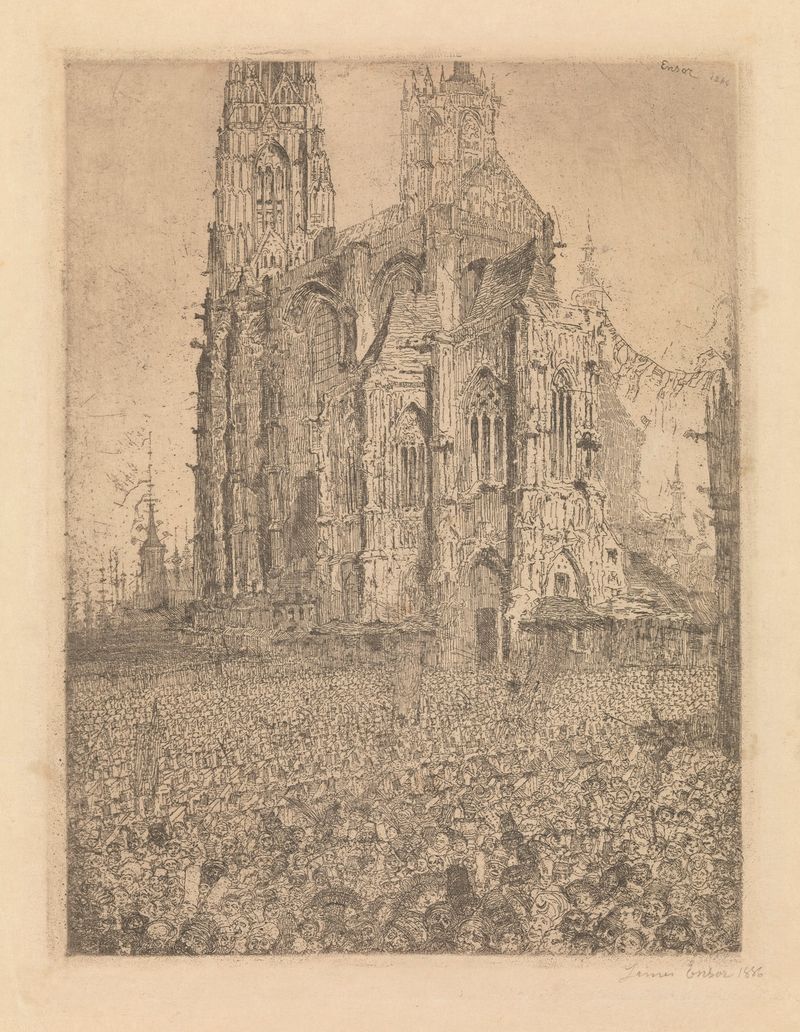
The Cathedral
James Ensor
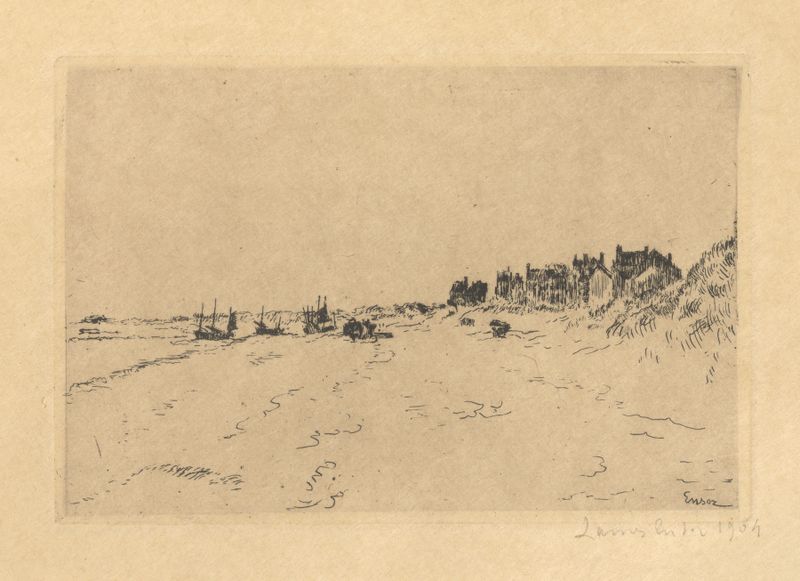
Het strand van De Panne
James Ensor
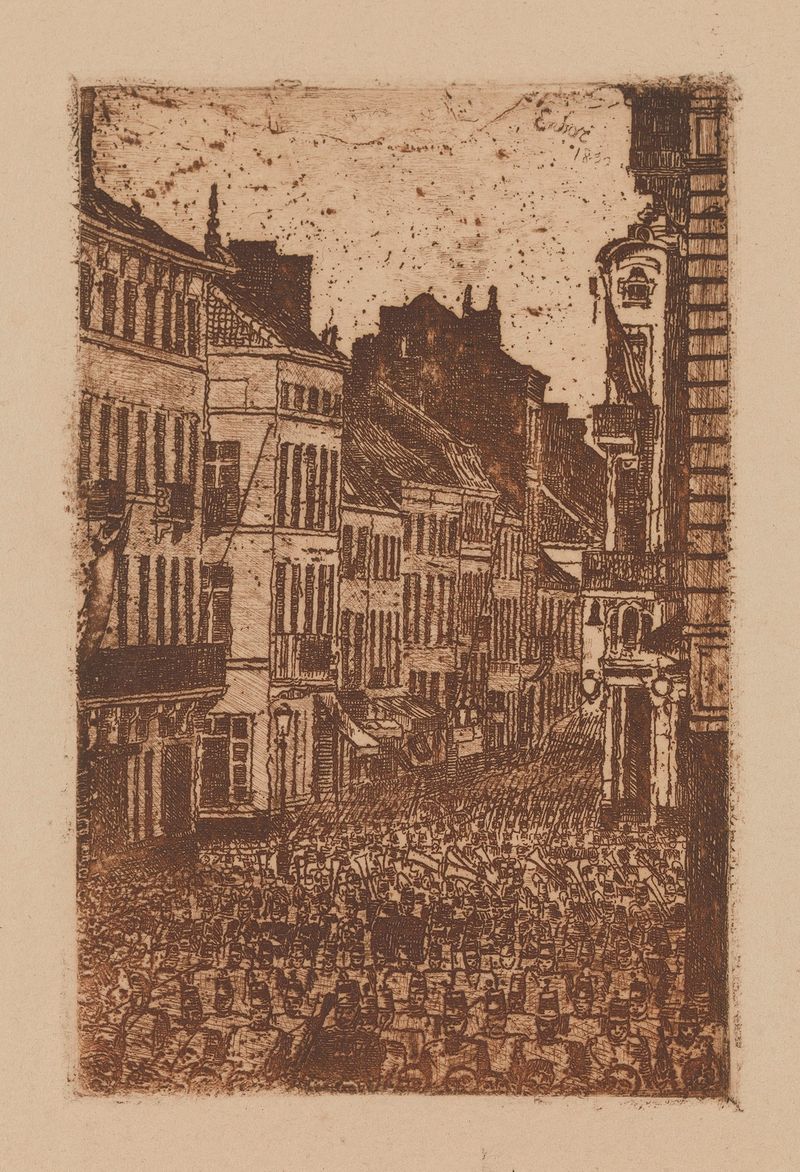
The Music in the rue de Flandre, Ostend
James Ensor
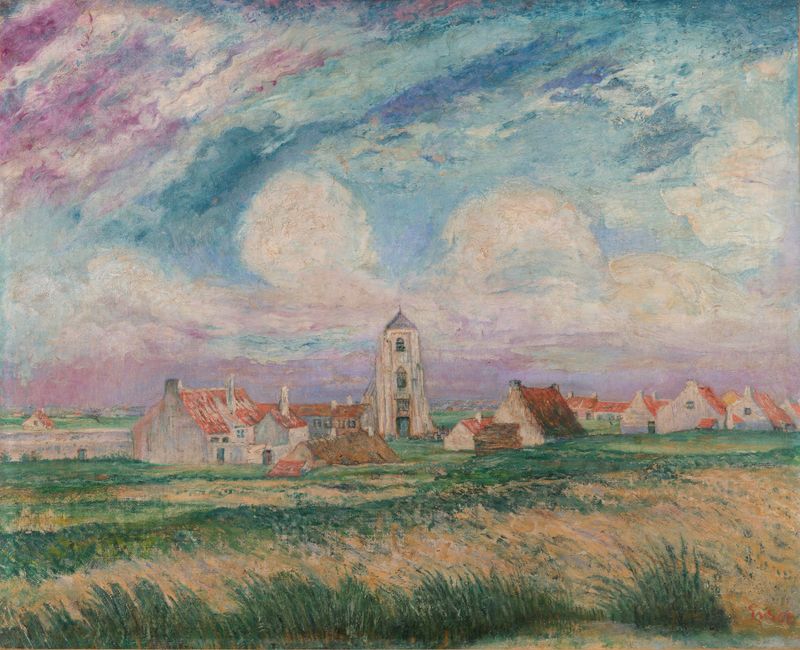
View of Mariakerke
James Ensor
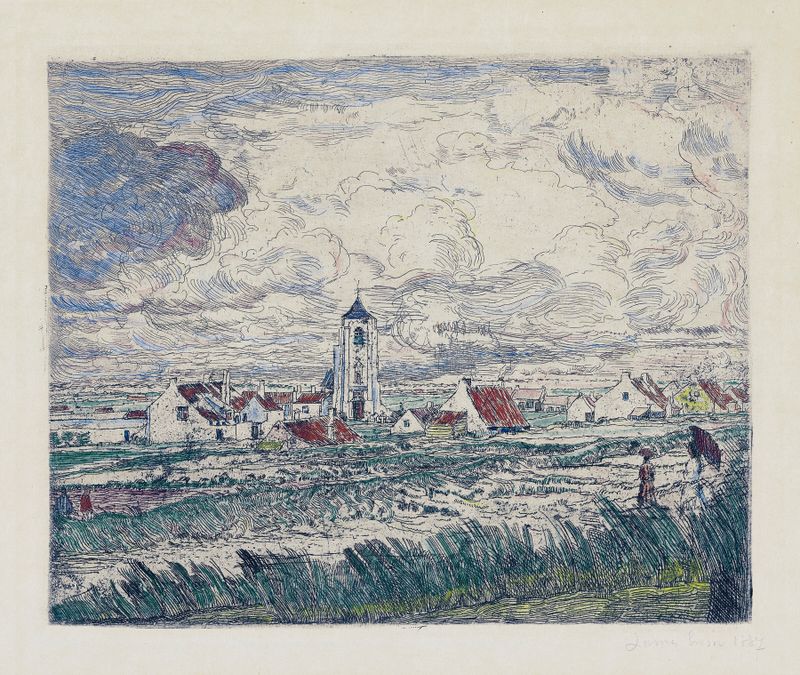
Grande vue de Mariakerke
James Ensor
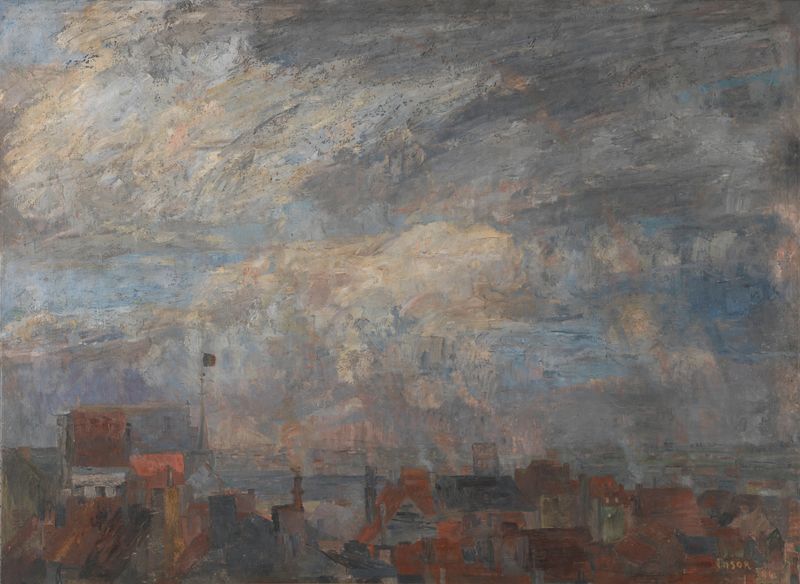
The Rooftops of Ostend
James Ensor
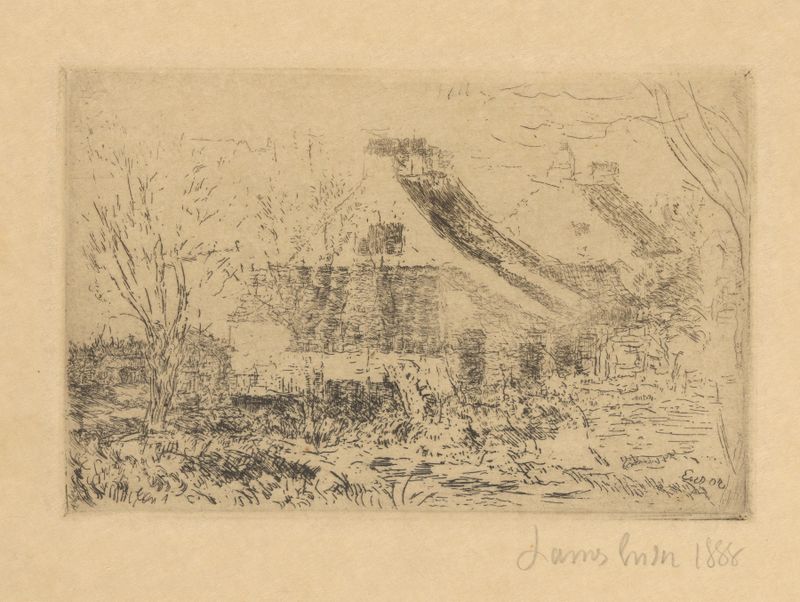
Huisjes in Mariakerke
James Ensor
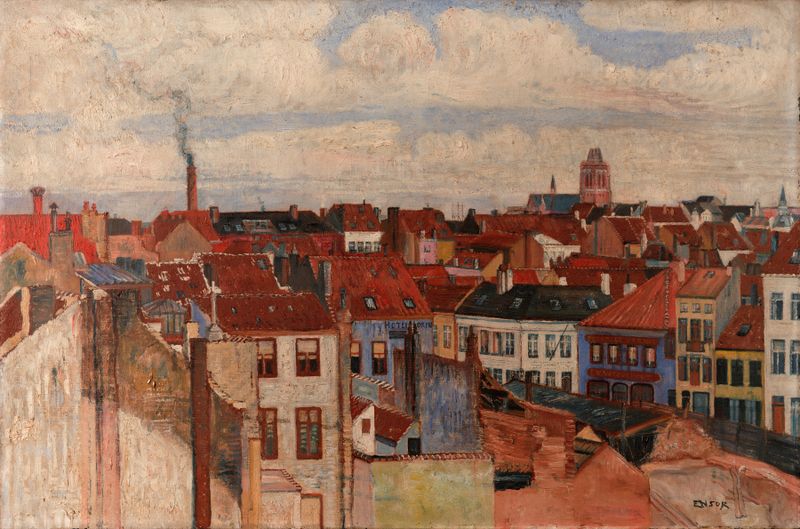
The rooftops of Ostend
James Ensor
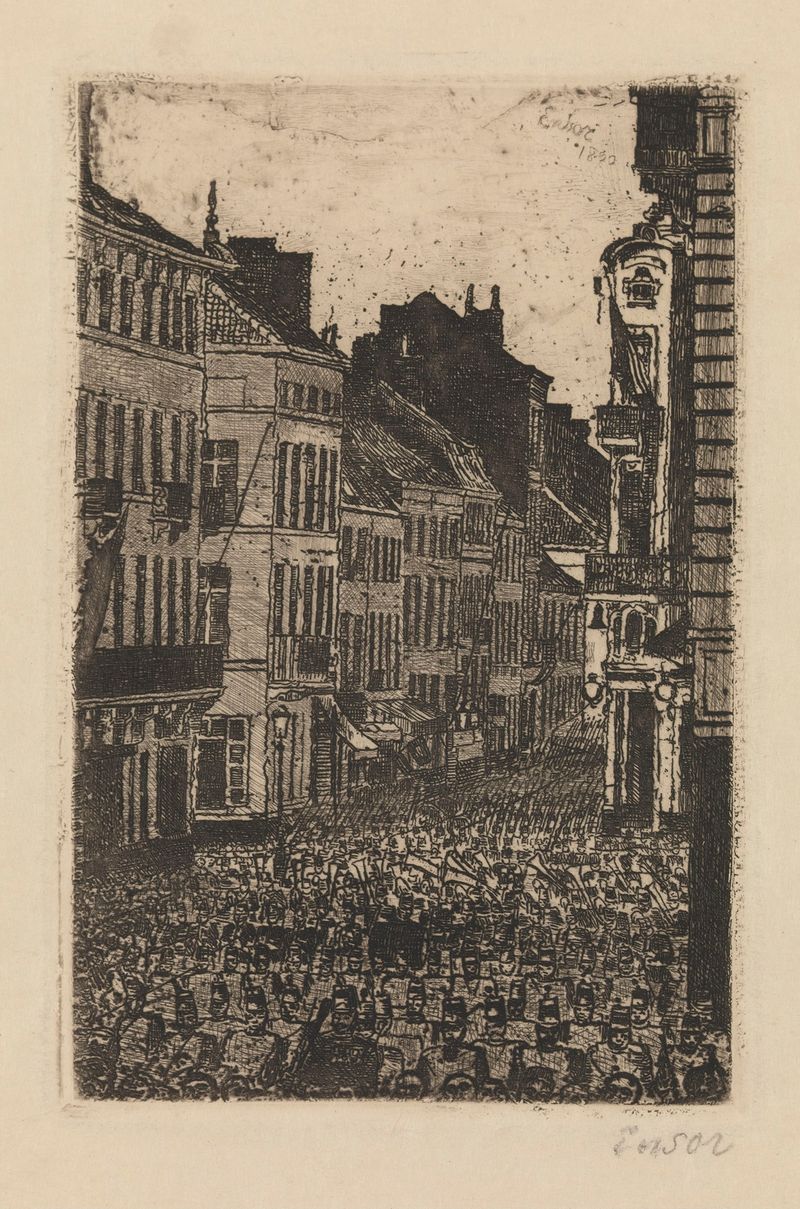
The Music in the rue de Flandre, Ostend
James Ensor
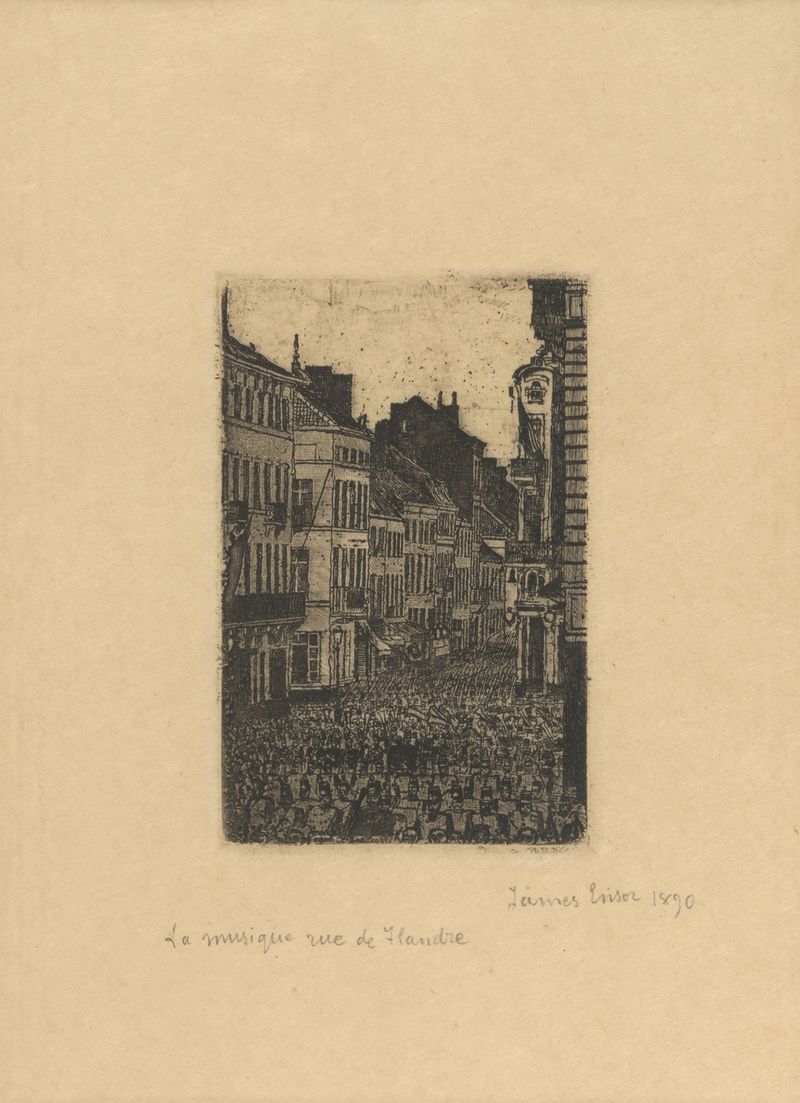
Muziek in de Vlaanderenstraat in Oostende
James Ensor





