
Discover insights about this artwork
After Vice Comes Fornication [Simpleton] (Tras el Vicio Viene el Fornicio [Bobalicón]) — History & Facts
After Vice Comes Fornication [Simpleton] portrays a chaotic scene filled with figures that symbolize various vices. In the foreground, a man appears overwhelmed, surrounded by women who seem to tempt him. The colors are dark and moody, with shades of brown and deep reds dominating the canvas.
The expressions on the faces of the figures convey a sense of urgency and confusion, drawing the viewer into the turmoil of the scene. Take a closer look at the details, especially the expressions and gestures of the figures around the central man. You can see how the artist uses dramatic contrasts of light and shadow to emphasize the emotional weight of the moment. Each figure seems to tell a story of its own, contributing to the overall theme of temptation and moral struggle.
The chaotic arrangement of bodies adds to the feeling of disarray, making it hard to focus on just one part of the painting. Francisco de Goya was a prominent Spanish painter known for his powerful and often dark themes. He created this work during a time when Spain was experiencing great social and political upheaval, which influenced his art. Goya's works often reflect his views on human nature and society, making him a key figure in the Romanticism movement.
One interesting fact is that Goya was appointed as the court painter to the Spanish royal family, which allowed him to create both portraits and more controversial works.
More Artworks by Francisco de Goya
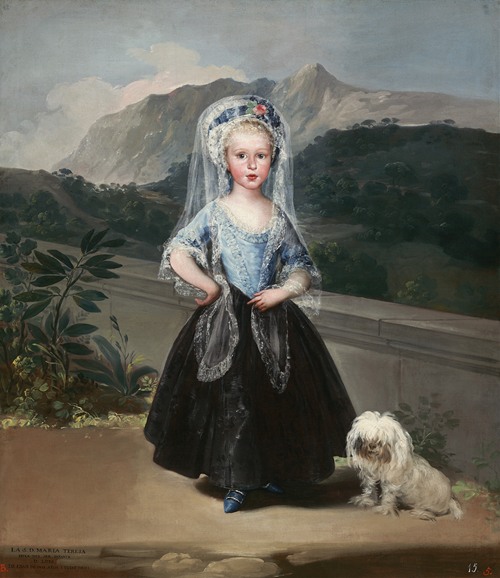
María Teresa de Borbón y Vallabriga,later Condesa de Chinchón
Francisco de Goya
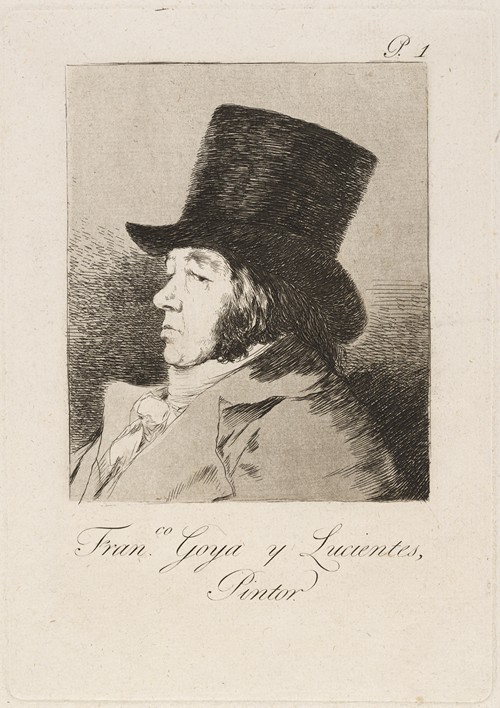
Francisco Goya y Lucientes, Pintor (Francisco Goya y Lucientes, painter)
Francisco de Goya
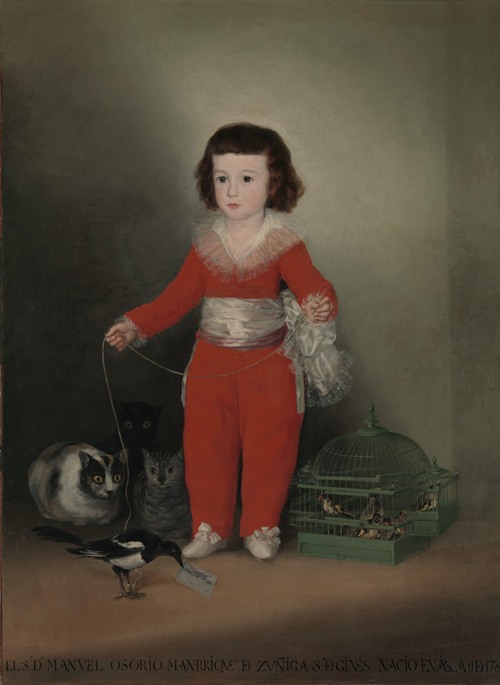
Manuel Osorio Manrique de Zuñiga (1784–1792)
Francisco de Goya
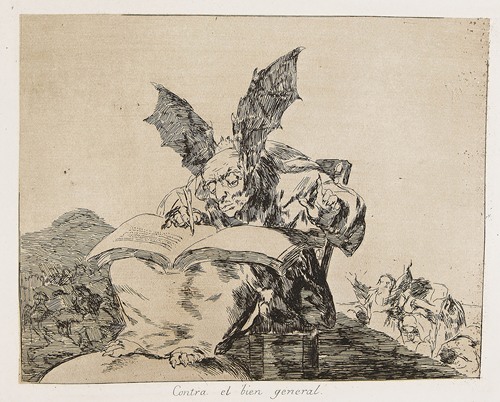
Los desastres de la guerra
Francisco de Goya
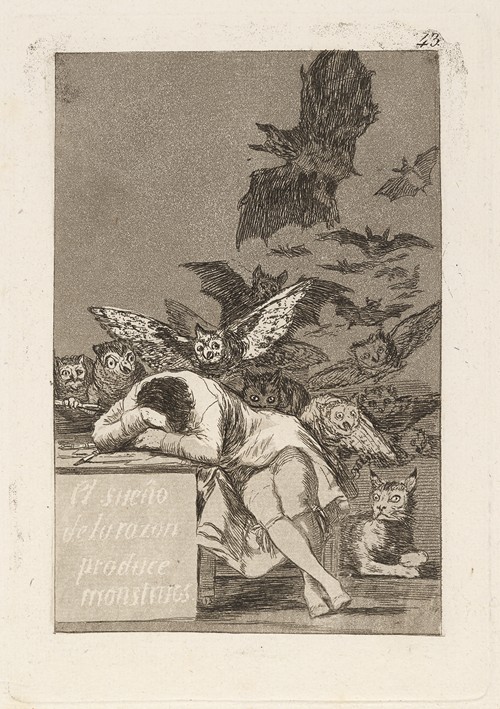
El sueño de la razon produce monstruos. (The sleep of reason produces monsters.)
Francisco de Goya
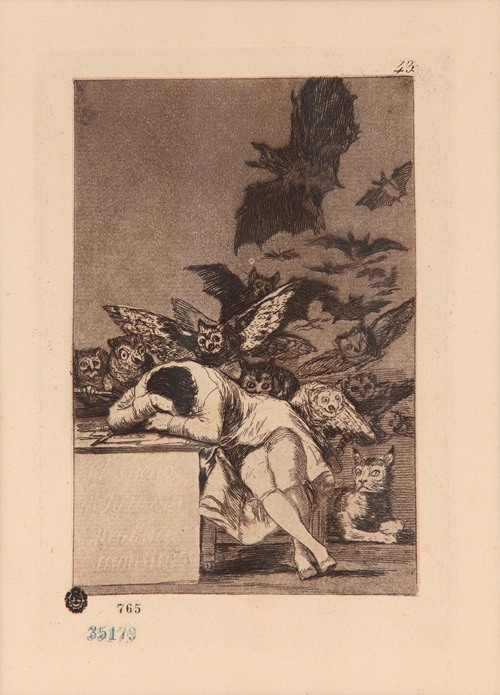
El sueño de la razon produce moustruos (Serie Caprichos)
Francisco de Goya
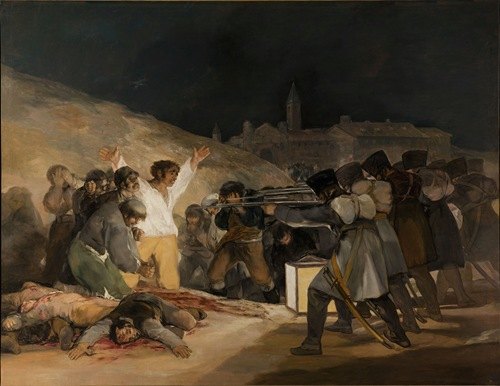
The Third of May
Francisco de Goya
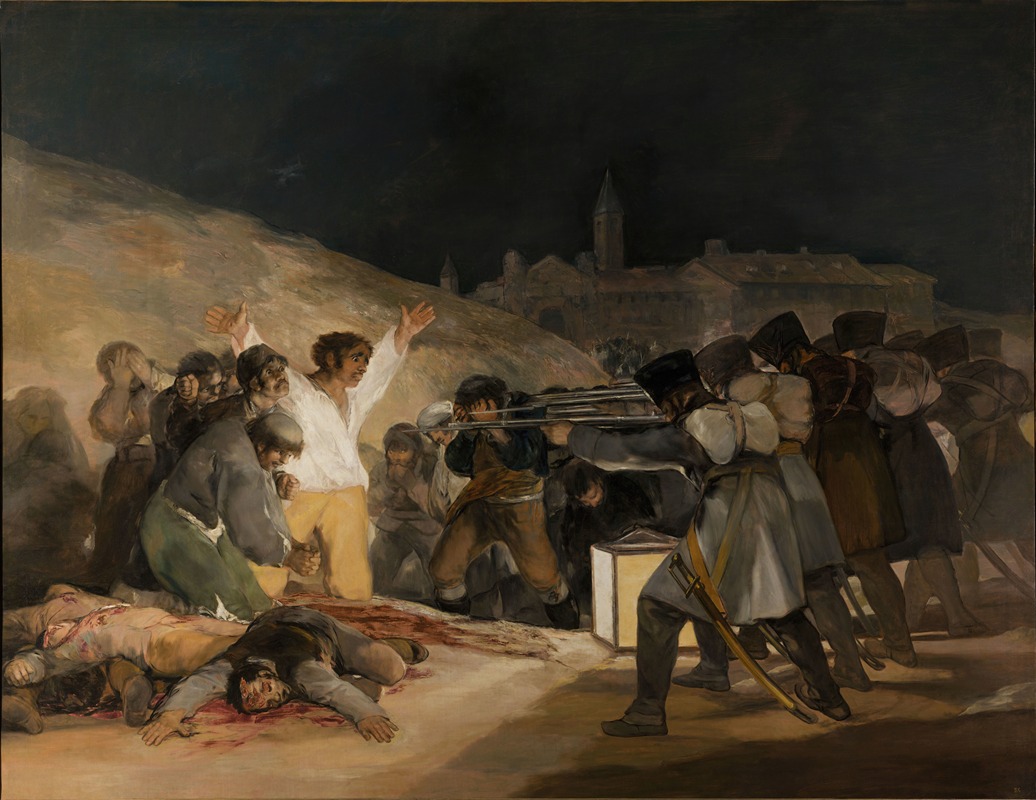
The Third of May 1808
Francisco de Goya
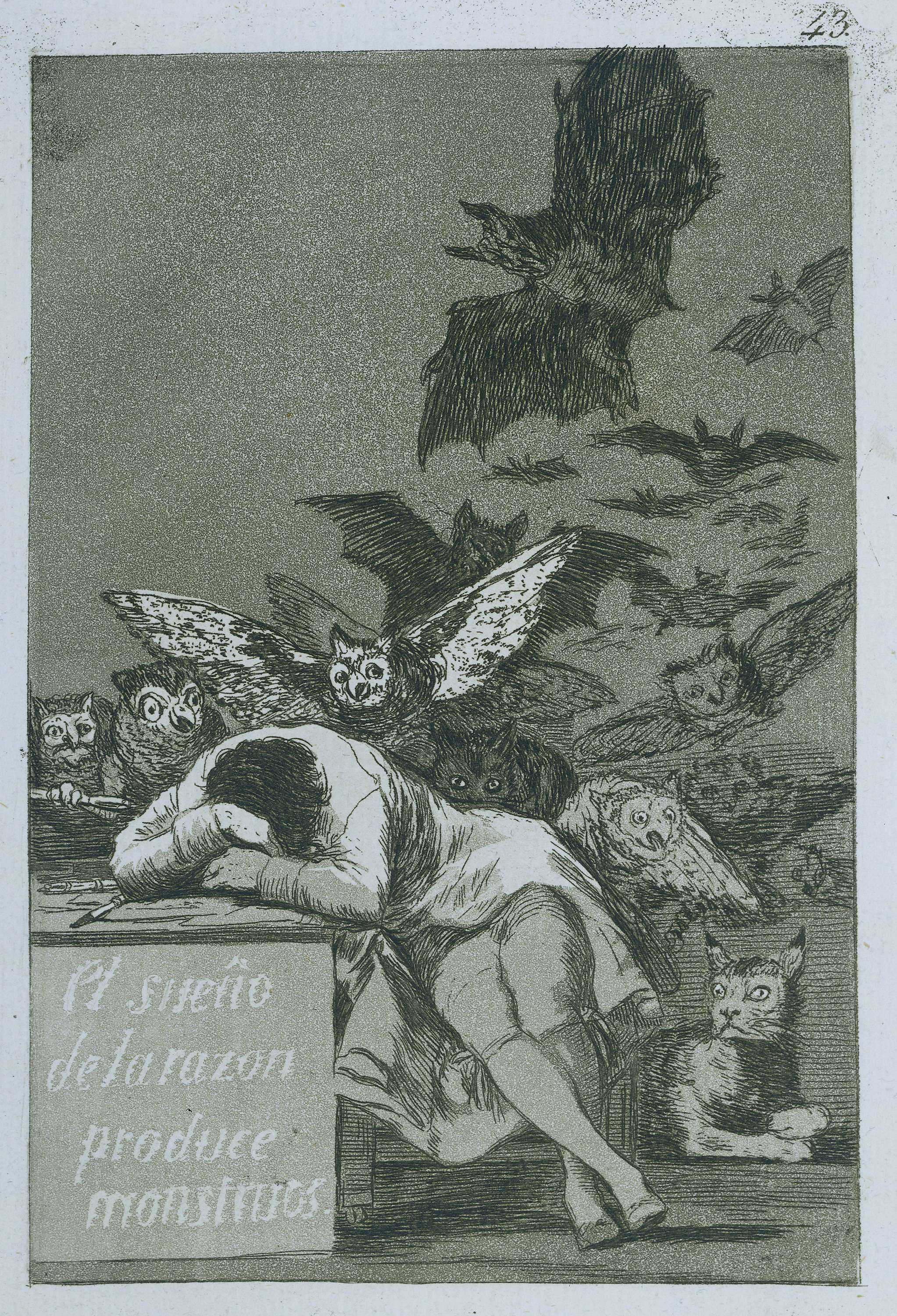
De slaap van de rede brengt monsters voort
Francisco de Goya
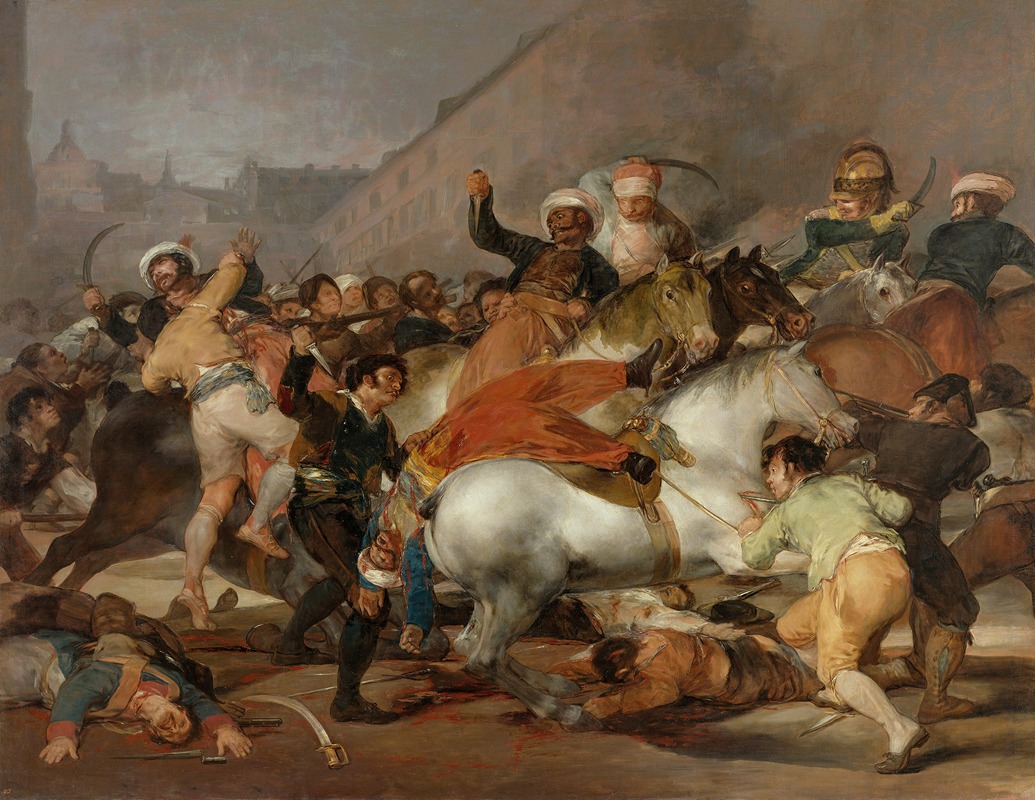
The Charge of the Mamelukes (1814)
Francisco de Goya
More Allegory Art
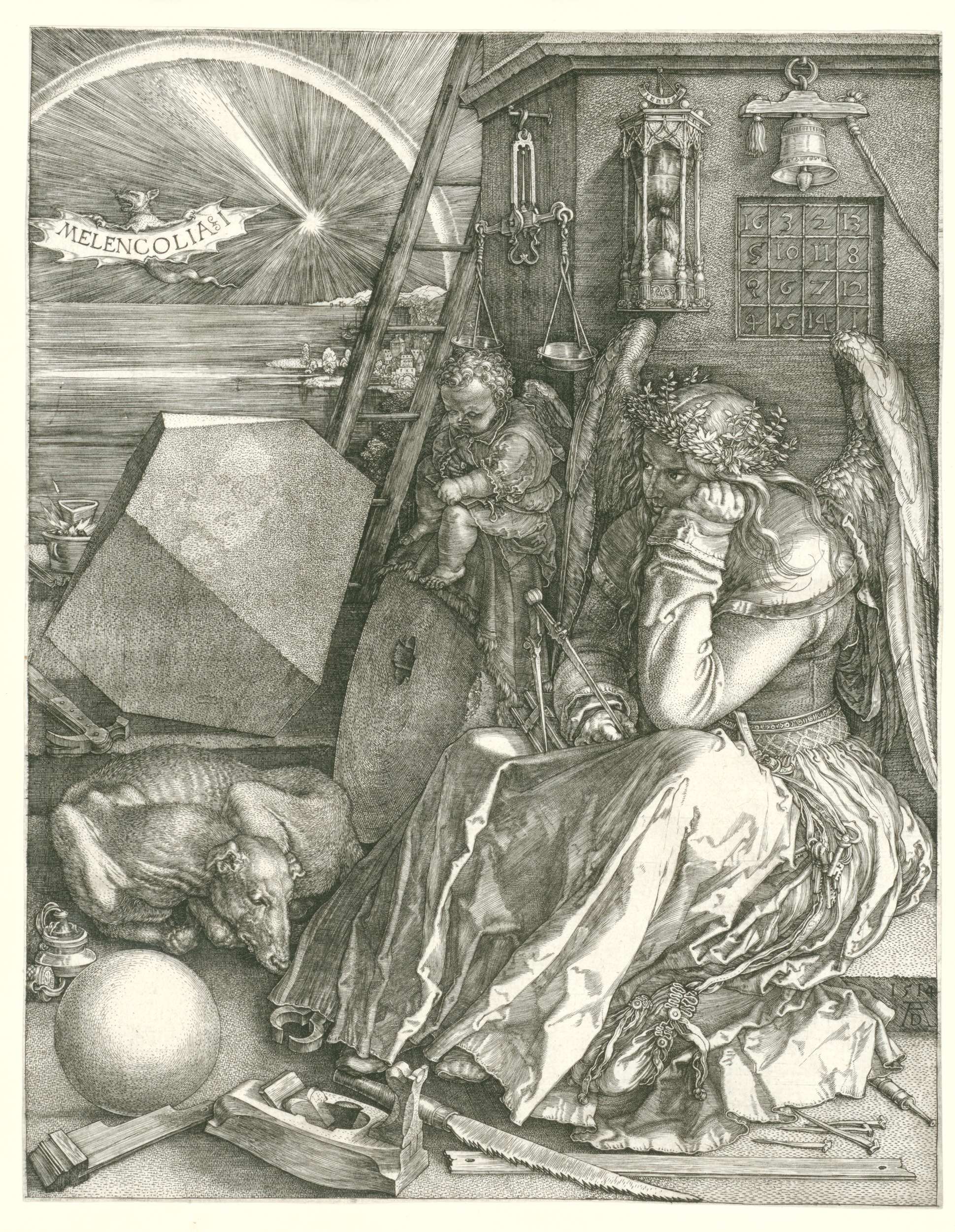
Melancholia
Albrecht Dürer
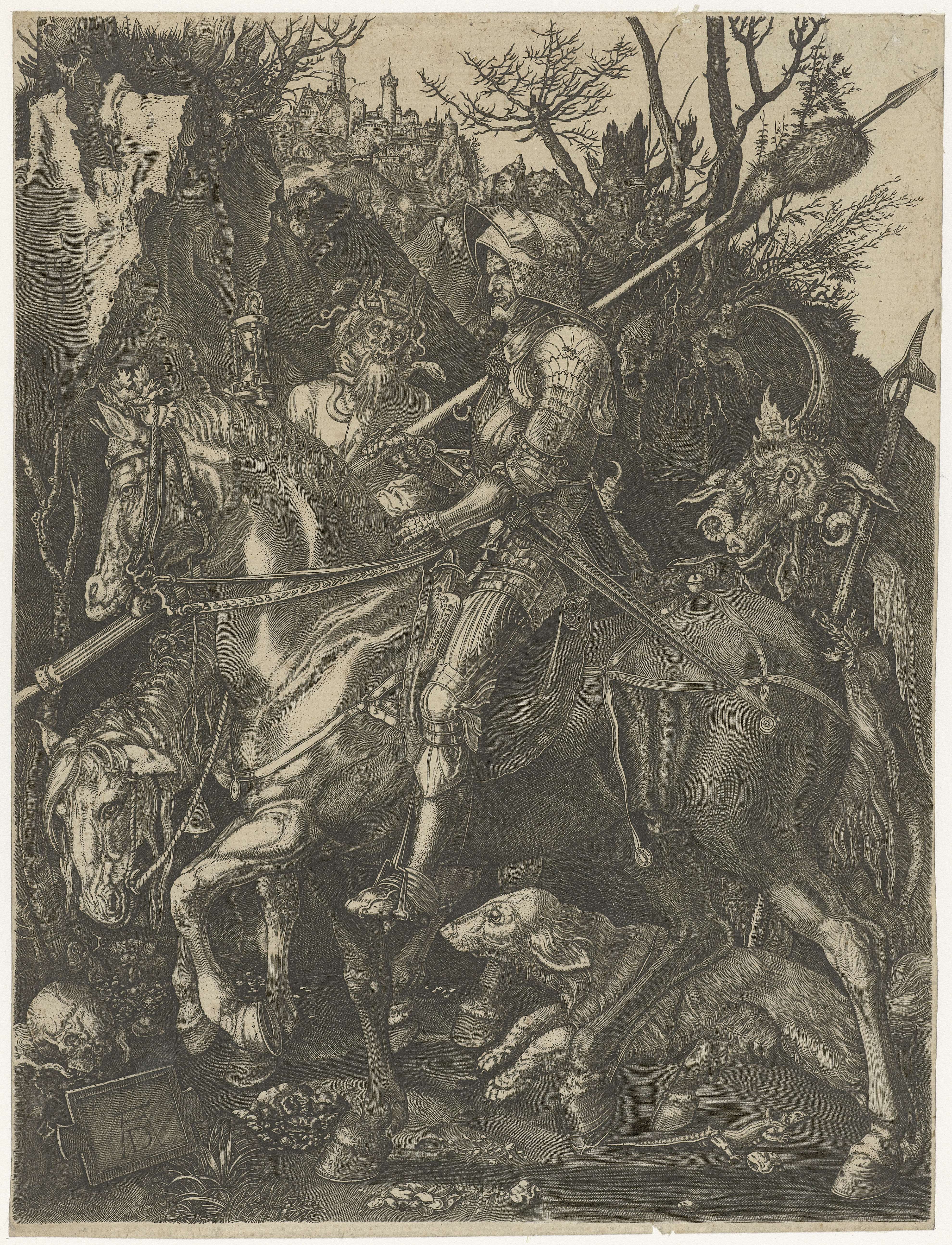
Ridder, Dood en Duivel
Unknown Artist
El sueño de la razon produce monstruos. (The sleep of reason produces monsters.)
Francisco de Goya
El sueño de la razon produce moustruos (Serie Caprichos)
Francisco de Goya
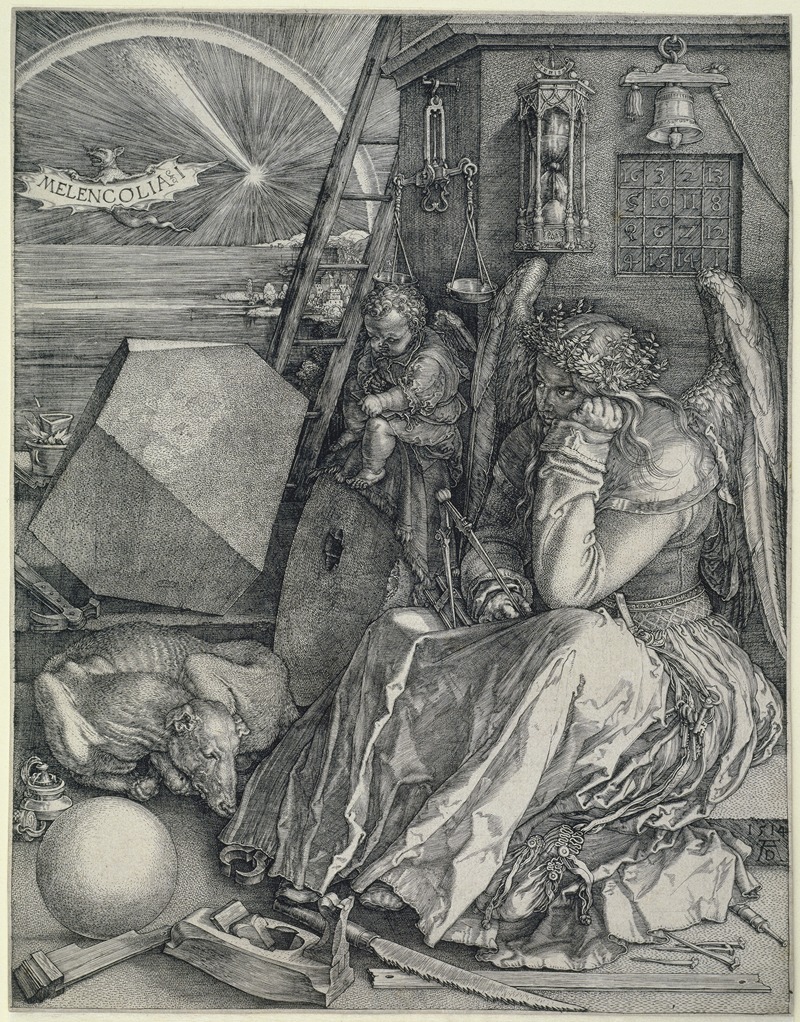
Melencolia I (The Melancholy)
Albrecht Dürer
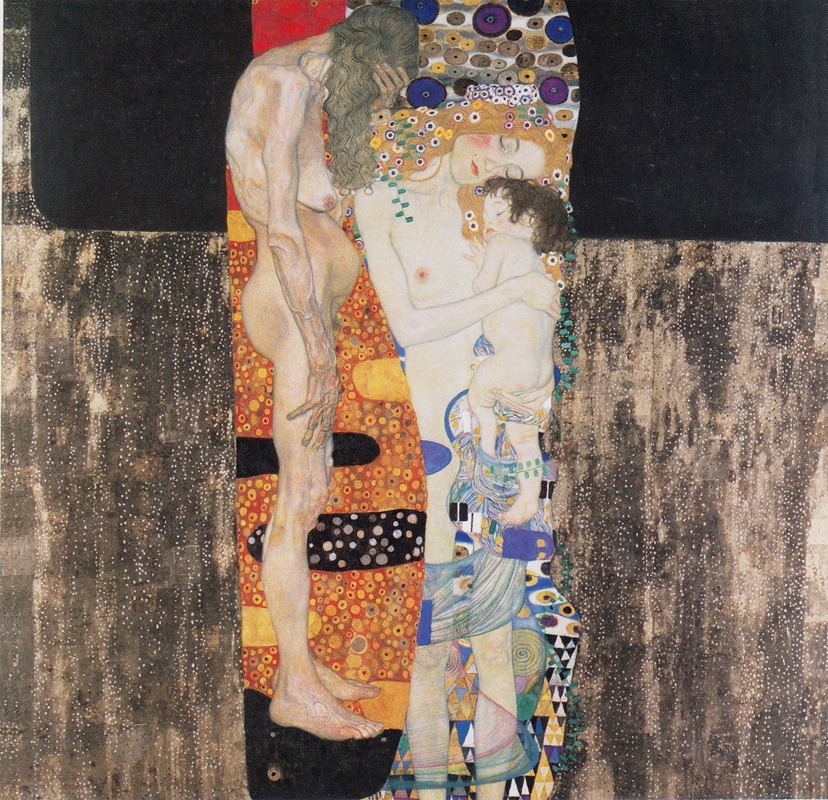
The Three Ages of the Woman
Gustav Klimt