
Agrandissement de la Samaritaine — History & Facts
Could a single brushstroke hold eternity? In Agrandissement de la Samaritaine, the essence of fleeting moments is captured in a dance of light and shadow, inviting contemplation on the nature of perception itself. Look to the left, where the swirling forms of urban architecture rise and twist, creating a sense of movement that seems to vibrate with life. The light, dappled and shimmering, reflects off the surfaces, revealing a palette rich with blues and ochres that evoke both nostalgia and a sense of modernity. Notice how the overlapping lines guide the eye through the composition, drawing attention to the layers of depth that Boberg meticulously constructed, merging reality with illusion. The interplay of light and architecture creates a duality, suggesting the contrast between permanence and transience.
The swift brushstrokes convey a dynamic energy, while the solidity of the structures hints at enduring presence. Each detail, from the delicate reflections to the fluid silhouettes, speaks of a world in constant flux, as if the very essence of the city is alive, captured in a moment that transcends time. In 1926, Boberg painted this work amidst a flourishing of modernist ideas and urban development in Europe. Living in Sweden, he was influenced by the architectural advancements of the day, reflecting a society on the brink of change.
This period was characterized by an exploration of new forms and perspectives, and Boberg’s art was deeply intertwined with the innovative spirit of the time, capturing the contradictions of urban life with striking clarity.
More Artworks by Ferdinand Boberg
Browse all →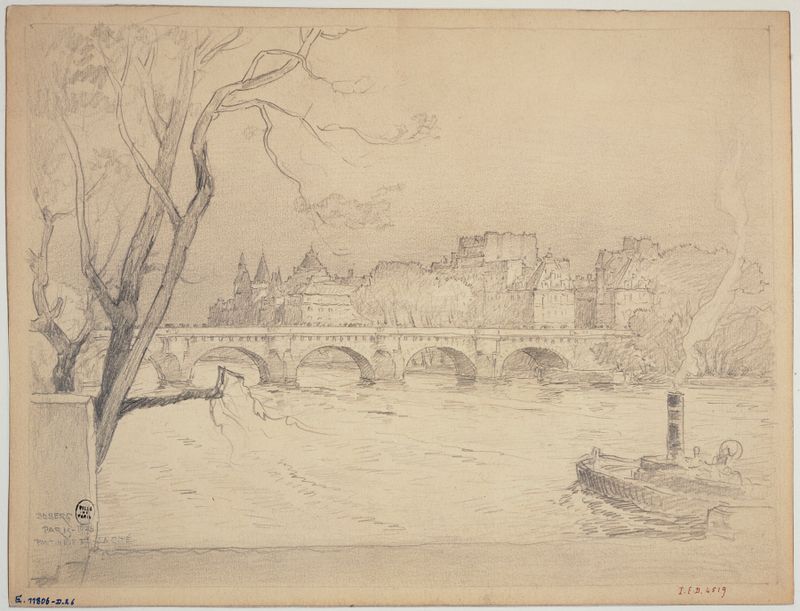
Le Pont-Neuf et la Cité
Ferdinand Boberg
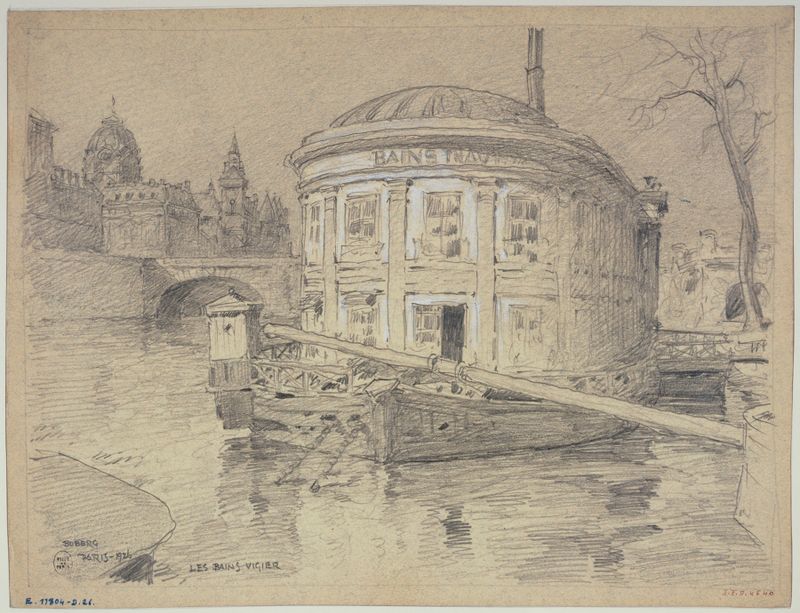
Les bains Vigier au Pont-Neuf
Ferdinand Boberg
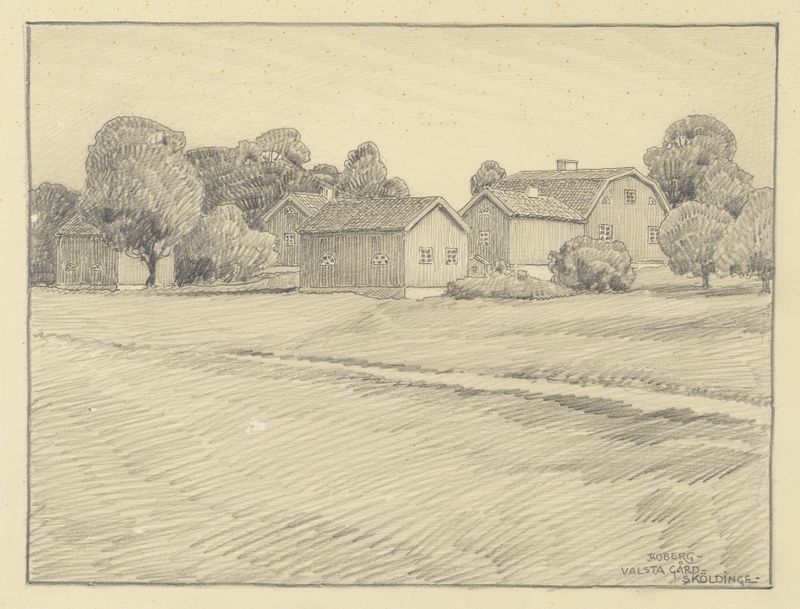
Valsta Gård
Ferdinand Boberg
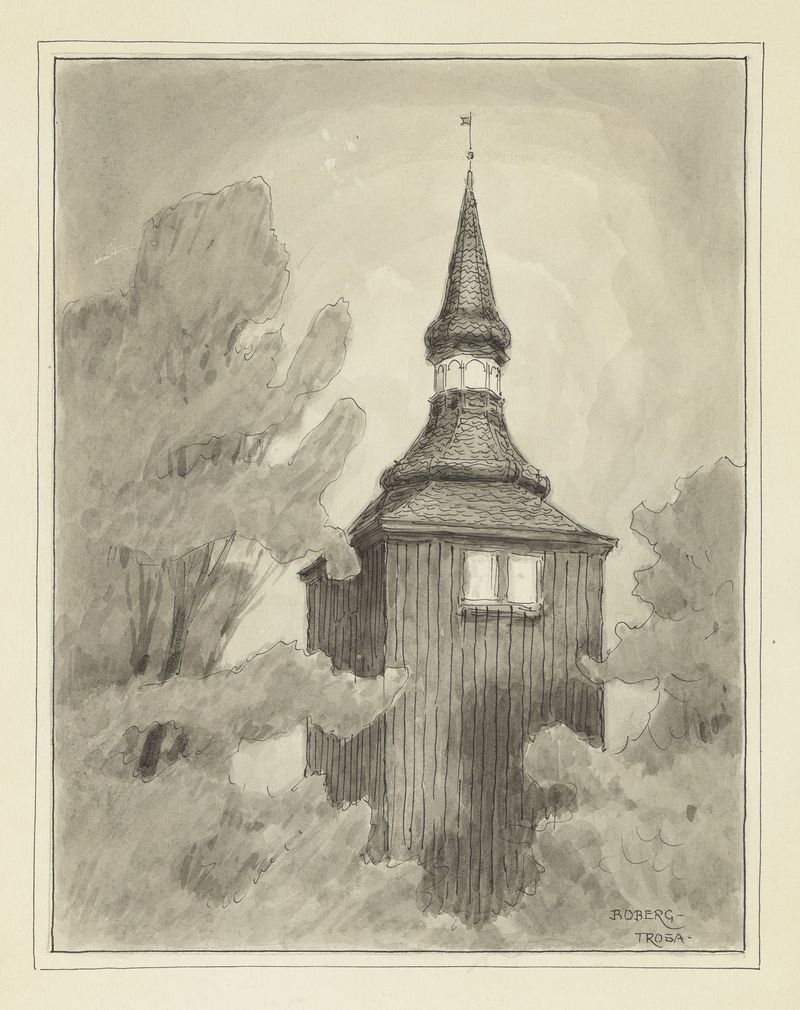
Trosa
Ferdinand Boberg
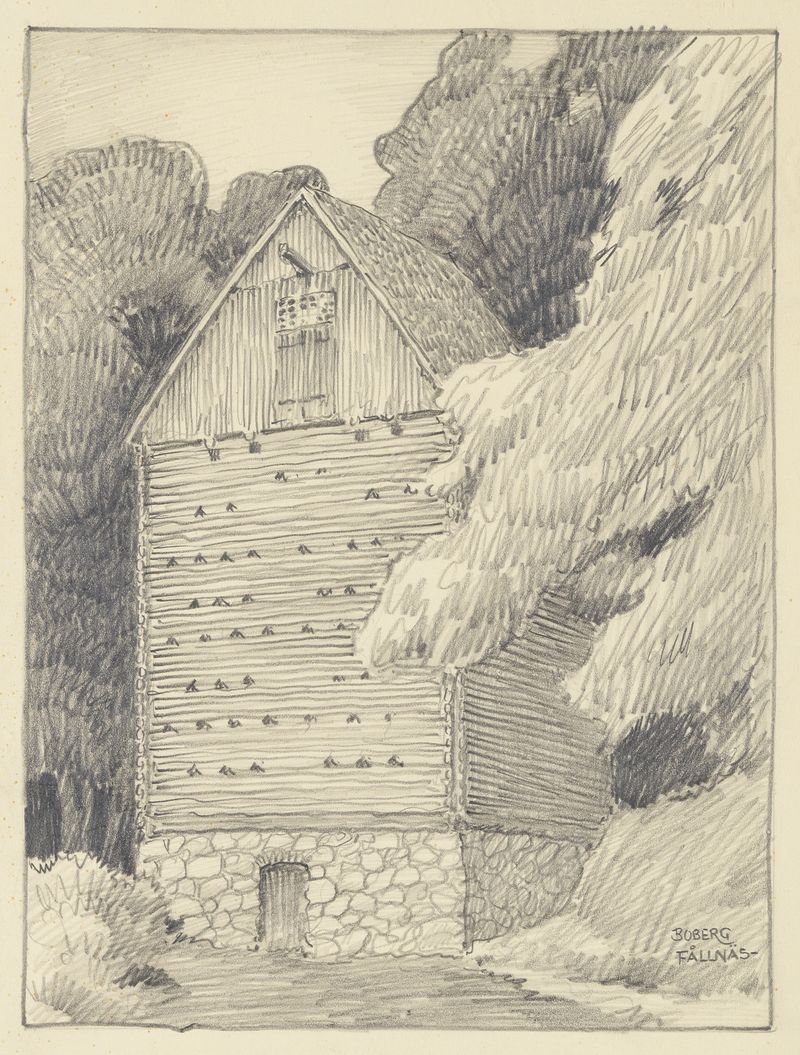
Fållnäs
Ferdinand Boberg
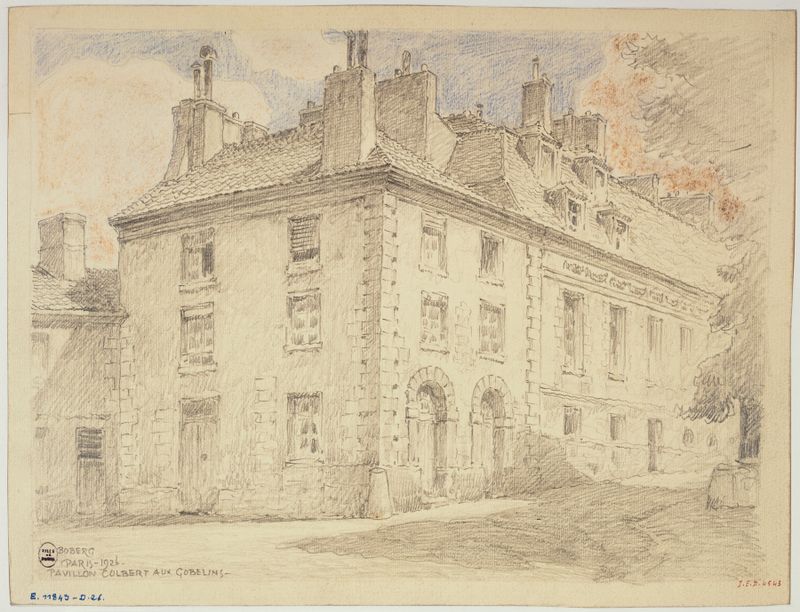
Le pavillon Colbert aux Gobelins
Ferdinand Boberg
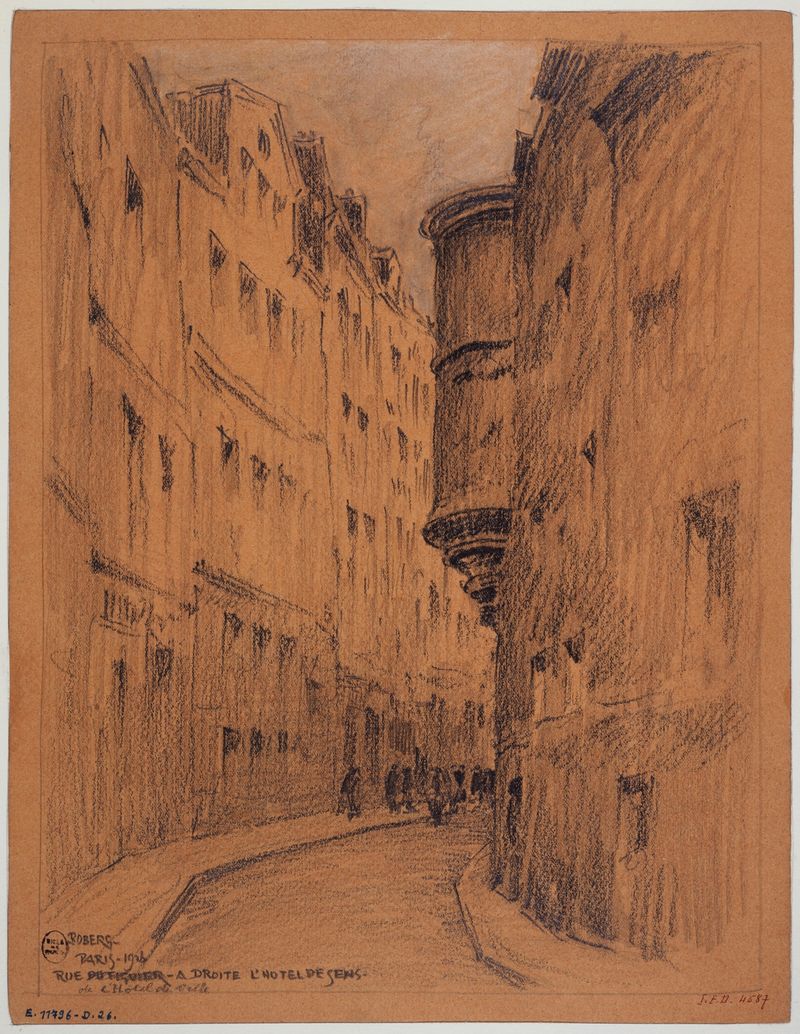
Rue de l’Hôtel de Ville; l’hôtel de Sens
Ferdinand Boberg
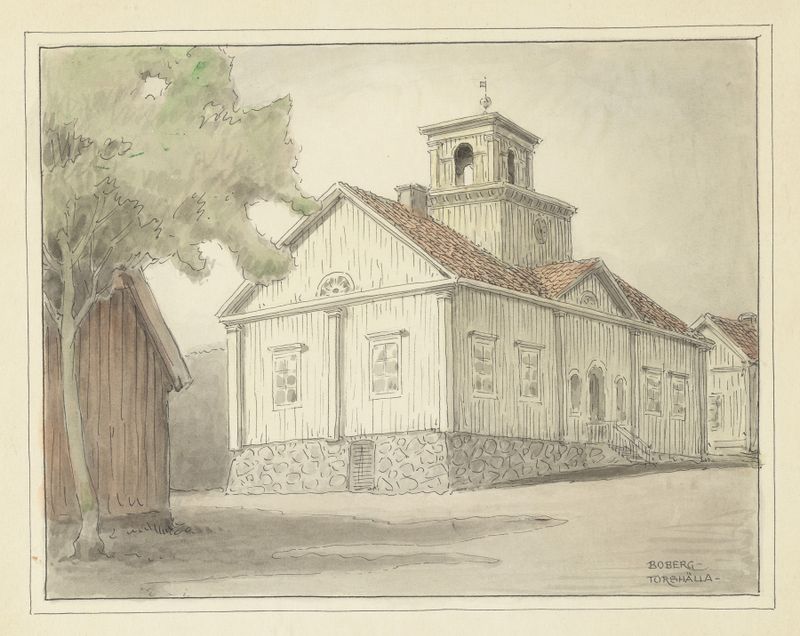
Torshälla
Ferdinand Boberg
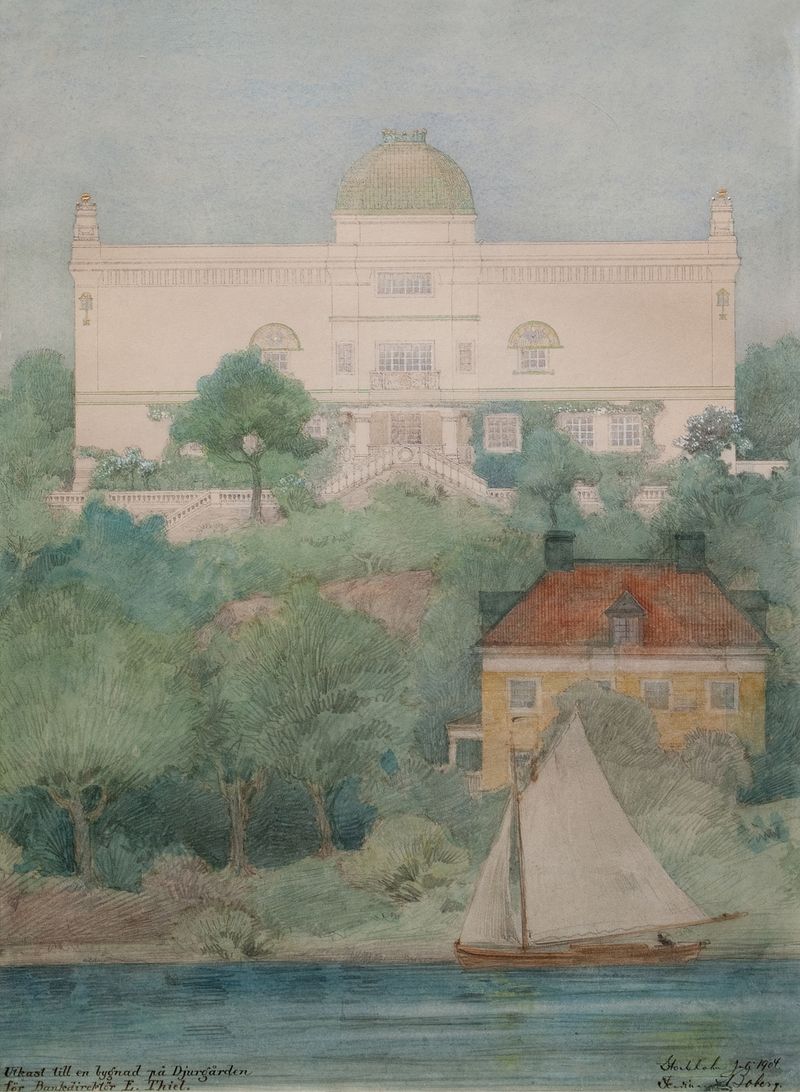
Sketch for a building for Thiel’s Gallery
Ferdinand Boberg
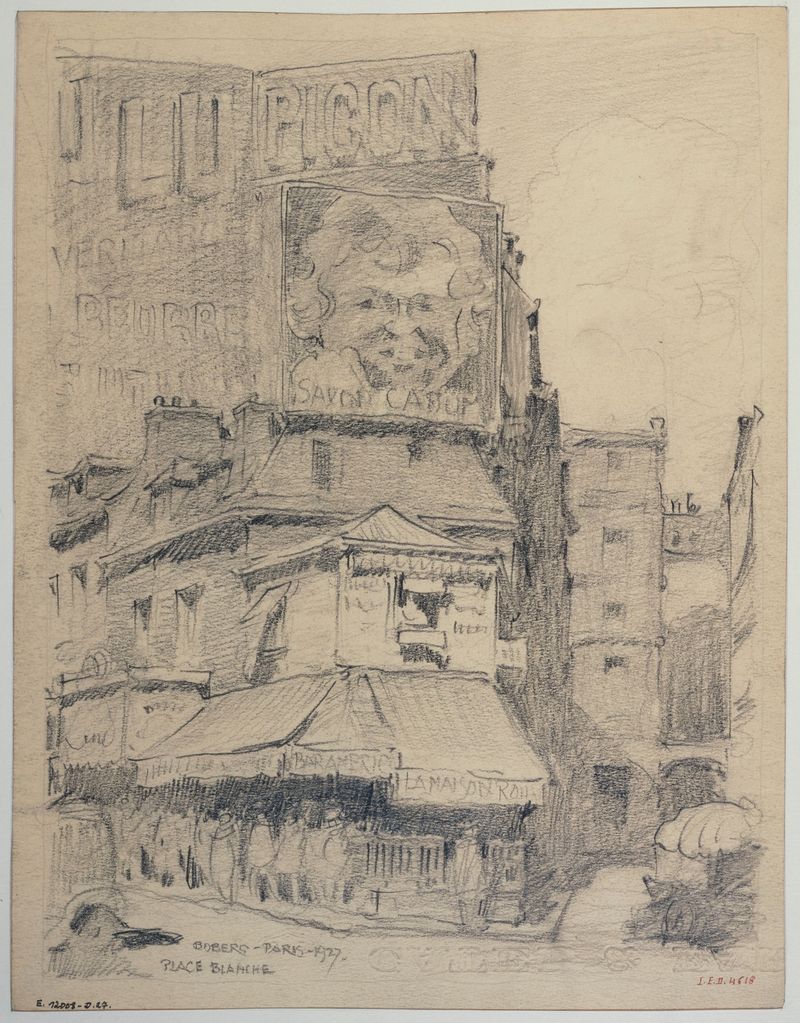
La place Blanche
Ferdinand Boberg
More Architecture Art
Browse all →
The statue of Liberty
Frédéric Auguste Bartholdi

View of Houses in Delft, Known as ‘The Little Street’
Johannes Vermeer

View of Houses in Delft, Known as ‘The Little Street’
Johannes Vermeer

The Cathedral in Rouen. The portal, Grey Weather
Claude Monet

The yellow house
Vincent van Gogh

The Church in Auvers-sur-Oise, View from the Chevet
Vincent van Gogh