
Akersloot — History & Facts
Can beauty exist without sorrow? This question weaves its way through the delicate layers of Akersloot, inviting us to ponder the fragility of existence itself. Look to the center, where soft hues of blue and green intertwine, capturing the essence of a serene landscape. You can almost feel the gentle caress of the wind as the brush strokes create a dancing movement across the canvas. Notice how the muted colors evoke a sense of calm, yet the jagged edges around the horizon hint at an unsettling undercurrent.
This contrast between tranquility and tension invites the viewer to explore the emotional landscape, reflecting the duality of nature’s beauty. As you delve deeper, the interplay of light and shadow becomes increasingly poignant. These elements symbolize the transient nature of joy and sorrow; the luminous patches represent fleeting moments of happiness, while the encroaching darkness suggests an inevitable descent into melancholy. The artist's choice of composition—a tranquil waterway bordered by fragile flora—highlights the vulnerability found in both beauty and life, urging us to recognize that joy is often shadowed by sadness. Created during a time when the world seemed to be engulfed in conflict and uncertainty, Giesberts painted this piece with a profound sensitivity.
The era's tumultuous events greatly influenced her artistic vision, prompting her to explore themes of fragility and resilience. Through Akersloot, she captures a moment that resonates deeply, inviting viewers to confront the complexities of their own emotions amidst the serene beauty of nature.
More Artworks by Julia Giesberts
Browse all →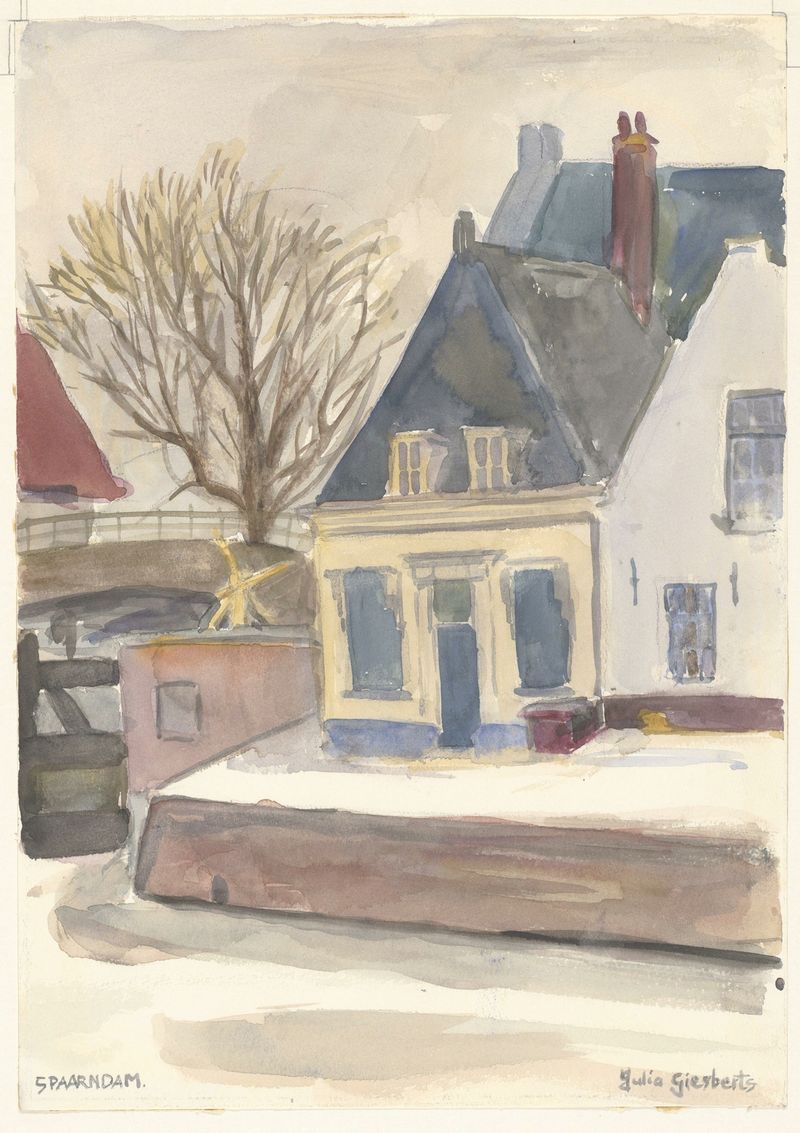
Spaarndam in de winter, links een sluisdeur
Julia Giesberts
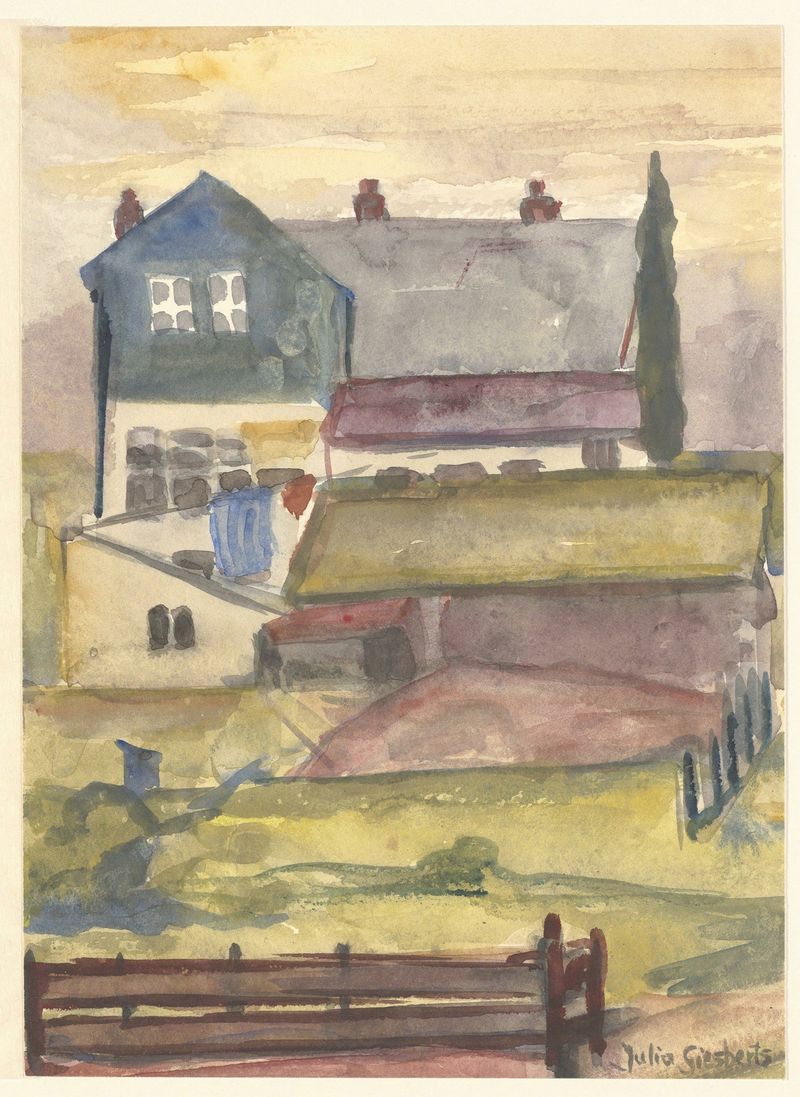
Landscape
Julia Giesberts
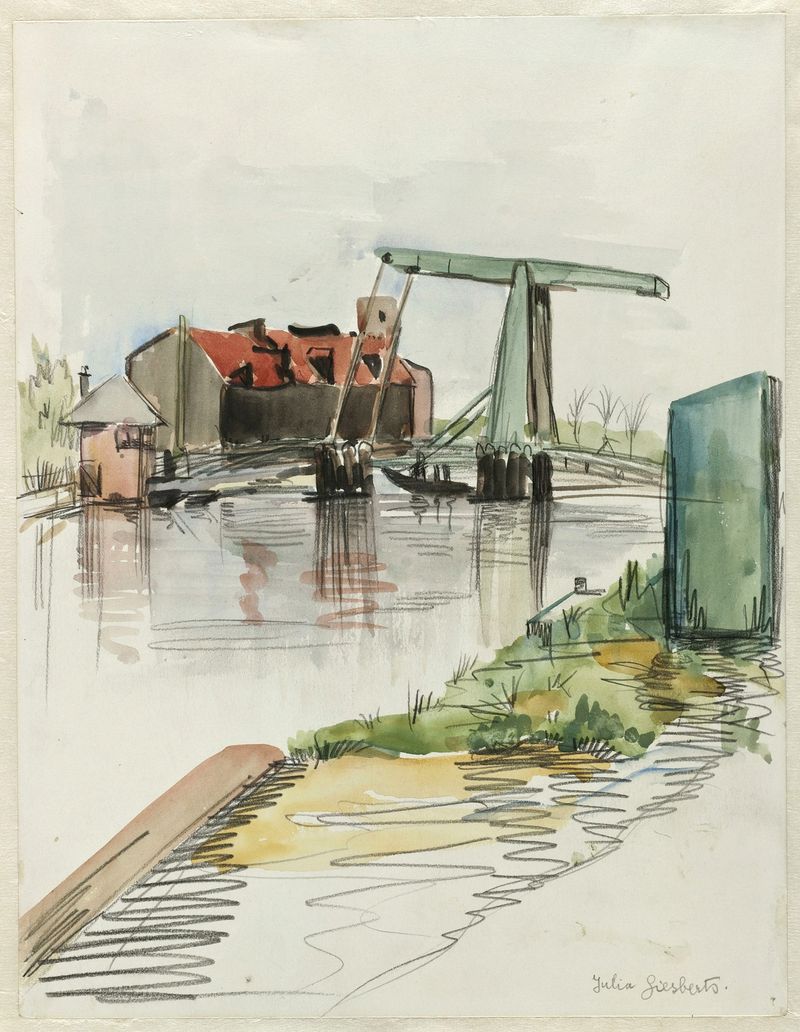
Landscape
Julia Giesberts
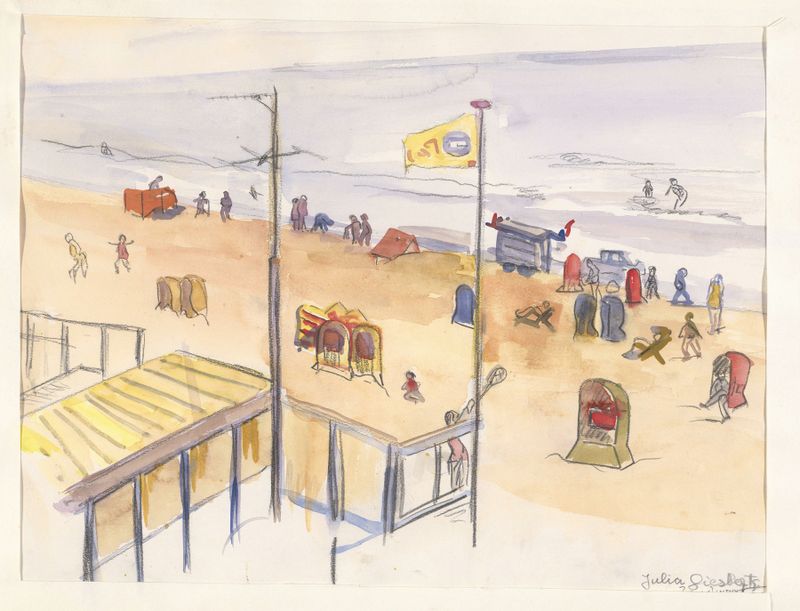
Strandleven te Zandvoort. Op het strand rieten strandstoelen en een haringkar
Julia Giesberts
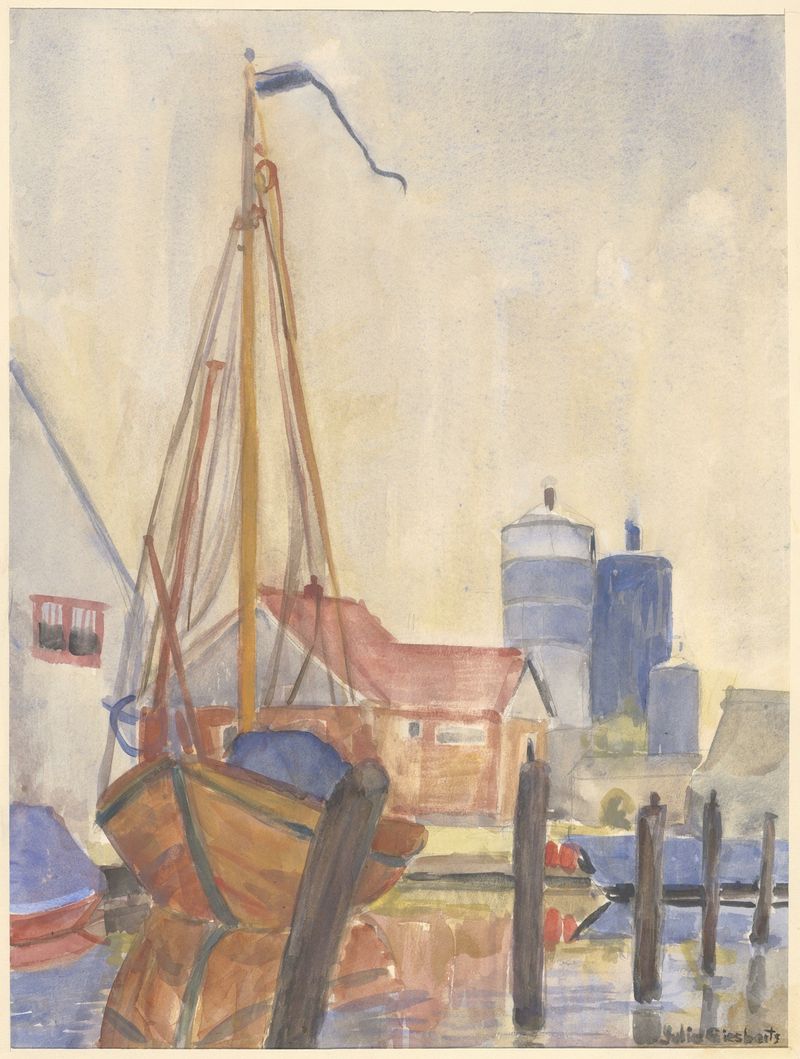
Ringvaart voorbij Aalsmeer
Julia Giesberts
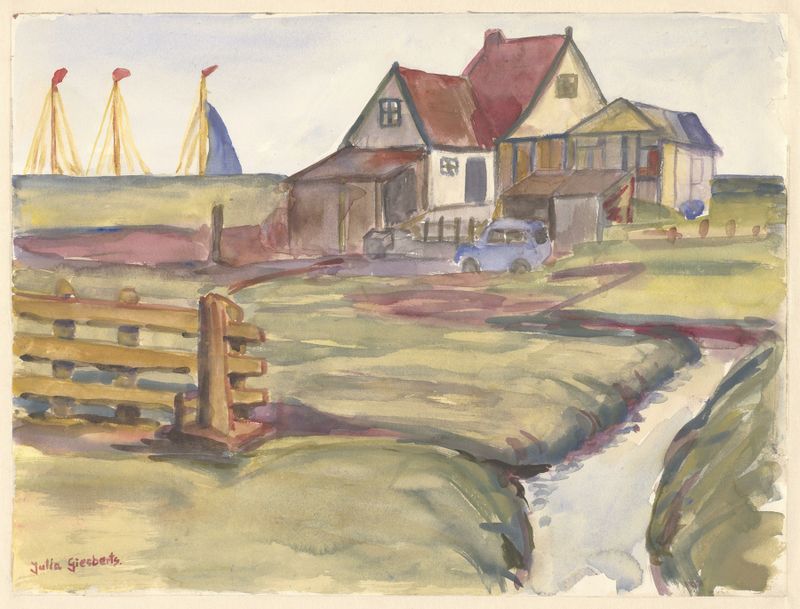
Landscape
Julia Giesberts
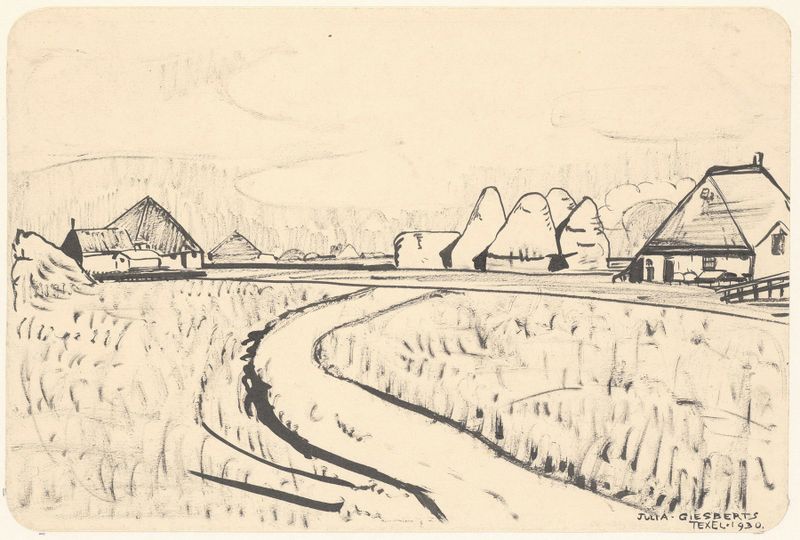
Boerderijen, mogelijk nabij Oosterend
Julia Giesberts
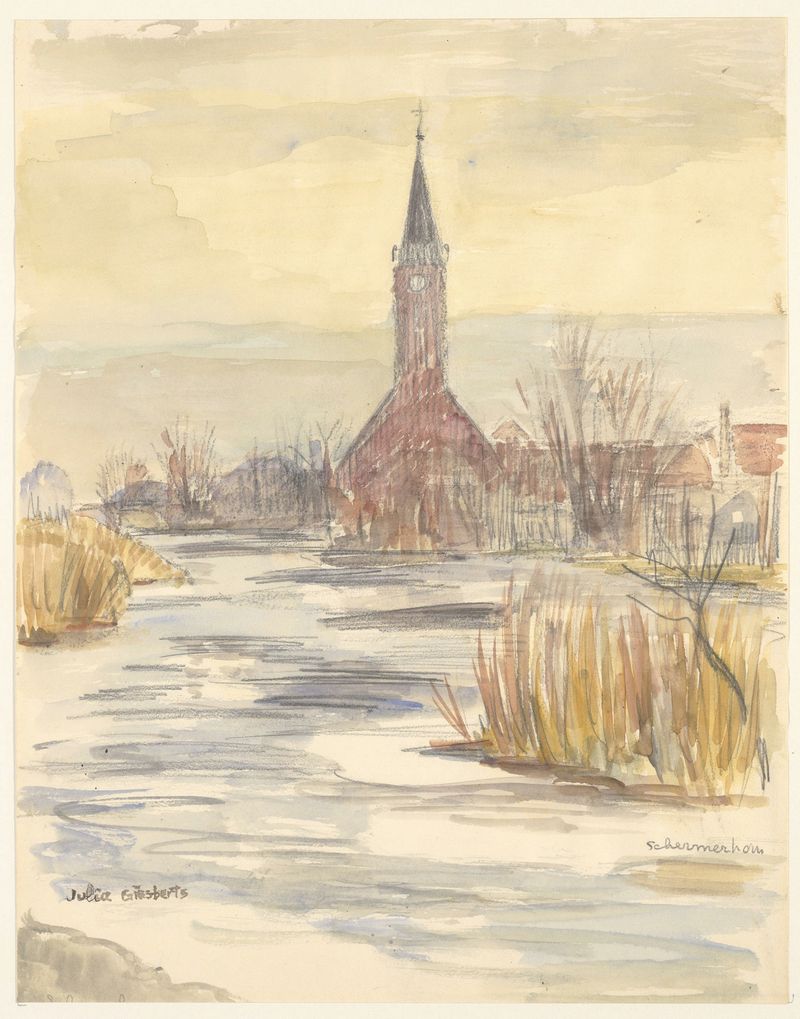
Gezicht op de kerk, op de voorgrond water
Julia Giesberts
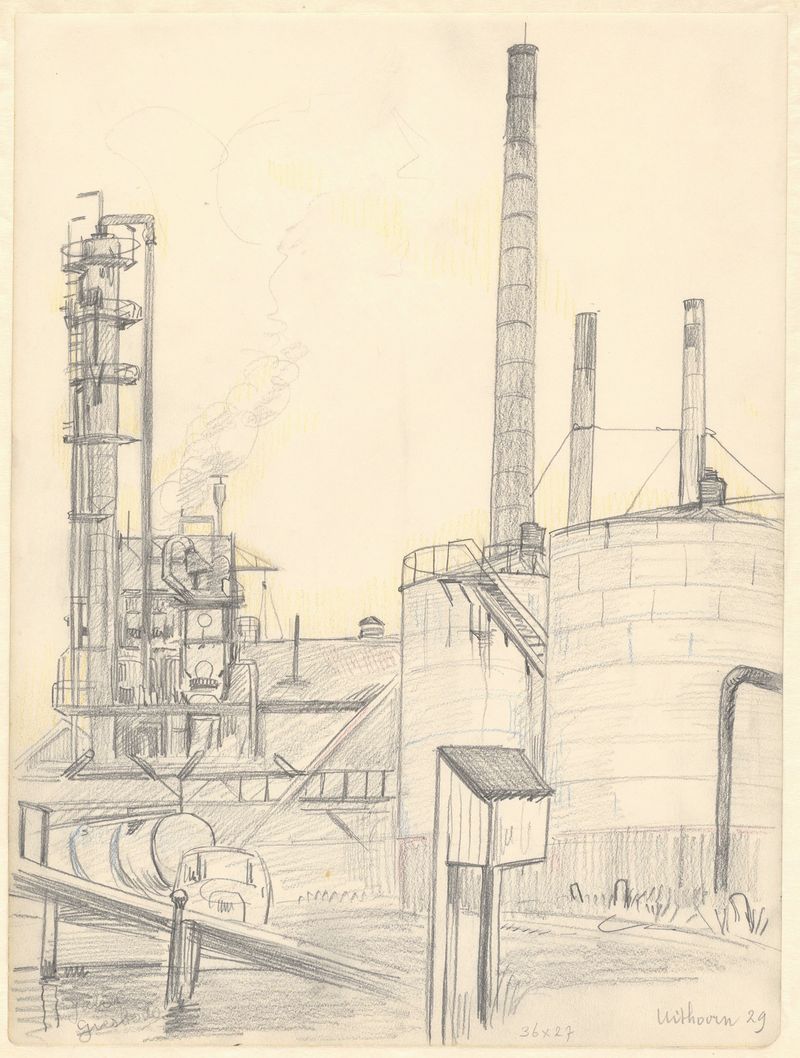
Uithoorn
Julia Giesberts
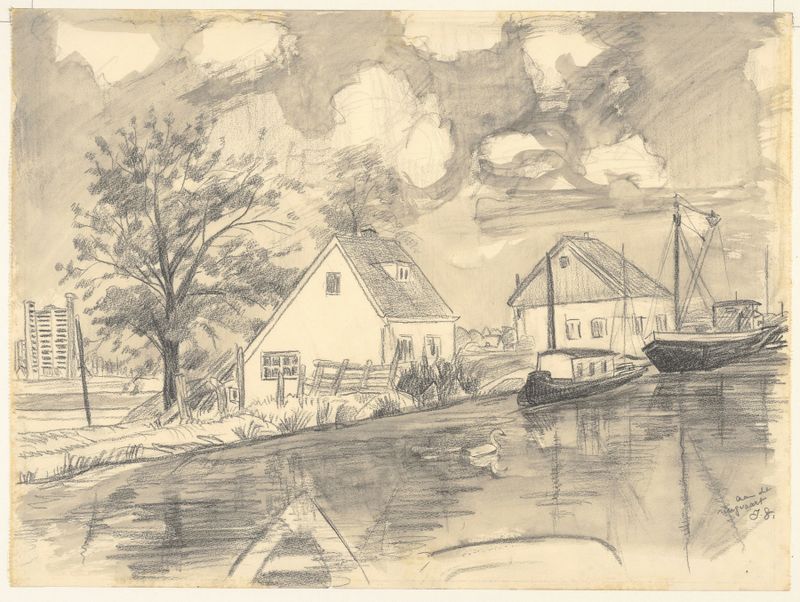
aan de ringvaart
Julia Giesberts





