
Alameda de Paula — History & Facts
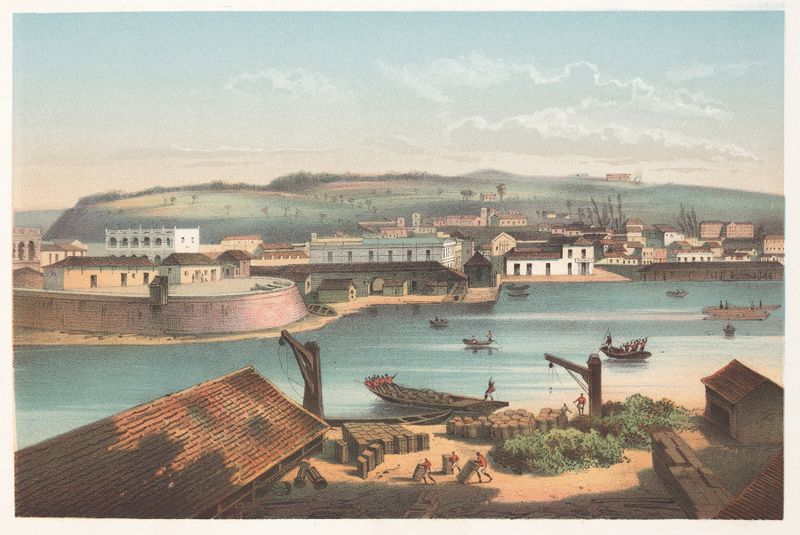
In Alameda de Paula, Mialhe unveils the transformative power of light, beckoning us to witness a sanctuary where nature and humanity intertwine. Focus first on the vibrant greens that dominate the canvas, where dappled sunlight dances through the trees, casting playful shadows on the cobblestone path below. The composition draws your eye along this meandering walkway, inviting you into a serene yet bustling moment, filled with figures enjoying their surroundings. The skillful brushwork creates a sense of movement, as the figures, clothed in period attire, engage in everyday activities, their gestures captured in vibrant detail that breathes life into the scene. Yet, beneath this idyllic facade lies a subtle tension: the contrast between the lively social gathering and the stillness of the nature around them.
Each face tells a story, evoking introspection amidst the vibrancy. Notice the deliberate use of light to evoke feelings of warmth and communal joy, while also hinting at the fleeting nature of such moments—an echo of life's impermanence. The juxtaposition of the intricate foliage against the structured forms of human presence suggests an eternal dance between civilization and the untamed beauty of the world. In 1855, as the art world flourished with Romanticism and its celebration of the sublime, Mialhe found himself in Paris, capturing scenes that encapsulated the era's spirit.
This piece reflects not only his personal artistic exploration but also the broader cultural currents that celebrated nature's beauty and the harmony of urban life.
More Artworks by Pierre Toussaint Frédéric Mialhe
Browse all →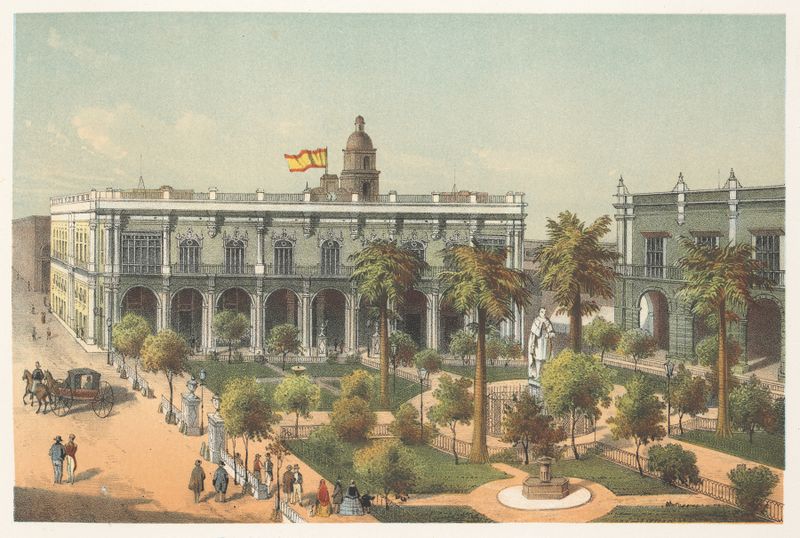
Plaza de Armas
Pierre Toussaint Frédéric Mialhe
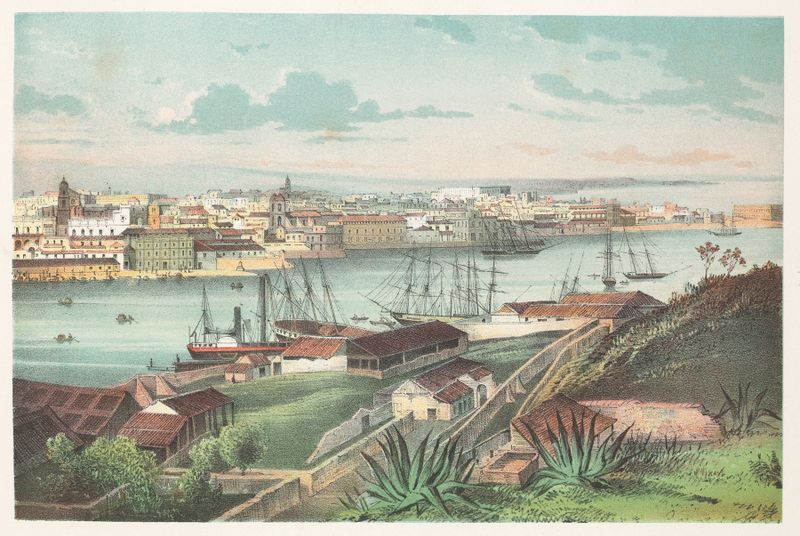
Habana.
Pierre Toussaint Frédéric Mialhe
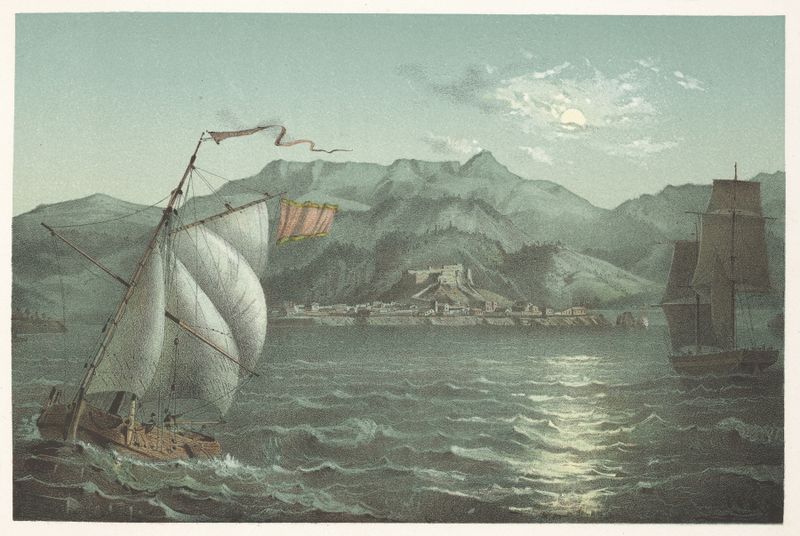
Vista genl. de la cuidad y montañas de Baracoa
Pierre Toussaint Frédéric Mialhe
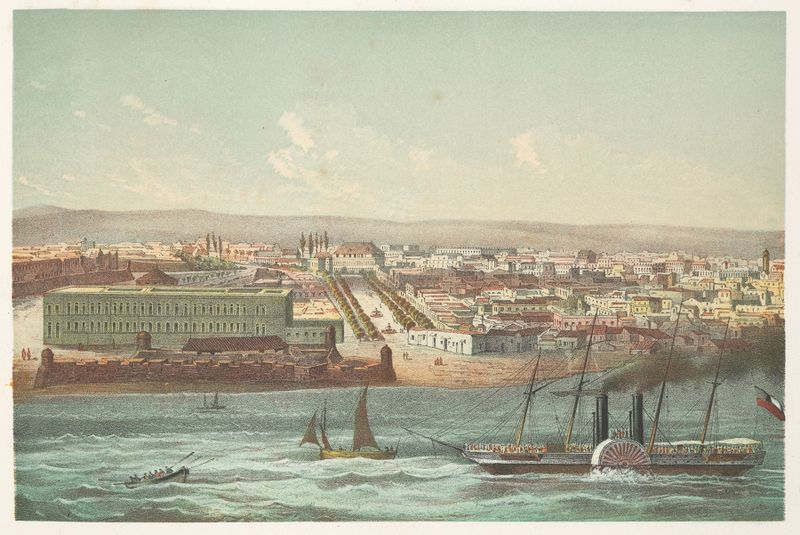
Vista de la Habana, parte de Estramuros
Pierre Toussaint Frédéric Mialhe

Vista de la Habana
Pierre Toussaint Frédéric Mialhe
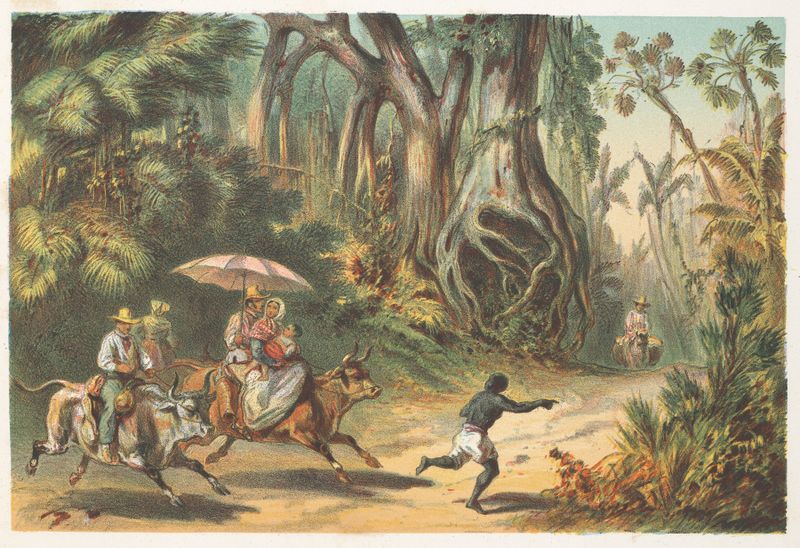
Cercanias de Baracoa
Pierre Toussaint Frédéric Mialhe
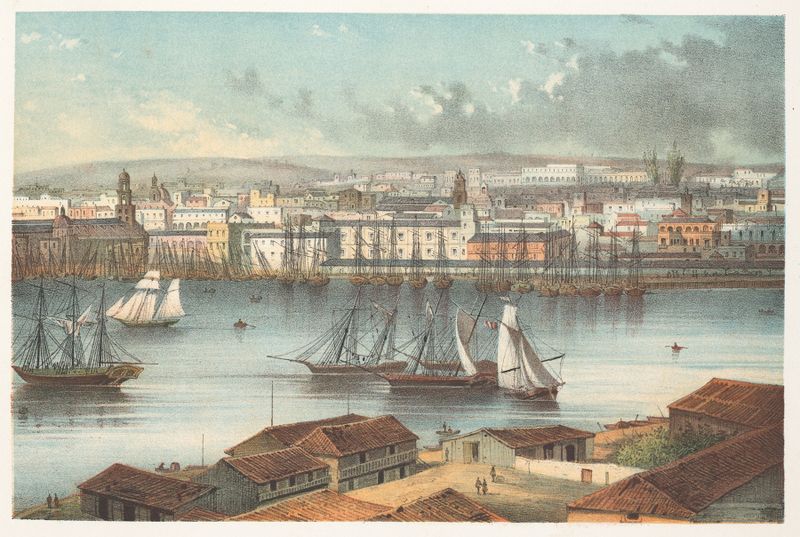
Habana
Pierre Toussaint Frédéric Mialhe
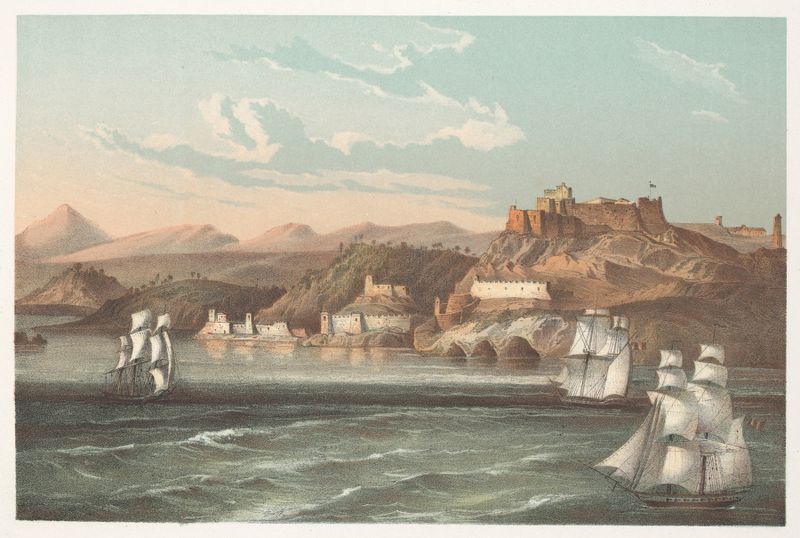
Morro y entrada del puerto de Santiago de Cuba
Pierre Toussaint Frédéric Mialhe
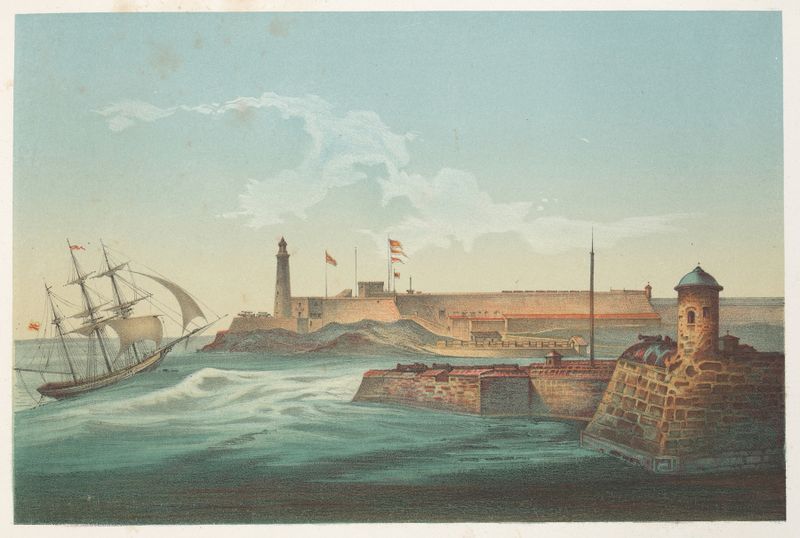
Morro y entrada puerto de la Habana
Pierre Toussaint Frédéric Mialhe
Matanzas
Pierre Toussaint Frédéric Mialhe





