
Morro y entrada del puerto de Santiago de Cuba — History & Facts
This thought lingers in the air, inviting contemplation of fate intertwined with artistry, as captured in a sweeping landscape that holds both allure and foreboding. Look to the left where the rugged contours of Morro Castle rise dramatically against the cerulean sky, its stone fortifications a silent witness to countless stories of conquest and survival. The vibrant hues of the sea roll gently toward the shore, kissed by the sunlight that dances across its surface. In the foreground, the dynamic arrangement of boats anchored in the harbor suggests life and commerce, yet the shadows they cast hint at deeper undercurrents—of struggle and ambition—a juxtaposition that invites the viewer to reflect on the duality of destiny. Within the composition, the contrast between the serene water and the imposing fortress evokes a tension between tranquility and turmoil.
The majestic cliffs loom as guardians of history, while the fluttering sails of the boats represent fleeting opportunities, each voyage a step into the unknown. The warm palette, infused with golds and soft blues, accentuates this complexity, suggesting that beauty and peril coexist—an eternal dance of fate within the vibrant life of the harbor. In 1855, Morro y entrada del puerto de Santiago de Cuba was created during a period of burgeoning national identity in Cuba, as the island grappled with colonial influences and aspirations for independence. Frédéric Mialhe, a French painter, captured this vibrant maritime scene while living in Havana, where he immersed himself in the local culture.
His work reflects the rich visual narratives of the Caribbean and resonates with the evolving artistic movements of the time, blending European techniques with the pulse of a new world.
More Artworks by Pierre Toussaint Frédéric Mialhe
Browse all →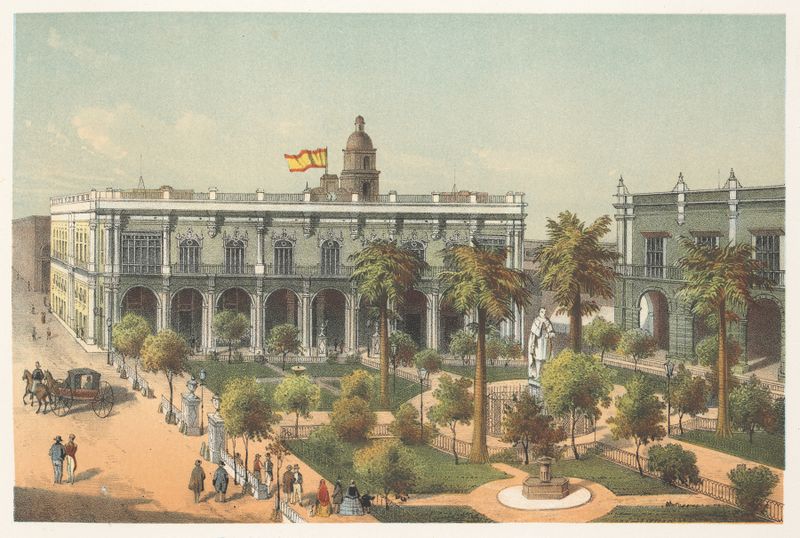
Plaza de Armas
Pierre Toussaint Frédéric Mialhe
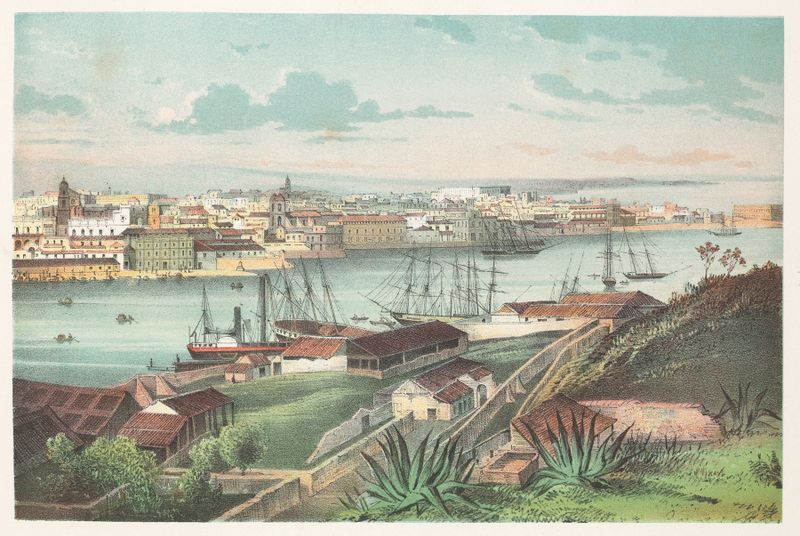
Habana.
Pierre Toussaint Frédéric Mialhe
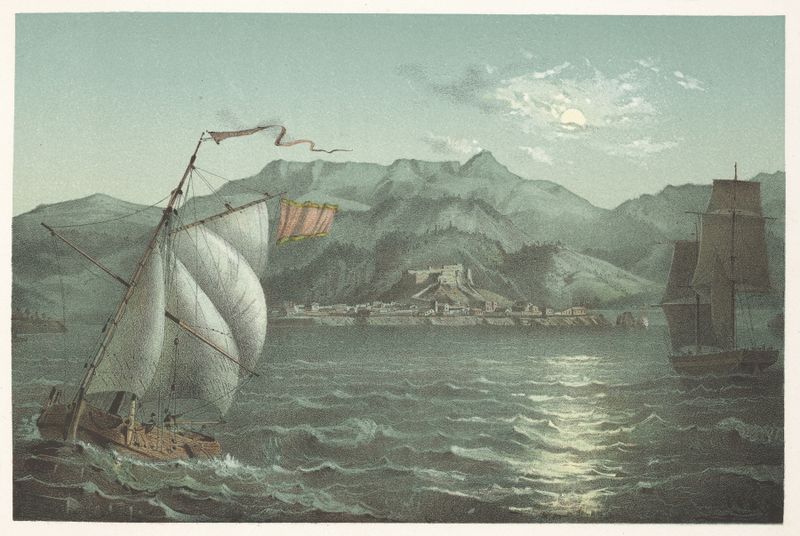
Vista genl. de la cuidad y montañas de Baracoa
Pierre Toussaint Frédéric Mialhe
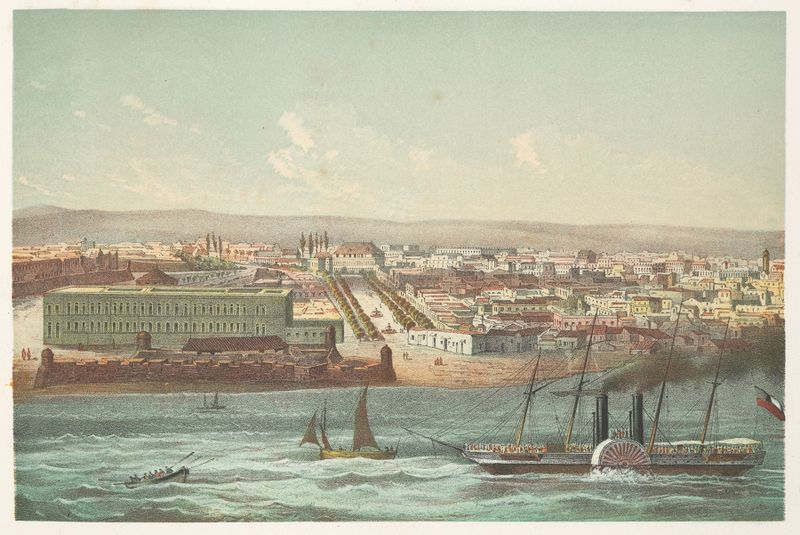
Vista de la Habana, parte de Estramuros
Pierre Toussaint Frédéric Mialhe

Vista de la Habana
Pierre Toussaint Frédéric Mialhe
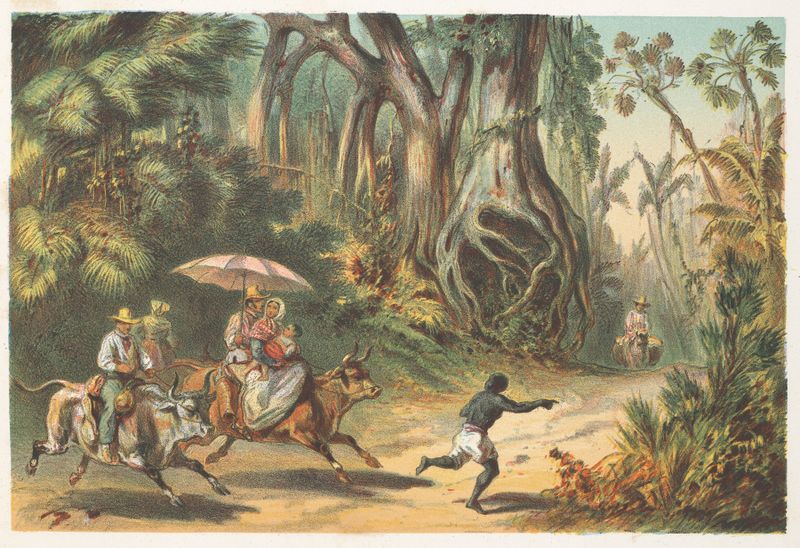
Cercanias de Baracoa
Pierre Toussaint Frédéric Mialhe
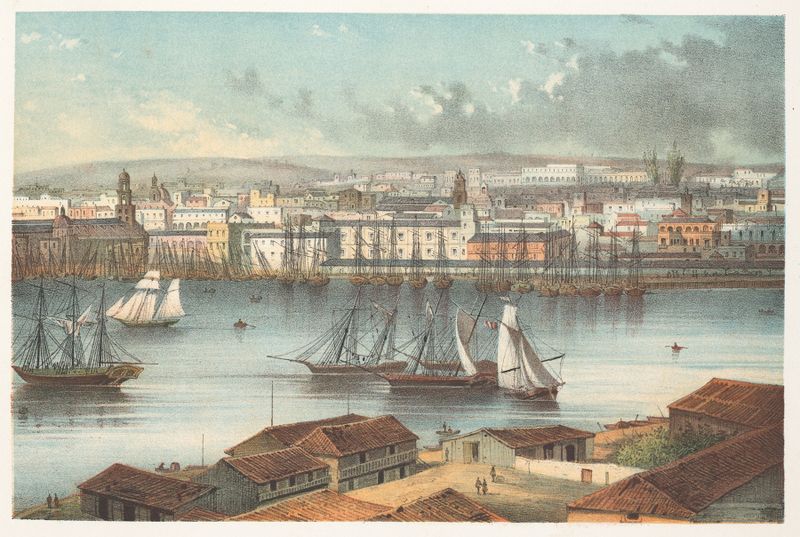
Habana
Pierre Toussaint Frédéric Mialhe
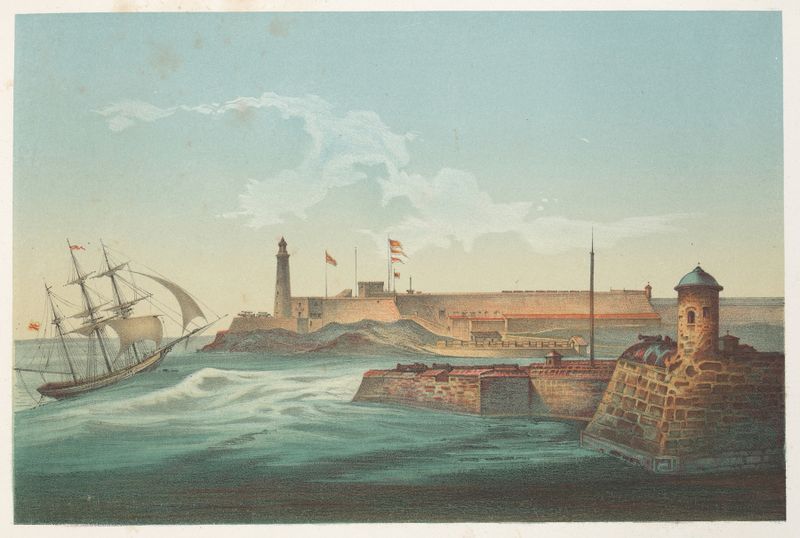
Morro y entrada puerto de la Habana
Pierre Toussaint Frédéric Mialhe
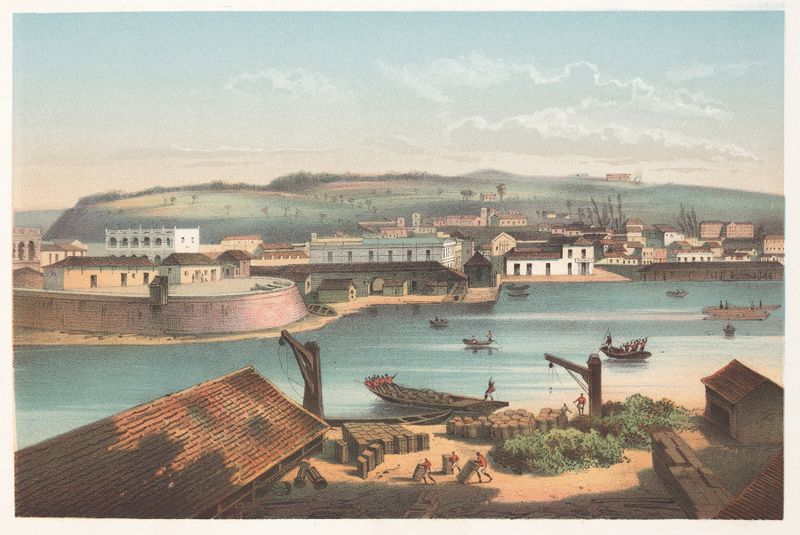
Matanzas
Pierre Toussaint Frédéric Mialhe

Alameda de Paula
Pierre Toussaint Frédéric Mialhe





