
Habana. — History & Facts
In its silence, it bears witness to the chaos of the world, inviting the observer to confront the madness within and around them. Look to the lower left, where vibrant splashes of cerulean blue clash against the warm ochres, revealing a restless energy that pulses through the composition. The bustling street scene unfolds with figures in motion, some lost in their thoughts, while others appear engrossed in conversation. Notice how the light dances across various textures — the smoothness of a carriage juxtaposed with the roughness of cobblestones, evoking a sense of life both mundane and extraordinary.
Each stroke and color choice creates a dynamic playfulness, as if the canvas itself is alive with intrigue. Yet, beneath this lively surface, the painting hints at an underlying tension. The figures, though animated, seem caught in a moment of disconnection; their gazes wander, embodying a collective madness that echoes both personal solitude and societal chaos. The shadows that creep along the edges serve as a reminder of the darker undercurrents of urban life, suggesting a struggle against the relentless pace of existence.
This juxtaposition of joy and despair urges the viewer to dig deeper into their own emotional landscape. Created in 1855, this piece reflects a crucial moment in Pierre Toussaint Frédéric Mialhe's career while he was living in Paris, a city brimming with artistic innovation and social upheaval. Mialhe, fascinated by the vibrancy of Havana, captured the spirit of a bustling metropolis during a time of political turbulence. His work emerged as part of a larger narrative in the art world, bridging the Romantic and Realist movements, as artists began to grapple with the complexities of modern life and the human condition.
More Artworks by Pierre Toussaint Frédéric Mialhe
Browse all →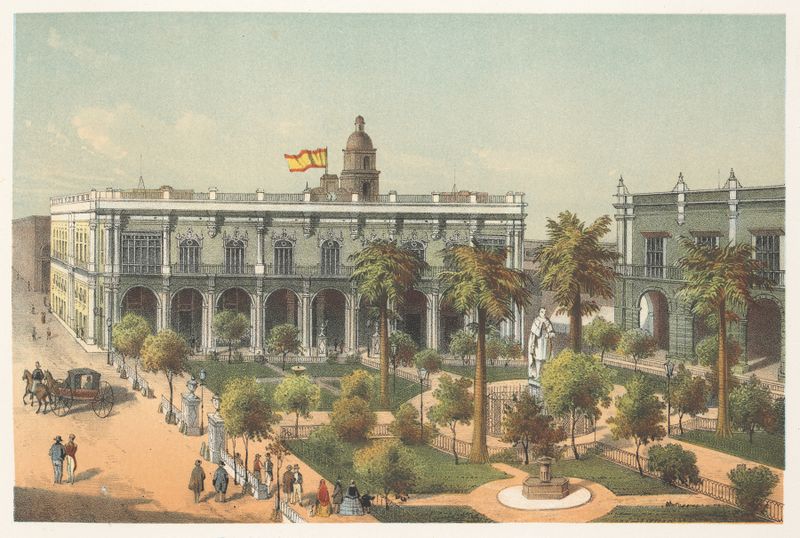
Plaza de Armas
Pierre Toussaint Frédéric Mialhe
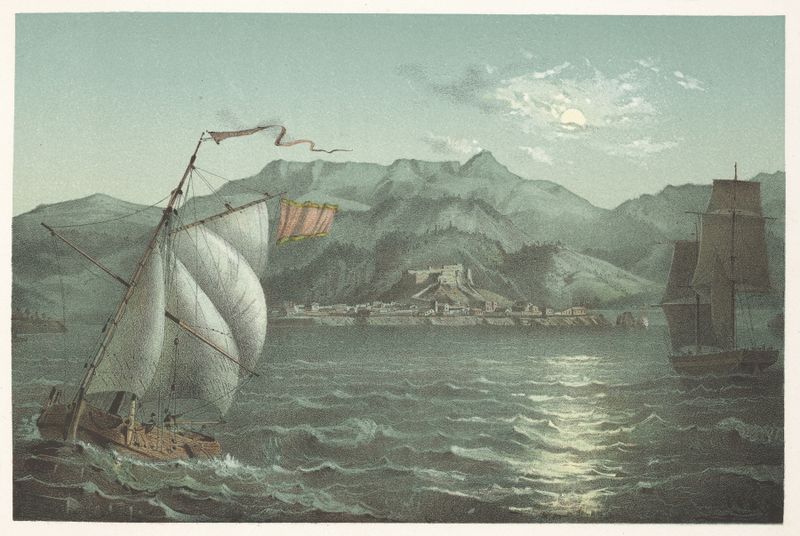
Vista genl. de la cuidad y montañas de Baracoa
Pierre Toussaint Frédéric Mialhe
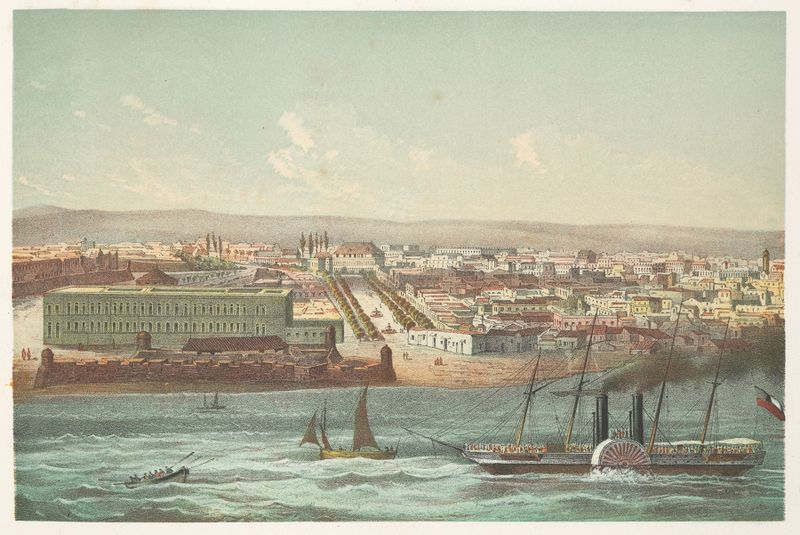
Vista de la Habana, parte de Estramuros
Pierre Toussaint Frédéric Mialhe

Vista de la Habana
Pierre Toussaint Frédéric Mialhe
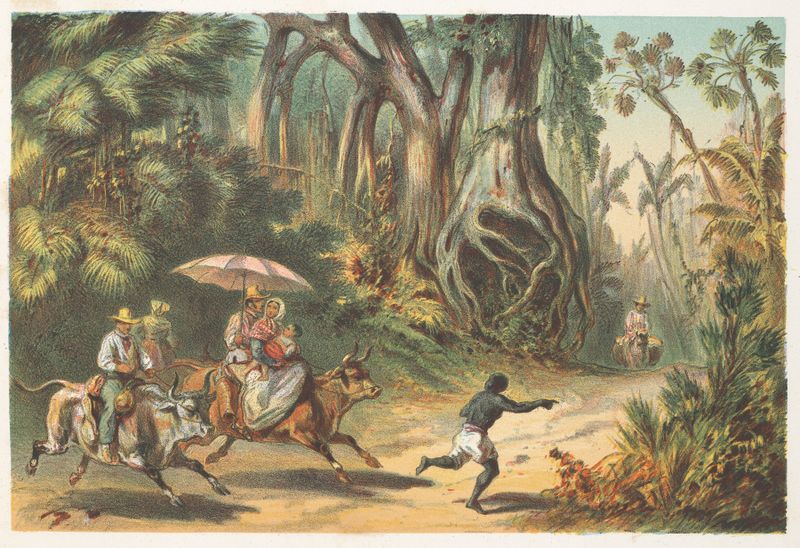
Cercanias de Baracoa
Pierre Toussaint Frédéric Mialhe
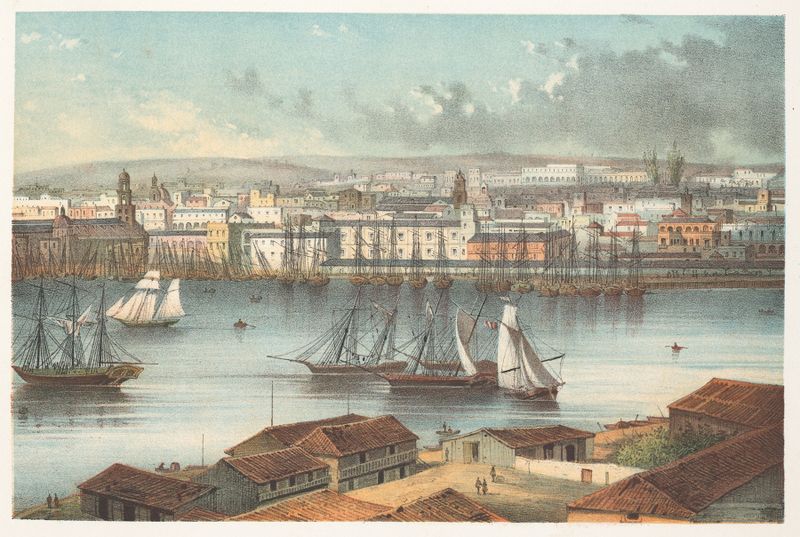
Habana
Pierre Toussaint Frédéric Mialhe
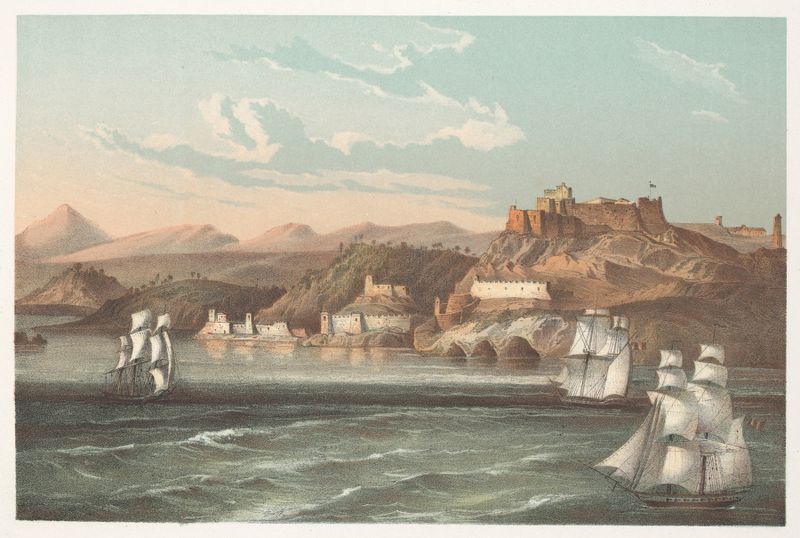
Morro y entrada del puerto de Santiago de Cuba
Pierre Toussaint Frédéric Mialhe
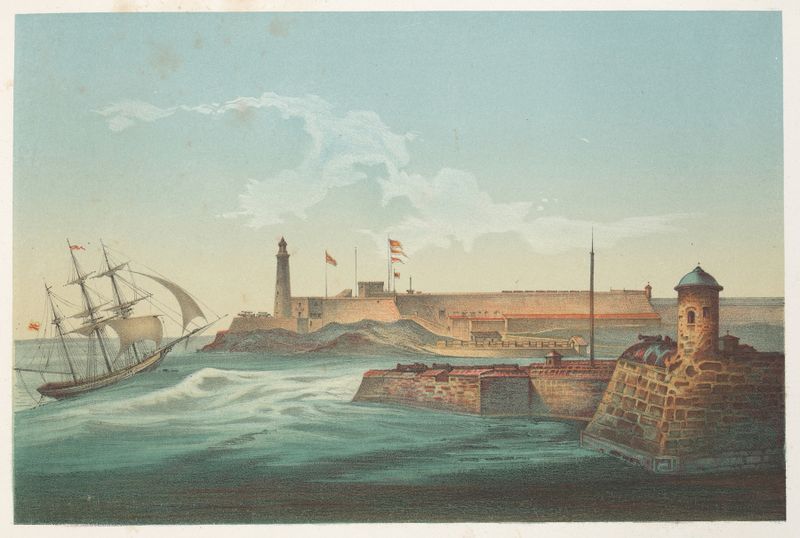
Morro y entrada puerto de la Habana
Pierre Toussaint Frédéric Mialhe
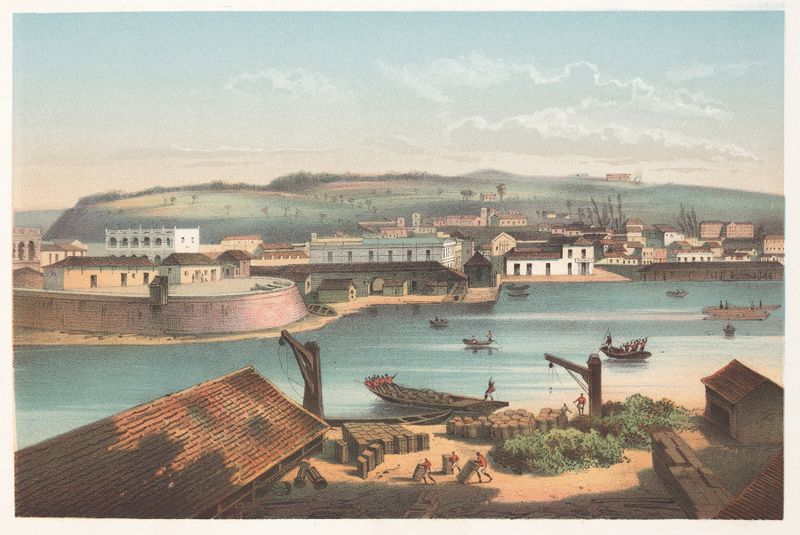
Matanzas
Pierre Toussaint Frédéric Mialhe

Alameda de Paula
Pierre Toussaint Frédéric Mialhe





