
Cercanias de Baracoa — History & Facts
Can beauty exist without sorrow? In Cercanias de Baracoa, a breathtaking landscape emerges, revealing a duality that captures both exuberance and melancholy. Look to the foreground where lush greenery sprawls across the canvas, inviting your gaze into a vibrant jungle alive with detail. Notice the interplay of light and shadow as it dances among the trees, drawing attention to the shimmering hues of emerald and deep ochre. The horizon, kissed by golden sunlit clouds, casts a warm glow over the scene, suggesting a world overflowing with life yet tinged with an underlying sense of nostalgia. Delve deeper, and you’ll find contrasts that speak to the soul.
The delicate balance between the rich fertility of the land and the looming mountains—barren, yet majestic—evokes the tension between creation and decay. Each brushstroke seems to whisper stories of those who have tread this path, hinting at the lives intertwined with this ecosystem. The serene beauty of nature here masks the complexities of existence, reflecting the divine quality of landscapes that witness both joy and sorrow. In 1855, while residing in Paris, the artist painted this piece during a time of burgeoning Romanticism and exploration.
Mialhe was deeply influenced by his travels and studies across the Caribbean, capturing the essence of a world often overlooked. As he translated his observations onto canvas, he navigated the intricacies of beauty, imbuing the landscape with a richness that speaks to both the divine and the human experience.
More Artworks by Pierre Toussaint Frédéric Mialhe
Browse all →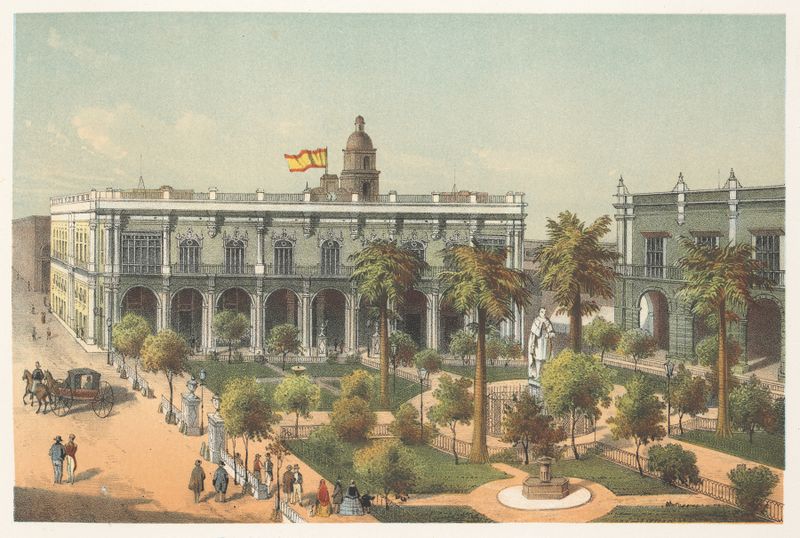
Plaza de Armas
Pierre Toussaint Frédéric Mialhe
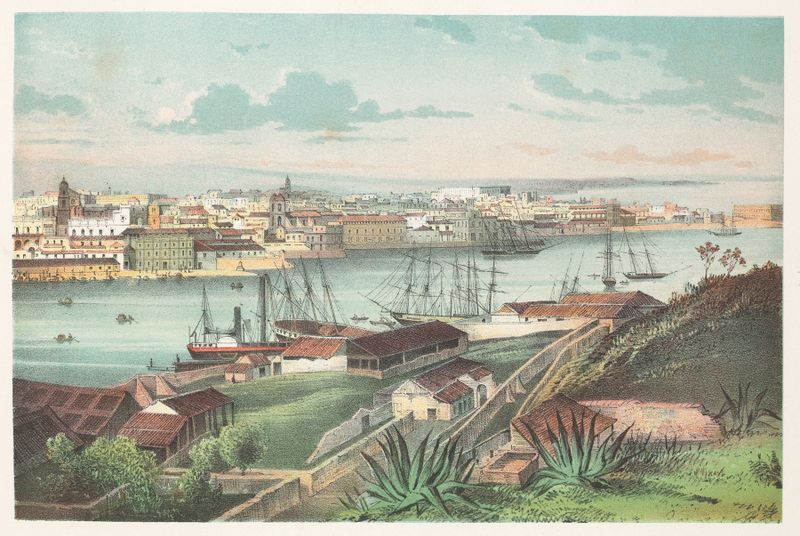
Habana.
Pierre Toussaint Frédéric Mialhe
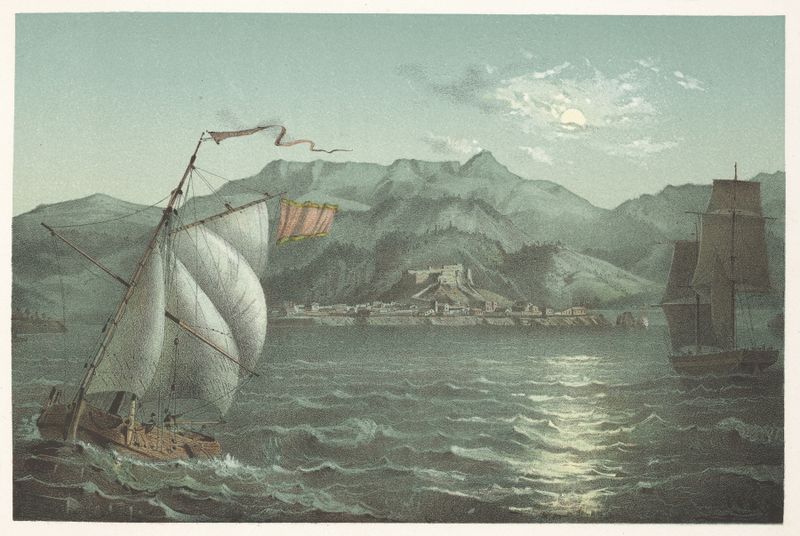
Vista genl. de la cuidad y montañas de Baracoa
Pierre Toussaint Frédéric Mialhe
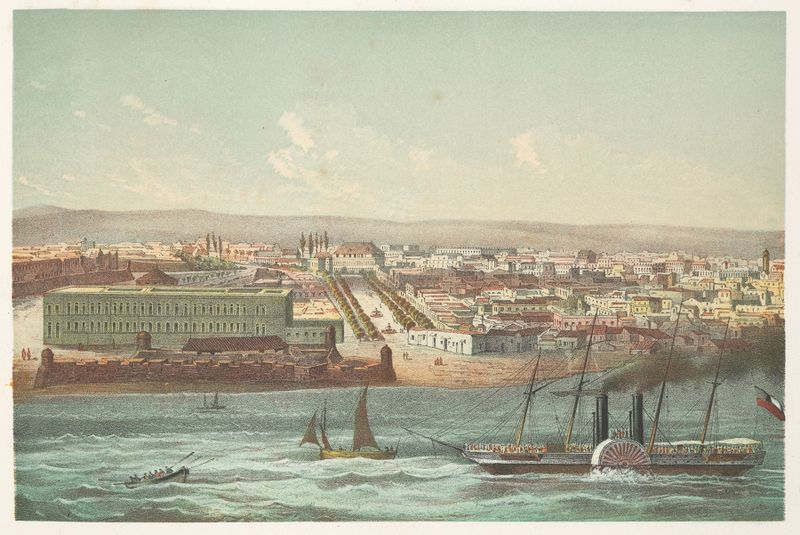
Vista de la Habana, parte de Estramuros
Pierre Toussaint Frédéric Mialhe

Vista de la Habana
Pierre Toussaint Frédéric Mialhe
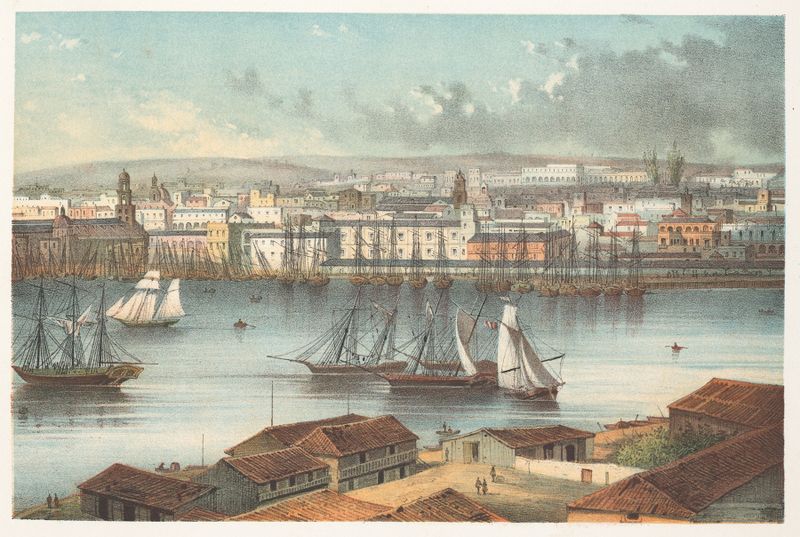
Habana
Pierre Toussaint Frédéric Mialhe
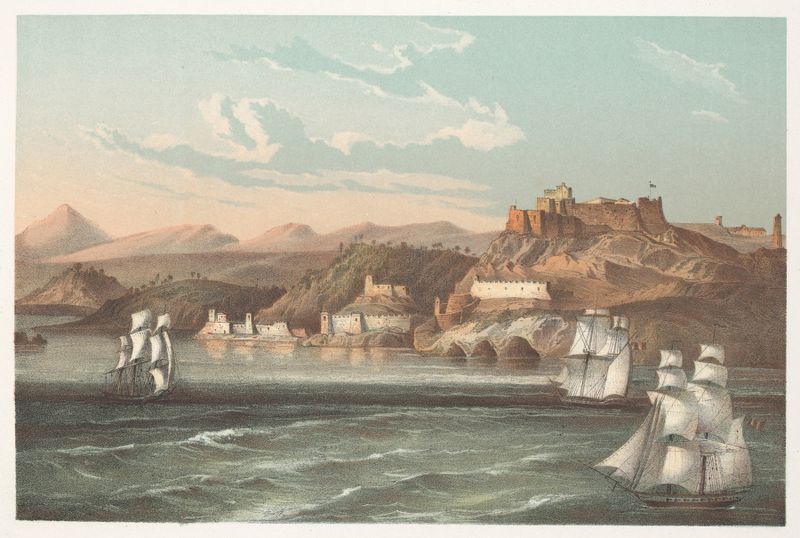
Morro y entrada del puerto de Santiago de Cuba
Pierre Toussaint Frédéric Mialhe
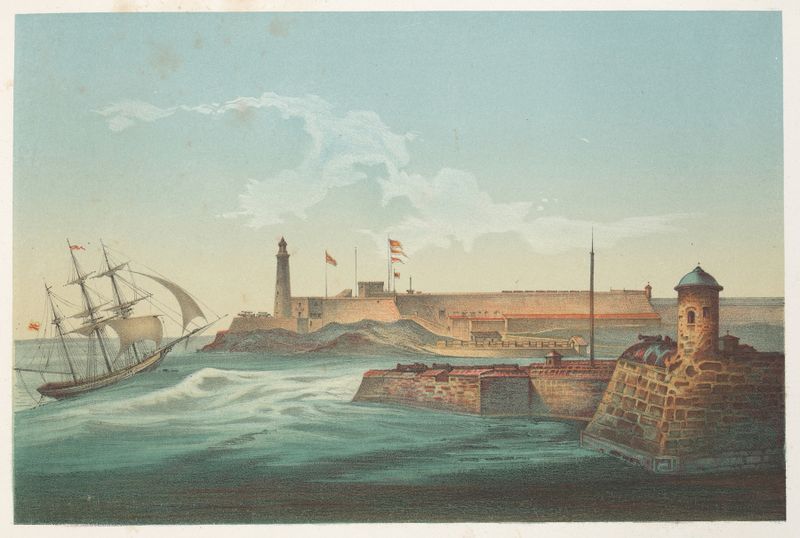
Morro y entrada puerto de la Habana
Pierre Toussaint Frédéric Mialhe
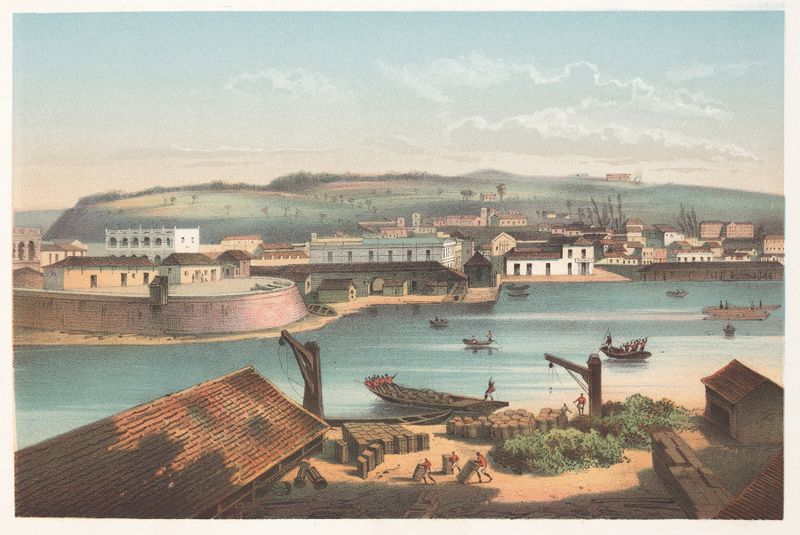
Matanzas
Pierre Toussaint Frédéric Mialhe

Alameda de Paula
Pierre Toussaint Frédéric Mialhe





