
Plaza de Armas — History & Facts
In Plaza de Armas, the essence of legacy dances through the vibrant colors and intricate details of the canvas. Here, a lively scene is captured, yet it transcends mere depiction to evoke a profound reflection on our history and heritage. Look to the center of the painting where figures converge, their dynamic postures creating a sense of movement amidst the static architecture. Notice how the warm hues of ochre and terracotta breathe life into the plaza, contrasting with the cool shadows that stretch across the cobblestones.
Frédéric Mialhe’s meticulous attention to the interplay of light and shade not only highlights the vibrancy of daily life but also hints at the deeper story of a community woven together through time. Delve into the subtleties, like the woman in white at the forefront whose gaze appears both hopeful and contemplative, suggesting a connection to the past that remains unbroken. The detailed structures enclosing the square symbolize stability amidst change, while the scattered foliage hints at nature’s resilience. In this gathering, the emotional tension between nostalgia and progress is palpable, inviting viewers to reflect on what is inherited and what is lost. Mialhe painted Plaza de Armas in 1855, during his time in Havana, capturing the spirit of a city in transition.
Influenced by Romanticism and the burgeoning realism of the period, he infused the work with a sense of place and identity. The mid-19th century was marked by both political upheaval and artistic exploration, as painters sought to document their environments and experiences, leaving behind legacies that would resonate through generations.
More Artworks by Pierre Toussaint Frédéric Mialhe
Browse all →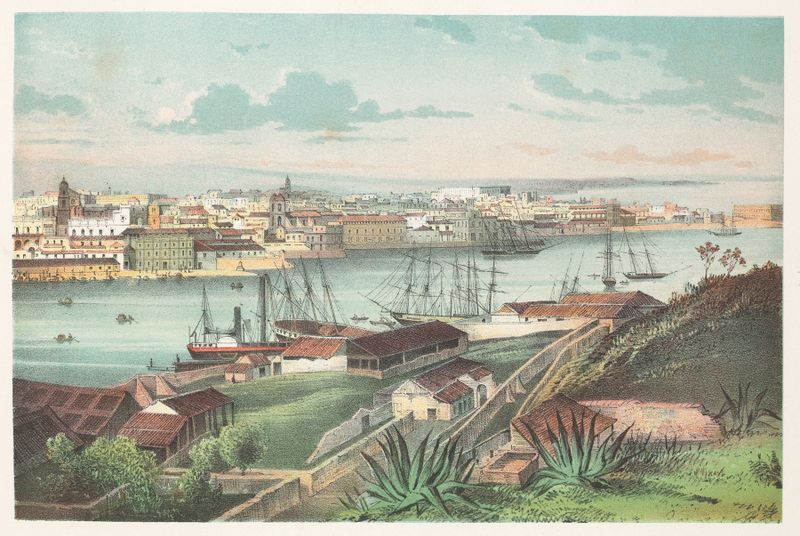
Habana.
Pierre Toussaint Frédéric Mialhe
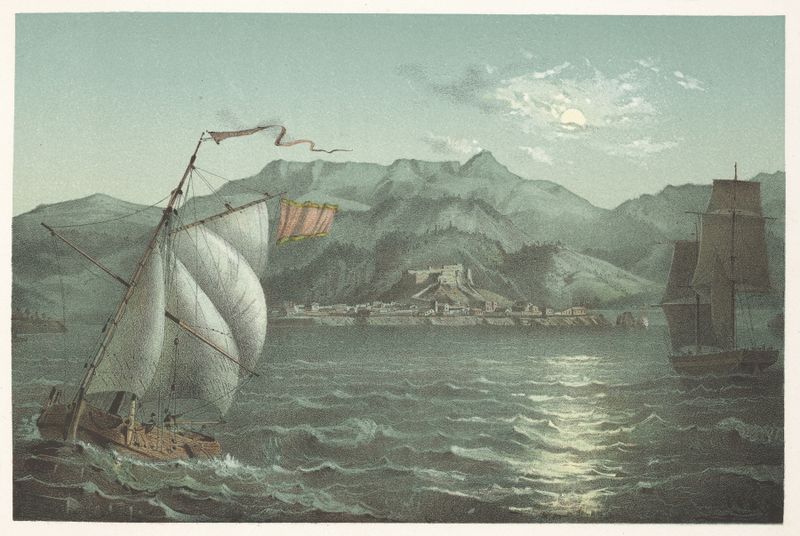
Vista genl. de la cuidad y montañas de Baracoa
Pierre Toussaint Frédéric Mialhe
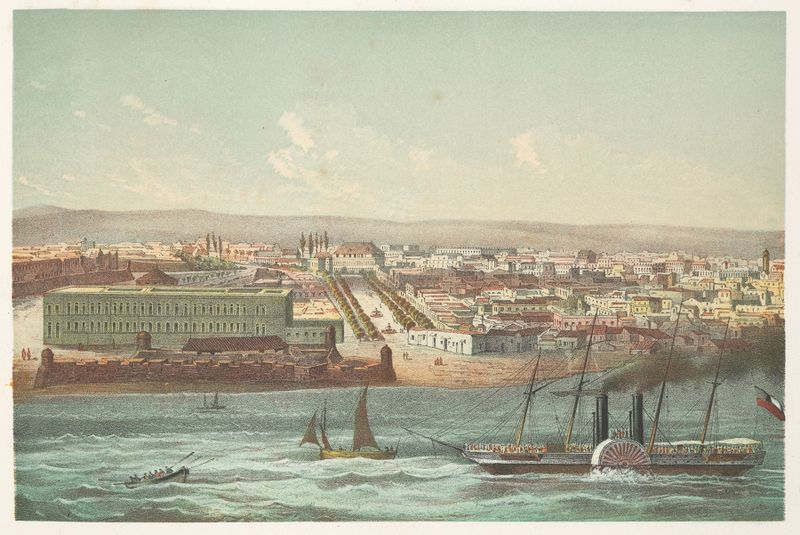
Vista de la Habana, parte de Estramuros
Pierre Toussaint Frédéric Mialhe

Vista de la Habana
Pierre Toussaint Frédéric Mialhe
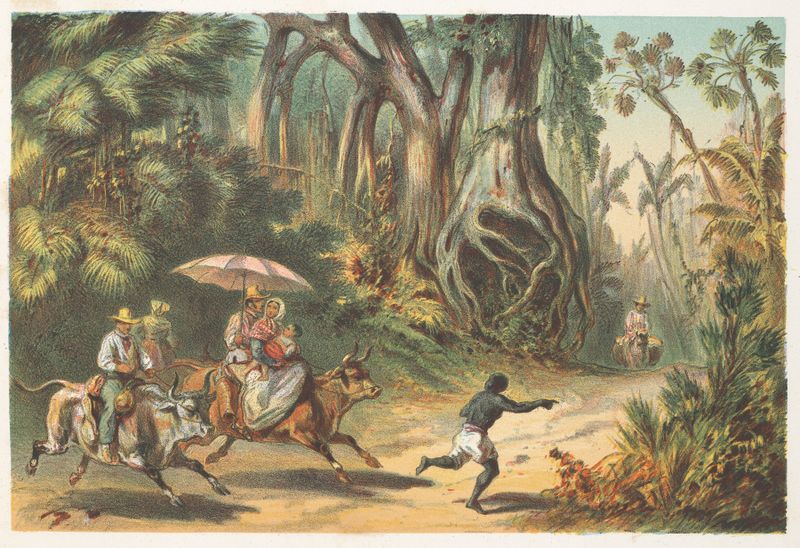
Cercanias de Baracoa
Pierre Toussaint Frédéric Mialhe
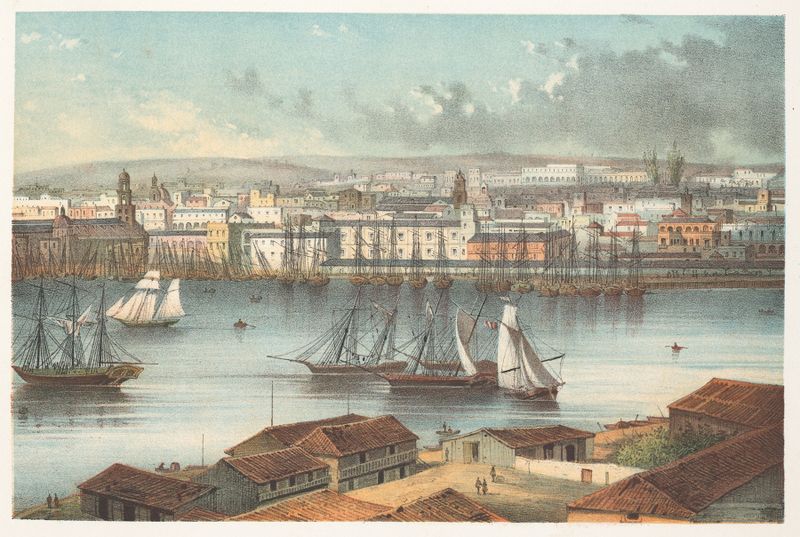
Habana
Pierre Toussaint Frédéric Mialhe
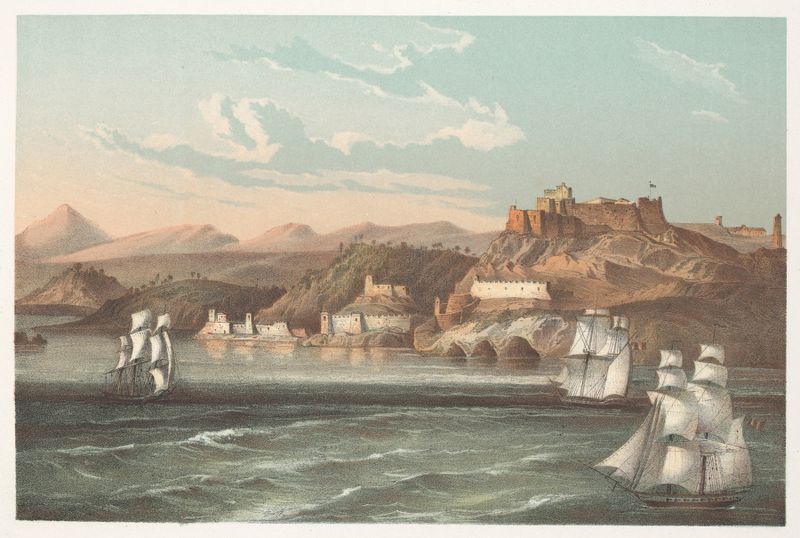
Morro y entrada del puerto de Santiago de Cuba
Pierre Toussaint Frédéric Mialhe
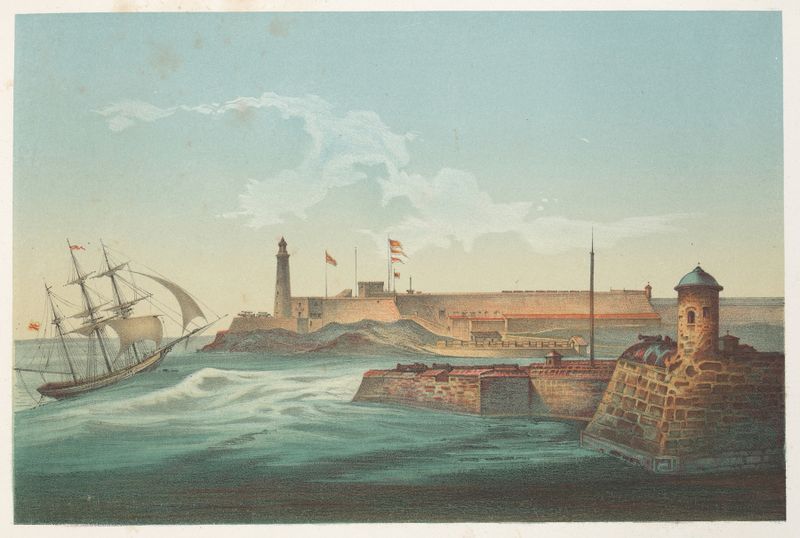
Morro y entrada puerto de la Habana
Pierre Toussaint Frédéric Mialhe
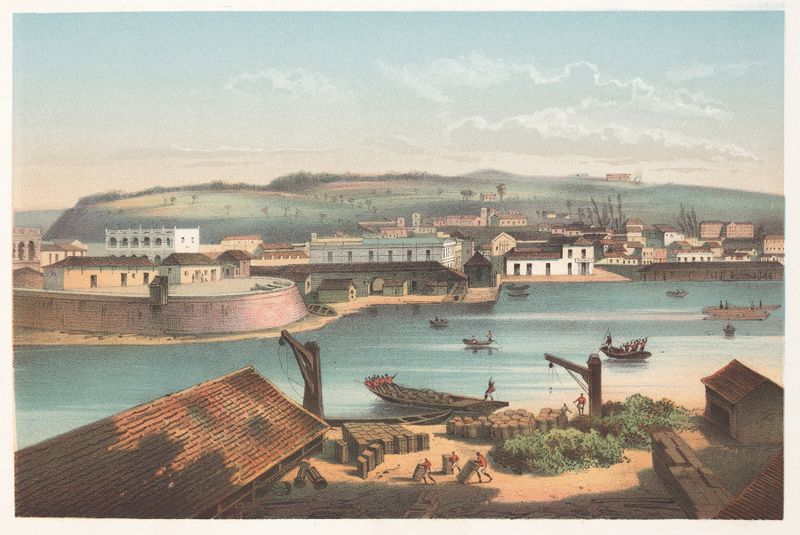
Matanzas
Pierre Toussaint Frédéric Mialhe

Alameda de Paula
Pierre Toussaint Frédéric Mialhe





