
Habana — History & Facts
When did color learn to lie? In the vibrant brushstrokes of the mid-19th century, the very essence of movement dances across the canvas, inviting viewers to question the authenticity of their perception. Focus on the intricate details that spill across the artwork, your gaze drawn first to the lively palette of reds and yellows swirling in the foreground. Notice how the figures emerge from the color, their forms fluid and dynamic, as if caught mid-motion in a bustling Habana scene. The artist’s deft hand captures the interplay of light and shadow, creating depth and vibrancy that pulls you into the heart of the action.
Your eyes wander through the tableau, tracing the lines of the architecture that frame the figures, anchoring the chaos of life against the eternal backdrop of the city. Within this lively depiction, the tension between tradition and progress is palpable. The contrasting figures — some clad in historical garments while others wear contemporary attire — encapsulate a moment caught between the old and the new. The movement portrayed is not just physical; it reflects the societal shifts of the time, an embodiment of cultural evolution set against the contrasting stillness of the buildings that loom over the scene.
Each brushstroke communicates a narrative of change, urging the observer to contemplate the stories behind the faces. In 1855, while painting in the Caribbean, Frédéric Mialhe navigated a world rich with tradition yet teetering on the brink of modernization. His work emerged amidst a growing interest in capturing local culture and landscapes, influenced by the Romantic movement and the burgeoning interest in realism. This period marked a shift as artists sought to convey the vibrancy of their surroundings, merging personal experience with broader societal themes, ensuring that his depiction of Habana remains a compelling exploration of movement and identity.
More Artworks by Pierre Toussaint Frédéric Mialhe
Browse all →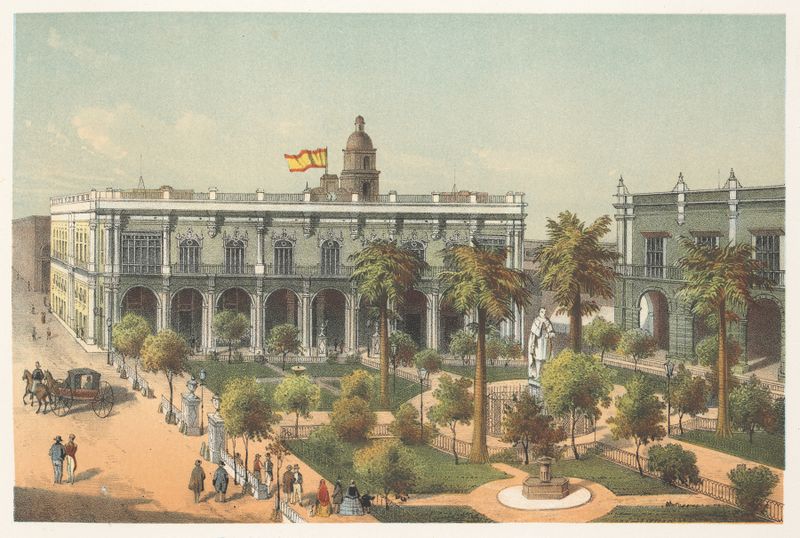
Plaza de Armas
Pierre Toussaint Frédéric Mialhe
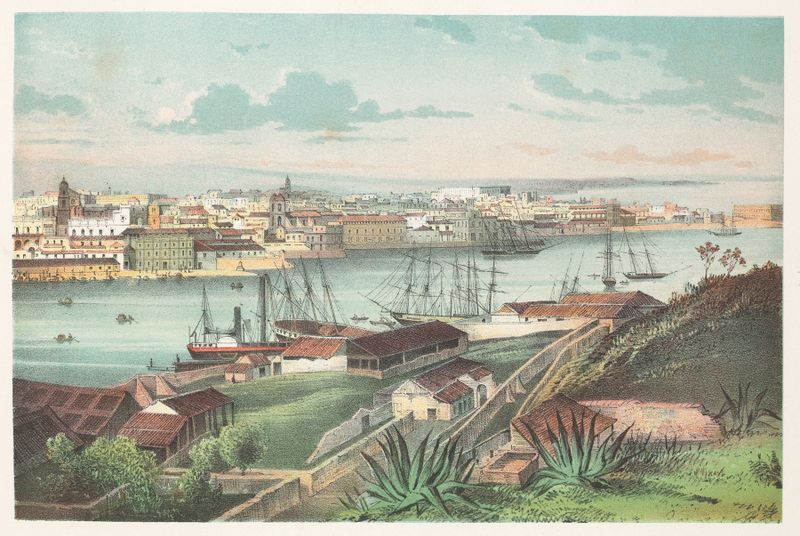
Habana.
Pierre Toussaint Frédéric Mialhe
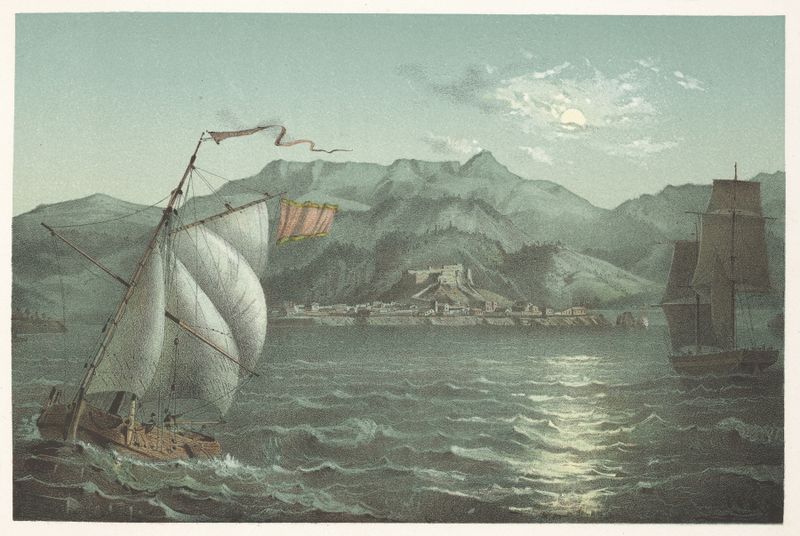
Vista genl. de la cuidad y montañas de Baracoa
Pierre Toussaint Frédéric Mialhe
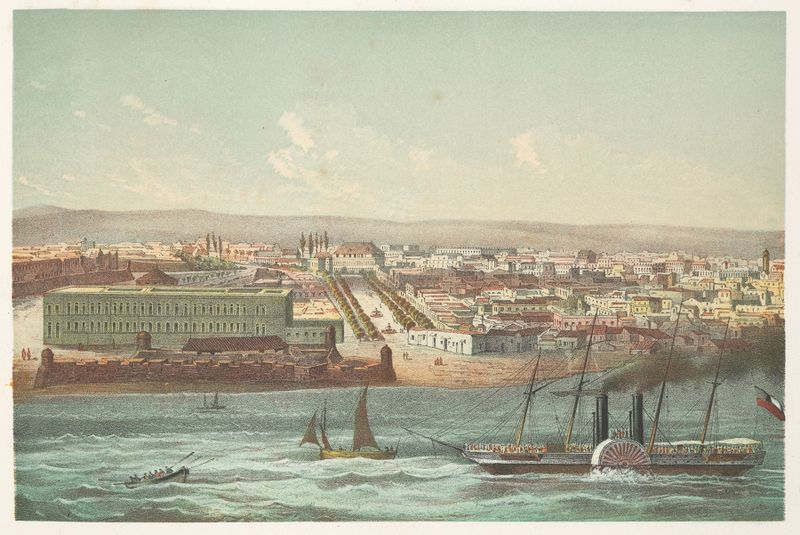
Vista de la Habana, parte de Estramuros
Pierre Toussaint Frédéric Mialhe

Vista de la Habana
Pierre Toussaint Frédéric Mialhe
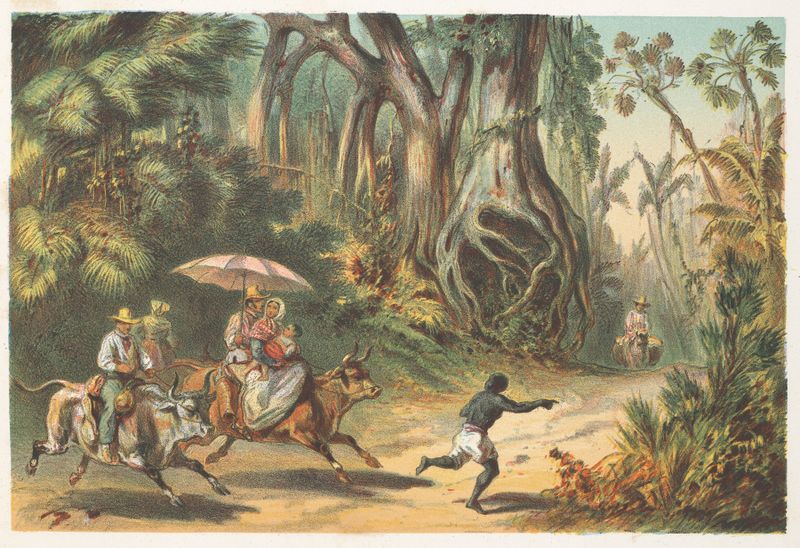
Cercanias de Baracoa
Pierre Toussaint Frédéric Mialhe
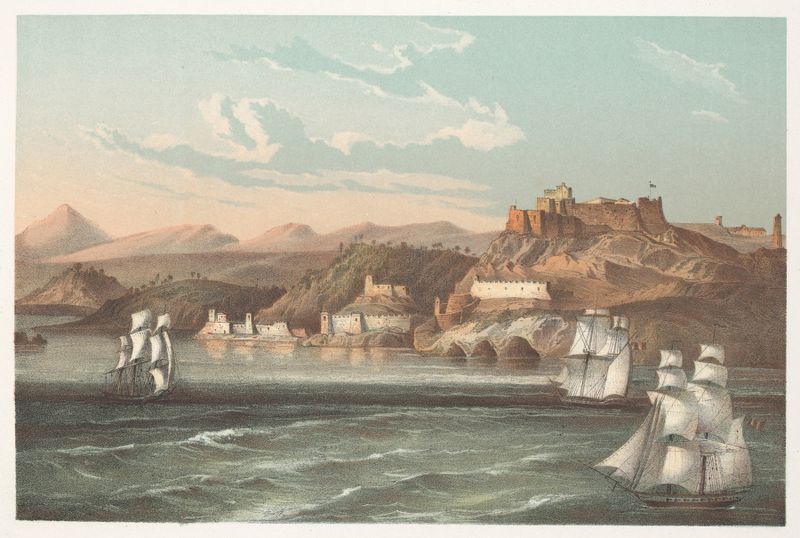
Morro y entrada del puerto de Santiago de Cuba
Pierre Toussaint Frédéric Mialhe
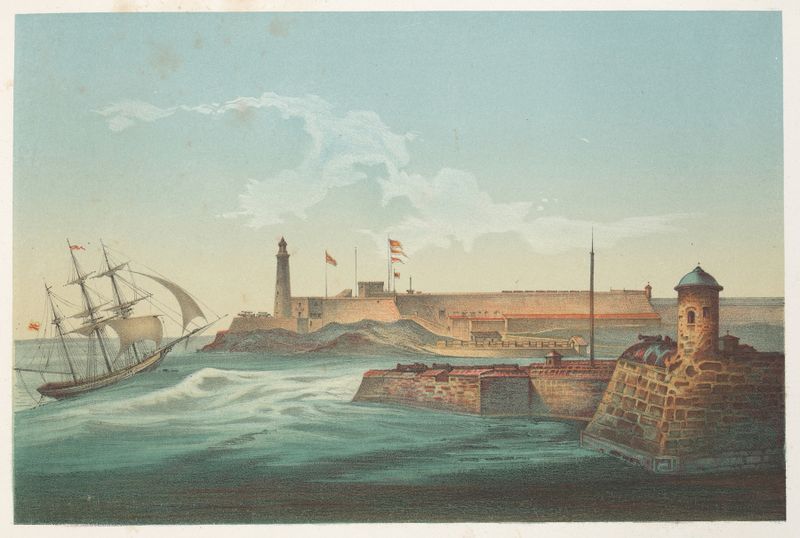
Morro y entrada puerto de la Habana
Pierre Toussaint Frédéric Mialhe
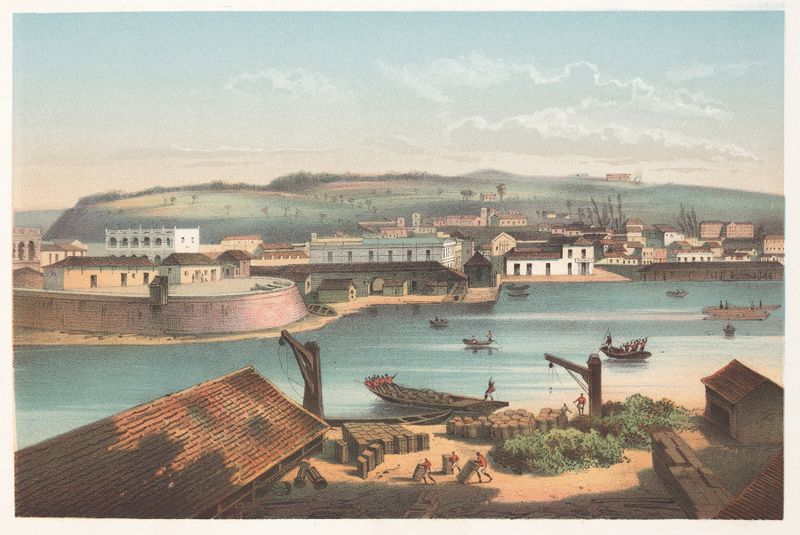
Matanzas
Pierre Toussaint Frédéric Mialhe

Alameda de Paula
Pierre Toussaint Frédéric Mialhe





