
Albert (Paul Besnard dit) Esquisse pour la mairie du 19ème arrondissement de la Ville de Paris , L'Eté — History & Facts
A theatrical frame-within-a-frame draws the viewer into L'Eté, where Albert Besnard invites us to look twice: first at the world of mythic summer, then at the act of looking itself. At the center, a loosely sketched gathering of figures—some seated, some standing—seems to hum with the warmth of close company, their gestures relaxed and familiar. But it’s the foreground that unsettles and intrigues: a reclining woman, draped in a cloth patterned like sunlight on ripe fields, glances back at us, her gaze direct and knowing.
Beside her, a mask with wild, harvest-like features stares out, blurring the line between festival and ritual, reality and performance. The palette is sun-bleached, the brushwork unfinished, as if the season itself resists being pinned down. Painted in 1880, this sketch belongs to the world of late nineteenth-century Paris, when allegories of the seasons adorned civic spaces and artists like Besnard were called to imagine the spirit of an age. Such works were often destined for public buildings—here, the mairie of the 19th arrondissement—where allegory and celebration met everyday life.
The fruits and wheat, the mask, and the languid pose all speak to a time when summer meant abundance, festivity, and a touch of the pagan past. History has kept few traces of this particular sketch’s journey, but its place in the Paris Musées collection today lets us glimpse the ambitions and pleasures of a city eager to celebrate itself through art. Look again at the woman’s sidelong glance: she seems to ask what summer means to you.
More Artworks by Albert Besnard
Woman's Head
Albert Besnard
The Siesta
Albert Besnard
View of Rome with the Vittorio Emanuele II Monument in the distance, at sunset
Albert Besnard
Albert (Paul Besnard dit) La Mystique, esquisse de la composition d'ensemble
Albert Besnard
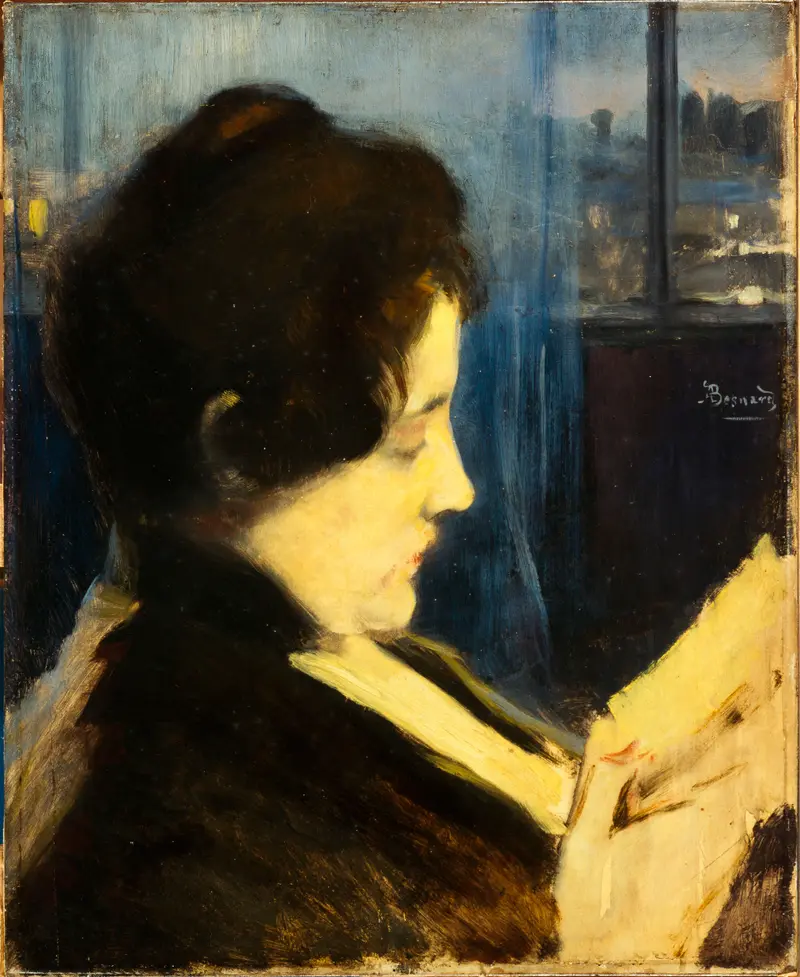
Charlotte Besnard c.
Albert Besnard
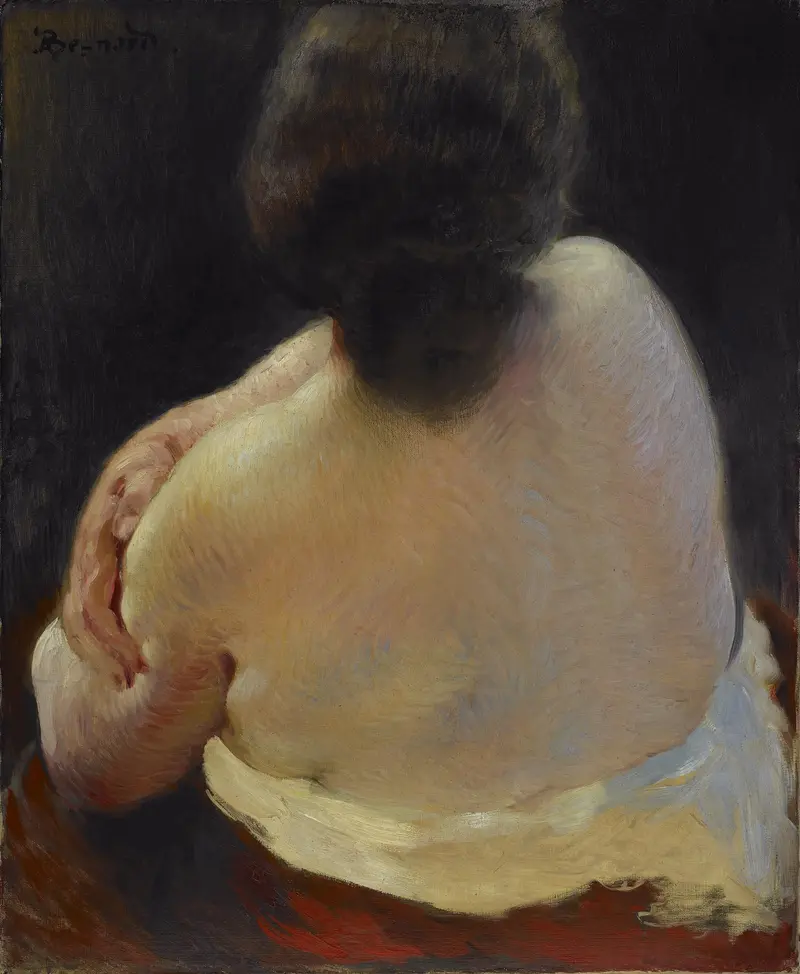
Back of a Woman, Study
Albert Besnard
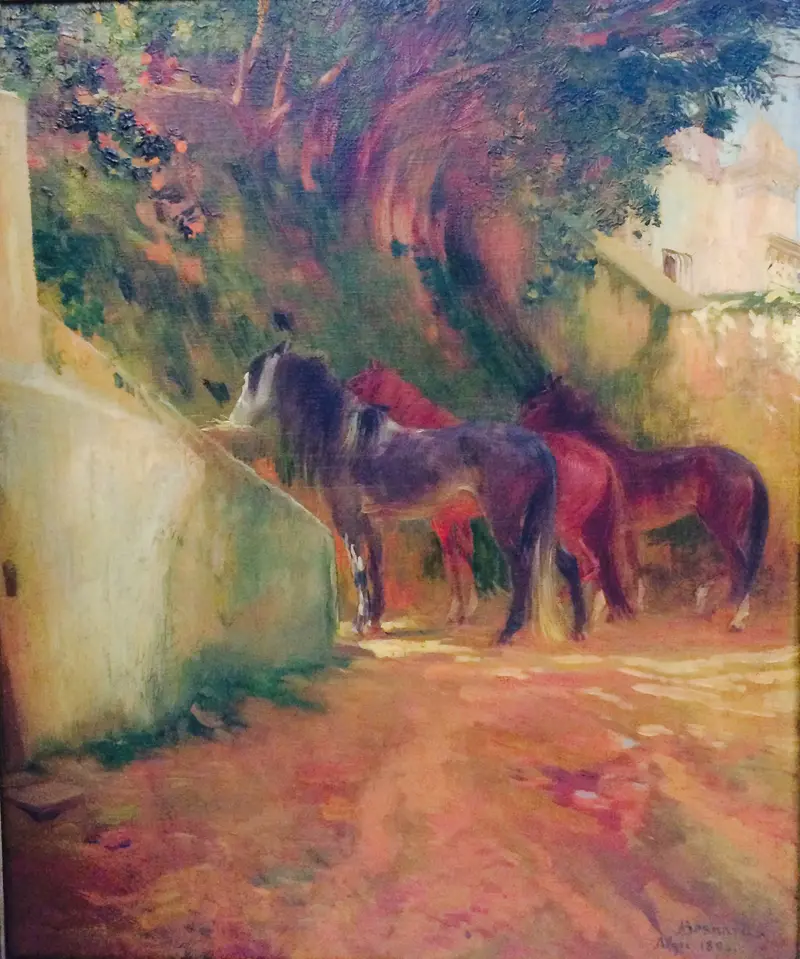
Horses
Albert Besnard
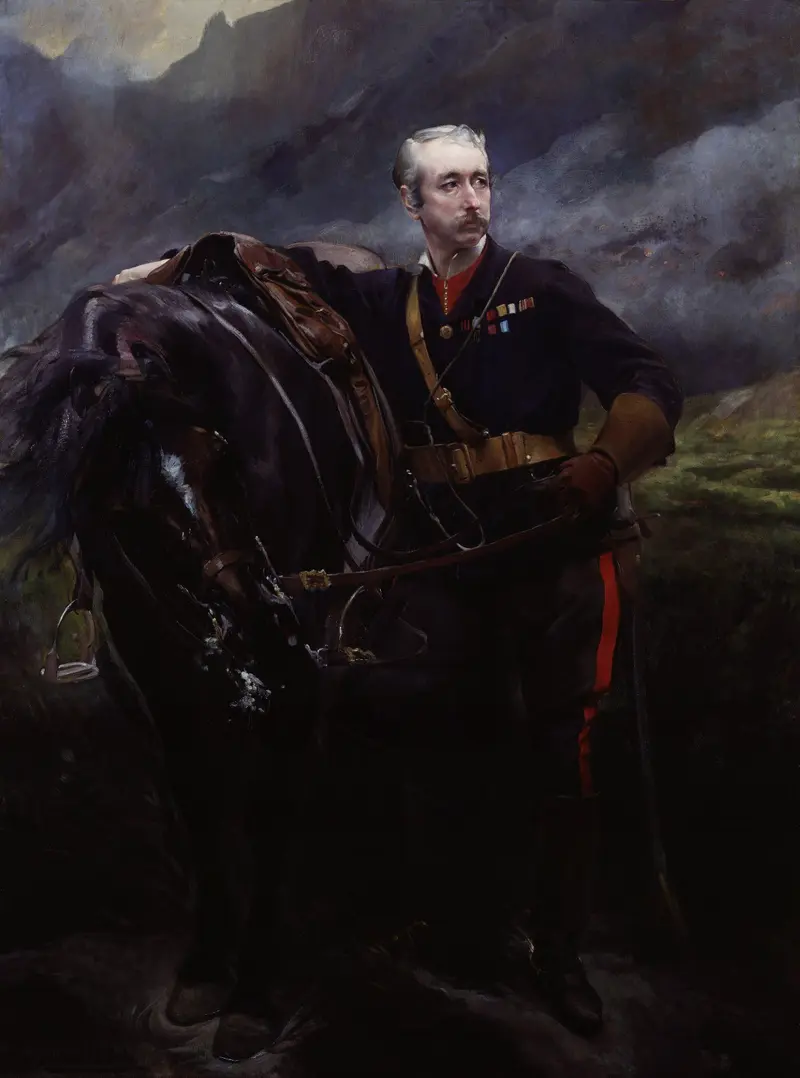
Garnet Joseph Wolseley, 1st Viscount Wolseley
Albert Besnard
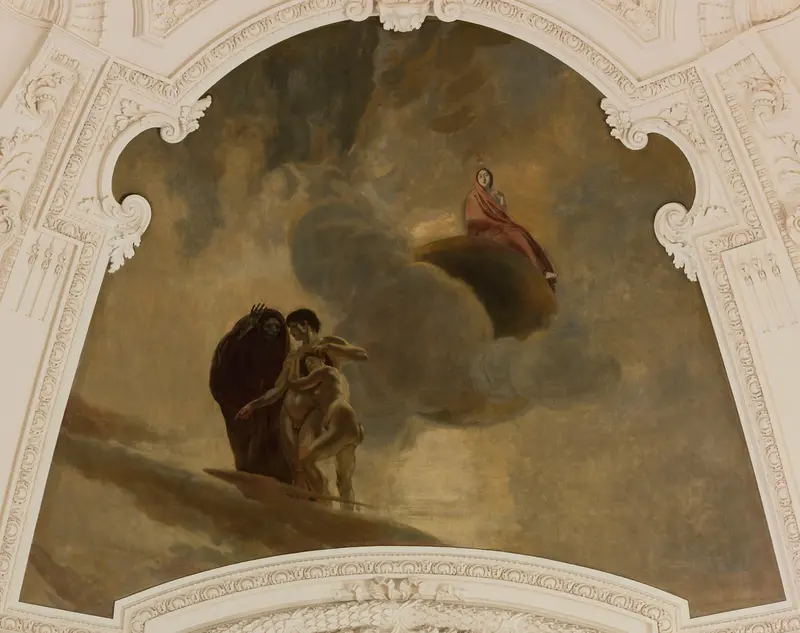
Besnard La Pensée DECOP00A(04) Petit Palais 01
Albert Besnard
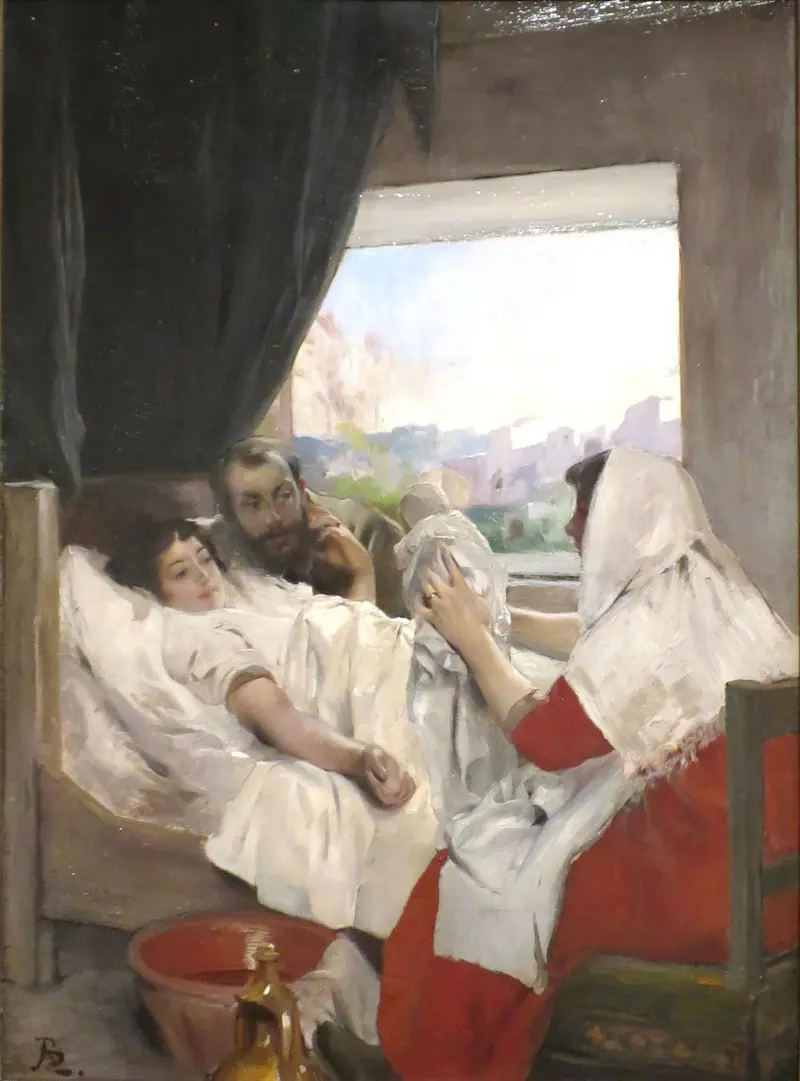
The First Morning (Albert and Charlotte Dubray Besnard and their Son, Robert)
Albert Besnard





