
Alej — History & Facts
What if silence could speak through light? In the absence of sound, the eerie glow emphasizes unspoken truths, whispering the heavy burden of betrayal. Look to the center of the canvas, where a solitary figure stands bathed in a haunting luminescence. The soft interplay of light and shadow exposes the contours of the subject's face, revealing an expression that straddles the line between hope and desolation. Notice how the cool palette, dominated by blues and grays, envelops the scene, accentuating the emotional depth and isolating the figure from any surrounding context. Delve deeper into the painting, and you’ll find the subtle interplay of elements that hint at hidden narratives.
The figure’s posture—slightly hunched, as if shouldering an unseen weight—suggests an inner turmoil stirred by betrayal. The faint reflections in the background may represent lost connections, evoking a sense of nostalgia and longing that permeates the work. Each brushstroke seems deliberate, conveying a poignant contrast between the stark reality of the figure's isolation and the ethereal beauty of the light that surrounds them. Karol Miloslav Lehotský executed this piece between 1920 and 1925, a time when Europe was recovering from the scars of World War I.
As he navigated the complexities of post-war society, his artistic exploration took on a deeper resonance, reflecting his own struggles and the universal themes of loss and emotional conflict. The choices he made in this artwork resonate with the broader artistic movements of the era, including the rise of expressionism, as he sought to convey profound human experiences through stark visual language.
More Artworks by Karol Miloslav Lehotský
Browse all →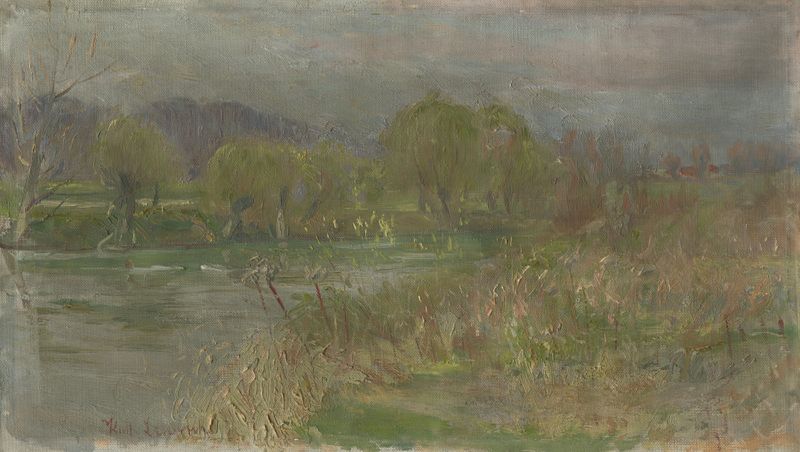
Landscape with a Swamp
Karol Miloslav Lehotský
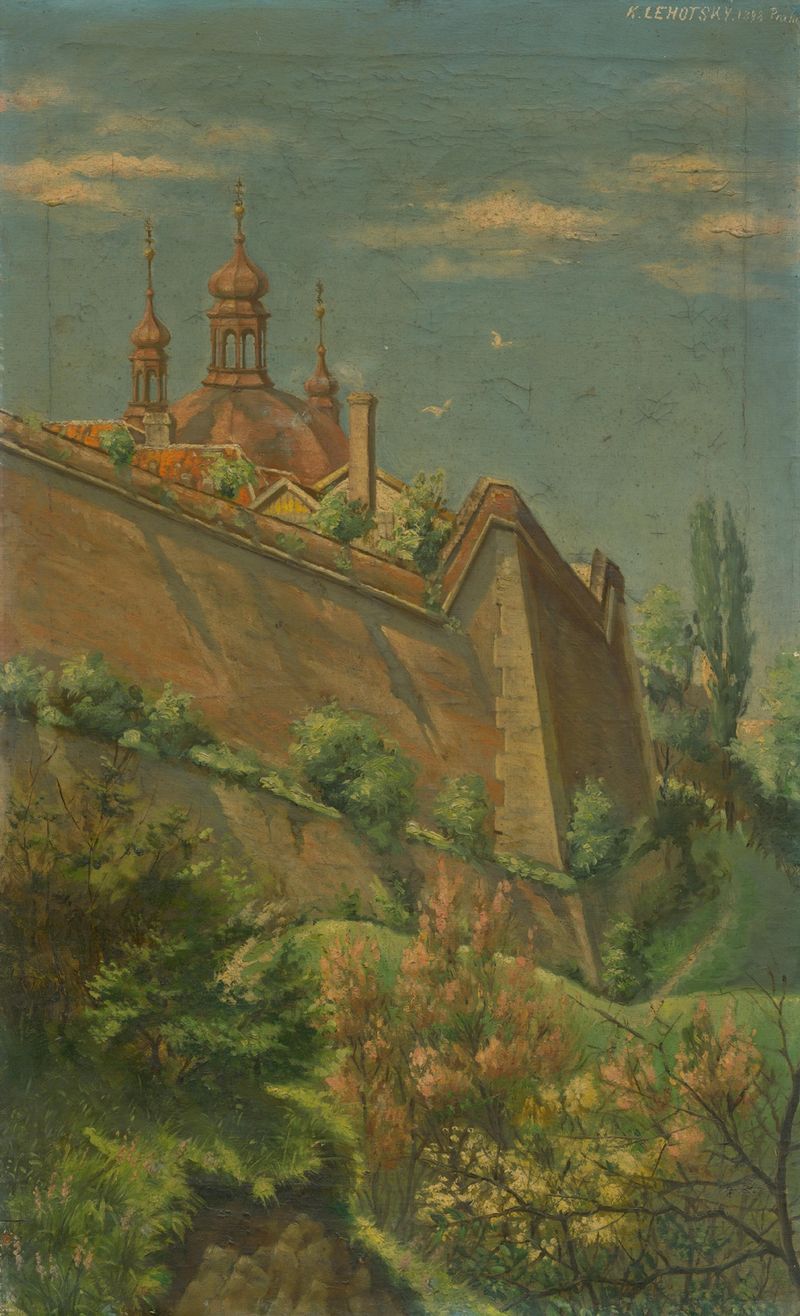
Prague – Karlov
Karol Miloslav Lehotský
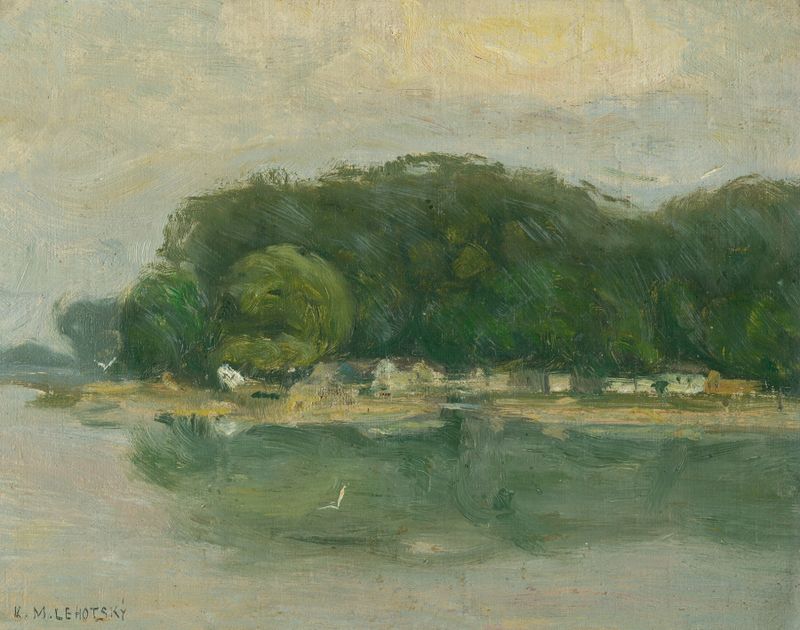
Petržalka Bank from the Danube
Karol Miloslav Lehotský
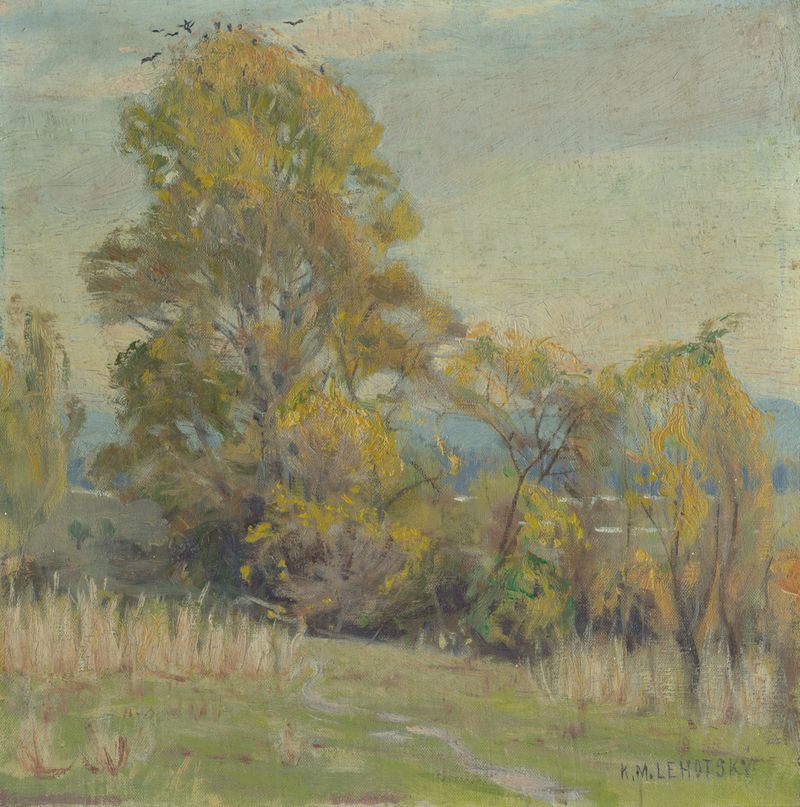
Autumn Landscape
Karol Miloslav Lehotský
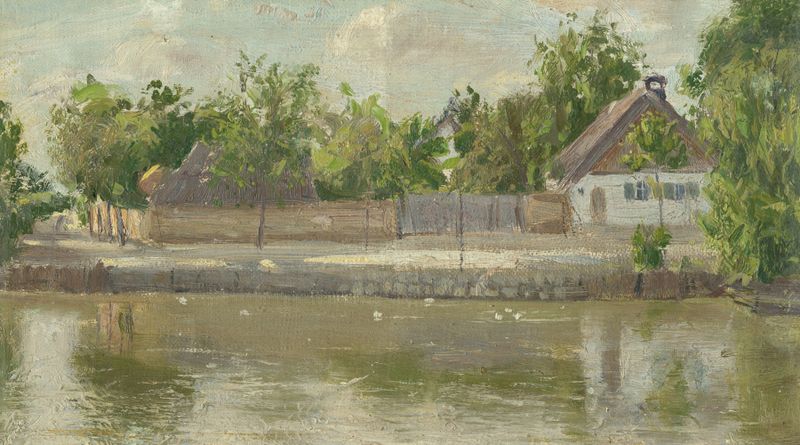
A Village Brook
Karol Miloslav Lehotský
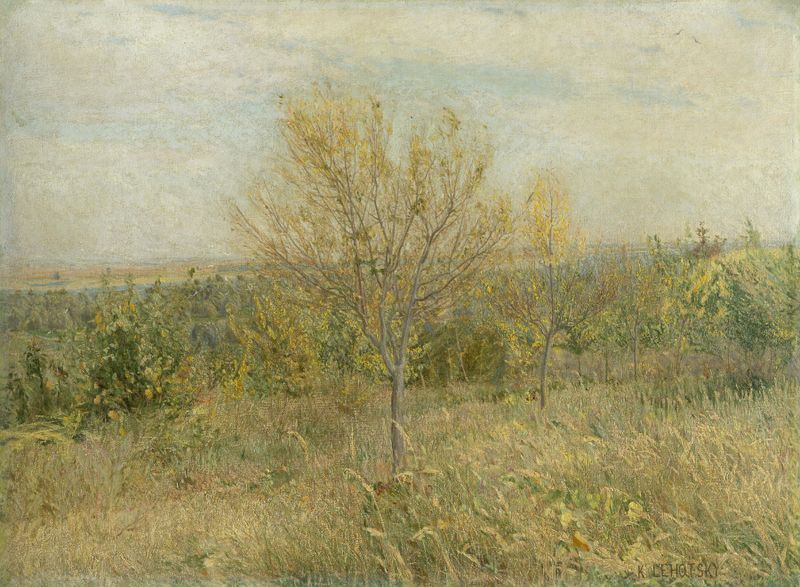
Autumn Landscape
Karol Miloslav Lehotský
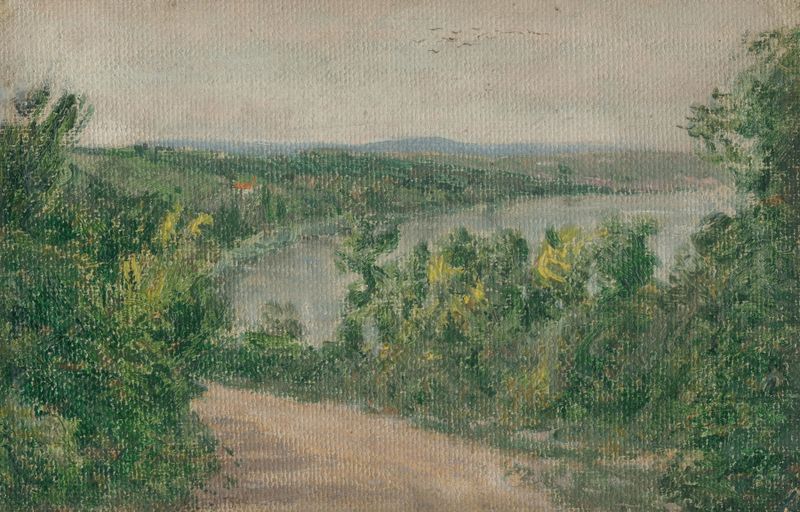
Landscape from the Basin of the Danube
Karol Miloslav Lehotský
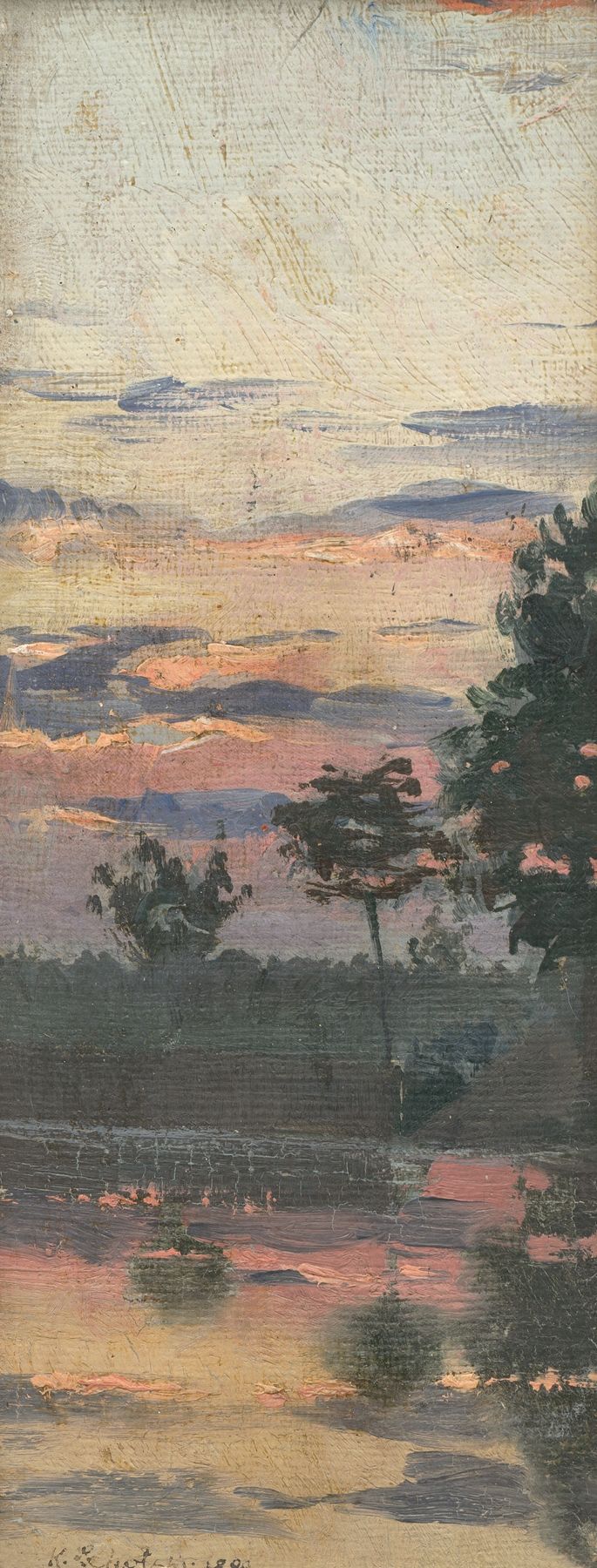
Study of an Early Evening Landscape
Karol Miloslav Lehotský
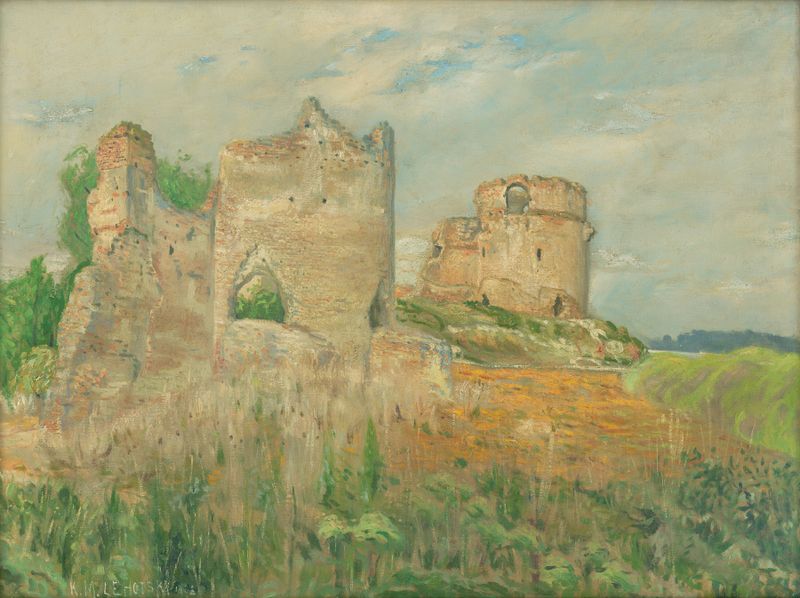
Ruins of Báč Castle
Karol Miloslav Lehotský
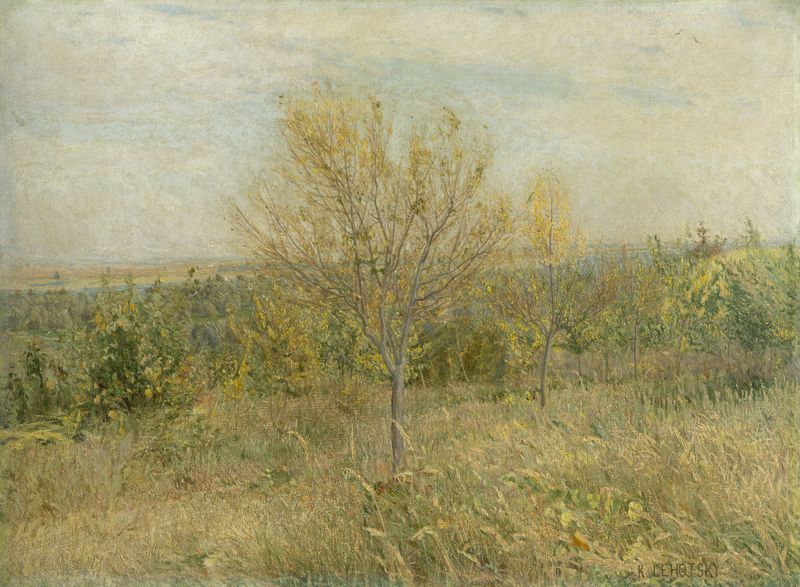
Autumn Landscape
Karol Miloslav Lehotský
More Portrait Art
Browse all →
Las meninas
Diego Velázquez

Self-portrait with a Bandaged Ear and Pipe
Unidentified artist

Girl with a Pearl Earring
Johannes Vermeer

The Sampling Officials of the Amsterdam Drapers’ Guild, Known as ‘The Syndics’
Rembrandt van Rijn

The Hundred Guilder Print: the man seen on the back in the lower left corner
Rembrandt van Rijn

Portrait of Dr Gachet
Vincent van Gogh