Allegorie met het wapenschild van het keizerrijk en twee wapenschilden van de stad Neurenberg — History & Facts
In an age where the divine and the mundane often collide, every brushstroke becomes a testament to the transcendent spirit woven into the fabric of existence. Look closely at the center of the canvas, where the imperial coat of arms stands proud, surrounded by the shields of Nuremberg. The intricate detailing reveals Dürer’s mastery; notice the vibrant reds and golds that shimmer against a muted background. The heraldic elements are not merely symbols but a dialogue between power and protection, each curve and line meticulously rendered to draw the eye and engage the mind. As you explore further, consider the juxtaposition of the divine insignia with the city shields.
This interplay suggests a tension between the celestial authority of the empire and the grounded reality of urban life. The subtle use of shadow adds depth, inviting contemplation on the weight of legacy and the burden of tradition, while the heavenly aura encapsulating the arms evokes a divine endorsement of earthly governance. Created in 1521, this piece reflects Dürer’s keen interest in the fusion of art, mathematics, and spirituality. Living in Nuremberg, a city buzzing with artistic and intellectual fervor, he painted during a time when the Northern Renaissance was flourishing.
This work exemplifies his role in conveying complex ideas through visual means, rooted in a society grappling with change and the emergence of humanist thought.
More Artworks by Albrecht Dürer
Browse all →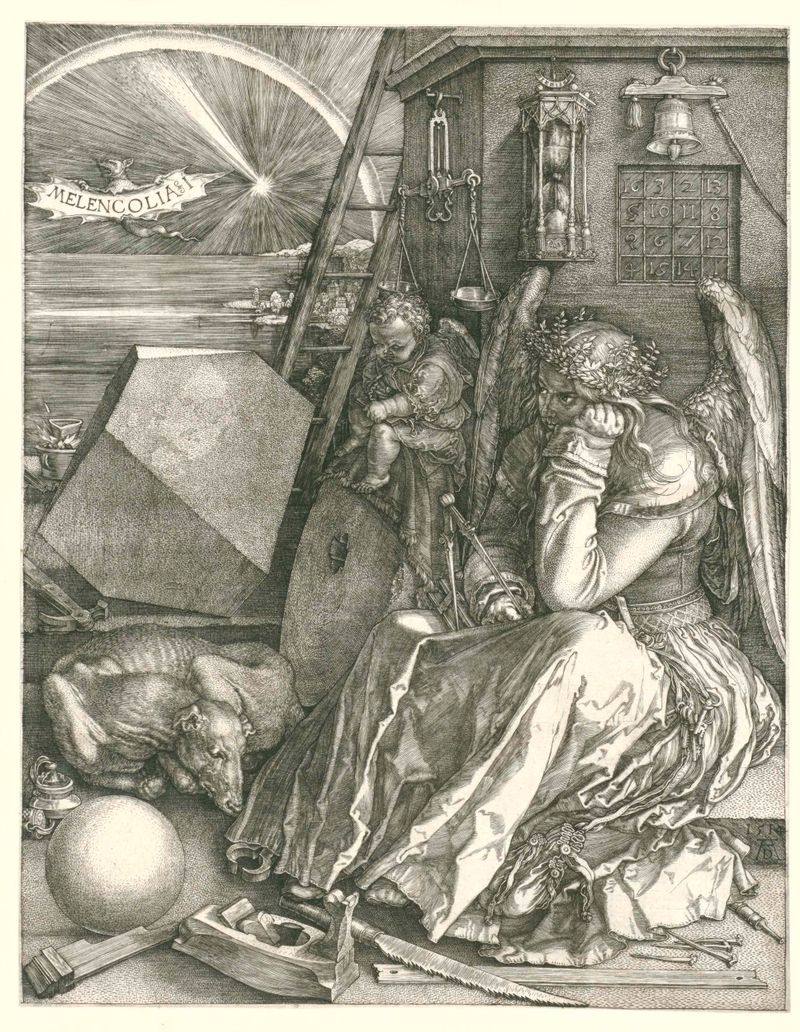
Melancholia
Albrecht Dürer
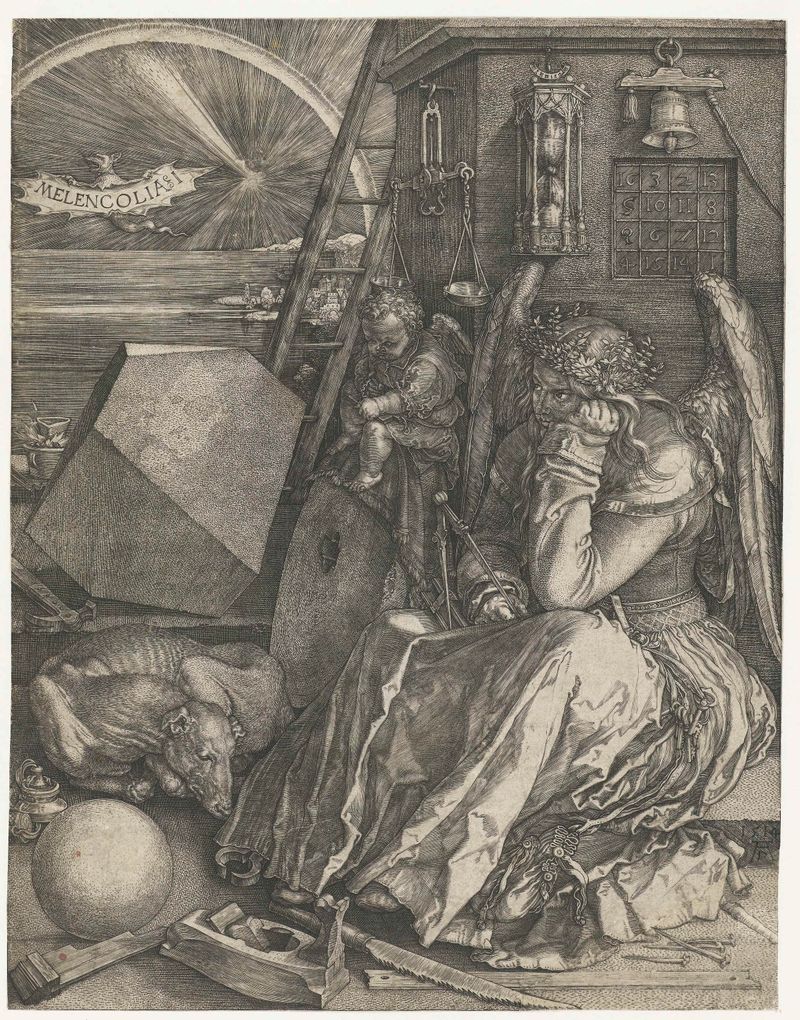
Melancholie
Albrecht Dürer

Neushoorn
Albrecht Dürer
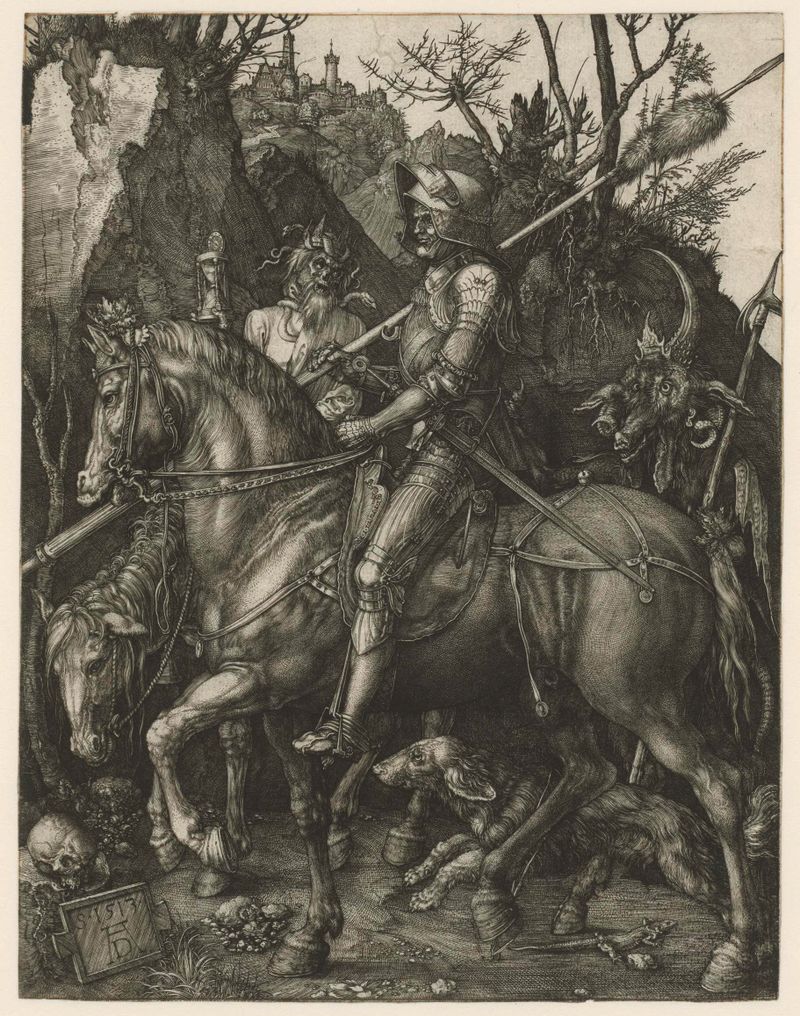
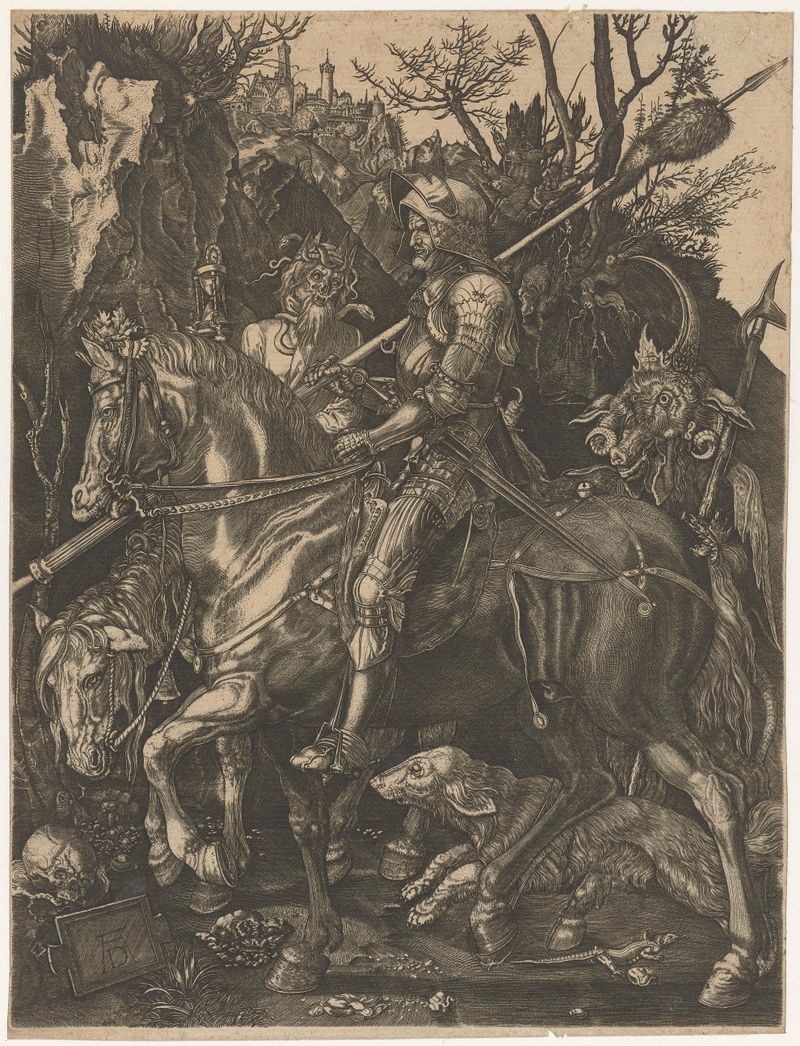
Knight, Death, and the Devil
Albrecht Dürer

De vier ruiters van de apocalyps
Albrecht Dürer

De vier ruiters van de apocalyps
Albrecht Dürer
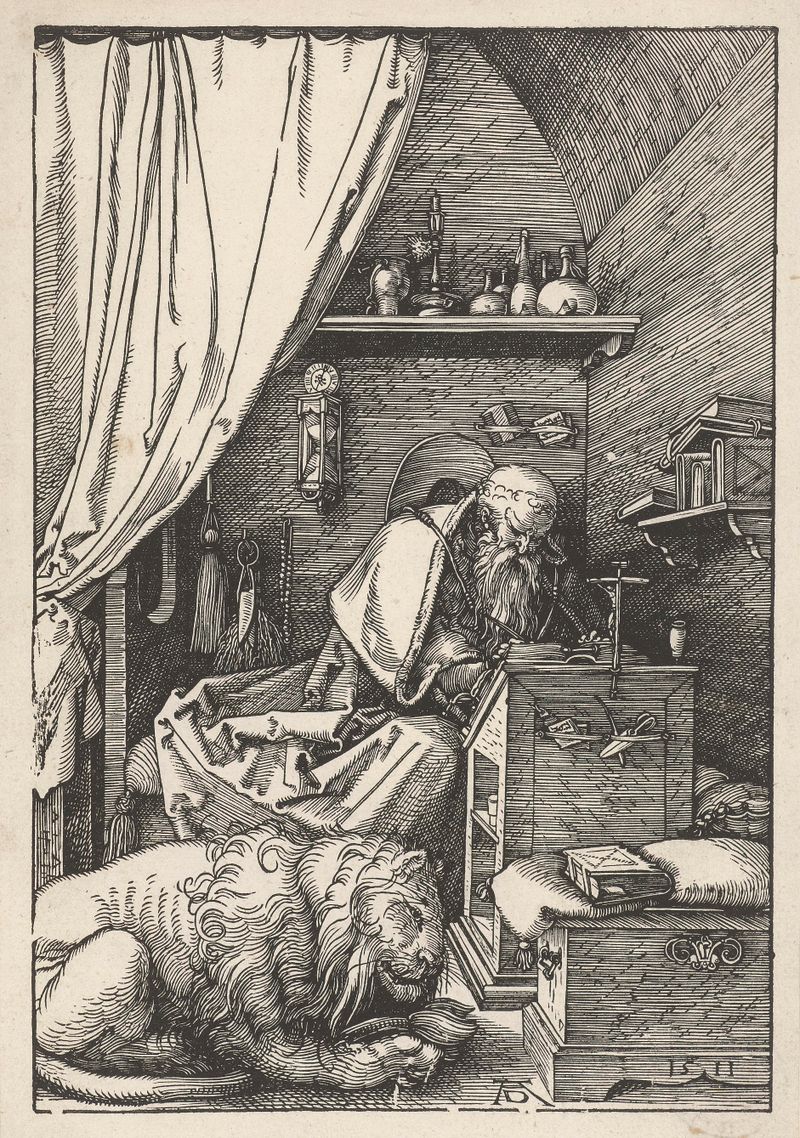
De Heilige Hiëronymus in zijn studeervertrek
Albrecht Dürer
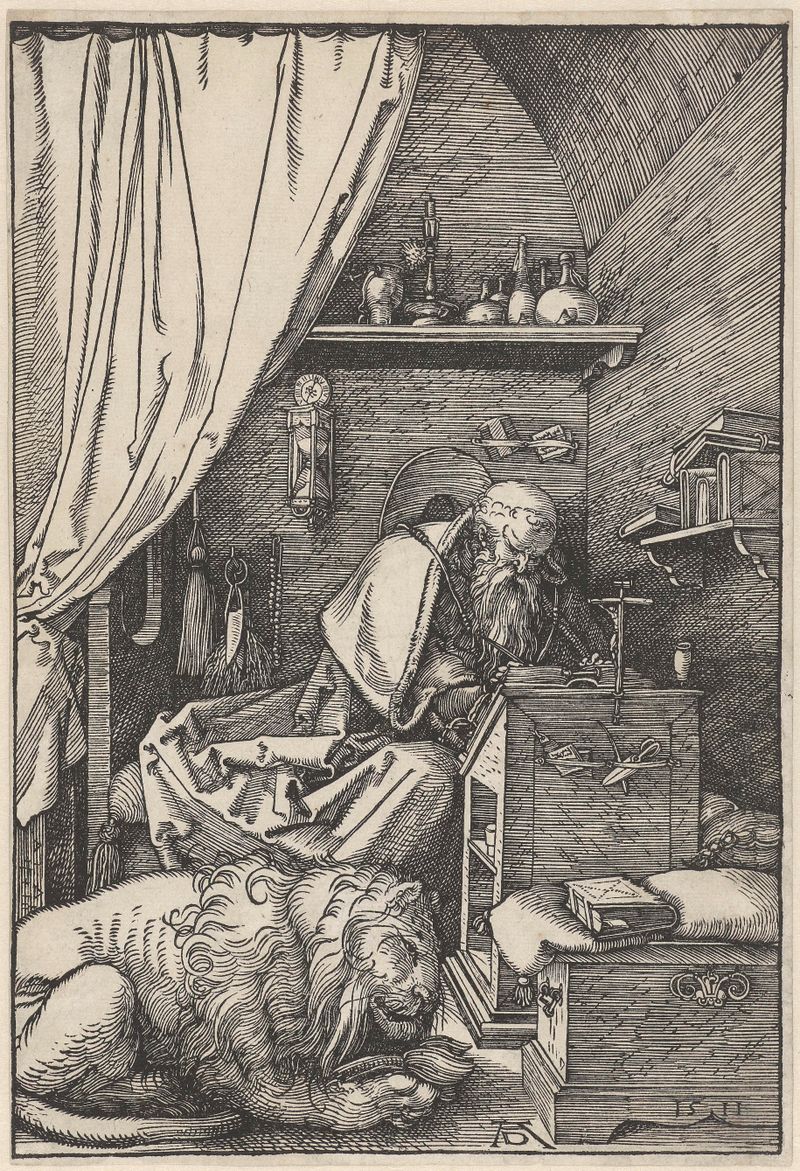
De Heilige Hiëronymus in zijn studeervertrek
Albrecht Dürer
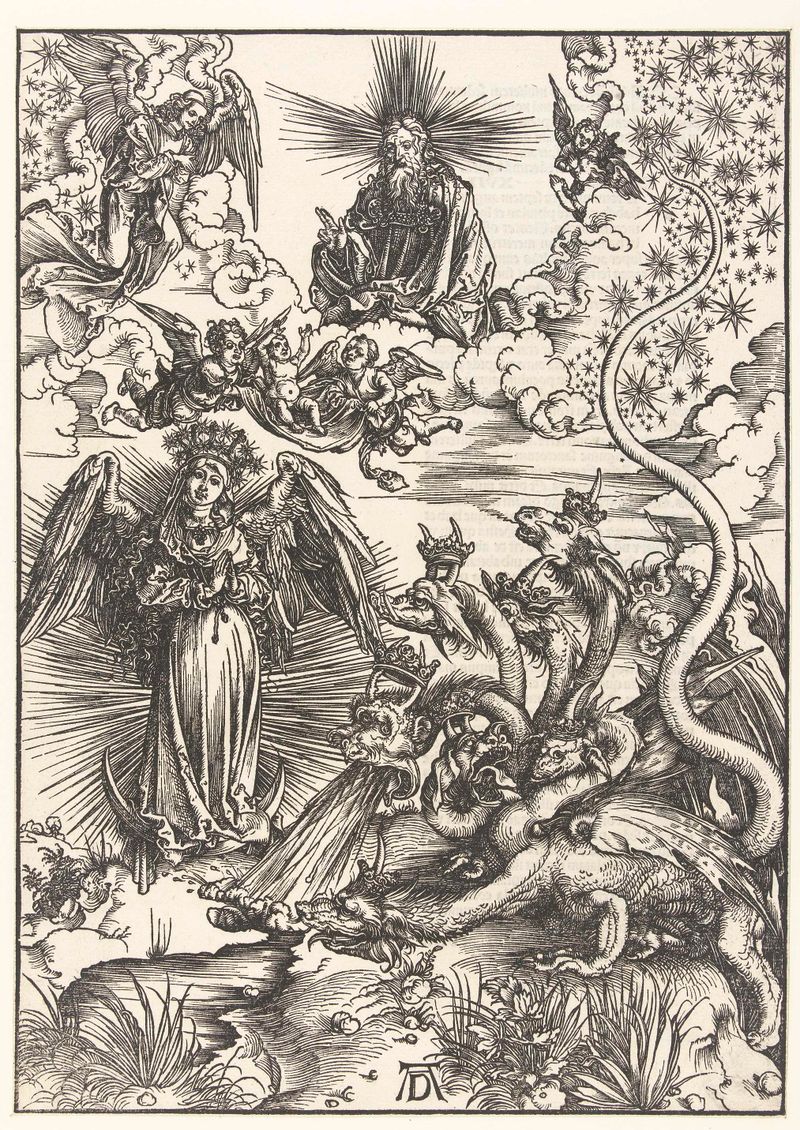
De apocalyptische vrouw en de zevenkoppige draak
Albrecht Dürer
Adam en Eva
Albrecht Dürer